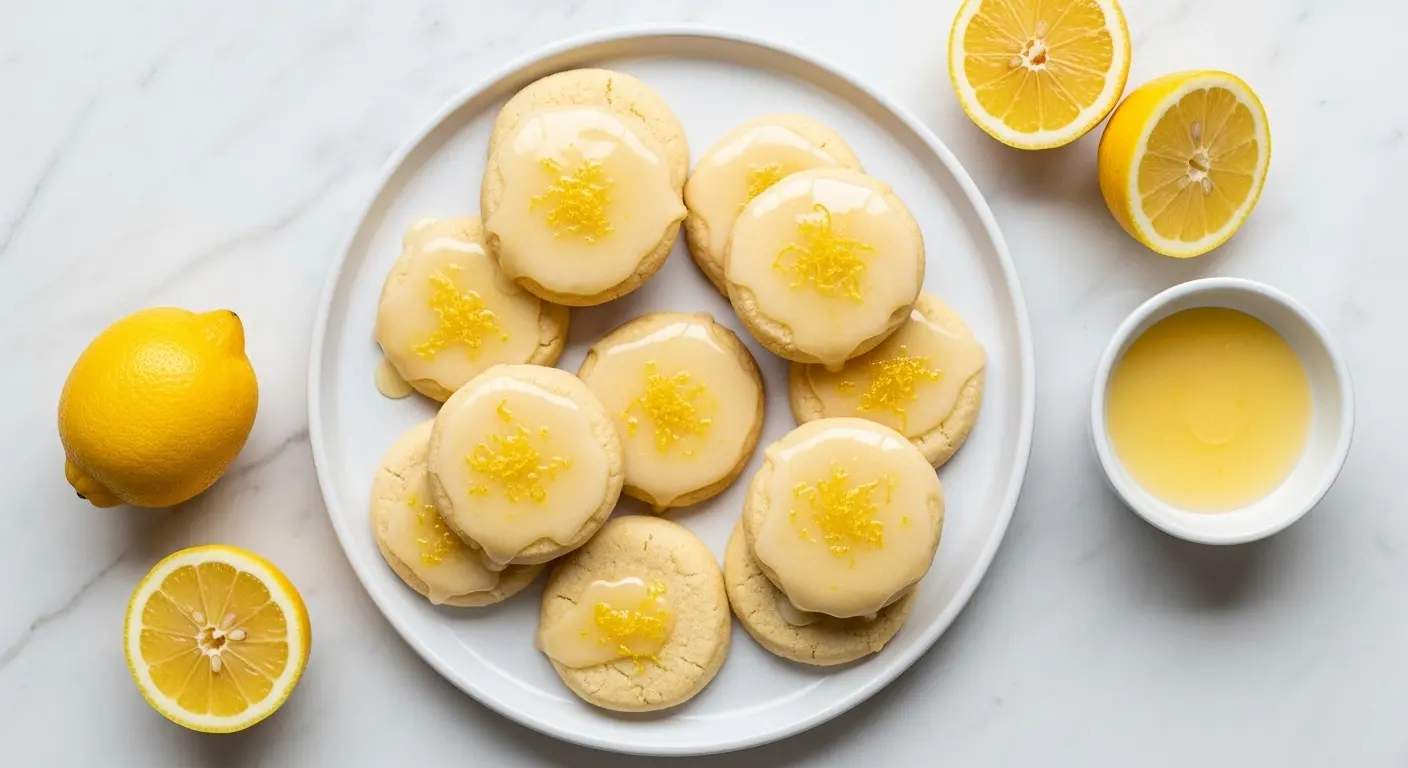
If you have ever craved something buttery, tender, and bursting with fresh citrus flavor, this lemon shortbread cookies recipe is exactly what you need to bake this weekend. These cookies are the kind that disappear from the cookie tin faster than you can restock it. They strike that perfect balance between crumbly and melt-in-your-mouth, with a bright lemon flavor that makes every bite feel like a little ray of sunshine.
What makes these cookies so special is the simplicity of the ingredients. There are no eggs, no baking powder, no leavening agents of any kind. That is what makes shortbread, shortbread. The high ratio of butter to flour creates that signature sandy, tender crumb that is unlike anything a regular cookie can deliver.
The secret to maximum lemon flavor? Using both fresh lemon zest and fresh lemon juice. The zest is where most of the essential oils live, which means it carries a much more intense, aromatic citrus punch than juice alone. Rubbing the zest into the sugar before mixing the dough helps release those oils and infuses every bite with real, vibrant lemon flavor.
Finished with a simple lemon glaze, these cookies are elegant enough for a holiday cookie box, a tea party spread, or a casual afternoon treat. They are just as beautiful plain, too.
These Shortbread Cookies are a timeless classic, and the lemon version takes them from simple to absolutely stunning.
Why You’ll Love This Lemon Shortbread Cookies Recipe
There is so much to adore about this recipe, and once you try it, you will understand why it becomes a regular go-to.
These cookies require only a handful of pantry ingredients. No specialty items, no obscure baking supplies — just butter, sugar, flour, lemon zest, lemon juice, and a pinch of salt.
The texture is truly unmatched. Because shortbread skips eggs and leavening, you get a cookie that is crisp on the outside, tender on the inside, and absolutely melts on your tongue.
Lemon flavor is fresh and bright, not artificial. Using fresh lemons makes a noticeable difference, giving the cookies a clean, zesty flavor rather than that overly sweet, candy-like citrus taste from extract alone.
They are beginner-friendly. The dough comes together quickly with a hand mixer or stand mixer, and the cookies hold their shape beautifully in the oven.
- No eggs required, making this a great egg-free baking option
- Only 7 simple ingredients for the cookies and glaze
- Dough can be made ahead and chilled for up to 48 hours
- Cookies keep well for days, making them ideal for gifting
- Completely customizable with different citrus or flavor add-ins
- Perfectly suited for holidays, tea parties, cookie swaps, and everyday snacking
You might also enjoy: Cranberry Orange Shortbread Cookies
Ingredients
The ingredient list for these lemon shortbread cookies is beautifully short and sweet. Every ingredient plays a specific role in achieving that iconic shortbread texture, so do not skip or swap carelessly.
- 2 cups (240 g) all-purpose flour
- 1/2 cup (100 g) granulated sugar
- 2 tablespoons fresh lemon zest (from about 2 large lemons)
- 1 tablespoon fresh lemon juice
- 1 cup (225 g) unsalted European-style butter, softened to room temperature
- 1/4 teaspoon fine sea salt
For the Lemon Glaze (optional but recommended):
- 1 cup (120 g) powdered sugar, sifted
- 2-3 tablespoons fresh lemon juice
- 1 teaspoon lemon zest (optional, for garnish)
Read Also: Cherry Almond Shortbread Cookies Recipe
Kitchen Equipment Needed
Having the right tools makes this recipe go smoothly from start to finish. A few of these items are essential, while others just make the process easier.
- Stand mixer or hand electric mixer
- Parchment-lined baking sheets
- Rolling pin (for cut-out style cookies)
- Cookie cutters (optional, for shaped cookies)
- Zester or microplane grater
- Large mixing bowl
- Measuring cups and spoons
- Wire cooling rack
- Plastic wrap or parchment for chilling the dough
- Small bowl and whisk for the glaze
- Pastry brush or spoon for glazing
These Whipped Shortbread Cookies use a similar set of tools and are another great shortbread recipe to try next.
Recommended Products for This Recipe
These are products chosen for their quality and performance that can genuinely elevate your baking experience with this recipe.
1. High-Quality European-Style Unsalted Butter
The flavor of the butter is the backbone of any shortbread cookie. European-style butter contains a higher fat content than standard American butter, which gives these cookies a noticeably richer, creamier flavor and a more tender crumb. It is one ingredient swap that makes an immediate, noticeable difference.
2. Stainless Steel Cookie Cutters Set
A quality set of cookie cutters with clean, sharp edges will give your lemon shortbread cookies perfectly defined shapes that hold up beautifully in the oven. Shortbread dough does not spread, so whatever shape you cut is the shape you get — which makes a sharp cutter essential for clean results.
3. Microplane Zester Grater
Fresh lemon zest is the flavor powerhouse in this recipe, and a Microplane zester makes it effortless to get fine, fluffy zest without grating into the bitter white pith underneath. This tool is a kitchen staple for any citrus-forward recipe.
4. Silicone Baking Mats
A silicone baking mat provides even heat distribution and a non-stick surface, which helps shortbread bake evenly without browning too quickly on the bottom. It also eliminates the need for excess parchment paper and is a reusable, eco-friendly kitchen investment.
5. Offset Spatula Set
Transferring delicate shortbread cookies from the baking sheet to the cooling rack is much easier with an offset spatula. It slips cleanly under each cookie without disturbing its shape, especially important when the cookies are still warm and fragile.
The same careful attention to technique that makes these cookies great also shines through in these Almond Shortbread Cookies.
Step-by-Step Instructions
Follow these steps carefully and you will have a perfect batch of lemon shortbread cookies every time.
Step 1: Prepare Your Zest-Infused Sugar
- Measure out 1/2 cup (100 g) of granulated sugar and place it into a medium bowl.
- Zest 2 large lemons directly into the sugar, using a microplane grater held over the bowl to catch every bit of zest.
- Use your fingertips to rub the lemon zest into the sugar, pressing and pinching the mixture together for about 1 to 2 minutes. You will notice the sugar becoming slightly moist, fragrant, and tinged a faint yellow color. This technique, called “blooming,” releases the essential oils from the zest and distributes lemon flavor throughout every grain of sugar.
- Set the lemon sugar aside for 5 minutes to allow the flavors to continue infusing while you prepare the other ingredients.
Step 2: Cream the Butter and Lemon Sugar
- Place 1 cup (225 g) of softened unsalted butter into the bowl of your stand mixer fitted with the paddle attachment, or into a large mixing bowl if using a hand mixer.
- Make sure the butter is genuinely at room temperature — it should indent easily when pressed with your finger but not feel greasy or slippery. Cold butter will not cream properly; melted butter will make the dough greasy.
- Add the lemon sugar you prepared in Step 1 to the butter.
- Beat on medium speed for 2 to 3 minutes, scraping down the sides of the bowl halfway through, until the mixture is pale, light, and fluffy. Properly creamed butter and sugar will look almost whipped.
Step 3: Add the Lemon Juice and Salt
- With the mixer on low speed, add 1 tablespoon of fresh lemon juice to the creamed butter mixture.
- Add 1/4 teaspoon of fine sea salt.
- Mix on low just until combined, about 30 seconds. The mixture may look slightly curdled at this point — that is normal and will smooth out once the flour is added.
Step 4: Add the Flour and Form the Dough
- Measure out 2 cups (240 g) of all-purpose flour. For best results, spoon the flour into the measuring cup and level it off with a straight edge rather than scooping directly from the bag, which can pack in too much flour and result in a dry, crumbly dough.
- Add the flour to the butter mixture all at once.
- Mix on low speed just until the dough begins to come together. It will look crumbly and shaggy at first — this is expected. Keep mixing until no dry streaks of flour remain. Do not over-mix or the cookies will be tough.
- Once combined, the dough should hold together when you press a small amount between your fingers.
Step 5: Chill the Dough
- Turn the dough out onto a lightly floured work surface or a clean sheet of parchment paper.
- Gently press the dough together into a flat disk shape about 1 inch thick.
- Wrap the dough tightly in plastic wrap or parchment paper.
- Refrigerate for at least 1 hour, or up to 48 hours. Chilling the dough is essential — it firms up the butter so the cookies hold their shape during baking, and it also allows the gluten to relax, which makes rolling much easier and results in a more tender final cookie.
Step 6: Preheat the Oven and Prepare the Baking Sheets
- Remove the dough from the refrigerator and allow it to sit at room temperature for 5 to 10 minutes. This brief rest makes the dough easier to roll without cracking.
- Preheat your oven to 325°F (163°C). Shortbread bakes at a lower temperature than most cookies, which allows it to cook through slowly without browning too quickly.
- Line 2 large baking sheets with parchment paper or silicone baking mats.
Step 7: Roll Out and Cut the Cookies
- Lightly dust a clean work surface with powdered sugar (not flour — powdered sugar prevents sticking without adding rawness to the dough’s surface).
- Unwrap the chilled dough and place it on the dusted surface.
- Using a rolling pin, roll the dough out to an even thickness of about 1/4 inch (6 mm). Shortbread is traditionally cut thicker than sugar cookies — this thickness gives you that satisfying, dense bite.
- Use your chosen cookie cutters — rounds, rectangles, or any shape — to cut out the cookies. Press the cutter straight down and lift without twisting for the cleanest edges.
- Transfer the cut cookies to the prepared baking sheets, spacing them about 1 inch apart. Shortbread does not spread, so they can be placed relatively close together.
- Gather the scraps, re-roll once, and cut additional cookies. Avoid re-rolling the dough more than twice as overworking the dough can toughen the cookies.
Step 8: Bake the Cookies
- Place the baking sheets in the preheated oven on the middle rack.
- Bake for 12 to 15 minutes. Shortbread should look pale and barely set at the edges — you are not looking for golden-brown tops. The cookies are done when the very edges just begin to turn a faint golden color on the bottom.
- Avoid overbaking. Shortbread can go from perfectly pale to overdone very quickly in the last couple of minutes. Check at the 12-minute mark and monitor closely.
- Remove from the oven and allow the cookies to cool on the baking sheet for 5 minutes before transferring to a wire cooling rack. They will firm up significantly as they cool.
Step 9: Make the Lemon Glaze
- While the cookies cool completely, prepare the glaze by whisking together 1 cup (120 g) of sifted powdered sugar with 2 tablespoons of fresh lemon juice in a small bowl.
- Whisk until smooth and completely lump-free. The glaze should be thick enough to coat the back of a spoon but pourable — similar to the consistency of white school glue.
- If the glaze is too thick, add lemon juice a few drops at a time until you reach the desired consistency.
- If the glaze is too thin, sift in a little more powdered sugar and stir well.
Step 10: Glaze and Finish
- Make absolutely sure the cookies are fully cooled before glazing. Applying glaze to warm cookies will cause it to melt and run off, leaving a thin, uneven coating instead of a pretty, set finish.
- Using a spoon, drizzle the glaze over each cookie, or dip the top of each cookie face-down into the glaze for a more even coating.
- If desired, scatter a tiny pinch of extra lemon zest over the wet glaze for a pop of color and extra aroma.
- Set the glazed cookies on the wire rack and allow the glaze to set completely at room temperature for at least 20 to 30 minutes before stacking or storing.
Another great cut-out cookie to try after these is this Cut Out Sugar Cookie Recipe.
Tips for Success
A few key techniques will take your lemon shortbread from good to genuinely exceptional.
- Use real, fresh lemons. Bottled lemon juice simply cannot replicate the brightness of freshly zested and juiced lemons. The zest especially carries volatile aromatic compounds that evaporate quickly in bottled products. For the best flavor in this recipe, always use fresh lemons.
- Do not over-mix the dough. Once the flour is added, mix only until the dough comes together. Over-mixing develops gluten, which leads to tough, dense cookies instead of the tender, crumbly texture shortbread is known for.
- Keep everything cold. Soft butter, warm dough, or a warm kitchen can cause shortbread to spread and lose its shape. If your kitchen is warm, chill the cut cookies on the baking sheet for 10 minutes before putting them in the oven.
- Roll to an even thickness. Uneven dough thickness means some cookies will overbake before others are done. Use rolling pin guides or place two wooden skewers alongside the dough as thickness guides when rolling.
- Sift the powdered sugar for the glaze. Lumpy powdered sugar in the glaze is difficult to smooth out after the fact. Sifting first takes only a moment and ensures a perfectly silky, smooth glaze.
Read Also: Pecan Shortbread Cookies Recipe
Serving Suggestions

These lemon shortbread cookies are versatile enough to serve in a variety of settings, from casual afternoon snacking to elegant entertaining.
Serve them alongside a pot of hot tea or a cup of freshly brewed coffee for a classic pairing. The bright lemon flavor complements both black tea and herbal varieties beautifully.
They make a stunning addition to a dessert spread or cookie platter. Arrange them alongside other baked goods for a showstopping display at parties or holiday gatherings.
Pair them with a glass of Homemade Lemonade for an all-in-one citrus experience that guests will love.
- Stack several cookies in a clear cellophane bag tied with a ribbon for a thoughtful homemade gift
- Serve alongside a scoop of vanilla bean ice cream for a simple but impressive dessert
- Arrange on a tiered tray with fresh berries and cream for an afternoon tea spread
- Crush cooled cookies and use as a buttery base for a no-bake cheesecake or tart crust
- Pack them into a lunch box or picnic basket — they travel exceptionally well without breaking
Variations to Try
Once you have mastered the base recipe, there are so many delicious directions to take it.
- Lemon Lavender Shortbread: Add 1 teaspoon of dried culinary lavender to the lemon sugar before mixing. The floral note complements the citrus beautifully and makes for a very elegant cookie.
- Lemon Rosemary Shortbread: Finely chop 1 teaspoon of fresh rosemary and mix it into the dough with the flour. The earthy herb balances the brightness of the lemon in a sophisticated way.
- Lemon Poppy Seed Shortbread: Stir 1 tablespoon of poppy seeds into the finished dough for a classic flavor combination and a subtle crunch in every bite.
- White Chocolate Dipped Lemon Shortbread: Skip the glaze and instead dip half of each cooled cookie in melted white chocolate. Set on parchment until the chocolate hardens completely.
- Lemon Almond Shortbread: Replace 1/4 cup of the all-purpose flour with almond flour for a slightly nuttier, more tender texture, and add a drop of almond extract alongside the lemon juice.
- Slice and Bake Version: Shape the dough into a log about 2 inches in diameter, wrap tightly, and refrigerate or freeze. Slice into 1/4-inch rounds and bake directly from the fridge without rolling.
For another beautiful citrus-forward shortbread variation, these Cranberry Pistachio Shortbread Cookies are a must-try.
Storage and Reheating
Shortbread stores exceptionally well, which is one of the many reasons it is such a popular gift cookie.
- Room temperature: Store fully cooled, glazed or unglazed cookies in an airtight container at room temperature for up to 5 to 7 days. Place a sheet of parchment paper between layers to prevent sticking.
- Refrigerator: Stored in an airtight container, shortbread will keep in the refrigerator for up to 2 weeks. Allow cookies to come to room temperature before serving for the best texture.
- Freezer (baked cookies): Place cooled, unglazed cookies in a single layer on a baking sheet and freeze until firm. Transfer to a freezer-safe bag or container and freeze for up to 3 months. Thaw at room temperature for 30 minutes, then glaze if desired.
- Freezer (unbaked dough): Wrap the dough disk or log tightly in plastic wrap and then in foil. Freeze for up to 3 months. Thaw overnight in the refrigerator before rolling and cutting.
- Reheating: Shortbread does not need to be reheated, but if you prefer a slightly warm cookie, place unglazed cookies on a baking sheet in a 300°F (150°C) oven for 3 to 5 minutes.
This Lavender Shortbread Cookies Recipe is stored the same way and is another great option to bake and gift.
Nutritional Facts
The following nutrition information is an estimate per cookie based on a batch of approximately 24 cookies, using standard ingredients. Values will vary based on cookie size and whether the glaze is included.
| Nutrient | Per Cookie (with glaze) |
|---|---|
| Calories | ~118 kcal |
| Total Fat | 7 g |
| Saturated Fat | 4.5 g |
| Cholesterol | 20 mg |
| Sodium | 20 mg |
| Total Carbohydrates | 13 g |
| Sugars | 6 g |
| Protein | 1 g |
| Fiber | 0.3 g |
| Vitamin C | 1.5 mg |
Nutritional values are approximate and will vary depending on specific brands and portion sizes.
Read Also: Raspberry Shortbread Cookies Recipe
Health Benefits of Key Ingredients
While these cookies are certainly a treat, a few of the core ingredients bring some genuine nutritional value worth noting.
They are not a health food by any means, but when enjoyed as part of a balanced diet, knowing what is in your food adds an extra layer of appreciation for what you are eating.
- Lemon zest and juice: Lemons are an excellent source of vitamin C, a powerful antioxidant that supports immune function, skin health, and iron absorption. The zest also contains flavonoids, which have anti-inflammatory properties. The bright, fresh flavor also means you do not need artificial flavorings or colorings.
- Unsalted butter: Butter provides fat-soluble vitamins A, D, E, and K, as well as short-chain fatty acids that may support gut health. In shortbread, butter is the functional ingredient responsible for texture — it coats the flour proteins to prevent gluten development, creating that tender, crisp crumb.
- All-purpose flour: Provides carbohydrates for energy. Using a measured, appropriate amount keeps the cookies from being overly heavy or dense.
- Granulated sugar: Provides sweetness and, when rubbed with lemon zest, acts as a vehicle for infusing flavor throughout the dough.
- Powdered sugar in the glaze: In addition to sweetness, powdered sugar adds a delicate, smooth finish to the glaze that regular sugar cannot replicate.
For a dessert that showcases lemon in a completely different way, this Lemon Cheesecake Recipe is absolutely worth exploring.
Frequently Asked Questions
1. Why is my shortbread dough too crumbly to roll out?
The dough may need a little more time to come together. This is normal with shortbread — the dough is intentionally low-moisture, which means it can appear crumbly after mixing.
Try pressing the dough firmly together with your hands before wrapping and chilling it. The warmth of your hands helps bind the butter. If the dough is still not coming together after chilling, let it sit at room temperature for 10 minutes before trying to roll — this is usually all it needs.
2. Can I make this recipe without a mixer?
Yes, absolutely. A wooden spoon and some elbow grease will do the job.
Cream the softened butter and lemon sugar together vigorously by hand until the mixture looks pale and fluffy, then stir in the lemon juice and salt, and finally mix in the flour until the dough just comes together. It takes a few extra minutes but works perfectly.
3. My cookies spread in the oven. What went wrong?
Spreading is almost always a temperature issue with shortbread. The most likely causes are butter that was too soft or melted, dough that was not chilled long enough, or a warm kitchen or baking sheet.
Make sure the dough is thoroughly chilled before cutting and baking. If your kitchen is particularly warm, chill the cut cookies on the baking sheet for 10 minutes in the refrigerator before placing them in the oven. Also ensure you are using a cool baking sheet — never place dough on a warm sheet.
4. Can I use salted butter instead of unsalted?
Yes, with one adjustment. If using salted butter, omit the added 1/4 teaspoon of fine sea salt from the recipe to avoid an overly salty result.
Unsalted butter is generally recommended for baking because it gives you control over the final salt level, and different brands of salted butter vary in their salt content. That said, salted butter can add a lovely subtle savoriness to shortbread that many bakers actually prefer.
5. How do I know when the shortbread is done baking?
Shortbread is done when the edges are just barely turning a faint golden color and the surface looks set but still pale. It will feel slightly soft in the center when you remove it from the oven — that is expected.
Do not wait for the tops to brown or the cookies will overbake. Shortbread firms up as it cools, so a cookie that seems underdone when warm will be perfectly crisp once it reaches room temperature. Always err on the side of underbaking rather than overbaking with shortbread.
These Christmas Shortbread Cookies follow similar baking principles and are a wonderful companion recipe to explore.
Final Thoughts
These lemon shortbread cookies are the kind of recipe that earns a permanent spot in your baking rotation. They are simple enough to make on a weekday afternoon, yet impressive enough to bring to a holiday gathering or package up as a heartfelt gift.
The combination of fresh lemon zest, real butter, and that classic shortbread crumb creates something truly timeless. Every batch fills the kitchen with the most incredible buttery, citrusy aroma, and the finished cookies taste even better than they smell.
Give this lemon shortbread cookies recipe a try and discover your new favorite bake. If you make them, leave a comment below sharing how they turned out, what shapes you cut, or any fun variations you tried — we would love to hear from you!
Recommended:
- Shortbread Cookie Recipe
- Scottish Shortbread Cookie Recipe
- Strawberry Shortbread Cookies Recipe
- Chocolate Shortbread Cookies Recipe
- Cranberry Shortbread Cookies Recipe
- Lemon Meringue Pie Recipe
- Easy Royal Icing Recipe
- Best Chocolate Chip Cookies Recipe
- Snickerdoodle Cookie Recipe
- Fruit Tart Recipe