If you’ve been looking for a quick and delicious bok choy recipe, you’ve landed in the right place.
Bok choy is one of those vegetables that looks impressive on the plate but takes almost no effort to cook. With its crisp white stalks and dark leafy greens, it brings both texture and nutrition to any meal.
The most popular way to prepare it is a simple sauteed bok choy with garlic, sesame oil, and soy sauce. This classic method is what you’ll find in Chinese restaurants and home kitchens across Asia.
It comes together in under 10 minutes and works beautifully as a side dish or a base for proteins like chicken or tofu. Whether you’re a seasoned home cook or just discovering Asian greens for the first time, this recipe is genuinely foolproof.
The key to getting it right is high heat and a short cook time. Overcooked bok choy turns limp and loses its appeal, but cook it properly and you get tender stalks with just enough bite and perfectly wilted leaves.
This guide covers everything you need: the right technique, ingredient tips, serving ideas, and answers to every question you might have along the way.
This sauteed preparation pairs wonderfully with Chicken Fried Rice for a complete, restaurant-style Asian-inspired meal at home.
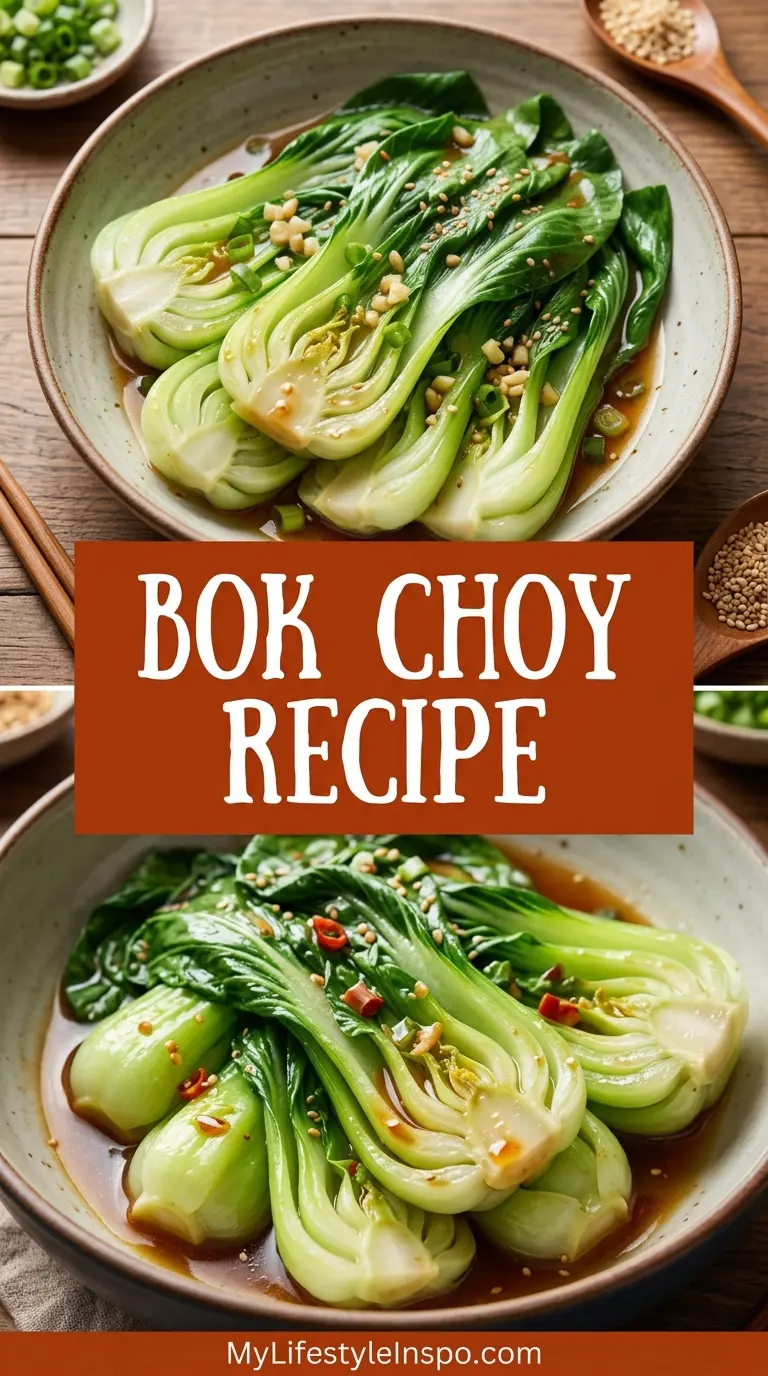
Why You’ll Love This Bok Choy Recipe
This recipe checks just about every box a busy home cook could want.
It comes together in about 10 minutes from start to finish, making it one of the fastest vegetable sides you can put on the table.
The ingredient list is short and uses pantry staples you likely already have. Garlic, soy sauce, sesame oil, and a splash of water are really all you need.
Bok choy has a mild, slightly sweet flavor that pairs with almost any protein or grain. It’s incredibly versatile and never overpowers the rest of a meal.
The technique is simple enough for complete beginners, yet the results look and taste like something from a proper restaurant kitchen.
- Ready in under 10 minutes from prep to plate
- Uses minimal, affordable ingredients
- Works as a side dish, stir-fry base, or soup topping
- Naturally gluten-free (with tamari instead of soy sauce)
- Nutritious and low in calories
- Kid-friendly when not over-seasoned
You might also enjoy: Easy Pad Thai
Ingredients
Bok choy has a subtle, clean flavor that really only needs a handful of complementary ingredients to shine. The garlic provides aromatic depth, the soy sauce adds umami and saltiness, and the sesame oil rounds everything out with a nutty, toasted finish.
- 1 lb (450g) baby bok choy (about 4-5 heads) or 1 large head bok choy
- 3 cloves garlic, minced
- 1 tablespoon vegetable oil or neutral cooking oil
- 1 tablespoon soy sauce (or tamari for gluten-free)
- 1 teaspoon sesame oil
- 2 tablespoons water or chicken broth
- 1/2 teaspoon sugar (optional, balances the saltiness)
- 1/4 teaspoon red pepper flakes (optional, for mild heat)
- Salt to taste
- Toasted sesame seeds for garnish (optional)
Read Also: Stir Fry Sauce Recipe
Kitchen Equipment Needed
You don’t need any specialized equipment for this recipe, just a few basic kitchen tools that most cooks already own. A large pan is the most important item; the bigger the surface area, the better the sear.
- Large skillet or wok (12 inches or wider recommended)
- Sharp knife
- Cutting board
- Small bowl (for mixing the sauce)
- Tongs or wooden spatula
- Colander or salad spinner (for washing bok choy)
- Measuring spoons
Read Also: Hoisin Sauce Recipe
Recommended Products for This Recipe
These are products I genuinely recommend based on quality and how much of a difference they make in the final dish.
1. Carbon Steel Wok
A carbon steel wok distributes heat rapidly and evenly, which is critical for stir-frying vegetables like bok choy. The high, curved sides let you toss the greens without spilling, and the seasoned surface develops better flavor over time. It’s the closest you’ll get to restaurant-level results at home.
2. Premium Toasted Sesame Oil
The quality of sesame oil makes a noticeable difference in this recipe. A high-quality toasted sesame oil has a deep, nutty aroma that a cheap version simply cannot replicate. Just a small drizzle at the end transforms the dish completely.
3. Japanese Soy Sauce (Shoyu)
Japanese-style soy sauce tends to be a bit more balanced and less harsh than some generic alternatives. It brings a clean, slightly sweet umami that complements the delicate flavor of bok choy without overpowering it.
4. Toasted Sesame Seeds
Pre-toasted sesame seeds are a fantastic finishing garnish for this dish. They add a subtle crunch and visual appeal that makes the plate look polished and complete. Having them on hand means you’re always one step away from a restaurant-quality presentation.
This recipe also calls for the same light, flavorful technique used in a classic Chicken and Broccoli stir-fry.
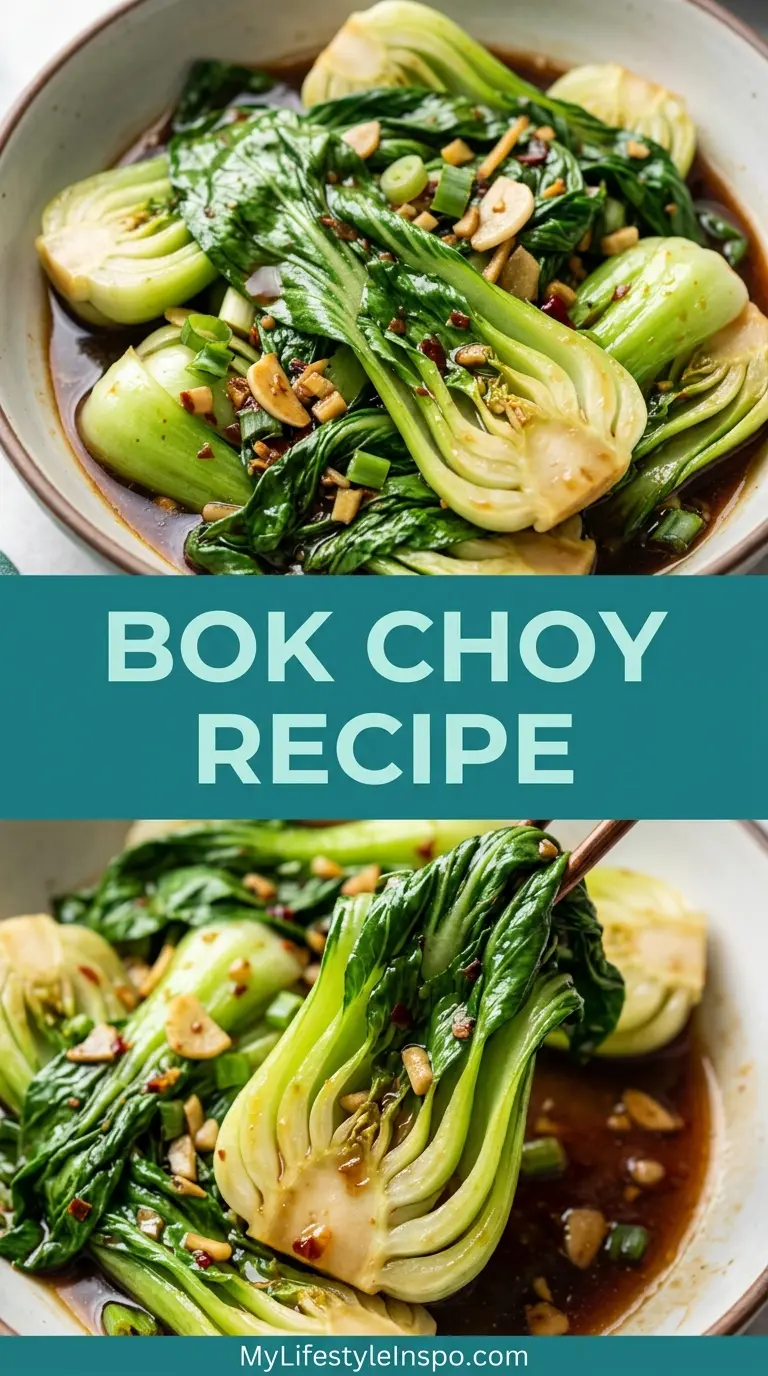
Step-by-Step Instructions
1. Prep the Bok Choy
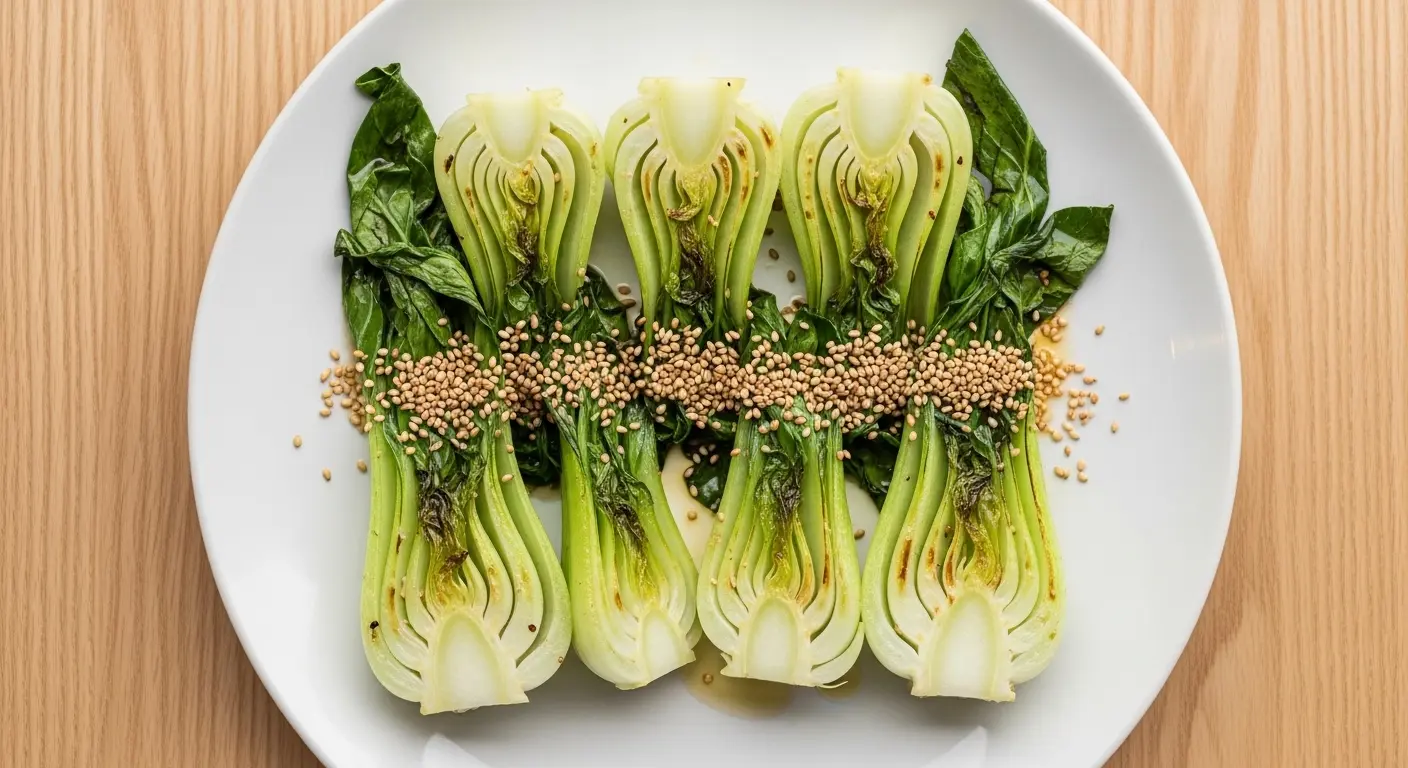
- If using baby bok choy, slice each head in half lengthwise through the core. This keeps the leaves and stalks intact and creates a flat surface for even searing.
- If using large bok choy, separate the leaves from the stalks. Cut the stalks into 1-inch (2.5cm) pieces and roughly chop the leaves. Set them aside separately, as stalks take longer to cook.
- Place the cut bok choy in a colander and rinse thoroughly under cold running water. Bok choy tends to trap dirt and grit between its layers, so rinse carefully and check between the leaves.
- Shake off excess water or spin dry in a salad spinner. Excess moisture will cause the oil to splatter when it hits the hot pan and will steam the bok choy instead of searing it.
2. Mix the Sauce
- In a small bowl, combine 1 tablespoon soy sauce, 1 teaspoon sesame oil, 2 tablespoons water or chicken broth, and 1/2 teaspoon sugar if using.
- Stir until the sugar dissolves. Set this sauce aside and have it ready to go before you start cooking, because the cooking process moves fast.
3. Heat the Pan
- Place your wok or large skillet over high heat. This is one of the most important steps. High heat is what gives stir-fried vegetables their slightly caramelized exterior without turning them mushy.
- Allow the pan to heat for 1-2 minutes until it is very hot. To test readiness, hold your hand a few inches above the surface; you should feel strong radiating heat.
- Add 1 tablespoon of vegetable oil and swirl to coat the pan. The oil should shimmer and begin to move fluidly almost immediately.
4. Saute the Garlic
- Add the 3 minced garlic cloves to the hot oil.
- Stir constantly for about 30 seconds. The garlic should sizzle loudly and turn fragrant and just barely golden. Do not walk away at this stage; garlic burns very quickly in a hot wok and burnt garlic will make the entire dish bitter.
5. Cook the Bok Choy
- If using baby bok choy: Place each half cut-side down in the pan in a single layer. Press down gently with a spatula to ensure good contact with the pan surface. Let them sear undisturbed for 1-2 minutes until the cut side develops a light golden color.
- If using large bok choy: Add the stalk pieces first and cook for 2 minutes, stirring frequently. Then add the leafy greens and continue cooking.
- Use tongs to flip the baby bok choy halves and cook the other side for another 1 minute.
6. Add the Sauce and Finish
- Pour the prepared sauce mixture directly over the bok choy.
- Toss everything together quickly using tongs or a wooden spatula so the sauce coats all surfaces evenly.
- Allow the liquid to bubble and reduce for about 30-60 seconds. The sauce should thicken slightly and cling to the bok choy rather than pool at the bottom of the pan.
- Taste a piece of the stalk. It should be tender but still have a slight bite. If it’s still too firm for your preference, add a splash more water, cover the pan briefly for 30 seconds, and check again.
7. Plate and Garnish
- Transfer the bok choy immediately to a serving plate. Leaving it in the hot pan will continue cooking it.
- Sprinkle with toasted sesame seeds and a light pinch of red pepper flakes if desired.
- Serve hot. Bok choy is best enjoyed right away while the leaves are vibrant and the stalks still have their texture.
Another great way to use leafy Asian greens is in Miso Soup for a warming, umami-rich bowl.
Tips for Success
Small adjustments in technique make a big difference in the final result. Following these tips will help you avoid the most common mistakes and get perfectly cooked bok choy every time.
- Dry the bok choy thoroughly. Excess water in a hot pan causes steaming rather than searing and makes everything limp. Pat it dry after rinsing.
- Use high heat. This is not a low-and-slow dish. High heat keeps the vegetables crisp and gives them that lightly caramelized edge that makes them delicious.
- Don’t overcrowd the pan. If your pan is too small, cook in batches. Overcrowding drops the temperature and leads to steaming.
- Have everything prepped before you start. The actual cooking only takes a few minutes, so garlic should be minced and the sauce should be mixed before the burner goes on.
- Taste and adjust seasoning. Different soy sauces vary in saltiness. Taste the dish before adding any extra salt.
- Add sesame oil at the end. If you want a stronger sesame flavor, add another small drizzle of sesame oil right before plating rather than cooking it in the pan.
The same high-heat searing approach works beautifully in this Salmon Skillet recipe as well.
Serving Suggestions
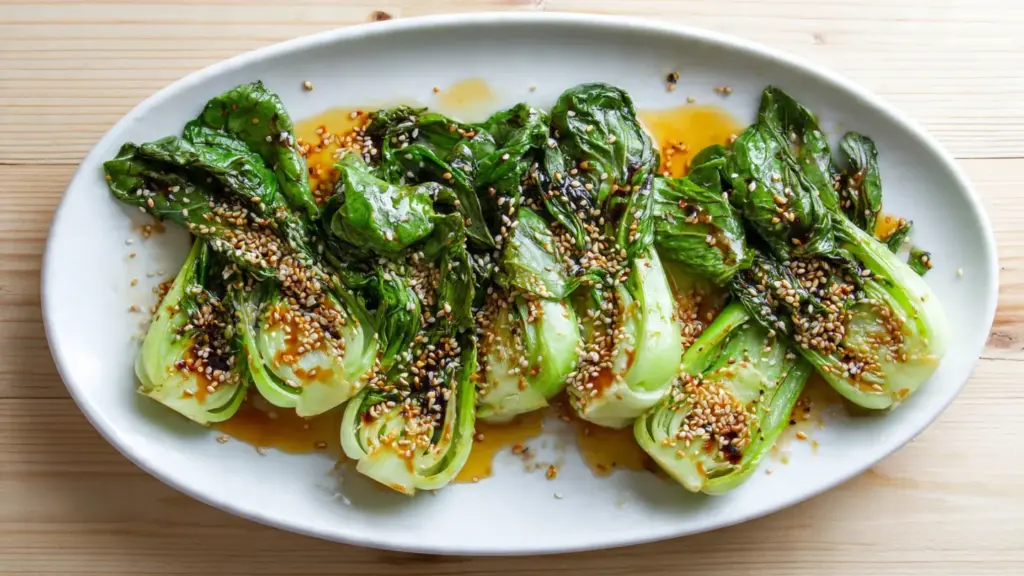
Sauteed bok choy is wonderfully flexible and fits into dozens of different meals. Its mild flavor makes it a natural companion to bold sauces, rich proteins, and steamed grains.
Here are some of the best ways to serve it:
- Alongside steamed jasmine rice or brown rice for a simple, nutritious dinner
- As part of a larger spread with Easy Fried Rice and a protein
- Underneath sliced Baked Salmon for an elegant weeknight plate
- Served next to Chicken Lettuce Wraps as part of an Asian-inspired spread
- Tossed with noodles and a drizzle of Peanut Sauce for a satisfying meatless meal
- As a side to any stir-fry protein
Variations to Try
Once you’ve made the classic version, there are plenty of easy ways to customize it based on what you have on hand or the flavor profile you’re after.
- Oyster sauce bok choy: Replace the soy sauce with 1.5 tablespoons of oyster sauce for a richer, slightly sweet flavor. This version is extremely popular in Chinese-American restaurants.
- Spicy bok choy: Add 1 teaspoon of chili garlic sauce or a generous pinch of dried chili flakes to the sauce mixture for a kick of heat.
- Ginger bok choy: Add 1 teaspoon of freshly grated ginger along with the garlic. Ginger adds a warm, slightly peppery brightness that pairs especially well with fish dishes.
- Mushroom bok choy stir-fry: Add sliced shiitake or cremini mushrooms to the pan before the garlic. This creates a heartier side dish with more depth.
- Bok choy with tofu: Cube and pan-fry firm tofu until golden before adding the bok choy for a complete vegetarian main dish.
- Garlic butter bok choy: Swap the vegetable oil for butter and use a splash of white wine instead of water for a fusion-style preparation.
Read Also: Bibimbap Recipe
Storage and Reheating
Sauteed bok choy is best eaten fresh, but it does store reasonably well if you have leftovers. Just keep in mind that the texture softens significantly after refrigeration.
- Refrigerating: Place cooled leftovers in an airtight container and store in the refrigerator for up to 3 days. The bok choy will release more moisture as it sits.
- Freezing: Freezing is not recommended. The high water content in bok choy causes it to become very soft and watery once thawed.
- Reheating on the stovetop: Reheat in a hot skillet for 1-2 minutes. This is the best method to restore some texture. Avoid adding extra liquid.
- Reheating in the microwave: Microwave on medium power for 1 minute. The texture won’t be as good as stovetop reheating, but it gets the job done for a quick lunch.
- Using leftovers: Leftover bok choy is excellent stirred into soups or added to noodle bowls where the softer texture is not a concern.
The same storage advice applies to other sauteed greens like this Creamed Spinach recipe.
Nutritional Facts
The following nutrition information is based on one serving (approximately 1/4 of the total recipe as a side dish).
| Nutrient | Per Serving |
|---|---|
| Calories | ~55 kcal |
| Total Fat | 4g |
| Saturated Fat | 0.5g |
| Sodium | 280mg |
| Total Carbohydrates | 4g |
| Dietary Fiber | 1.5g |
| Sugars | 1.5g |
| Protein | 2g |
| Vitamin A | 60% DV |
| Vitamin C | 52% DV |
| Calcium | 10% DV |
| Iron | 6% DV |
Nutritional values are estimates and may vary based on exact ingredients and portion sizes used.
Another light and nutritious option to round out your meal is this Roasted Broccoli recipe.
Health Benefits of Key Ingredients
Bok choy is one of the most nutrient-dense vegetables you can add to your regular rotation, and the other ingredients in this recipe bring their own benefits to the table.
Each ingredient plays a role not just in flavor but in supporting your overall wellbeing:
- Bok choy: A member of the cruciferous vegetable family, bok choy is loaded with vitamins A, C, and K, along with calcium, potassium, and antioxidants. Regular consumption has been linked to reduced inflammation and improved bone health.
- Garlic: Contains allicin, a sulfur compound known for its antimicrobial and cardiovascular benefits. Garlic has been studied for its role in supporting immune function and reducing blood pressure.
- Sesame oil: Rich in healthy unsaturated fats and antioxidants like sesamin and sesamol, sesame oil has anti-inflammatory properties and is a staple in traditional Asian medicine.
- Soy sauce: Provides a source of glutamate, which delivers umami flavor naturally. Opting for reduced-sodium soy sauce can help manage salt intake while retaining the savory depth.
You might also enjoy: Kale Soup
Frequently Asked Questions
1. Do you cook bok choy leaves and stalks the same way?
No. The stalks are denser and take longer to cook, while the leafy tops wilt very quickly. If you’re using large bok choy, it’s best to add the stalks to the pan first and give them a 1-2 minute head start before adding the leaves.
For baby bok choy, halving them lengthwise solves this problem since the stalk and leaves cook at similar rates when sliced.
2. Should I blanch bok choy before stir-frying?
You don’t have to, but blanching is a common technique in restaurant kitchens. It gives the bok choy a vibrant color and partially cooks the stalks so they become perfectly tender in less time on the stove.
For a quick home recipe, skipping the blanch step and going straight to a hot pan works just as well and saves time.
3. Can I use large bok choy instead of baby bok choy?
Absolutely. Large bok choy has a more pronounced flavor and slightly sturdier stalks, but it responds to the same cooking technique. Just separate the leaves from the stalks and cook the stalks a couple of minutes longer.
The presentation will be different since you won’t have the neat halved heads, but the flavor is just as delicious.
4. What’s the difference between bok choy and baby bok choy?
Baby bok choy is simply a younger, smaller version harvested earlier. It’s more tender overall, milder in flavor, and cooks faster. Large bok choy has darker outer leaves, thicker stalks, and a slightly more assertive cabbage-like flavor.
Both are excellent choices. Baby bok choy is generally preferred for quick sautees while large bok choy works well in soups and braises.
5. Is this recipe vegan and gluten-free?
The base recipe as written is vegan since it uses no animal products. To make it gluten-free, simply swap the regular soy sauce for tamari, which is a Japanese soy sauce made without wheat.
Check your brand of soy sauce or tamari to confirm it meets your dietary requirements, as formulations can vary.
Read Also: Collard Greens Recipe
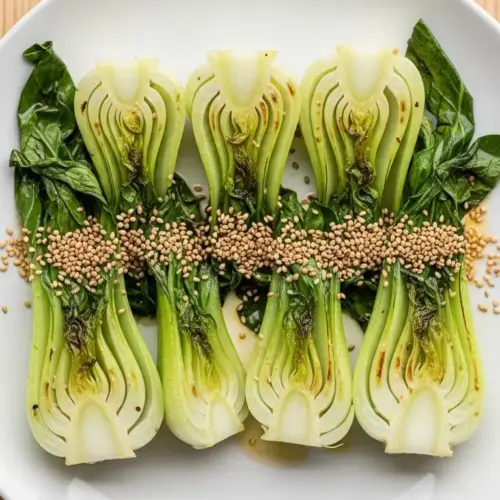
Sauteed Bok Choy

Equipment
- Large skillet or wok - 12 inches or wider recommended
- Sharp knife
- Cutting board
- Small bowl - for mixing the sauce
- Tongs or wooden spatula
- Colander or salad spinner - for washing bok choy
- Measuring spoons
Ingredients
- 1 lb baby bok choy - 450g, about 4-5 heads, or 1 large head bok choy
- 3 cloves garlic - minced
- 1 tablespoon vegetable oil - or neutral cooking oil
- 1 tablespoon soy sauce - or tamari for gluten-free
- 1 teaspoon sesame oil - toasted
- 2 tablespoons water - or chicken broth
- 1/2 teaspoon sugar - optional, balances the saltiness
- 1/4 teaspoon red pepper flakes - optional, for mild heat
- salt - to taste
- toasted sesame seeds - for garnish, optional
Instructions
- Slice baby bok choy heads in half lengthwise through the core. For large bok choy, separate leaves from stalks and cut stalks into 1-inch pieces. Rinse thoroughly to remove grit and spin dry completely.
- In a small bowl, combine soy sauce, sesame oil, water or broth, and sugar if using. Stir until sugar dissolves.
- Heat your wok or large skillet over high heat for 1-2 minutes until very hot. Add vegetable oil and swirl to coat the pan.
- Add minced garlic and stir constantly for about 30 seconds until fragrant and just barely golden. Do not burn the garlic.
- Place baby bok choy cut-side down in a single layer and press gently. Sear undisturbed for 1-2 minutes until golden, then flip and cook 1 minute more. For large bok choy, cook stalks first for 2 minutes, then add leaves.
- Pour the sauce over the bok choy and toss quickly to coat evenly. Let bubble and reduce for 30-60 seconds until the sauce thickens and clings to the vegetables.
- Transfer immediately to a serving plate, sprinkle with toasted sesame seeds and red pepper flakes if desired. Serve hot.
Notes
- Dry the bok choy thoroughly after washing to prevent steaming and ensure proper searing.
- Always use high heat for this recipe to keep the vegetables crisp and slightly caramelized.
- Do not overcrowd the pan. If necessary, cook in batches to maintain the high temperature.
- Have all ingredients prepped and ready before you start cooking, as the process moves very quickly.
- For a stronger sesame flavor, add an extra drizzle of toasted sesame oil right before serving.
- To make this recipe gluten-free, simply replace soy sauce with tamari.
- For an oyster sauce version, substitute 1.5 tablespoons of oyster sauce for the soy sauce.
- Leftover bok choy can be stored in the refrigerator for up to 3 days, but texture will soften.
- Reheat leftovers in a hot skillet for 1-2 minutes to restore some texture; avoid microwaving if possible.
- Add freshly grated ginger along with the garlic for a warm, peppery variation that pairs well with fish.
Final Thoughts
A good bok choy recipe doesn’t need to be complicated. With just a handful of pantry ingredients and about 10 minutes of your time, you can put a vibrant, nutritious, and genuinely delicious vegetable side on the table.
The trick is in the technique: high heat, dry vegetables, and a quick but confident cook time. Get those three things right and you’ll have bok choy that tastes just as good as what you’d order at a restaurant.
Give this recipe a try the next time you’re looking for something fast, flavorful, and a little outside your usual vegetable routine. If you make it, drop a comment below and let me know how it turned out. Sharing your own variations or tips is always welcome!
Recommended:
- Stir Fry Sauce Recipe
- Hot and Sour Soup
- Easy Ratatouille
- Udon Noodle Soup
- Teriyaki Sauce
- Sauteed Cabbage
- Tom Yum Soup
- Green Smoothie
- Congee
- Vegetable Soup