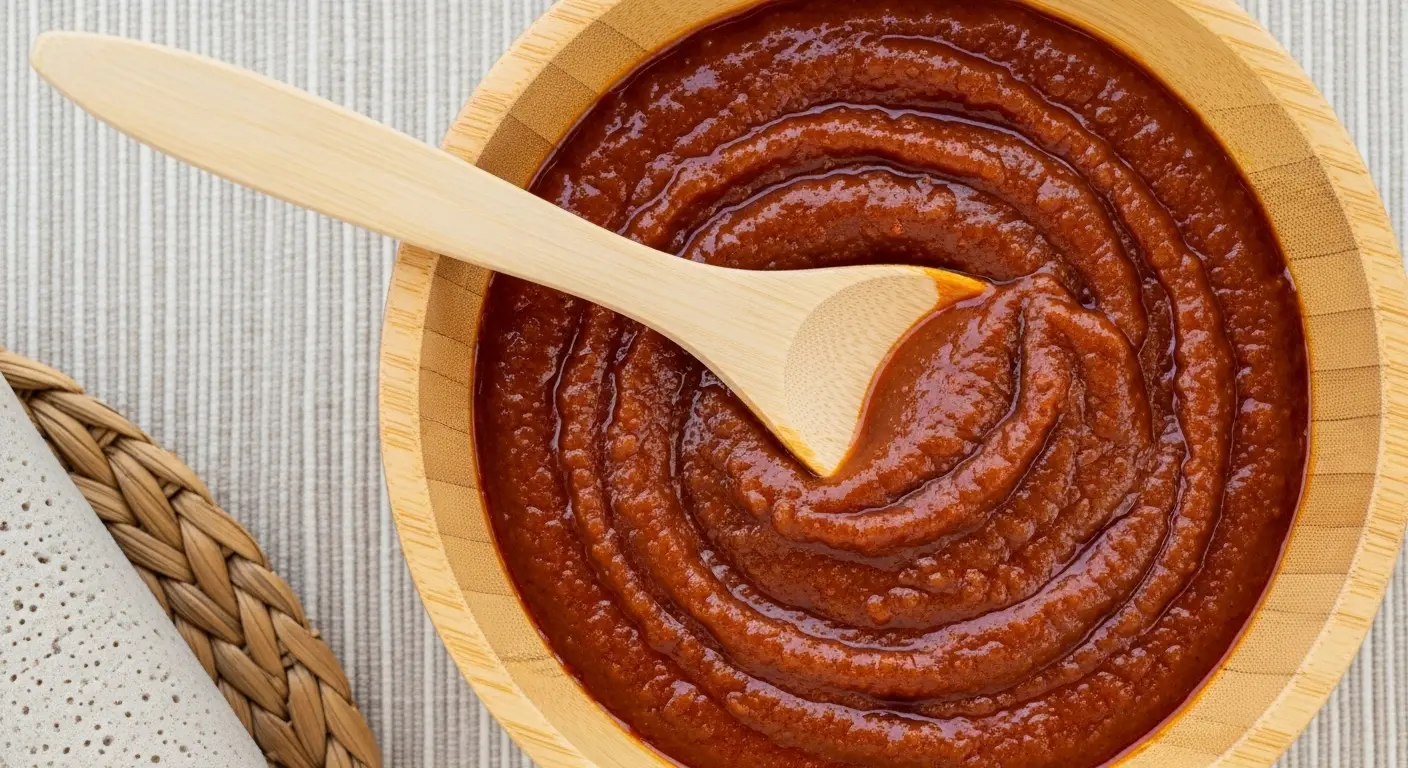
Making your own hoisin sauce recipe at home is simpler than you might think, and the results are absolutely worth it. This glossy, dark sauce is a staple in Asian cuisine, bringing together sweet, savory, and tangy notes that elevate everything from stir-fries to marinades.
Once you taste homemade hoisin, you’ll never go back to store-bought versions again. The freshness of the ingredients and the depth of flavor you can achieve right in your own kitchen is truly remarkable.
You might also enjoy: Easy Pad Thai Recipe
Why You’ll Love This Hoisin Sauce Recipe
This homemade hoisin sauce recipe delivers restaurant-quality results that put commercial versions to shame. The balance of umami-rich soybean paste, sweet molasses, and aromatic spices creates a sauce that’s incredibly versatile.
You’ll love how quickly this comes together—no special equipment or hard-to-find ingredients required. Once you’ve made it once, you’ll find yourself whipping up a batch regularly for all your favorite Asian-inspired dishes.
The sauce keeps for weeks in the refrigerator, so you can make it ahead and have it ready whenever inspiration strikes. Best of all, you control exactly how sweet, savory, or spicy you want it to be.
- Rich, complex flavor that enhances stir-fries, marinades, and dipping sauces
- Pantry-friendly ingredients you likely already have on hand
- Quick preparation taking just 15 minutes from start to finish
- Long shelf life storing beautifully in the fridge for up to 4 weeks
- Customizable to suit your personal taste preferences
- Cost-effective compared to premium store-bought brands
Ingredients
Making quality hoisin sauce requires just a handful of carefully selected ingredients, most of which are common pantry staples. Each component plays an important role in building the layered, complex flavor profile this sauce is known for.
- 1/2 cup soy sauce
- 1/4 cup unsalted peanut butter
- 3 tablespoons blackstrap molasses
- 2 tablespoons rice vinegar
- 1 tablespoon honey
- 2 teaspoons garlic powder
- 1 teaspoon ground ginger
- 1/2 teaspoon white pepper
- 1/4 teaspoon cayenne pepper
- 1 tablespoon sesame oil
- 1 teaspoon sriracha sauce (optional, for extra heat)
Kitchen Equipment Needed
You don’t need any fancy equipment to make homemade hoisin sauce, but having the right tools makes the process smooth and effortless. These basic items help you combine ingredients evenly and store your finished sauce properly.
- Small to medium-sized mixing bowl
- Whisk
- Measuring spoons and cups
- Small saucepan
- Wooden spoon or silicone spatula
- Glass mason jars for storage
Recommended Products for This Recipe
Based on my years of making hoisin sauce at home, I’ve found these products make a real difference in the final result. These aren’t just nice-to-haves—they genuinely improve your sauce-making experience.
1. San-J Tamari Reduced Sodium Soy Sauce
This premium soy sauce offers a cleaner, more refined flavor than standard options, and the reduced sodium allows you to control the saltiness of your hoisin more precisely. I use this exclusively in my sauce because it creates a smoother, more balanced end product that tastes closer to authentic Asian versions.
2. Le Creuset Enameled Cast Iron Saucepan
This gorgeous saucepan heats evenly and distributes flavor compounds beautifully when you’re warming your sauce ingredients. The enameled interior prevents sticking and makes cleanup incredibly easy, plus it looks beautiful enough to display on your stovetop.
3. OXO Glass Measuring Cup Set
Precise measurements matter when you’re balancing sweet, savory, and tangy flavors, and these measuring cups are crystal clear so you can see exactly what you’re measuring. The comfortable grip makes the whole process easier, and the markers are permanently printed so they never fade.
4. Wüsthof Silicone Spatula
This heat-resistant spatula scrapes every last bit of sauce from your pan without scratching it, and it’s sturdy enough to handle thick, viscous ingredients. The silicone won’t absorb flavors or odors, so it won’t interfere with your carefully balanced sauce.
5. Bormioli Rocco Glass Jar Set
These Italian glass jars seal airtight to keep your homemade hoisin fresh and prevent oxidation that can dull the flavor over time. They’re also beautiful enough to gift to friends and family who’ll be impressed by your homemade creation.
Step-by-Step Instructions
1. Gather and Prepare Your Ingredients
- Collect all your ingredients and arrange them on your counter where you can easily access them
- Read through the entire ingredient list so you’re not surprised by any measurements once you begin
- Ensure all dry spices are fresh and fragrant—old spices lose potency and won’t give you the best flavor
2. Combine Your Base Ingredients in a Mixing Bowl
- Pour the soy sauce into your mixing bowl first, as it serves as your flavor foundation
- Add the peanut butter directly to the soy sauce using a measuring spoon or a small spoon
- The peanut butter adds richness and helps bind all the flavors together into a cohesive sauce
3. Whisk Together the Wet Ingredients Thoroughly
- Use your whisk to combine the soy sauce and peanut butter, mixing vigorously for about 30 seconds
- Once you’ve started breaking down the peanut butter, the mixture will begin to look smoother and more unified
- Continue whisking until the peanut butter is completely dissolved and no lumps remain in the mixture
- Don’t be discouraged if it takes a minute or two—peanut butter can be stubborn at first
4. Add the Sweet Components
- Measure out the blackstrap molasses carefully, as it’s thick and can stick to measuring spoons
- Pour the molasses into your bowl slowly, incorporating it gradually with your whisk
- Add the honey next, whisking it in completely before adding any more ingredients
- The combination of molasses and honey creates the signature sweetness and body that defines hoisin sauce
5. Incorporate the Acidic Elements
- Pour in the rice vinegar, which provides the tangy brightness that balances the sauce’s richness
- Whisk vigorously to fully integrate the vinegar, which should take about 15-20 seconds of steady mixing
- Make sure the acid is evenly distributed, as this contributes to the sauce’s complex flavor profile
6. Add Your Dry Spices One at a Time
- Sprinkle the garlic powder over the mixture and whisk for 5 seconds to distribute it evenly
- Add the ground ginger next, whisking for another 5 seconds to prevent clumping
- Sprinkle the white pepper into the mixture and whisk to combine
- Add the cayenne pepper last if you’re including it, whisking thoroughly to ensure even heat distribution
- Taking your time with this step prevents pockets of concentrated spice flavor
7. Finish with the Aromatic Oils
- Drizzle the sesame oil over the top of your sauce mixture
- Whisk the sesame oil in using circular motions, incorporating it gradually so it distributes evenly
- If you’re using sriracha sauce for extra heat, add it now and whisk to combine completely
- The oils add a final layer of flavor complexity and richness to your finished sauce
8. Taste and Adjust to Your Preferences
- Take a small spoon and taste a tiny amount of your sauce on the back of your spoon
- Does it taste too sweet? Add another teaspoon of rice vinegar or a pinch of white pepper
- Does it taste too salty? Add half a teaspoon of honey to balance it out
- Is the heat level right for you? Adjust with more or less cayenne pepper as needed
- Remember that flavors can intensify slightly as the sauce sits, so don’t over-correct
9. Transfer to Storage Containers
- If you plan to use the sauce immediately, simply transfer it to a small bowl using your silicone spatula
- For longer storage, carefully pour the sauce into clean glass jars, leaving about half an inch of headspace
- Use your spatula to get every bit of sauce from the bowl into your storage container
- Wipe the rim of the jar clean before sealing to ensure an airtight seal
Tips for Success
Making perfect hoisin sauce every time requires attention to a few key details. These tips come from repeated batches and real-world testing in home kitchens.
- Use quality soy sauce as your base—it truly makes a difference in the final product’s depth
- Don’t overheat the sauce if you choose to warm it; high temperatures can cause flavors to become muddled
- Mix thoroughly when combining wet and dry ingredients to avoid pockets of concentrated spice
- Taste as you go because everyone’s preferences for sweet, savory, and spicy differ
- Let the sauce rest for 24 hours before using it for the first time; flavors meld and deepen overnight
- Stir before using each time, as natural separation can occur during storage
You might also enjoy making Easy Mongolian Beef Recipe to use with your homemade hoisin sauce.
Serving Suggestions
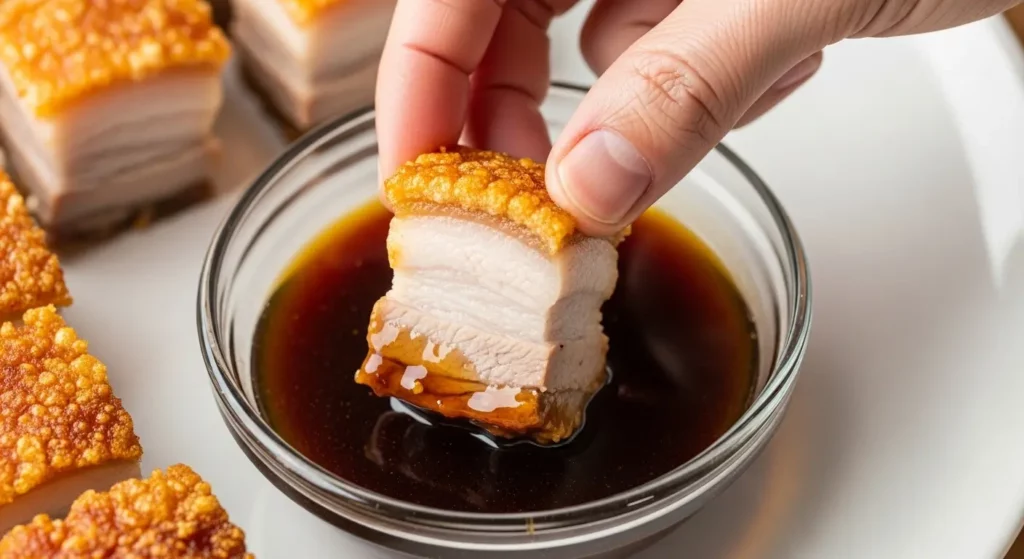
Your homemade hoisin sauce is incredibly versatile and works beautifully in dozens of dishes and applications. Here are some of my favorite ways to use it.
- As a dipping sauce for spring rolls, egg rolls, or dumplings with a small dish of chili oil on the side
- Brushed on ribs during the last few minutes of grilling or baking for a glossy, flavorful finish
- Mixed into stir-fries with vegetables and protein for depth and richness
- As a base for marinades for chicken, pork, or beef before grilling or roasting
- Drizzled on roasted vegetables like Brussels sprouts or broccoli for an Asian-inspired side dish
- Swirled into cream cheese for an incredible appetizer dip with crackers or vegetable crudités
- Mixed with mayo to create a delicious sandwich spread that works perfectly with grilled chicken
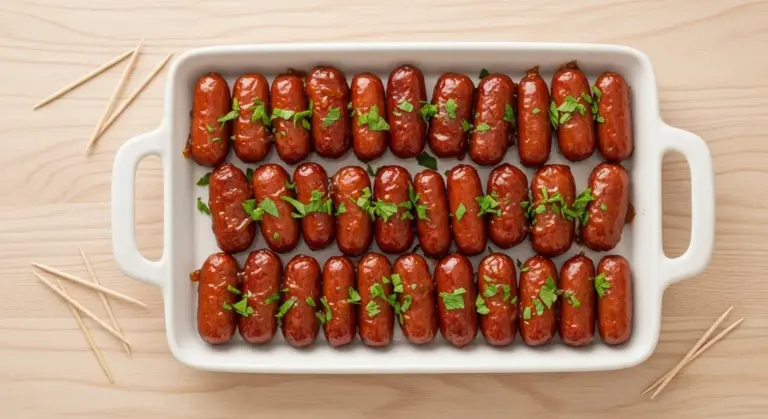
- Glazed on meatballs for an easy appetizer or main dish component
This pairs beautifully with Easy Fried Chicken Recipe for an Asian-inspired twist on a classic comfort food.
Variations to Try
Once you’ve mastered the basic recipe, these creative variations let you customize your hoisin sauce to match specific dishes or dietary preferences. Each variation maintains the core essence while adding unique twists.
- Spicy version by adding 1-2 teaspoons of sriracha or sambal oelek for serious heat lovers
- Garlic-forward blend by doubling the garlic powder or adding 1 tablespoon of minced fresh garlic
- Ginger-heavy sauce by replacing ground ginger with 1 tablespoon of fresh grated ginger for brightness
- Vegan version by replacing honey with agave syrup or additional molasses for a plant-based option
- Five-spice blend by adding 1/2 teaspoon of Chinese five-spice powder for additional complexity
- Peanut-free option by replacing peanut butter with tahini for those with allergies or preferences
- Coffee-spiked sauce by adding 1/2 teaspoon of instant espresso powder for depth and richness
Read Also: Easy Pad Thai Recipe
Storage and Reheating
Proper storage ensures your homemade hoisin sauce stays fresh and delicious for as long as possible. These guidelines help you maintain quality and prevent spoilage.
- Refrigerator storage keeps your sauce fresh for up to 4 weeks in a sealed glass container
- Freezer storage extends the life to 3 months; portion into ice cube trays for easy thawing
- No reheating necessary as the sauce is ready to use straight from the fridge or freezer
- Thaw frozen portions by moving them to the refrigerator the night before you need them
- Stir thoroughly before each use, as natural separation of ingredients can occur over time
- Check for signs of spoilage like unusual colors, off-smells, or mold before using
You might also enjoy: Classic Shrimp Scampi Recipe
Nutritional Facts
Each serving of homemade hoisin sauce provides important nutritional information to help you make informed dietary choices. These values are based on a 2-tablespoon serving size.
- Calories: 80-90 per 2-tablespoon serving
- Total Fat: 4-5 grams
- Saturated Fat: 1 gram
- Trans Fat: 0 grams
- Cholesterol: 0 milligrams
- Sodium: 800-850 milligrams
- Total Carbohydrates: 8-10 grams
- Dietary Fiber: 0 grams
- Total Sugars: 6-7 grams
- Protein: 2-3 grams
Health Benefits of Key Ingredients
The ingredients in your homemade hoisin sauce offer more than just flavor—they provide genuine nutritional and health benefits. Understanding what each component brings to the table helps you appreciate your creation even more.
Soy sauce delivers isoflavones and antioxidants that support heart health and may help reduce inflammation throughout your body. The fermentation process also creates beneficial probiotics that aid digestion.
Peanut butter contributes healthy monounsaturated fats that support brain function and cardiovascular health, plus it provides protein to keep you satisfied. It also contains resveratrol, an antioxidant with potential anti-aging properties.
Garlic and ginger work together as anti-inflammatory powerhouses, helping reduce joint pain and promoting better circulation. Both have been used in traditional medicine for thousands of years to support immune function.
Sesame oil provides lignans and vitamin E, powerful antioxidants that protect your cells from damage and support skin health. The nutty flavor also indicates the presence of beneficial compounds that contribute to overall wellness.
- Antioxidant-rich from soy sauce, sesame oil, and ginger for cellular protection
- Anti-inflammatory properties from garlic and ginger support joint and digestive health
- Heart-healthy fats from peanut butter and sesame oil support cardiovascular function
- Aids digestion through fermented soy and aromatic spices that promote healthy gut function
- Energy-boosting ingredients combine to support sustained energy levels throughout the day
- Immune-supporting compounds from garlic and ginger help you stay healthy year-round
Frequently Asked Questions
1. Can I make hoisin sauce without peanut butter?
Absolutely! Tahini or sunflower seed butter work wonderfully as substitutes and create a slightly different flavor profile. Tahini gives you a more authentic taste closer to traditional Asian hoisin, while sunflower seed butter offers a milder, less nutty flavor. Use the same measurement as you would peanut butter.
2. How long does homemade hoisin sauce last?
Your homemade sauce keeps beautifully in the refrigerator for 3-4 weeks when stored in an airtight glass container. For longer storage, you can freeze it in ice cube trays for up to 3 months, allowing you to thaw exactly what you need.
3. Is this sauce gluten-free?
It depends on your soy sauce choice—traditional soy sauce contains wheat, but tamari and coconut aminos are naturally gluten-free alternatives. Simply swap out your soy sauce and verify that all your other ingredients are certified gluten-free for a fully GF version.
4. Can I use this sauce as a substitute for store-bought hoisin?
Yes, absolutely! This homemade version works as a direct replacement in any recipe calling for hoisin sauce. Since homemade sauce can be customized to your taste preferences, you might even prefer it to commercial versions in your favorite dishes.
5. What’s the best way to use leftover hoisin sauce?
Leftover sauce is fantastic for marinades, stir-fries, glazes, dipping sauces, and spreading on sandwiches or wraps. You can also thin it with a bit of water to create a lighter sauce for noodle dishes, or mix it with mayo for a delicious sandwich spread.
Final Thoughts
Making your own hoisin sauce recipe at home opens up a world of culinary possibilities while giving you complete control over every ingredient that goes into it. You’ll be amazed at how simple the process is and how much better homemade tastes compared to commercial versions.
I encourage you to make a batch this week and experience the difference that fresh, high-quality ingredients make in your cooking. Share your creations in the comments below—I’d love to hear how you use your homemade hoisin sauce and what variations you try!
Recommended:
- Easy Pad Thai Recipe
- Easy Mongolian Beef Recipe
- Classic Shrimp Scampi Recipe
- Easy Fried Chicken Recipe
- Carne Asada Tacos Recipe
- Cheesy Garlic Bread Recipe
- Easy Garlic Bread Recipe
- Easy Pepper Steak Recipe
- Authentic Philly Cheese Steak Recipe
- Easy Tomato Soup Recipe