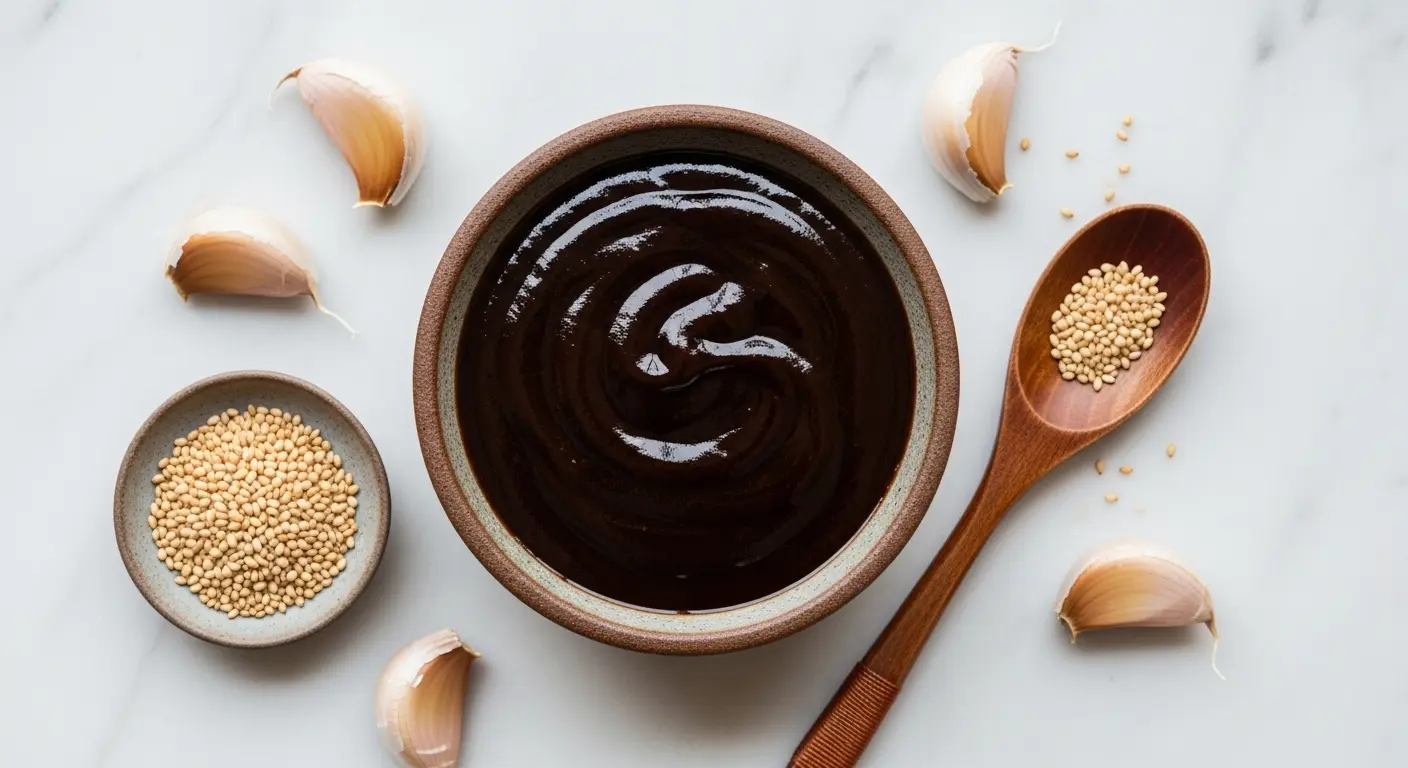
If you’ve ever run out of hoisin sauce mid-recipe and panicked, this homemade hoisin sauce recipe is about to become your new best friend. Rich, sweet, savory, and layered with umami depth, this sauce comes together in about 10 minutes using pantry staples you likely already have on hand.
Hoisin sauce is one of those condiments that quietly transforms everything it touches. It’s the secret behind glossy stir-fries, perfectly lacquered meats, and those irresistible dipping sauces you get alongside spring rolls at your favorite Asian restaurant.
Store-bought versions get the job done in a pinch, but they often taste flat, overly sweet, or loaded with preservatives and sodium. Making it at home lets you control every single ingredient, dial up the garlic, balance the sweetness, and get a fresher, more complex flavor that outperforms anything in a bottle.
This recipe uses a base of soy sauce and peanut butter (the most accessible version widely popular in home kitchens), rounded out with honey, rice vinegar, sesame oil, garlic, ginger, Chinese five spice, and a touch of miso paste for that fermented, umami backbone that commercial hoisin gets from fermented soybean paste.
The result is a thick, glossy sauce that works as a glaze, a marinade, a dipping sauce, or a flavor booster in noodle dishes.
If you enjoy making your own condiments at home, you’ll also love this Teriyaki Sauce Recipe that pairs just as beautifully with Asian-inspired meals.
Why You’ll Love This Hoisin Sauce Recipe
Making your own hoisin sauce at home is genuinely one of the most rewarding kitchen projects you can tackle.
It takes less time than a trip to the grocery store, costs a fraction of the bottle, and the flavor is incomparably better.
Here’s why this recipe stands out:
- Ready in under 10 minutes. No cooking required. Just whisk everything together and you’re done.
- Pantry-friendly ingredients. Soy sauce, peanut butter, honey, and vinegar are probably already in your kitchen.
- Customizable heat level. Add more sriracha or gochujang for a spicy kick, or leave it mild and sweet.
- No artificial preservatives. You know exactly what goes into it, making it a healthier choice.
- Incredibly versatile. Use it as a dipping sauce, stir-fry base, marinade, glaze, or noodle sauce.
- Better flavor than store-bought. The fresh garlic and ginger elevate it in ways that bottled sauces just can’t match.
- Great for meal prep. One batch lasts up to two weeks in the fridge, ready to use whenever you need it.
You might also enjoy: Stir Fry Sauce Recipe
Ingredients
Making this hoisin sauce requires just a handful of simple ingredients that work together to create that signature sweet, salty, and deeply savory flavor. Soy sauce forms the salty, umami base, while peanut butter adds creaminess and body. Honey balances the saltiness with natural sweetness, and rice vinegar cuts through the richness with a gentle tang. Sesame oil adds a distinct nuttiness, and miso paste mimics the fermented depth of traditional hoisin made from soybean paste. Chinese five spice is the aromatic secret weapon, adding warmth and complexity. Fresh garlic and ginger round everything out with brightness and punch.
- 4 tablespoons (60ml) soy sauce (low sodium preferred)
- 2 tablespoons (30g) creamy peanut butter (natural, unsweetened)
- 1 tablespoon (21g) honey (or maple syrup for vegan option)
- 1 tablespoon (15ml) rice vinegar
- 1 teaspoon (5ml) toasted sesame oil
- 1 teaspoon (5g) white miso paste (or red miso for stronger flavor)
- 1/2 teaspoon Chinese five spice powder
- 2 cloves garlic, finely minced (or 1/2 teaspoon garlic powder)
- 1/2 teaspoon freshly grated ginger (or 1/4 teaspoon ground ginger)
- 1 teaspoon sriracha or gochujang (optional, for heat)
- 1 teaspoon cornstarch + 2 tablespoons (30ml) water (optional, for thickening)
- Pinch of black pepper
Yields: Approximately 1/2 cup (120ml) | Prep Time: 5 minutes | Cook Time: 3-5 minutes (optional, if thickening) | Total Time: 10 minutes
This recipe also works beautifully as a base for dishes like Chicken Lettuce Wraps — one of the most popular uses for homemade hoisin sauce.
Kitchen Equipment Needed
You don’t need anything fancy to make this sauce. The beauty of a whisked condiment is how few tools are involved. That said, having the right equipment makes the process even smoother and ensures your sauce comes together without any lumps.
- Small mixing bowl
- Whisk or fork
- Microplane or fine grater (for fresh ginger and garlic)
- Measuring spoons and measuring cups
- Glass jar with lid (for storage)
- Small saucepan (optional, only if heating/thickening the sauce)
- Silicone spatula or wooden spoon (if using saucepan)
Read Also: Easy Orange Chicken Recipe
Recommended Products for This Recipe
These are products I genuinely recommend based on quality and performance. They’ll help you get the best possible results every time you make this sauce.
1. Kikkoman Less Sodium Soy Sauce
Using a quality soy sauce makes a noticeable difference in the depth of flavor of your hoisin. Kikkoman’s low-sodium version gives you all the umami richness without making the sauce too salty, which is especially important since you’re combining it with miso and peanut butter, both of which also carry saltiness.
2. Toasted Sesame Oil (Premium Quality)
Not all sesame oils are created equal. A high-quality toasted sesame oil has a deep, roasty aroma that adds an authentic Asian flavor profile that lighter or untoasted versions simply can’t replicate. Just a teaspoon of the good stuff makes an enormous difference in the final sauce.
3. White Miso Paste
Miso paste is the ingredient that gives this homemade hoisin its fermented, umami depth closest to the traditional version made with fermented soybean paste. White miso has a mild, slightly sweet flavor that blends seamlessly into the sauce without overpowering everything else.
4. Chinese Five Spice Powder (Authentic Blend)
This spice blend is the heart of hoisin’s distinctive warmth and complexity. Look for an authentic blend that includes star anise, cinnamon, cloves, fennel seeds, and Sichuan pepper rather than generic blends that often taste one-dimensional.
5. OXO Good Grips Whisk
A quality whisk ensures the peanut butter blends smoothly into the other ingredients without leaving any clumps. A good balloon whisk also incorporates the miso paste effortlessly, giving you a silky-smooth, restaurant-quality sauce every time.
Another favorite: Peanut Sauce Recipe
Step-by-Step Instructions
Step 1: Prepare Your Aromatics
- Peel 2 cloves of fresh garlic and mince them as finely as possible. The smaller they are, the better they’ll blend into the sauce without leaving any raw, harsh pieces. If you have a microplane, use it here.
- Using the same microplane or a fine grater, grate approximately 1/2 teaspoon of fresh ginger. Peel back a small section of the ginger root and grate directly over your work surface. Fresh ginger has a brightness that ground ginger simply can’t replicate.
- Measure out all remaining ingredients before you begin mixing. This makes the process faster and prevents you from forgetting anything.
Step 2: Combine the Base Ingredients
- Add 4 tablespoons (60ml) of soy sauce to a small mixing bowl. This is the salty, savory backbone of your hoisin sauce.
- Add 2 tablespoons (30g) of creamy natural peanut butter directly to the soy sauce. Natural peanut butter (the kind where the oil separates) blends more smoothly and doesn’t add unwanted sweetness or artificial emulsifiers.
- Add 1 tablespoon (21g) of honey. This provides the characteristic sweetness of hoisin and also helps give the sauce its glossy, slightly sticky texture.
- Pour in 1 tablespoon (15ml) of rice vinegar. This is where the subtle tang comes from, balancing the sweetness and richness.
- Add 1 teaspoon (5ml) of toasted sesame oil. Just a small amount adds a beautiful nuttiness and aroma.
Step 3: Add the Flavor Boosters
- Scoop out 1 teaspoon of white miso paste and add it to the bowl. Miso is the secret ingredient that gives this sauce its fermented, umami depth, mimicking the complexity of traditional hoisin made from fermented soybeans. It may look like a small amount, but it punches well above its weight.
- Add 1/2 teaspoon of Chinese five spice powder. This warm, aromatic spice blend adds the signature flavor that makes hoisin taste unmistakably Chinese.
- Add the minced garlic and grated ginger you prepared in Step 1.
- If you want a spicy version, add 1 teaspoon of sriracha or gochujang. Gochujang in particular adds both heat and a hint of fermented funkiness that deepens the sauce beautifully. Start with a small amount and add more to taste.
- Add a pinch of black pepper for a subtle background heat.
Step 4: Whisk Until Completely Smooth
- Using a whisk or a sturdy fork, begin mixing all the ingredients together vigorously. The peanut butter will resist at first but keep going. Within 30 to 60 seconds of consistent whisking, it should fully incorporate into the soy sauce and the mixture should look smooth and glossy.
- Look for any lumps of miso paste or peanut butter that haven’t fully blended. Break them up against the side of the bowl and continue whisking until the sauce is completely smooth with no lumps remaining.
- Taste the sauce at this point. If it needs more sweetness, add a touch more honey. If it needs more tang, add a few extra drops of rice vinegar. If the saltiness needs balancing, a small extra squeeze of honey usually does the trick.
Step 5: Optional Heating and Thickening
- If you prefer a thicker consistency closer to store-bought hoisin, you can heat the sauce. Pour it into a small saucepan over medium-low heat.
- In a separate small bowl, whisk together 1 teaspoon of cornstarch with 2 tablespoons (30ml) of cold water until the cornstarch is fully dissolved and the mixture looks like a milky liquid. Make sure there are no dry lumps before adding it to the sauce.
- While stirring the sauce in the saucepan, pour in the cornstarch slurry. Stir continuously as the sauce heats up, about 1 to 2 minutes.
- You will notice the sauce thicken and become glossier as it heats. Once it reaches your desired consistency, remove from heat immediately. Over-thickening can make it gummy.
- Allow the sauce to cool for 5 minutes before tasting. Heat intensifies flavors, so adjustments are easier to gauge once it cools slightly.
Step 6: Store or Serve Immediately
- If using immediately, transfer the sauce to a small serving bowl or ramekin. It’s ready to use right away as a dip, glaze, or stir-fry sauce.
- For storage, use a funnel or spoon to carefully pour the sauce into a clean glass jar with a tight-fitting lid. Mason jars work perfectly and create an airtight seal.
- Label the jar with the date so you know when it was made.
- Refrigerate for up to two weeks. Always stir or shake before using, as the sesame oil may separate slightly on top during storage.
This sauce is especially perfect when used in the Bourbon Chicken Recipe for an irresistible Asian-inspired glaze.
Tips for Success
Making hoisin sauce at home is straightforward, but a few smart tips will help you get the most out of this recipe every time. Small adjustments can mean the difference between a sauce that’s just okay and one that’s absolutely restaurant-worthy.
- Use natural peanut butter, not the sweetened kind. Conventional peanut butter adds extra sugar and can make the sauce overly sweet. Natural peanut butter blends better and gives a more balanced, savory result.
- Don’t skip the miso paste. This is what gives the sauce its fermented depth and umami complexity. Even a small teaspoon makes a noticeable difference in flavor.
- Whisk in one direction only. Consistent circular whisking helps emulsify the peanut butter more efficiently than back-and-forth stirring.
- Adjust thickness to your use case. If you’re using it as a dipping sauce, a thicker consistency is ideal. For a stir-fry or marinade, a thinner version coats ingredients more evenly. Add water a teaspoon at a time to thin it out, or use the cornstarch slurry to thicken.
- Make a double batch. This sauce keeps well for two weeks, so doubling the recipe means you’ll have it on hand for everything from weeknight stir-fries to last-minute marinades.
- Taste as you go. Every brand of soy sauce and peanut butter varies in salt and sweetness. Always taste before storing and adjust accordingly.
- Let it rest for 10 minutes before using. Resting allows all the flavors to meld together and the garlic and ginger to fully bloom into the sauce.
Read Also: Easy Pad Thai Recipe
Serving Suggestions
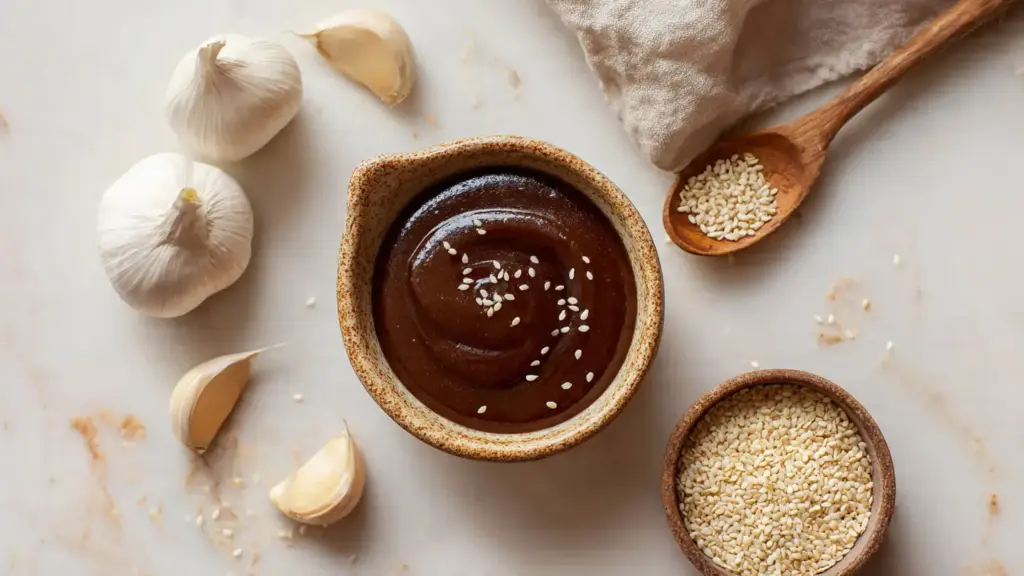
Hoisin sauce is one of the most versatile condiments in any kitchen, with applications that go way beyond just Peking duck pancakes. This rich, deeply savory sauce can transform everyday dishes into something craveable, and it plays well with everything from crispy egg rolls to grilled salmon. Here are some of the best ways to put your homemade batch to work:
- As a dipping sauce for Air Fryer Egg Rolls, spring rolls, and dumplings.
- As a glaze for roasted chicken thighs, pork tenderloin, or salmon in the last 10 minutes of cooking.
- Tossed with noodles for a quick, flavorful noodle bowl. Add a drizzle of chili oil and sliced scallions for a 5-minute dinner.
- Swirled into fried rice to add color and depth. It works especially well with egg fried rice and vegetable stir-fries.
- Spread inside lettuce wraps alongside ground chicken or pork with water chestnuts and scallions.
- As a marinade for chicken, tofu, beef, or shrimp. Let proteins soak in the sauce for 30 minutes to 2 hours for the best flavor penetration.
- Mixed into a dipping sauce for Peking duck by thinning slightly with water and serving alongside sliced duck and thin pancakes.
- Drizzled over bibimbap or grain bowls for an Asian-inspired finish.
Variations to Try
Once you master the base recipe, it’s easy to tweak the flavor profile to match different dishes and preferences. Hoisin sauce is forgiving and adaptable, making it a great canvas for experimentation.
- Spicy Hoisin: Double the sriracha or add a teaspoon of sambal oelek for a sauce with serious heat that works especially well as a wing glaze.
- Vegan Hoisin: Swap honey for maple syrup or agave nectar. The sauce remains thick, glossy, and just as flavorful.
- Gluten-Free Hoisin: Replace soy sauce with tamari, which is naturally gluten-free and has a similar depth of flavor. Verify your miso paste is gluten-free as well.
- Nut-Free Hoisin: Substitute peanut butter with tahini (sesame paste) or sunflower seed butter. Tahini adds a pleasant sesame note that actually complements the sesame oil beautifully.
- Deeper, Smokier Version: Add a teaspoon of dark soy sauce or a tiny pinch of smoked paprika to add a richer color and smoky undertone.
- Citrus-Bright Hoisin: Add 1 teaspoon of fresh orange zest and a squeeze of lime juice for a bright, citrusy twist that pairs especially well with seafood.
- Molasses Version: Replace honey with an equal amount of blackstrap molasses for a darker, more robustly flavored sauce similar to some traditional recipes.
This sauce also complements dishes like Easy Mongolian Beef perfectly when used as a flavor base.
Storage and Reheating
One of the best things about this hoisin sauce is how well it stores, making it ideal for batch cooking and meal prep throughout the week. Proper storage keeps the flavor fresh and the texture perfect every time you reach for it.
- Refrigerator storage: Transfer the sauce to a clean, airtight glass jar and refrigerate for up to 2 weeks. Glass is preferred over plastic because it doesn’t absorb odors and keeps the sauce at consistent temperature.
- Freezer storage: Pour the sauce into an ice cube tray and freeze until solid, then transfer the cubes to a zip-top freezer bag. Frozen hoisin keeps for up to 3 months. Each cube is about 1 tablespoon, making it easy to grab just what you need.
- Thawing from frozen: Move a cube or two from the freezer to the refrigerator the night before you need it. Alternatively, thaw at room temperature for about 20 minutes.
- Reheating: For a warm glaze, spoon the desired amount into a small saucepan over low heat. Stir gently until warmed through, about 1 to 2 minutes. Do not boil, as this can break the emulsion and separate the sesame oil.
- Consistency after storage: The sauce may thicken in the fridge due to the cold temperature. Stir well or let it sit at room temperature for a few minutes before using. If it’s too thick, whisk in a teaspoon of water.
Read Also: Chicken and Broccoli Recipe
Nutritional Facts
The following nutritional information is an estimate based on one serving (approximately 1 tablespoon / 15ml) of the basic recipe without the optional cornstarch.
| Nutrient | Per Serving (1 tbsp) |
|---|---|
| Calories | 48 kcal |
| Total Fat | 2.8g |
| Saturated Fat | 0.5g |
| Unsaturated Fat | 2.3g |
| Carbohydrates | 4.5g |
| Sugars | 3.2g |
| Protein | 1.8g |
| Sodium | 320mg |
| Fiber | 0.3g |
Note: Nutritional values will vary based on specific brands used and any ingredient substitutions. This sauce is moderately high in sodium due to the soy sauce, so those watching their sodium intake can use low-sodium soy sauce to reduce this significantly.
This sauce is a flavorful addition to dishes like this Easy Fried Rice Recipe without adding many calories.
Health Benefits of Key Ingredients
Beyond its outstanding flavor, this homemade hoisin sauce contains a number of ingredients that bring genuine nutritional benefits to the table. While it’s a condiment used in small quantities, every ingredient works hard to earn its place.
Here’s a breakdown of the health-boosting properties of the key components:
- Garlic: Known for its antibacterial and antiviral properties, garlic contains allicin, a sulfur compound linked to immune support and reduced inflammation. Regular consumption has also been associated with improved cardiovascular health.
- Ginger: Fresh ginger contains gingerol, a bioactive compound with powerful anti-inflammatory and antioxidant effects. It’s commonly used to aid digestion, reduce nausea, and support immune function.
- Miso paste: A fermented food rich in probiotics that support gut health. It also contains essential minerals including zinc, manganese, and copper, along with B vitamins and a range of antioxidants.
- Peanut butter: A good source of plant-based protein, healthy monounsaturated fats, magnesium, and vitamin E. When using natural peanut butter without added sugar, it contributes nutritional value without empty calories.
- Sesame oil: Rich in antioxidants like sesamol and sesamin, toasted sesame oil also provides heart-healthy unsaturated fats and has been linked to anti-inflammatory benefits in several studies.
- Soy sauce: Contains some protein and trace minerals. Using a low-sodium version significantly reduces the salt load while retaining the umami depth.
- Honey: A natural sweetener that contains trace antioxidants and has mild antibacterial properties. It also provides a lower glycemic impact compared to refined white sugar when used in small amounts.
This condiment also pairs well with warming dishes like Udon Noodle Soup for a rich, Asian-inspired meal.
Frequently Asked Questions
1. What does hoisin sauce taste like?
Hoisin sauce has a complex, layered flavor that’s sweet, salty, savory, and slightly tangy all at once.
Many people describe it as similar to American-style barbecue sauce, but with a deeper, more aromatic quality. The garlic, five spice, and fermented soybean notes set it apart from anything you’d find on a cookout spread.
2. Can I make this sauce without peanut butter?
Yes, absolutely. Peanut butter is the most accessible substitute for traditional fermented soybean paste, but it isn’t the only option.
Tahini (sesame paste) works beautifully and actually adds a complementary sesame flavor. Sunflower seed butter is a great nut-free alternative, and almond butter also works well in a pinch.
3. How long does homemade hoisin sauce last in the fridge?
Stored in an airtight glass jar, homemade hoisin sauce keeps well in the refrigerator for up to 2 weeks.
If you want it to last longer, you can freeze it in small portions using an ice cube tray for up to 3 months. Thaw individual cubes as needed.
4. Is hoisin sauce gluten-free?
Traditional hoisin sauce and most store-bought versions are not gluten-free, as they typically contain wheat-based soy sauce.
This homemade recipe can easily be made gluten-free by swapping regular soy sauce for tamari. Just also check that your miso paste is gluten-free, as some brands use barley in their fermentation process.
5. What can I use hoisin sauce for besides dipping?
Hoisin sauce is incredibly versatile. It’s excellent as a stir-fry base, a marinade for chicken, pork, beef, or tofu, a glaze for roasted meats, a spread on lettuce wraps or Peking duck pancakes, and even as a flavor booster in noodle soups and rice bowls.
A little goes a long way, and just 1 to 2 tablespoons can completely transform a dish.
Read Also: Bang Bang Sauce Recipe
Final Thoughts
Making your own hoisin sauce at home is one of those simple kitchen projects that delivers outsized rewards. A few pantry ingredients, 10 minutes, and a good whisk are all it takes to have a sauce that genuinely outperforms anything you can buy.
Once you taste the difference, the store-bought version will feel like a downgrade.
This hoisin sauce recipe is flexible, forgiving, and endlessly useful, and I hope it becomes a regular fixture in your kitchen. Go ahead and make a batch this week and see how many ways you can use it.
If you try it, I’d love to hear what you paired it with! Drop a comment below or share a photo and tag us. Seeing your creations truly makes my day.
Recommended:
- Teriyaki Sauce Recipe
- Worcestershire Sauce Recipe
- BBQ Sauce Recipe
- Sunshine Sauce Recipe
- Comeback Sauce Recipe
- Panda Express Orange Chicken Recipe
- Air Fryer Beef and Broccoli Recipe
- Chicken Fried Rice Recipe
- Bibimbap Recipe
- Congee Recipe