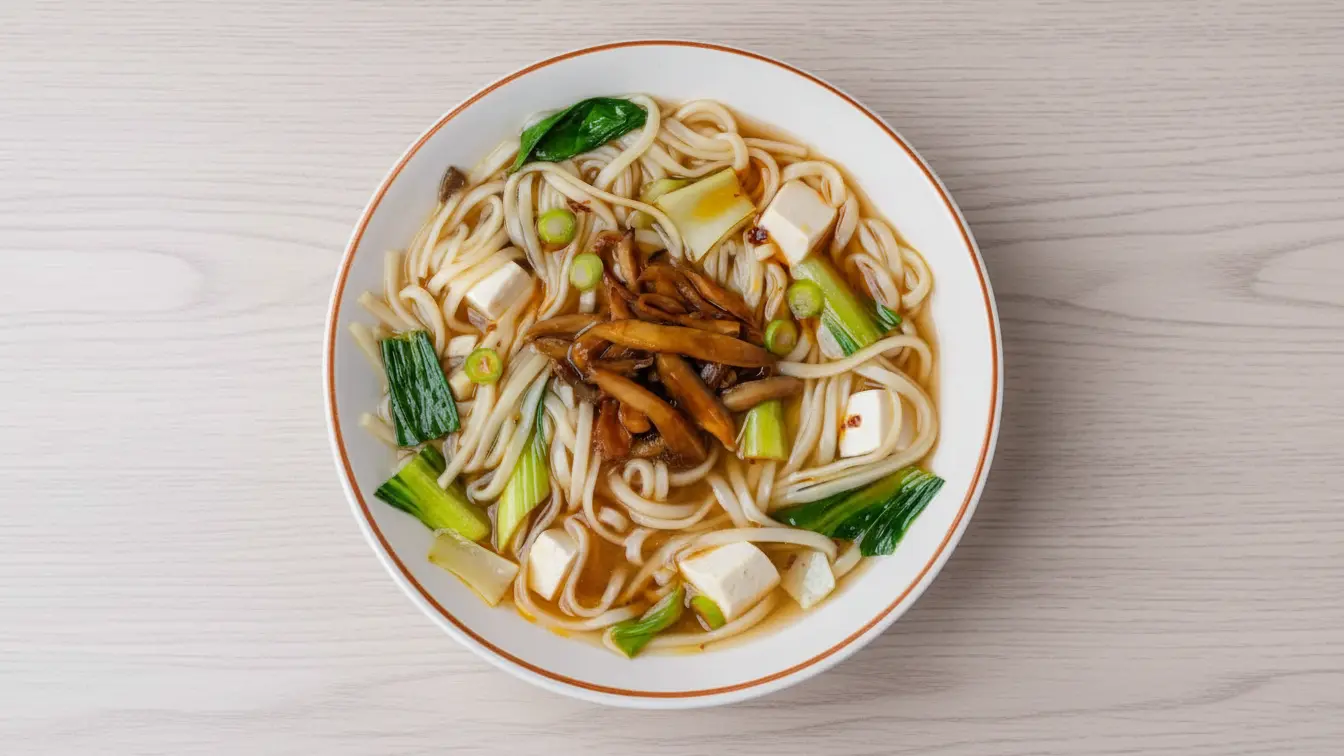
I can still taste the first bowl of udon noodle soup I made at home—thick, chewy noodles swimming in a savory broth that tasted like a warm hug after a long day. I’d been craving it ever since visiting a tiny ramen shop in my neighborhood, but delivery fees were adding up, and I figured, why not try making it myself?
Turns out, making udon noodle soup at home is way easier than I expected. You don’t need a culinary degree or hours of prep time—just a few simple ingredients and about 30 minutes from start to finish.
The best part? You can customize it however you like. Toss in whatever vegetables you have in the fridge, add an egg for extra richness, or keep it simple with just the noodles and broth.
This recipe has become my go-to comfort meal when I’m feeling under the weather, stressed out, or just need something warm and satisfying. My family requests it at least once a week now, and honestly, I never get tired of it.
Why You’ll Love This Udon Noodle Soup Recipe
This soup hits all the right notes—it’s comforting, nourishing, and incredibly satisfying without being heavy. The thick, chewy udon noodles have this perfect texture that soaks up the savory broth beautifully, while the toppings add layers of flavor and interest to every bite.
It’s also ridiculously versatile. You can make it vegetarian, load it up with protein, or keep it light and simple depending on your mood and what you have on hand.
Here’s what makes this recipe a winner:
- Quick and easy: Ready in under 30 minutes, perfect for busy weeknights
- Minimal ingredients: Uses pantry staples and simple, accessible ingredients
- Customizable: Easily adapt to dietary preferences or whatever you have in the fridge
- Budget-friendly: Costs a fraction of takeout but tastes just as good
- Comforting and nourishing: The ultimate feel-good meal that’s actually good for you
- Beginner-friendly: Simple enough for cooking novices but impressive enough to serve guests
My Chicken Rice Soup Recipe has a similar comforting quality, but there’s something special about those thick udon noodles that makes this soup stand out.
Ingredients
This recipe uses simple, straightforward ingredients that create an incredibly flavorful broth. You can find most of these at your local grocery store, though you might need to visit an Asian market for the fresh udon noodles.
The key to great udon soup is building layers of flavor in the broth, so don’t skip the umami-rich ingredients like soy sauce and mirin.
For the broth:
- 6 cups dashi stock (or chicken/vegetable broth)
- 3 tablespoons soy sauce
- 2 tablespoons mirin
- 1 tablespoon sake (optional)
- 1 teaspoon sugar
- 1 teaspoon salt (adjust to taste)
For the soup:
- 14 oz fresh or frozen udon noodles
- 2 green onions, sliced
- 1 cup baby spinach or bok choy
- 4 oz sliced mushrooms (shiitake or button)
- 2 soft-boiled eggs (optional)
- 1 sheet nori, cut into strips (optional)
- Sesame seeds for garnish
- Toasted sesame oil for drizzling
Kitchen Equipment Needed
You don’t need fancy equipment to make this soup—just a few basic kitchen tools that you probably already have. The most important thing is having a large pot that can comfortably hold all the broth and noodles.
Having the right equipment makes the cooking process smoother and more enjoyable, especially when you’re juggling multiple components.
- Large soup pot or Dutch oven (at least 6-quart capacity)
- Medium saucepan for soft-boiling eggs
- Sharp knife and cutting board
- Measuring cups and spoons
- Ladle for serving
- Colander or strainer
- Slotted spoon
- Serving bowls
Recommended Products for This Recipe
I’ve tested this recipe countless times, and these are the products that have genuinely made a difference in how it turns out. Quality ingredients and the right tools can elevate your udon soup from good to restaurant-quality.
1. Shimaya Bonito Dashi Stock
This instant dashi makes such a difference in the depth of flavor compared to regular broth. It has that authentic umami taste that’s the foundation of great Japanese soups, and it dissolves instantly so you don’t have to spend time making stock from scratch.
2. Fresh Frozen Udon Noodles
Fresh or frozen udon noodles have that perfect chewy texture that dried noodles just can’t match. They cook in just a few minutes and hold up beautifully in hot broth without getting mushy.
3. Eden Mirin Rice Cooking Wine
Real mirin adds a subtle sweetness and complexity to the broth that sugar alone can’t replicate. This brand is authentic and doesn’t have added corn syrup or weird ingredients like some cheaper versions.
4. Le Creuset Dutch Oven
While any large pot will work, a quality Dutch oven distributes heat evenly and keeps the broth at the perfect temperature. Mine has lasted for years and I use it for everything from soups to braises.
Step-by-Step Instructions
Making udon noodle soup is straightforward, but following these detailed steps will ensure you get the best flavor and texture. Take your time with the broth—that’s where all the magic happens.
I’ve broken this down into manageable steps so even if you’re new to Japanese cooking, you’ll feel confident making this from scratch.
1. Prepare Your Ingredients
- Slice the green onions, separating the white and green parts (white parts will go in the broth, green parts for garnish)
- Clean and slice your mushrooms into thin pieces
- Wash the spinach or bok choy thoroughly
- If using nori, cut it into thin strips with kitchen scissors
- Prepare any additional toppings you want to include
2. Make the Soft-Boiled Eggs (If Using)
- Bring a medium saucepan of water to a boil
- Gently lower eggs into the boiling water using a spoon
- Set a timer for exactly 7 minutes for jammy yolks (6 minutes for runnier, 8 minutes for firmer)
- Prepare an ice bath in a bowl while the eggs cook
- When the timer goes off, immediately transfer eggs to the ice bath
- Let them cool for 5 minutes, then peel carefully and set aside
3. Heat the Broth
- Pour the dashi stock (or your chosen broth) into your large pot
- Add the white parts of the green onions for extra flavor
- Bring to a gentle simmer over medium heat
- Don’t let it boil vigorously as this can make the broth cloudy
- Let it simmer for about 5 minutes to develop flavor
4. Season the Broth
- Add the soy sauce, mirin, sake (if using), sugar, and salt to the simmering broth
- Stir well to combine all the seasonings
- Taste the broth and adjust seasonings as needed (it should taste slightly stronger than you want the final soup to be, as the noodles will dilute it)
- If it’s too salty, add a bit more water; if it’s too bland, add more soy sauce
- Keep the broth at a low simmer
5. Cook the Udon Noodles
- If using fresh or frozen udon, add them directly to the simmering broth
- Use chopsticks or a fork to gently separate the noodles as they cook
- Cook for 2-3 minutes for frozen noodles, 1-2 minutes for fresh
- If using dried udon, cook them separately according to package directions, then drain and add to the broth
- The noodles should be tender but still have a nice chew to them
You might also enjoy: Chicken Sopas Recipe
6. Add the Vegetables
- Add the sliced mushrooms to the pot and cook for 2-3 minutes until tender
- Toss in the spinach or bok choy and let it wilt for about 1 minute
- Don’t overcook the greens—they should be bright and tender, not mushy
- Keep the heat at medium-low to maintain a gentle simmer
- Stir everything gently to combine
7. Assemble and Serve
- Divide the noodles evenly among serving bowls using tongs or chopsticks
- Ladle the hot broth and vegetables over the noodles
- Top each bowl with sliced green onions, a halved soft-boiled egg, and nori strips
- Sprinkle with sesame seeds for extra flavor and visual appeal
- Drizzle a few drops of toasted sesame oil over each bowl
- Serve immediately while piping hot
Tips for Success
These tips come from making this soup more times than I can count. Small details can make a big difference in the final result, so don’t skip these.
The key to perfect udon soup is balancing flavors and textures—you want a savory broth, chewy noodles, and fresh, crisp vegetables.
- Don’t overcook the noodles: Udon should be chewy, not mushy. Start checking them a minute before the package directions suggest.
- Taste and adjust the broth: Everyone’s taste preferences differ, so adjust the soy sauce and salt to your liking before adding the noodles.
- Use quality dashi: The broth is the star here, so using good dashi (or a flavorful homemade stock) makes a huge difference.
- Prep everything first: Have all your ingredients sliced and ready before you start cooking—this soup comes together quickly once you begin.
- Keep toppings separate: If meal prepping, store the broth, noodles, and toppings separately to prevent soggy noodles.
- Add a splash of cold water: If your broth is boiling too vigorously, add a splash of cold water to bring it back to a gentle simmer.
- Warm your bowls: Pour hot water in your serving bowls while you cook to warm them up—this keeps the soup hotter longer.
- Don’t skip the sesame oil: Just a few drops at the end adds incredible depth and aroma to the finished soup.
Another favorite: Pho Recipe
Serving Suggestions
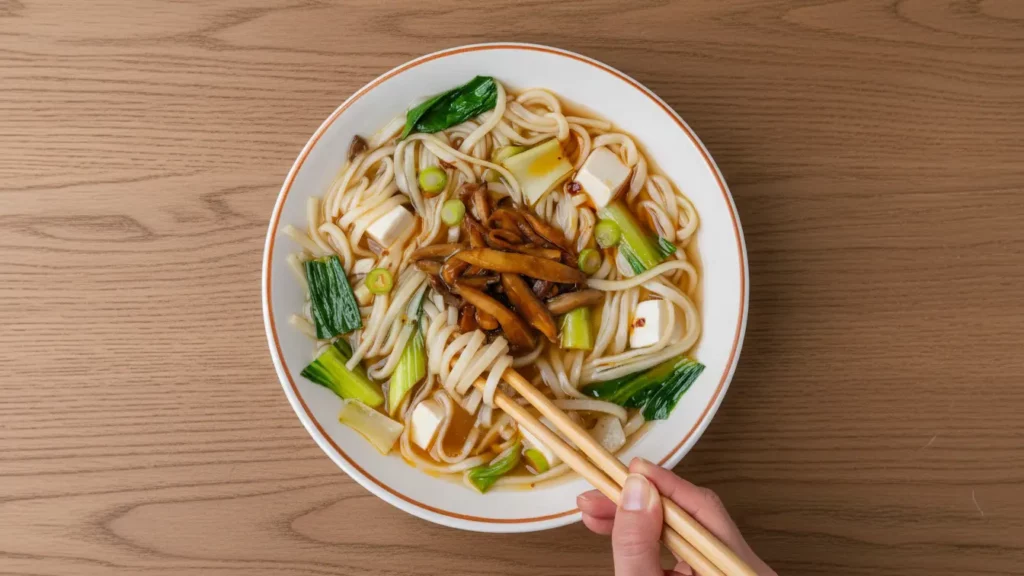
This udon noodle soup is a complete meal on its own, but you can turn it into a full Japanese-inspired feast with a few simple additions. The soup is hearty enough to be the main course, but it also works beautifully as part of a larger spread.
I love serving this for cozy weeknight dinners or when I’m entertaining guests who appreciate authentic, homemade Japanese food.
Perfect pairings:
- Appetizers: Onion Rings, gyoza (potstickers), or edamame sprinkled with sea salt
- Side dishes: Cucumber sunomono salad, seaweed salad, or Japanese pickles (tsukemono)
- Protein additions: Grilled chicken, baked salmon, tempura shrimp, or crispy tofu
- Beverages: Green tea, Japanese beer, or sake
- Dessert: Mochi ice cream, fruit, or matcha cheesecake
Variations to Try
One of the best things about this recipe is how adaptable it is. Once you master the basic version, you can customize it endlessly based on your preferences or what you have on hand.
I rotate through these variations depending on the season and what I’m craving.
- Spicy Udon: Add a tablespoon of chili garlic sauce or gochugaru to the broth for heat
- Seafood Udon: Add shrimp, scallops, or fish balls in the last few minutes of cooking
- Chicken Udon: Toss in thinly sliced cooked chicken breast or leftover rotisserie chicken
- Vegetarian/Vegan: Use vegetable broth and kombu dashi, skip the eggs, add extra vegetables and tofu
- Curry Udon: Stir in 2-3 tablespoons of Japanese curry paste for a rich, warming variation
- Kitsune Udon: Top with sweet, fried tofu pouches (inari) for a traditional variation
- Tempura Udon: Serve with crispy shrimp or vegetable tempura on the side
- Nabeyaki Udon: Add chicken, kamaboko (fish cake), and cook everything in a clay pot for a fancier presentation
Read Also: Instant Pot Pho Recipe
Storage and Reheating
Proper storage is key to maintaining the quality of your udon soup, especially since noodles can get mushy if stored in the broth for too long. I’ve learned the hard way that separating components is essential.
This soup is definitely best enjoyed fresh, but you can still make it work for meal prep with the right approach.
Storage tips:
- Store broth, noodles, and toppings in separate airtight containers in the refrigerator
- Broth will keep for up to 5 days refrigerated or 3 months frozen
- Cooked udon noodles will keep for 3-4 days refrigerated (toss with a tiny bit of oil to prevent sticking)
- Soft-boiled eggs should be stored separately and consumed within 2 days
- Fresh vegetables should be added fresh when reheating for best texture
Reheating instructions:
- Reheat the broth in a pot over medium heat until simmering
- Add the refrigerated noodles directly to the hot broth for 1-2 minutes to warm through
- Add fresh or lightly sautéed vegetables
- Top with freshly prepared garnishes and soft-boiled eggs
- Avoid microwaving if possible, as it can make the noodles rubbery
- If you must microwave, reheat in 1-minute intervals, stirring between each
Nutritional Facts
Per serving (approximately 2 cups):
- Calories: 320
- Total Fat: 6g
- Saturated Fat: 1g
- Cholesterol: 185mg (if using eggs)
- Sodium: 1,450mg
- Total Carbohydrates: 52g
- Dietary Fiber: 3g
- Sugars: 5g
- Protein: 15g
- Vitamin A: 25% DV
- Vitamin C: 15% DV
- Calcium: 8% DV
- Iron: 12% DV
Note: Nutritional values are approximate and will vary based on specific ingredients used and portion sizes. Using low-sodium soy sauce and broth can significantly reduce the sodium content.
This recipe works beautifully alongside my Corn Soup Recipe when you want to offer guests multiple warming options.
Health Benefits of Key Ingredients
This soup isn’t just delicious—it’s packed with ingredients that are genuinely good for you. Japanese cuisine has a reputation for being healthy, and this udon soup is no exception.
The combination of nutrient-rich broth, whole grain noodles, and fresh vegetables makes this a nourishing meal that supports overall wellness.
Key health benefits:
- Dashi broth: Rich in umami flavor from kombu (kelp) and bonito flakes, providing minerals like iodine and amino acids that support metabolism
- Udon noodles: Made from wheat flour, they provide energy-sustaining complex carbohydrates and some B vitamins
- Spinach: Loaded with iron, vitamin K, vitamin A, and antioxidants that support bone health and immune function
- Mushrooms: Excellent source of vitamin D, selenium, and antioxidants that boost immune health
- Green onions: Contain vitamin C, vitamin K, and compounds that may support heart health
- Eggs: Complete protein source with all essential amino acids, plus choline for brain health
- Sesame oil: Contains healthy fats and antioxidants that may reduce inflammation
Frequently Asked Questions
1. Can I use dried udon noodles instead of fresh or frozen?
Yes, absolutely. Dried udon noodles work fine, but they take longer to cook—usually 8-10 minutes according to package directions. I recommend cooking dried noodles separately in boiling water, then draining and adding them to the broth. This prevents the broth from getting starchy and keeps better control over the noodle texture.
2. What can I substitute for dashi if I can’t find it?
Chicken or vegetable broth makes a good substitute, though the flavor will be different. To mimic dashi’s umami, add a small piece of kombu (dried kelp) to your broth while it simmers, or stir in a teaspoon of miso paste. Some people also add a splash of fish sauce for that savory depth.
3. How do I prevent the noodles from getting mushy?
The trick is to not overcook them initially and to store them separately from the broth if you’re not eating right away. Fresh and frozen udon only need 1-3 minutes in hot broth. If reheating, just warm them through quickly rather than cooking them again.
4. Is this soup gluten-free?
Traditional udon noodles are made from wheat flour, so they contain gluten. However, you can make this gluten-free by using rice noodles or gluten-free udon alternatives, and by substituting tamari for soy sauce. The rest of the ingredients are naturally gluten-free.
5. Can I make this soup ahead of time for meal prep?
You can definitely prep components ahead, but I don’t recommend storing everything together. Make the broth up to 5 days ahead or freeze it for up to 3 months. Cook the noodles fresh when you’re ready to eat, or cook them ahead but store separately with a light coating of oil. Prep your vegetables and keep them in separate containers, then assemble everything when you’re ready to enjoy it.
Read Also: Lobster Bisque Recipe
Final Thoughts
This udon noodle soup has become such a staple in my kitchen, and I hope it becomes one in yours too. There’s something incredibly satisfying about slurping up those thick, chewy noodles in savory broth, especially when you’ve made it yourself from scratch.
The beauty of this recipe is its simplicity and flexibility—you can keep it basic on busy nights or dress it up with fancy toppings when you want to impress. Either way, you’re getting a bowl of pure comfort that’s actually good for you.
I’d love to hear how your udon soup turns out! Drop a comment below with any questions, variations you tried, or just to let me know you made it. And if you loved this recipe, share it with your friends who could use a little comfort food in their lives.
Recommended:
- Mulligatawny Soup Recipe
- Chicken Tinola Recipe
- Hamburger Soup Recipe
- Spinach Soup Recipe
- Curried Cauliflower Soup Recipe
- Roasted Cauliflower Soup Recipe
- Roasted Carrot Soup Recipe
- Caldo de Res Recipe
- Healthy Broccoli Soup Recipe
- Cream of Broccoli Soup Recipe