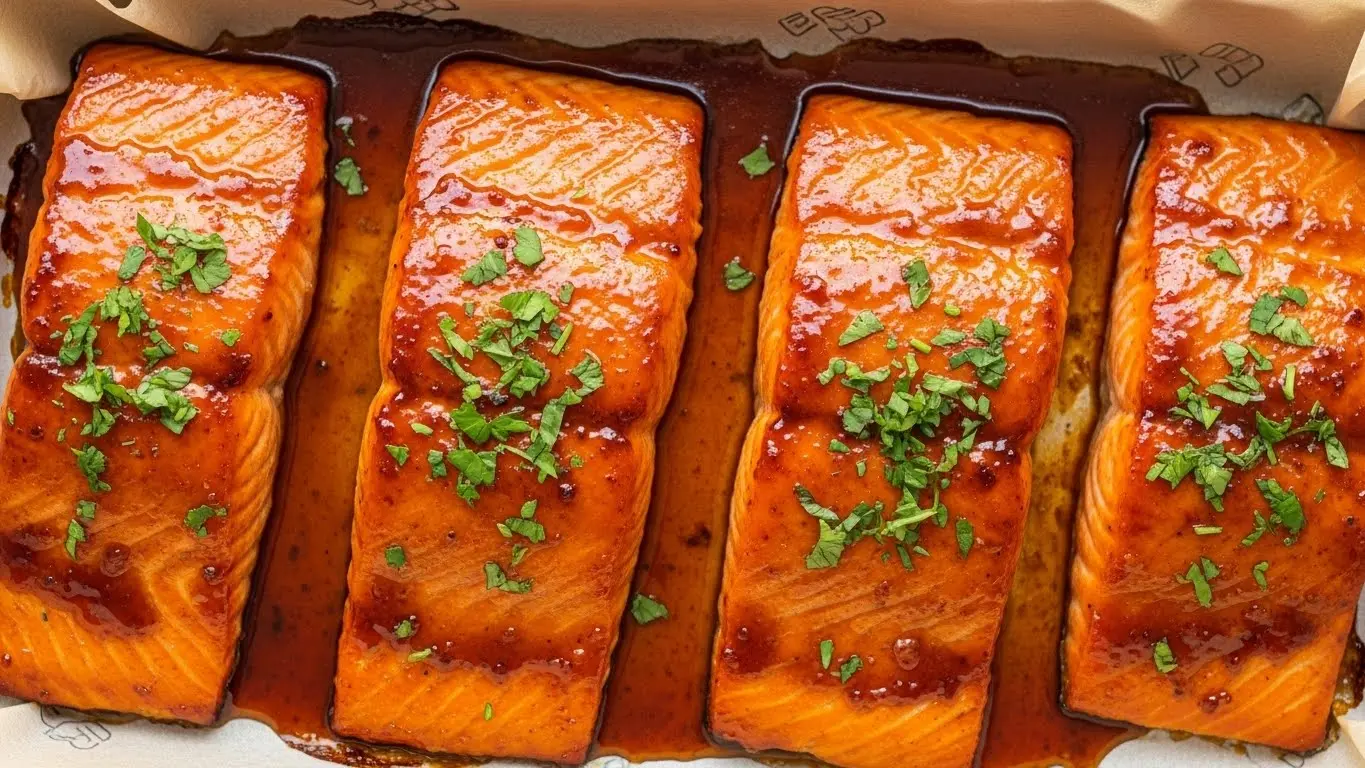
I’m going to let you in on a little secret: salmon doesn’t have to be intimidating. This baked salmon recipe is one of those dishes that looks impressive enough for company but requires minimal effort from you. The fish comes out perfectly flaky, the flavors are spot-on, and cleanup is a breeze.
I’ve been making this for years now, and it never gets old. My family requests it at least twice a month, and I’m happy to oblige because it means dinner is on the table in under 30 minutes. The best part? You probably have most of the ingredients sitting in your pantry right now.
The oven does all the heavy lifting here. While the salmon bakes, you can throw together a side salad or roast some vegetables. Before you know it, you’ve got a restaurant-quality meal that didn’t require you to stand over a hot stove or master any complicated techniques.
Why You’ll Love This Baked Salmon Recipe
This recipe checks all the boxes for a weeknight winner. It’s quick, it’s healthy, and it delivers on flavor without requiring a culinary degree.
The cooking method is foolproof. Baking salmon at the right temperature means you won’t end up with dry, overcooked fish. The result is tender, moist salmon that flakes beautifully with a fork.
Here’s what makes this recipe stand out:
- Ready in 20 minutes: From prep to plate, this meal comes together faster than most takeout orders
- Minimal cleanup: One baking sheet means less time scrubbing dishes later
- Versatile flavoring: The base recipe works with countless seasoning combinations
- Nutrition powerhouse: Packed with omega-3s, protein, and essential nutrients
- Beginner-friendly: No fancy techniques or equipment required
- Scales easily: Making dinner for two or feeding a crowd? This recipe adjusts perfectly
If you’re looking for more ways to prepare seafood at home, you might also enjoy my baked cod recipe for another simple weeknight option.
Ingredients
The ingredient list is refreshingly short. You’ll need quality salmon and a handful of pantry staples to create something truly delicious.
- 1.5 to 2 pounds salmon fillets: Look for fillets with bright color and firm flesh
- 3 tablespoons olive oil: Extra virgin works best for flavor
- 2 tablespoons fresh lemon juice: About half a lemon’s worth
- 4 cloves garlic, minced: Fresh garlic makes a difference here
- 1 teaspoon salt: Kosher or sea salt preferred
- ½ teaspoon black pepper: Freshly ground if possible
- ½ teaspoon paprika: Adds a subtle smokiness
- ¼ teaspoon dried dill: Or 1 teaspoon fresh dill, chopped
- Lemon slices for garnish: Optional but pretty
- Fresh parsley, chopped: For serving
Kitchen Equipment Needed
Having the right tools makes this recipe even easier. Nothing here is specialized or expensive—just basic kitchen essentials.
- Large baking sheet: A rimmed sheet pan prevents any oil from dripping
- Parchment paper or aluminum foil: Makes cleanup effortless
- Small mixing bowl: For combining the seasoning mixture
- Measuring spoons: For accurate seasoning
- Pastry brush or spoon: To apply the oil mixture evenly
- Instant-read thermometer: Optional but helpful for checking doneness
Recommended Products for This Recipe
After making this recipe countless times, I’ve found a few products that really elevate the final dish and make the process smoother.
1. Wild-Caught Alaskan Salmon Fillets
The quality of your salmon makes or breaks this dish. Wild-caught Alaskan salmon has a richer flavor and firmer texture than farm-raised varieties. It’s worth spending a bit more for salmon that’s been sustainably caught and properly handled.
2. Nordic Ware Natural Aluminum Baking Sheet
This commercial-grade baking sheet distributes heat incredibly evenly, which means your salmon cooks uniformly without any hot spots. The reinforced edges prevent warping in high heat, and it’s large enough to fit multiple fillets without crowding.
3. California Olive Ranch Extra Virgin Olive Oil
A good olive oil isn’t just about cooking—it adds genuine flavor to the finished dish. This one is fresh, fruity, and perfect for both the marinade and drizzling over the cooked salmon.
4. ThermoPro Digital Instant Read Thermometer
Taking the guesswork out of doneness changed my salmon game completely. This thermometer gives you a reading in seconds, ensuring your salmon is perfectly cooked at 145°F without being dry.
Step-by-Step Instructions
Follow these detailed steps for perfectly baked salmon every single time. I’ve included all the little details that make the difference between good and great.
1. Preheat Your Oven and Prepare the Baking Sheet
- Set your oven to 400°F (200°C) and let it fully preheat for at least 10 minutes
- Line your baking sheet with parchment paper or lightly greased aluminum foil
- Make sure the parchment paper lies flat with no wrinkles that could cause uneven cooking
- Position your oven rack in the center position for optimal heat circulation
2. Prepare the Salmon
- Pat the salmon fillets completely dry with paper towels—this is crucial for getting a nice surface
- Check for pin bones by running your fingers along the flesh; remove any you find with tweezers
- Place the fillets skin-side down on the prepared baking sheet, spacing them at least 1 inch apart
- If your fillets have very thin tail sections, you can tuck them under slightly for more even cooking
3. Make the Seasoning Mixture
- In a small bowl, combine the olive oil, lemon juice, minced garlic, salt, pepper, paprika, and dill
- Whisk everything together until the mixture is well combined and emulsified
- Let this sit for a minute to allow the flavors to meld together
- Taste the mixture—it should be well-seasoned since you’re coating, not marinating
4. Season the Salmon
- Using a pastry brush or the back of a spoon, generously coat the top and sides of each fillet with the seasoning mixture
- Make sure you get into all the nooks and crannies, especially where the flesh meets the skin
- Don’t worry about overseasoning—salmon can handle bold flavors
- Reserve a small amount of the mixture if you want to brush more on halfway through cooking
5. Add Lemon Slices
- Arrange thin lemon slices on top of each fillet if desired
- This adds extra citrus flavor and makes for a beautiful presentation
- The lemon slices will caramelize slightly in the oven, creating sweet-tart pockets of flavor
- You can also tuck a few slices under the salmon for even more lemon essence
6. Bake the Salmon
- Place the baking sheet in the preheated oven on the center rack
- Bake for 12-15 minutes, depending on the thickness of your fillets
- A good rule of thumb: 4-6 minutes per half-inch of thickness
- The salmon is done when it reaches an internal temperature of 145°F (63°C) and flakes easily with a fork
- The flesh should be opaque and have just a hint of translucency in the very center
Read Also: Salmon Chowder Recipe
7. Check for Doneness
- Insert an instant-read thermometer into the thickest part of the fillet
- It should read 145°F for fully cooked salmon, or 125-130°F if you prefer it slightly rare in the center
- Alternatively, gently press the top of the salmon—it should feel firm but still give slightly
- If the salmon isn’t quite done, return it to the oven for 2-3 minutes and check again
8. Rest and Serve
- Remove the baking sheet from the oven and let the salmon rest for 3-5 minutes
- This allows the juices to redistribute throughout the fish
- Sprinkle freshly chopped parsley over the top for color and freshness
- Use a thin spatula to carefully lift the fillets from the skin (which should stick to the parchment paper)
- Serve immediately with your choice of sides and an extra squeeze of fresh lemon juice
Tips for Success
These tried-and-true tips will help you nail this recipe every time. I’ve learned these lessons through plenty of trial and error so you don’t have to.
Pay attention to thickness when buying salmon. Fillets that are roughly the same thickness will cook at the same rate, giving you consistent results across the board.
- Don’t skip drying the salmon: Moisture on the surface prevents proper browning and can make the seasoning slide off
- Room temperature matters: Let salmon sit out for 15 minutes before cooking for more even cooking
- Watch the clock closely: Salmon goes from perfect to overcooked in just a few minutes
- Invest in good salmon: Fresh or properly frozen wild-caught salmon makes a noticeable difference
- Use a light hand with dill: It can overpower the delicate salmon flavor if you’re too generous
- Check multiple fillets: If cooking several pieces, test the thickest one for temperature
- Keep the skin on: It helps hold the fillet together and makes serving easier
Another favorite around here is my seafood chowder, which is perfect for using leftover salmon.
Serving Suggestions
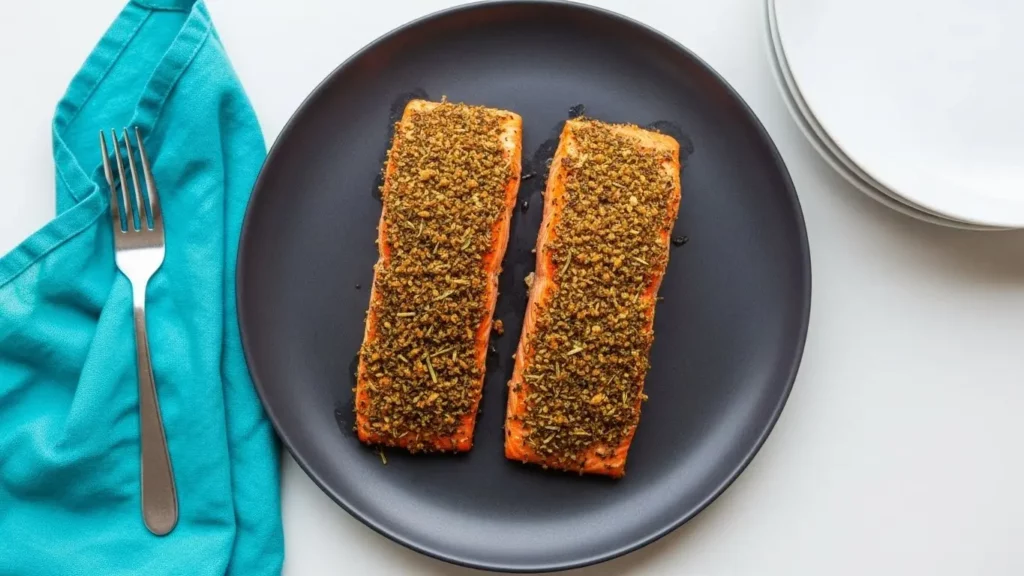
Salmon pairs beautifully with so many sides. The key is balancing the richness of the fish with fresh, bright, or earthy accompaniments.
This dish shines alongside simple roasted vegetables, fluffy rice, or a crisp salad. I love serving it with steamed asparagus and garlic mashed potatoes for a classic combination.
Here are some of my favorite pairings:
- Roasted vegetables: Asparagus, Brussels sprouts, or green beans with garlic
- Grain sides: Quinoa, rice pilaf, or couscous with herbs
- Potatoes: Roasted baby potatoes, mashed potatoes, or scalloped potatoes
- Salads: Mixed greens with lemon vinaigrette or broccoli salad
- Pasta: Light lemon pasta or garlic butter noodles
- Fresh bread: Crusty sourdough or dinner rolls for soaking up any extra juices
Variations to Try
Once you’ve mastered the basic recipe, these variations will keep things interesting. Each one brings its own personality to the table.
The beauty of baked salmon is its versatility. You can completely change the flavor profile with just a few ingredient swaps.
- Honey garlic glaze: Mix honey, soy sauce, and garlic for a sweet-savory twist
- Mediterranean style: Top with olives, sun-dried tomatoes, and crumbled feta cheese
- Cajun spiced: Replace the herbs with Cajun seasoning for a spicy kick
- Asian-inspired: Use sesame oil, ginger, and a splash of soy sauce instead of lemon
- Pesto crusted: Spread basil pesto on top before baking for an herby finish
- Maple mustard: Combine Dijon mustard and maple syrup for a tangy-sweet coating
- Everything bagel: Sprinkle everything bagel seasoning over the top for a fun twist
You might also enjoy: Fish Chowder Recipe
Storage and Reheating
Proper storage keeps your salmon fresh and delicious for several days. Follow these guidelines to maintain the best texture and flavor.
Leftover salmon is a gift that keeps on giving. It’s perfect for salads, pasta dishes, or just enjoying cold straight from the fridge.
- Refrigeration: Store cooled salmon in an airtight container for up to 3 days
- Freezing: Wrap individual portions tightly in plastic wrap, then foil; freeze for up to 3 months
- Reheating in oven: Warm at 275°F for 10-15 minutes until heated through
- Reheating in microwave: Use 50% power in 30-second intervals to avoid overcooking
- Cold uses: Flake leftover salmon into salads, grain bowls, or make salmon cakes
- Avoid multiple reheats: Only reheat what you’ll eat to maintain quality
Nutritional Facts
Per serving (6 oz salmon fillet):
- Calories: 340
- Protein: 34g
- Fat: 22g
- Saturated Fat: 3.5g
- Carbohydrates: 2g
- Fiber: 0g
- Sugar: 0g
- Cholesterol: 95mg
- Sodium: 480mg
- Omega-3 Fatty Acids: 2.5g
Health Benefits of Key Ingredients
This recipe isn’t just delicious—it’s genuinely good for you. Every ingredient brings something valuable to the table nutritionally.
Salmon stands out as one of the healthiest proteins you can eat. It’s packed with nutrients that support everything from heart health to brain function.
Here’s what makes this dish so nutritious:
- Salmon: Rich in omega-3 fatty acids that reduce inflammation and support heart health
- Garlic: Contains compounds that boost immune function and may lower blood pressure
- Olive oil: Loaded with monounsaturated fats and antioxidants that protect your cells
- Lemon: Provides vitamin C for immune support and helps with iron absorption
- Paprika: Contains vitamin A and antioxidants that support eye health
- Dill: Offers antibacterial properties and aids digestion
For another nutrient-packed seafood option, check out my Shrimp Chowder Recipe.
Frequently Asked Questions
1. Should I bake salmon with the skin on or off?
I recommend keeping the skin on while baking. The skin acts as a protective barrier between the delicate flesh and the hot pan, helping the salmon cook more evenly. It also makes it much easier to remove the cooked salmon from the baking sheet—the skin sticks to the parchment while the flesh lifts right off. If you don’t like eating the skin, you can simply leave it behind on the pan after cooking.
2. How do I know when salmon is done without a thermometer?
Look for visual cues: the salmon should be opaque throughout with just a hint of translucency in the very center. When you insert a fork and gently twist, the flesh should flake apart easily but still feel moist.
Another test is to press the top gently with your finger—it should feel firm with just a slight give, similar to pressing the fleshy part of your palm below your thumb.
3. Can I use frozen salmon for this recipe?
Absolutely, but proper thawing is key. Place frozen salmon in the refrigerator for 24 hours before cooking—never thaw at room temperature. If you’re short on time, seal the salmon in a plastic bag and submerge it in cold water for about an hour, changing the water every 30 minutes. Pat the thawed salmon very dry before seasoning to ensure the best texture and browning.
4. Why does my salmon turn out dry?
Overcooking is the most common culprit. Salmon continues cooking from residual heat even after you remove it from the oven, so take it out when it’s almost done. Using an instant-read thermometer helps—aim for 145°F for fully cooked but still moist salmon, or 130-135°F if you prefer it slightly rare in the center. Also, make sure you’re not baking at too high a temperature or for too long.
5. Can I marinate the salmon before baking?
You can, but it’s not necessary for this recipe since we’re coating the salmon generously with seasoned oil. If you want to marinate, keep it brief—15 to 30 minutes maximum. Longer marinating times can actually break down the delicate salmon flesh, especially if your marinade contains acid like lemon juice or vinegar. The quick seasoning method in this recipe delivers plenty of flavor without the wait.
Final Thoughts
There’s something deeply satisfying about pulling a pan of perfectly cooked salmon from the oven. The way it flakes apart, the aroma filling your kitchen, the way your family’s eyes light up when they see what’s for dinner—it never gets old.
This baked salmon recipe has earned its place in my regular rotation because it’s reliable, delicious, and versatile enough to work for busy weeknights or special occasions. Give it a try and I think you’ll understand why it’s become such a favorite.
I’d love to hear how it turns out for you! Drop a comment below with your experience, any variations you tried, or questions you might have. And if you loved this recipe, share it with someone who needs a new go-to salmon dish in their life.
Recommended:
- Seafood Stew Recipe
- Chicken Chowder Recipe
- Clam Chowder Recipe
- New England Clam Chowder Recipe
- Manhattan Clam Chowder Recipe
- Corn Chowder Recipe
- Chicken Corn Chowder Recipe
- Beef Stroganoff Recipe
- Buttermilk Biscuit Recipe
- Buffalo Chicken Dip Recipe