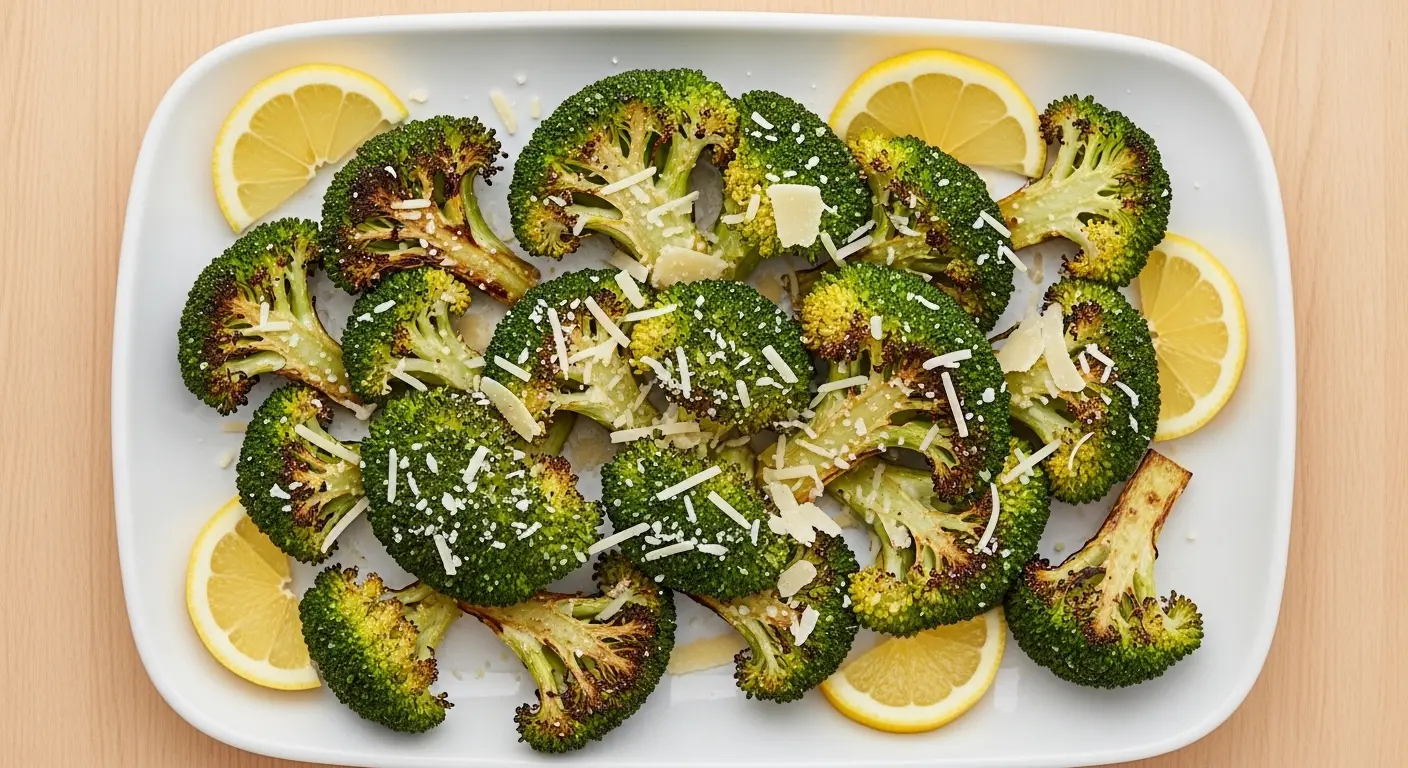
If you’ve ever pushed steamed broccoli around your plate with zero enthusiasm, this roasted broccoli recipe is about to change everything.
Roasting is the technique that transforms broccoli from a bland, mushy side dish into something genuinely craveable. The high oven heat caramelizes the natural sugars in the florets, creating golden, slightly crispy edges that are deeply savory and nutty.
It only takes a handful of pantry staples and about 25 minutes from start to finish. Whether you’re a beginner in the kitchen or just looking for a reliable go-to side dish, this one delivers every single time.
The key to getting that perfect roast is making sure your broccoli is completely dry before it hits the pan, and giving the florets enough room so they roast rather than steam. These two simple steps make all the difference between soggy and spectacular.
If you love roasted vegetables, you’ll also want to check out this Roasted Potatoes Recipe for another simple, crowd-pleasing side.
Why You’ll Love This Roasted Broccoli Recipe
This recipe earns a permanent spot in your dinner rotation for a lot of good reasons.
First, it’s incredibly easy. You don’t need any special equipment, complicated techniques, or hard-to-find ingredients.
The flavor is genuinely impressive for how simple it is. Roasting brings out a nutty, slightly sweet quality in broccoli that you just can’t achieve with steaming or boiling.
It’s also endlessly versatile. You can serve it alongside almost anything from roasted chicken to grilled fish to pasta.
The texture is a big win too. The tips of the florets get beautifully crispy while the stems stay tender, giving you that satisfying contrast in every bite.
And if you’re trying to eat more vegetables, this recipe makes it easy. It’s naturally low-carb, gluten-free, and packed with nutrients.
- Ready in under 30 minutes from start to finish
- Made with just 5 simple ingredients
- Crispy edges and tender stems in every bite
- Pairs beautifully with almost any main dish
- Naturally vegan, gluten-free, and low-carb
- Easily customizable with different seasonings and toppings
You might also enjoy this Broccoli Salad Recipe as another delicious way to enjoy broccoli any time of year.
Ingredients
Getting the best results starts with choosing the right broccoli. Look for a head with tight, dark green florets and firm stalks. Avoid any yellowing or looseness, as those are signs the broccoli is past its prime.
- 1 large head of broccoli (about 1.5 lbs / 680g), cut into bite-sized florets
- 3 tablespoons (45ml) extra virgin olive oil
- 4 cloves garlic, minced (or 1 teaspoon garlic powder if you prefer)
- 1/2 teaspoon fine sea salt (or to taste)
- 1/4 teaspoon freshly ground black pepper
- 1/4 teaspoon red pepper flakes (optional, for a little heat)
- 1 tablespoon fresh lemon juice (squeezed after roasting)
- 2 tablespoons freshly grated Parmesan cheese (optional but highly recommended)
Read Also: Roasted Brussels Sprouts with Bacon Recipe
Kitchen Equipment Needed
You don’t need much to make this recipe work perfectly, but having the right tools will give you the best results.
- Large rimmed baking sheet (at least 18×13 inches / 46x33cm) – a rimmed sheet keeps the florets from sliding off
- Parchment paper or aluminum foil (for easy cleanup)
- Large mixing bowl
- Sharp chef’s knife
- Cutting board
- Measuring spoons
- Microplane or fine grater (for the Parmesan)
- Citrus juicer or fork (for the lemon)
This recipe pairs wonderfully with Honey Roasted Carrots if you want to roast two vegetables at the same time for a complete spread.
Recommended Products for This Recipe
These are products I genuinely recommend based on quality and the difference they make in getting perfectly roasted broccoli every time.
1. Nordic Ware Natural Aluminum Half Sheet Pan
A quality rimmed baking sheet is the most important tool in this recipe. The Nordic Ware half sheet pan distributes heat evenly, which is crucial for getting those crispy, caramelized edges without burning. Its heavy-gauge aluminum construction prevents warping at high oven temperatures, so you’ll get consistent results every time. It’s a kitchen staple that will last for years.
2. California Olive Ranch Extra Virgin Olive Oil
Using a good quality extra virgin olive oil genuinely impacts the final flavor. California Olive Ranch is cold-pressed and has a clean, slightly peppery finish that complements roasted vegetables beautifully. A lower-quality oil can turn bitter at high heat, so this is worth the upgrade. It’s also great for drizzling over finished dishes.
3. Microplane Premium Classic Zester and Grater
Freshly grated Parmesan makes a noticeably better topping than pre-shredded. A Microplane zester creates fine, fluffy shreds that melt perfectly over hot broccoli and adds a savory, salty depth to the finished dish. It also works beautifully for lemon zest and fresh ginger, making it one of the most versatile tools in the kitchen.
4. OXO Good Grips Chef’s Knife
A sharp knife makes cutting broccoli into even-sized florets fast and safe. The OXO Good Grips chef’s knife has a comfortable, non-slip handle and a blade that holds its edge well. Uniform florets roast evenly, so this single tool makes a real difference in the finished dish. It’s well-balanced and approachable for cooks at any skill level.
For more inspiration on what to make alongside roasted veggies, check out this Chicken and Broccoli Recipe that makes for a complete, satisfying meal.
Step-by-Step Instructions
Step 1: Preheat Your Oven
- Set your oven to 425°F (220°C).
- Make sure the oven rack is positioned in the center or upper-third of the oven. This position encourages better browning and crisping.
- Allow the oven to fully preheat before putting the broccoli in. Placing it in an oven that hasn’t reached temperature will cause it to steam rather than roast.
Step 2: Prepare the Broccoli
- Rinse the broccoli head under cold running water to remove any dirt or residue.
- Pat it completely dry with paper towels or a clean kitchen towel. This step is critical. Any moisture left on the broccoli will turn to steam in the oven and prevent the edges from crisping up.
- Using a sharp chef’s knife, cut the broccoli into bite-sized florets, roughly 1 to 1.5 inches (2.5 to 4cm) in size. Try to keep them as uniform as possible so they roast at the same rate.
- Don’t throw away the stem. Peel the tough outer layer of the stem with a knife or vegetable peeler, then cut it into small pieces the same size as the florets. The stem is just as delicious as the florets when roasted.
Step 3: Season the Broccoli
- Place all the prepared broccoli florets and stem pieces into a large mixing bowl.
- Drizzle 3 tablespoons (45ml) of extra virgin olive oil over the broccoli.
- Add the 4 minced garlic cloves (or 1 teaspoon garlic powder), 1/2 teaspoon fine sea salt, 1/4 teaspoon freshly ground black pepper, and 1/4 teaspoon red pepper flakes (if using).
- Using clean hands or a large spoon, toss everything together until every piece of broccoli is evenly coated in oil and seasoning. Make sure the garlic is distributed throughout and isn’t clumped in one spot.
Step 4: Arrange on the Baking Sheet
- Line your large rimmed baking sheet with parchment paper or aluminum foil for easier cleanup.
- Spread the seasoned broccoli in a single, even layer across the baking sheet.
- Make sure the florets are not touching each other. Overcrowding is one of the most common mistakes when roasting vegetables. When pieces are too close together, moisture from the broccoli has nowhere to escape and the vegetables end up steaming instead of roasting. If your baking sheet isn’t large enough, use two sheets.
- Place the florets cut-side down when possible. The flat cut surface creates more direct contact with the hot pan, which encourages better browning.
Step 5: Roast the Broccoli
- Slide the baking sheet into the preheated 425°F (220°C) oven.
- Roast for 20 to 25 minutes, flipping the florets once at the halfway point (around the 12-minute mark). Flipping helps both sides get a chance to brown and crisp up evenly.
- When done, the broccoli should have golden brown, slightly crispy tips and edges. The stems should be tender when pierced with a fork, and the tops should have visible caramelization. If they look pale and soft, give them another 3 to 5 minutes.
Step 6: Finish and Serve
- Remove the baking sheet from the oven.
- Immediately squeeze 1 tablespoon of fresh lemon juice over the hot broccoli. The heat helps the lemon absorb into the florets and brighten the flavors.
- If using Parmesan, sprinkle 2 tablespoons of freshly grated Parmesan cheese over the broccoli right away while it’s still hot so it slightly melts into the florets.
- Taste and adjust seasoning with additional salt, pepper, or lemon juice as needed.
- Transfer to a serving dish and serve immediately for the crispiest results.
The same high-heat roasting technique works wonders for other vegetables, including this Roasted Acorn Squash Recipe that’s perfect for the fall season.
Tips for Success
A few small adjustments will make a big difference between good roasted broccoli and truly great roasted broccoli.
- Dry the broccoli thoroughly. Moisture is the enemy of crispiness. Use paper towels to pat every piece dry after washing, and make sure there’s no standing water left in the bowl.
- Don’t crowd the pan. Give each floret at least a little space. If you’re doubling the recipe, use two baking sheets rather than squeezing everything onto one.
- Use high heat. 425°F (220°C) is the sweet spot. Lower temperatures won’t caramelize the edges the same way.
- Cut evenly sized florets. Uniform pieces roast at the same rate, so you won’t end up with some burnt and some undercooked.
- Roast cut-side down. The flat side of the florets creates a larger surface area in contact with the hot pan, which means more caramelization.
- Add the lemon juice after roasting. Adding acid before roasting can interfere with browning. A squeeze of fresh lemon after is what brightens the whole dish.
- Taste and adjust before serving. A little extra salt or an extra squeeze of lemon can take the dish from good to perfect.
Another great vegetable side dish that benefits from these same principles is this Roasted Carrot Soup Recipe that starts with deeply caramelized carrots.
Serving Suggestions
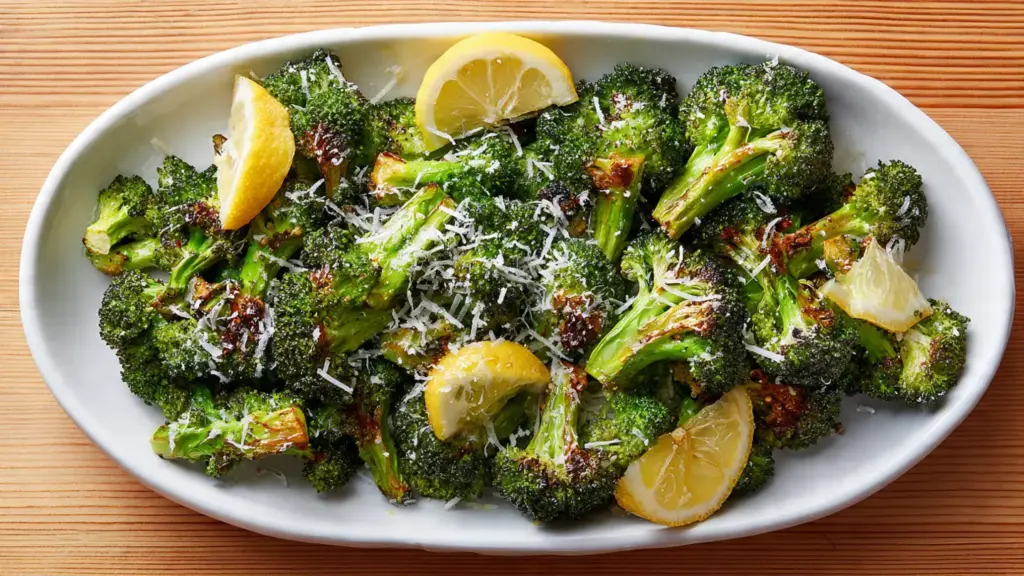
Roasted broccoli is one of the most flexible side dishes you can have in your repertoire. It pairs beautifully with a wide range of mains and can be dressed up or kept simple depending on what you’re serving it alongside.
For a complete weeknight dinner, try serving it with Baked Salmon, Garlic Mashed Potatoes, or a simple roasted chicken. The crispy, savory broccoli balances nicely against rich proteins and creamy sides.
It’s also fantastic tossed into pasta. Add the roasted florets to a bowl of cooked pasta with olive oil, red pepper flakes, and extra Parmesan for a fast weeknight meal.
- Serve alongside roasted chicken, pork tenderloin, or steak for a classic dinner combination
- Toss into pasta with olive oil, garlic, and Parmesan for a quick veggie-forward meal
- Add to grain bowls with farro, quinoa, or brown rice and a tahini dressing
- Serve as part of a larger roasted vegetable platter with other seasonal vegetables
- Top a homemade pizza with roasted broccoli, mozzarella, and garlic
- Pair with a fried or poached egg and crusty bread for a simple meatless dinner
- Serve on the side of a hearty bowl of Broccoli Soup for a comforting broccoli-themed meal
Variations to Try
Once you’ve mastered the base recipe, it’s easy to customize roasted broccoli to suit different flavors and occasions.
The classic version with olive oil, garlic, and lemon is hard to beat, but these variations keep things fresh.
- Parmesan and Lemon: The recipe as written, finished with freshly grated Parmesan and a generous squeeze of lemon. This is the most popular version and works with almost any meal.
- Spicy Sriracha: Toss the broccoli with olive oil, a tablespoon of sriracha, and a drizzle of honey before roasting. Finish with sesame seeds and a splash of soy sauce.
- Balsamic Glazed: Drizzle a tablespoon of balsamic vinegar over the broccoli in the last 5 minutes of roasting for a sweet, tangy glaze.
- Cheesy Broccoli: Scatter shredded cheddar or Gruyere over the broccoli in the final 3 minutes of roasting and let it melt and bubble.
- Asian-Inspired: Season with sesame oil, soy sauce, minced ginger, and garlic. Finish with sesame seeds and sliced scallions.
- Lemon Tahini: Skip the Parmesan and drizzle a simple lemon tahini sauce over the finished broccoli for a creamy, nutty topping.
- Anchovy and Garlic: Add 2 to 3 minced anchovy fillets to the olive oil before tossing. They dissolve during roasting and add incredible depth without tasting fishy.
If you enjoy roasted broccoli in more elaborate dishes, this Broccoli Casserole Recipe and the Chicken Broccoli Rice Casserole Recipe are both fantastic ways to put roasted broccoli to work.
Storage and Reheating
Roasted broccoli is best eaten fresh out of the oven, but leftovers can absolutely be stored and reheated with good results.
To keep the broccoli as crispy as possible, avoid stacking it when storing.
- Refrigerating: Store leftover roasted broccoli in an airtight container in the refrigerator for up to 4 days.
- Freezing: You can freeze roasted broccoli, but the texture will soften after thawing. Spread the cooled broccoli on a baking sheet, freeze until solid, then transfer to a freezer-safe bag. Use within 2 months.
- Reheating in the oven: Spread the leftover broccoli on a baking sheet and reheat at 400°F (200°C) for 5 to 7 minutes. This is the best method for restoring some crispiness to the edges.
- Reheating in the air fryer: Place leftovers in the air fryer basket at 375°F (190°C) for 3 to 4 minutes. This method does an excellent job of reviving the crispy texture.
- Reheating in the microwave: This is the quickest option but will result in softer broccoli. Microwave in 30-second intervals until heated through. Best for broccoli you plan to add to pasta or grain bowls rather than serve on its own.
- Using leftovers: Cold roasted broccoli is excellent chopped and added to salads, grain bowls, frittatas, or omelets. It’s also great stirred into soups or tossed into a stir-fry.
Read Also: Air Fryer Beef and Broccoli Recipe
Nutritional Facts
The following nutritional information is approximate and based on a serving size of about 1 cup of roasted broccoli (roughly 1/4 of the recipe) made with olive oil and without optional Parmesan.
| Nutrient | Amount Per Serving |
|---|---|
| Calories | ~120 kcal |
| Total Fat | 10g |
| Saturated Fat | 1.5g |
| Cholesterol | 0mg |
| Sodium | 320mg |
| Total Carbohydrates | 8g |
| Dietary Fiber | 3g |
| Sugars | 2g |
| Protein | 3g |
| Vitamin C | ~90% DV |
| Vitamin K | ~100% DV |
| Folate | ~15% DV |
| Potassium | ~10% DV |
Note: Nutritional values will vary depending on exact portion sizes, whether Parmesan is included, and the specific brands of ingredients used. Adding 2 tablespoons of Parmesan to the whole batch adds approximately 40 calories total.
For a creamy broccoli-forward dish that uses similar ingredients, this Panera Broccoli Cheddar Soup Recipe is a reader favorite.
Health Benefits of Key Ingredients
This simple recipe is more nutritionally impressive than it might look. Each ingredient brings real benefits to the table.
Broccoli is regularly recognized as one of the most nutrient-dense vegetables available. It’s loaded with vitamin C, vitamin K, folate, and fiber, and it contains sulforaphane, a powerful plant compound that has been studied for its potential role in reducing inflammation.
Olive oil contributes heart-healthy monounsaturated fats, along with antioxidants like oleocanthal that have anti-inflammatory properties. Using olive oil rather than butter also keeps the recipe dairy-free and suitable for a wider range of diets.
- Broccoli is an excellent source of vitamin C, providing nearly a full day’s worth in a single serving. It also supplies vitamin K, which plays a key role in bone health and blood clotting.
- Garlic contains allicin, a sulfur compound that has been associated with immune-boosting and cardiovascular benefits. It also adds significant flavor with virtually no calories.
- Extra virgin olive oil is rich in monounsaturated fats, particularly oleic acid, which is associated with reduced inflammation and improved heart health.
- Lemon juice adds a boost of vitamin C and helps your body better absorb the non-heme iron found in plant foods like broccoli.
- Red pepper flakes contain capsaicin, which has been studied for its role in boosting metabolism and reducing appetite.
- Parmesan cheese (optional) adds calcium, protein, and a significant dose of savory flavor. A small amount goes a long way nutritionally and taste-wise.
You can incorporate broccoli into even more nutritious dishes with this Healthy Broccoli Soup Recipe that makes the most of broccoli’s natural goodness.
Frequently Asked Questions
1. How do I keep roasted broccoli from getting soggy?
The two most important factors are dryness and spacing. Make sure the broccoli is completely dry before tossing it in oil. Excess moisture causes the broccoli to steam in the oven instead of roasting, which leads to soggy results. Also, spread the florets in a single layer with space between each piece so hot air can circulate all around them.
2. Can I use frozen broccoli for this recipe?
You can, but fresh broccoli will give you significantly better results. Frozen broccoli contains a lot of extra moisture from the freezing process, which makes it harder to achieve crispy edges. If you do use frozen broccoli, spread it on a baking sheet lined with paper towels after thawing and press firmly to remove as much moisture as possible before seasoning and roasting.
3. What temperature is best for roasting broccoli?
425°F (220°C) is the sweet spot for roasting broccoli. This high heat caramelizes the natural sugars in the florets and creates the crispy, golden edges that make roasted broccoli so appealing. Lower temperatures, like 350°F (175°C), will cook the broccoli but won’t develop the same depth of color or texture.
4. How do I know when roasted broccoli is done?
Your broccoli is ready when the floret tips and edges are golden brown and slightly crispy, and the stems can be pierced easily with a fork. The color change is your best visual cue. Don’t be afraid to let the edges get a bit dark, as that caramelization is where all the flavor lives. If the broccoli looks pale and soft, it needs more time.
5. Can I add the broccoli to the pan before the oven is preheated?
It’s better not to. Placing the broccoli in a cold or partially heated oven means it starts cooking at a lower temperature, which promotes steaming instead of roasting. Always let the oven come fully to 425°F (220°C) before adding the broccoli for the best crispy result.
For another crowd-pleasing roasted vegetable recipe, try this Roasted Butternut Squash Soup Recipe that starts with beautifully caramelized squash.
Final Thoughts
Roasted broccoli is one of those recipes that seems almost too simple to be as good as it is.
But that’s exactly what makes it so special. A single pan, a handful of ingredients, and 25 minutes are all you need to turn an everyday vegetable into something genuinely delicious.
Once you try it this way, it’s hard to go back to any other method. The crispy edges, the savory garlic, and that final hit of lemon make it a dish that earns compliments every time it hits the table.
Give this roasted broccoli recipe a try and let me know how it goes. Drop a comment below with your favorite seasoning variations, or share a photo if you make it!
Recommended:
- Cream of Broccoli Soup Recipe
- Roasted Cauliflower Soup Recipe
- Smashed Potatoes Recipe
- Collard Greens Recipe
- Creamed Spinach Recipe
- Maple Glazed Carrots Recipe
- Easy Ratatouille Recipe
- Bok Choy Recipe
- Green Bean Casserole Recipe
- Squash Casserole Recipe