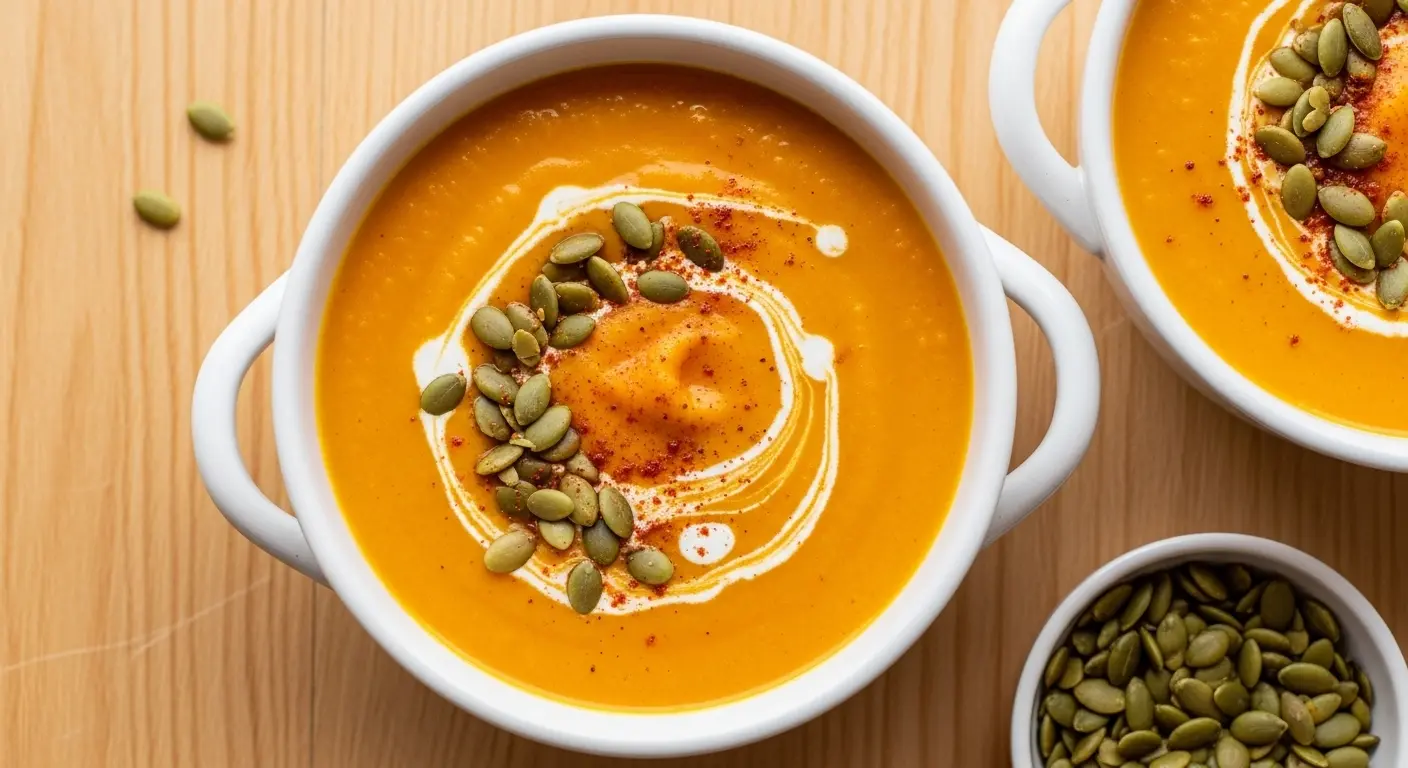
If you’ve never made a roasted carrot soup recipe from scratch, you’re in for a real treat. This isn’t your average blended vegetable soup. Roasting the carrots first transforms them completely, drawing out their natural sweetness and creating those irresistible caramelized edges that make every spoonful taste rich and deeply satisfying. Combined with sautéed onion, garlic, warming spices, and a splash of cream, this cozy soup comes together with very little effort and a whole lot of payoff.
It’s one of those recipes that genuinely surprises people.
You hand someone a bowl, they take one sip, and they immediately ask for the recipe. The flavor is complex and layered, but the ingredient list is short and completely approachable. This is the kind of cooking that feels impressive without being stressful.
Whether you’re cooking for a weeknight dinner, prepping meals for the week ahead, or looking for a starter to serve guests, this soup delivers every single time. It’s naturally gluten-free, easily made vegan, freezes beautifully, and tastes even better the next day once the flavors have had time to meld.
For another warming, vegetable-forward soup you’ll love, check out this Roasted Cauliflower Soup.

Why You’ll Love This Roasted Carrot Soup Recipe
This soup works on every level, from taste to texture to ease of preparation. Here’s why it belongs in your regular rotation.
It’s also incredibly budget-friendly. Carrots are one of the most affordable vegetables you can buy, yet when roasted and blended into a velvety soup, they taste like something from a high-end restaurant.
- Deeply flavorful: Roasting caramelizes the natural sugars in the carrots, giving the soup a sweet, savory depth that simple boiling never achieves.
- Smooth and creamy: A small amount of heavy cream or coconut milk brings the soup to a luxuriously silky consistency without making it heavy.
- Simple ingredients: You only need carrots, onion, garlic, spices, broth, and a touch of cream. Nothing fancy, nothing hard to find.
- Ready in about an hour: Most of that time is hands-off roasting, so you can multitask while the oven does the work.
- Naturally adaptable: Make it vegan with coconut milk, add ginger for warmth, or stir in a pinch of cayenne for a little kick.
- Great for meal prep: This soup stores and reheats perfectly, making it ideal for planning ahead.
- Kid-friendly: The natural sweetness of roasted carrots appeals to even picky eaters, especially when paired with a slice of crusty bread for dipping.
You might also enjoy: Carrot Soup Recipe
Ingredients
The most important thing here is to use fresh, whole carrots rather than pre-cut baby carrots. Whole carrots have a more robust flavor and caramelize more evenly during roasting. For the broth, a good-quality vegetable broth keeps this recipe vegetarian, but chicken broth works equally well and adds a nice savory backbone.
- 2 lbs (900g) whole carrots, peeled and cut into 1-inch (2.5cm) diagonal pieces
- 3 tablespoons extra virgin olive oil, divided
- 1 large yellow onion, roughly chopped
- 4 garlic cloves, minced
- 1 teaspoon ground coriander
- 1 teaspoon ground cumin
- 1/2 teaspoon smoked paprika
- 1/4 teaspoon ground ginger (or 1 teaspoon freshly grated ginger for a brighter flavor)
- 4 cups (960ml) vegetable broth or chicken broth
- 1/3 cup (80ml) heavy cream or full-fat coconut milk
- 1 tablespoon fresh lemon juice
- Salt and black pepper, to taste
- Optional garnish: a drizzle of cream, pumpkin seeds, fresh parsley, or a pinch of smoked paprika
Read Also: Honey Roasted Carrots Recipe
Kitchen Equipment Needed
You don’t need any special equipment for this recipe, but a good blender makes a significant difference in achieving that perfectly smooth, velvety consistency. An immersion blender also works well and saves on cleanup.
- Large rimmed baking sheet
- Parchment paper
- Large Dutch oven or heavy-bottomed soup pot
- High-powered blender or immersion blender
- Sharp chef’s knife and cutting board
- Wooden spoon or silicone spatula
- Measuring cups and spoons
- Ladle for serving
Read Also: Roasted Butternut Squash Soup Recipe
Recommended Products for This Recipe
These are products I genuinely recommend based on quality and how much they improve the overall cooking experience with this recipe.
1. High-Powered Countertop Blender
A high-speed blender is the single most important tool for this recipe. It blends the roasted vegetables into a completely smooth, restaurant-quality puree that an immersion blender simply cannot match. The result is a silkier, more refined texture in every bowl.
2. Enameled Cast Iron Dutch Oven
A heavy-bottomed Dutch oven distributes heat evenly, which means your onions and garlic soften gently without scorching. It also transitions seamlessly from stovetop to the table for serving, which is a nice bonus.
3. Heavy-Duty Rimmed Baking Sheet
A quality rimmed baking sheet promotes even browning during roasting without warping in the high heat. Flat, warped pans cause the carrots to steam rather than caramelize, so a sturdy pan is worth the investment.
4. Full-Fat Coconut Milk
If you want a dairy-free version of this soup, full-fat coconut milk adds the same creaminess as heavy cream while lending a very subtle, pleasant richness. Look for a brand with a high coconut content for the best results.
5. Quality Smoked Paprika
Smoked paprika is one of those spices that quietly elevates everything it touches. A good-quality Spanish smoked paprika adds a gentle earthy depth that works beautifully with the sweetness of roasted carrots.
This comforting vegetable soup pairs wonderfully with other cozy favorites like this Pumpkin Soup Recipe.

Step-by-Step Instructions
1. Preheat the Oven and Prepare the Carrots
- Preheat your oven to 425°F (220°C). This high temperature is key to getting proper caramelization on the carrots rather than just softening them.
- Line a large rimmed baking sheet with parchment paper to prevent sticking and make cleanup easier.
- Peel the carrots using a vegetable peeler, then trim off the tops and any scraggly ends.
- Cut the carrots on a diagonal into pieces roughly 1 inch (2.5cm) thick. Cutting on the diagonal increases the surface area that comes into contact with the pan, which promotes better browning.
- If any pieces from thick carrot ends are significantly larger than others, cut those in half lengthwise so everything roasts at a similar rate.
2. Season and Roast the Carrots
- Transfer the cut carrots to the prepared baking sheet.
- Drizzle 2 tablespoons of the olive oil over the carrots.
- Season generously with salt and several grinds of black pepper.
- Toss everything together directly on the pan until every piece is coated in oil and seasoning.
- Spread the carrots into a single layer, making sure the pieces are not overlapping or crowded. Crowded carrots steam instead of roasting, so use two baking sheets if needed.
- Place the pan in the preheated oven and roast for 25 minutes.
- After 25 minutes, use a spatula to flip the carrot pieces over so the other side can brown.
- Continue roasting for another 10 to 15 minutes, until the carrots are fork-tender and have developed golden-brown caramelized edges.
- Remove from the oven and set aside.
3. Build the Soup Base
- While the carrots are roasting, set a large Dutch oven or heavy-bottomed pot over medium heat.
- Add the remaining 1 tablespoon of olive oil and let it warm until it shimmers.
- Add the chopped onion to the pot along with a pinch of salt.
- Cook the onion, stirring occasionally, for 8 to 10 minutes until it has softened and turned translucent. Don’t rush this step. Slowly cooked onion develops a subtle sweetness that forms the backbone of the soup’s flavor.
- Add the minced garlic, ground coriander, ground cumin, smoked paprika, and ground ginger to the pot.
- Stir constantly and cook for 60 to 90 seconds. This brief time in the hot oil “blooms” the spices, waking up their aroma and flavor before liquid is added.
- You should smell a warm, fragrant aroma rising from the pot. This is a sign the spices are being activated correctly.
4. Add the Broth and Roasted Carrots
- Pour the vegetable broth (or chicken broth) into the pot, using a wooden spoon or spatula to scrape up any browned bits that have stuck to the bottom of the pan. Those browned bits are packed with flavor.
- Add all of the roasted carrots to the pot, including any caramelized juices from the baking sheet. Scrape it all in.
- Increase the heat to high and bring the mixture to a boil.
- Once boiling, reduce the heat to medium-low and let the soup simmer uncovered for 10 to 15 minutes. This simmering time allows the flavors to meld together and gives the carrots a chance to absorb the spiced broth.
- Remove the pot from the heat and allow the soup to cool for at least 5 minutes before blending. Blending very hot liquid in a sealed blender can cause dangerous pressure buildup.
5. Blend Until Smooth
- If using a countertop blender, carefully transfer the soup in batches. Never fill the blender more than halfway when working with hot liquid.
- Remove the center cap from the blender lid and hold a folded kitchen towel firmly over the opening. This allows steam to escape while protecting you from splashes.
- Blend each batch on high speed until completely smooth, then transfer to a clean pot or large bowl.
- If using an immersion blender, insert it directly into the pot and blend until the soup reaches your desired consistency. Move the blender around to make sure you get every chunk.
- For an ultra-silky finish, you can pour the blended soup through a fine-mesh strainer, pressing with a spoon to push it through. This is optional but produces a noticeably smoother result.
6. Finish and Season
- Return all of the blended soup to the pot over low heat.
- Stir in the heavy cream (or coconut milk) and the fresh lemon juice.
- Taste the soup carefully and adjust the seasoning. Add more salt if needed, more lemon juice for brightness, or a pinch more smoked paprika for warmth.
- If the soup seems too thick for your liking, stir in a splash of additional broth until it reaches the consistency you prefer.
- Heat the soup gently over low heat until it is warmed through. Do not let it boil once the cream has been added, as this can cause it to separate.
- Ladle into bowls and add your garnishes of choice: a small swirl of cream, a scatter of pumpkin seeds, fresh chopped parsley, or a dusting of smoked paprika.
For a beautiful pairing idea, try serving this alongside a classic Corn Soup.
Tips for Success
These small details make a big difference in the final result and will help you nail this recipe on the very first try.
- Don’t skip the roasting step. It is tempting to just boil the carrots, but roasting is what gives this soup its signature deep, caramelized flavor. Boiling produces a much more one-dimensional result.
- Use whole carrots, not baby carrots. Whole carrots have a more intense, true carrot flavor and caramelize more evenly on the baking sheet.
- Don’t crowd the pan. If your carrots are packed too tightly, they’ll steam instead of roast. Space them out and use a second baking sheet if needed.
- Bloom your spices. Cooking the spices in oil for 60 to 90 seconds before adding liquid releases their aromatic oils and dramatically deepens the flavor of the finished soup.
- Let the soup cool slightly before blending. Blending super hot liquids in a sealed blender is a pressure hazard. Give it a few minutes, or use an immersion blender directly in the pot.
- Taste and adjust at the end. A squeeze of fresh lemon juice at the finish brightens everything and balances the sweetness of the carrots. Don’t skip it.
- Add cream at the end, off the boil. If you add cream while the soup is at a rolling boil, it can curdle or separate. Stir it in once the heat is low.
Another cozy, creamy soup to add to your lineup: Celery Soup.
Serving Suggestions
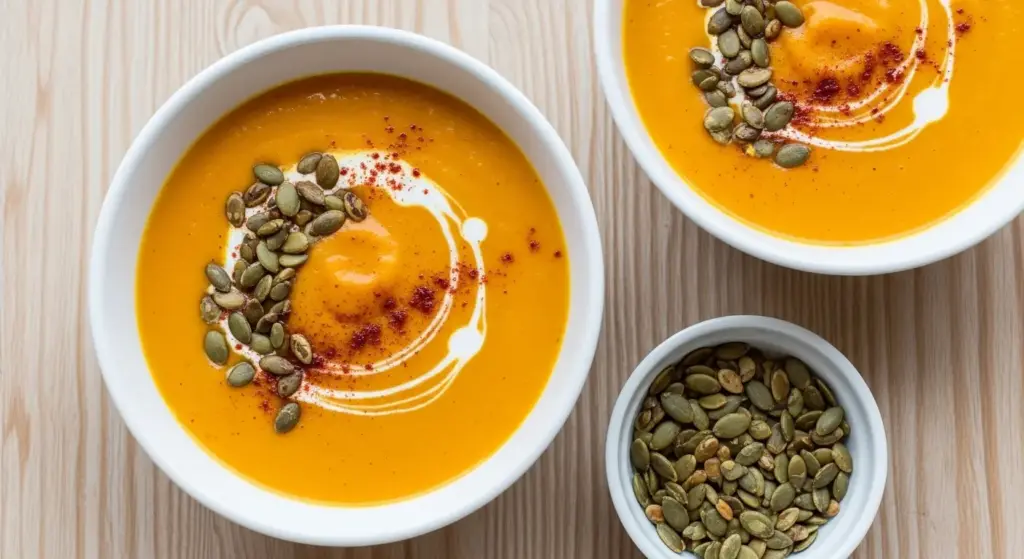
This roasted carrot soup is satisfying enough on its own but pairs beautifully with a variety of sides. It works just as well as an elegant starter as it does a filling lunch or light dinner.
A warm, crusty loaf of bread is the most classic pairing. Something with a crunchy crust that you can tear and dip into the soup is ideal.
- Crusty bread or sourdough: Nothing beats tearing off a piece of warm bread to swipe through a bowl of velvety soup.
- Grilled cheese sandwich: The combo of creamy soup and a golden, melty grilled cheese is one of life’s great pleasures.
- Broccoli Salad: A crisp, tangy broccoli salad adds a refreshing textural contrast alongside the silky soup.
- Simple green salad: A lightly dressed arugula or mixed greens salad balances out the richness of the soup perfectly.
- Garlic bread: Crispy, buttery garlic bread is another fantastic dipping option.
- Pumpkin seeds or pepitas: Scatter a handful over the bowl for a satisfying crunch and a subtle nuttiness that pairs beautifully with the carrots.
- Swirl of cream or yogurt: A decorative swirl of cream or a dollop of plain Greek yogurt adds a cool, tangy contrast to the warm, sweet soup.
Variations to Try
Once you’ve made the classic version, these simple variations give you a totally new flavor profile with minimal extra effort.
- Carrot Ginger Soup: Swap the ground ginger for 2 teaspoons of freshly grated ginger and add it to the pot along with the garlic. Fresh ginger gives the soup a brighter, more vibrant zing.
- Curried Carrot Soup: Add 2 teaspoons of red or yellow curry powder along with the other spices. Finish with coconut milk instead of cream for a beautiful Thai-inspired flavor.
- Roasted Carrot and Apple Soup: Add one peeled and chopped apple to the roasting pan alongside the carrots. The apple adds a subtle sweetness and a slightly fruity depth.
- Vegan Roasted Carrot Soup: Use vegetable broth and replace the heavy cream with full-fat canned coconut milk. The result is just as creamy and deeply satisfying.
- Spicy Carrot Soup: Add a pinch of cayenne pepper or a chopped chipotle pepper in adobo sauce along with the other spices for a smoky, spicy kick.
- Carrot and Lentil Soup: Add half a cup of red lentils to the pot along with the broth. They blend into the soup seamlessly and add protein and body.
Read Also: Curried Cauliflower Soup Recipe
Storage and Reheating
This soup stores exceptionally well, making it a perfect recipe for batch cooking and weekly meal prep.
- Refrigerator: Allow the soup to cool completely before transferring it to an airtight container. Store in the fridge for up to 5 days.
- Freezer: Pour cooled soup into freezer-safe bags or containers, leaving about an inch of space at the top for expansion. The soup freezes well for up to 3 months. Thaw overnight in the refrigerator before reheating.
- Reheating on the stovetop: Pour the soup into a saucepan and warm gently over medium-low heat, stirring occasionally. Add a splash of broth or water if the soup has thickened in storage.
- Reheating in the microwave: Transfer a portion to a microwave-safe bowl, cover loosely, and heat in 60-second intervals, stirring between each, until hot throughout.
- Do not boil when reheating: Once the cream has been incorporated, avoid bringing the soup to a boil during reheating, as this can affect the texture.
You might also enjoy: Spinach Soup Recipe
Nutritional Facts
The following values are approximate and based on one serving (1/4 of the total recipe made with heavy cream and vegetable broth). Individual values will vary based on specific ingredients and serving sizes.
| Nutrient | Per Serving |
|---|---|
| Calories | ~220 kcal |
| Total Fat | 13g |
| Saturated Fat | 5g |
| Carbohydrates | 24g |
| Dietary Fiber | 6g |
| Total Sugars | 11g |
| Protein | 3g |
| Sodium | ~620mg |
| Vitamin A | Over 300% DV |
| Vitamin C | 15% DV |
| Potassium | ~680mg |
Using coconut milk instead of heavy cream will slightly increase the saturated fat but keeps the soup entirely dairy-free. Swapping to a lower-sodium broth will significantly reduce the sodium content.
For a hearty, comforting soup with a similar nutrient profile, check out this Red Lentil Soup Recipe.
Health Benefits of Key Ingredients
This roasted carrot soup isn’t just delicious. It’s also genuinely good for you, with several star ingredients that bring real nutritional value to every bowl.
Carrots are one of the richest vegetable sources of beta-carotene, a precursor to Vitamin A that the body converts as needed. Regular consumption of beta-carotene-rich foods supports eye health, immune function, and skin health.
- Carrots: Packed with beta-carotene, Vitamin K1, potassium, and antioxidants. The natural carotenoids in carrots are associated with reduced oxidative stress and improved immune function.
- Garlic: Contains allicin, a compound with well-documented antimicrobial and anti-inflammatory properties. Garlic also supports cardiovascular health by helping maintain healthy blood pressure levels.
- Olive oil: A heart-healthy fat rich in monounsaturated fatty acids and polyphenols. Regular consumption of olive oil is associated with reduced inflammation and a lower risk of chronic disease.
- Ground ginger: Has strong anti-inflammatory and antioxidant properties. Ginger is also widely recognized for its ability to support digestion and reduce nausea.
- Ground cumin: A good source of iron and has antioxidant properties. Cumin has also been studied for its potential to support blood sugar regulation.
- Lemon juice: Rich in Vitamin C, which supports immune function and aids in the absorption of non-heme iron from plant-based foods. The acidity also brightens and balances the overall flavor of the soup.
Read Also: Vegetarian Split Pea Soup Recipe
Frequently Asked Questions
1. Can I use baby carrots instead of whole carrots?
You can, but whole carrots are strongly preferred. Whole carrots have a more concentrated, robust flavor and develop better caramelization during roasting because of their lower moisture content. Baby carrots are bred for convenience and tend to produce a milder, less nuanced soup.
2. Can I make this soup without a blender?
A blender is really essential for getting that signature smooth, creamy texture. If you don’t have a blender or immersion blender, you can use a food processor, though you may need to work in smaller batches and the final texture may be slightly less silky.
3. How do I know when the carrots are properly roasted?
The carrots are done when they are easily pierced all the way through with a fork and have visible golden-brown caramelized edges. The color should deepen from bright orange to a deeper, slightly bronzed orange. This typically takes 35 to 45 minutes at 425°F (220°C), depending on the size of your pieces and your oven.
4. Can I make this soup vegan?
Absolutely. Use vegetable broth and replace the heavy cream with full-fat canned coconut milk in the same quantity. The coconut milk adds a beautiful creaminess and a very mild, pleasant richness that works wonderfully with the spices in this recipe.
5. Why does my soup taste bland?
The most common culprit is under-seasoning. Soups need more salt than most people expect, especially when made with a large volume of vegetables. Taste the soup before serving and add salt in small increments until the flavor pops. A squeeze of fresh lemon juice is also a powerful fix for a flat-tasting soup. It brightens and lifts all the other flavors without making the soup taste sour.
For another warming soup that’s easy to customize, try this Zucchini Soup.

Roasted Carrot Soup

Equipment
- Large rimmed baking sheet
- Parchment paper
- Large Dutch oven or heavy-bottomed soup pot
- High-powered blender or immersion blender
- Sharp chef's knife
- Cutting board
- Wooden spoon or silicone spatula
- Measuring cups and spoons
- Vegetable peeler
- Fine-mesh strainer - optional, for ultra-silky finish
- Ladle - for serving
Ingredients
- 2 lbs whole carrots - 900g, peeled and cut into 1-inch (2.5cm) diagonal pieces
- 3 tablespoons extra virgin olive oil - divided
- 1 large yellow onion - roughly chopped
- 4 garlic cloves - minced
- 1 teaspoon ground coriander
- 1 teaspoon ground cumin
- 0.5 teaspoon smoked paprika
- 0.25 teaspoon ground ginger - or 1 teaspoon freshly grated ginger for a brighter flavor
- 4 cups vegetable broth or chicken broth - 960ml
- 0.33 cup heavy cream or full-fat coconut milk - 80ml
- 1 tablespoon fresh lemon juice
- salt and black pepper - to taste
For Garnish
- additional cream - for drizzling
- pumpkin seeds - or pepitas
- fresh parsley - chopped
- smoked paprika - for dusting
Instructions
- Preheat oven to 425°F (220°C). Line a baking sheet with parchment paper. Peel carrots, trim ends, and cut on a diagonal into 1-inch (2.5cm) pieces.
- Transfer carrots to the baking sheet and drizzle with 2 tablespoons olive oil. Season generously with salt and pepper, toss to coat, and spread in a single layer. Roast for 25 minutes, flip, then continue roasting 10-15 minutes until fork-tender and caramelized.
- While carrots roast, heat remaining 1 tablespoon olive oil in a large Dutch oven over medium heat. Add chopped onion with a pinch of salt and cook 8-10 minutes until softened and translucent.
- Add minced garlic, coriander, cumin, smoked paprika, and ginger. Cook 60-90 seconds while stirring constantly until fragrant.
- Pour in broth and scrape up any browned bits. Add roasted carrots and any pan juices. Bring to a boil, then reduce heat and simmer uncovered for 10-15 minutes. Remove from heat and cool for at least 5 minutes.
- Transfer soup to a blender in batches, filling no more than halfway. Remove the center cap and cover with a towel to vent steam. Blend until completely smooth. Alternatively, use an immersion blender directly in the pot.
- Return blended soup to the pot over low heat. Stir in heavy cream (or coconut milk) and fresh lemon juice. Taste and adjust seasoning with salt, pepper, or additional lemon juice. Warm through without boiling.
- Ladle into bowls and garnish with a swirl of cream, pumpkin seeds, fresh parsley, or a dusting of smoked paprika. Serve immediately.
Notes
- Roasting is essential: Don’t skip this step. Roasting caramelizes the carrots’ natural sugars and creates the deep, layered flavor that sets this soup apart.
- Use whole carrots: Whole carrots have better flavor and caramelize more evenly than pre-cut baby carrots.
- Don’t crowd the pan: Space carrots in a single layer. Overcrowding causes steaming instead of roasting. Use two baking sheets if needed.
- Bloom your spices: Cooking spices in oil for 60-90 seconds before adding liquid releases their aromatic oils and dramatically deepens the flavor.
- Cool before blending: Let soup cool slightly before blending to avoid dangerous pressure buildup in a sealed blender.
- Vegan version: Use vegetable broth and replace heavy cream with full-fat canned coconut milk for a completely dairy-free soup.
- Storage: Refrigerate in an airtight container for up to 5 days. Freezes well for up to 3 months.
- Reheating: Warm gently over low heat. Avoid boiling after cream has been added to prevent separation. Add a splash of broth if soup has thickened.
- For ultra-smooth texture: Strain the blended soup through a fine-mesh strainer before adding cream for an exceptionally silky finish.
- Flavor variations: Add fresh ginger for extra zing, curry powder for a Thai-inspired version, or a chopped apple for fruity sweetness.
Final Thoughts
This roasted carrot soup recipe is proof that the simplest ingredients, treated with a little care and technique, can produce something truly special.
The combination of caramelized roasted carrots, warming spices, and just a touch of cream creates a bowl that feels indulgent without being heavy. It’s the kind of recipe you’ll find yourself returning to again and again, through every season and every mood.
If you give this recipe a try, leave a comment below and let me know how it turned out for you! Share it with someone who could use a little warmth in their day.
Recommended:
- Carrot Soup Recipe
- Roasted Cauliflower Soup Recipe
- Cauliflower Soup Recipe
- Lobster Bisque Recipe
- Pumpkin Soup Recipe
- Corn Chowder Recipe
- Lentil Soup Recipe
- Vegetable Soup Recipe
- Maple Glazed Carrots Recipe
- Carrot Souffle Recipe