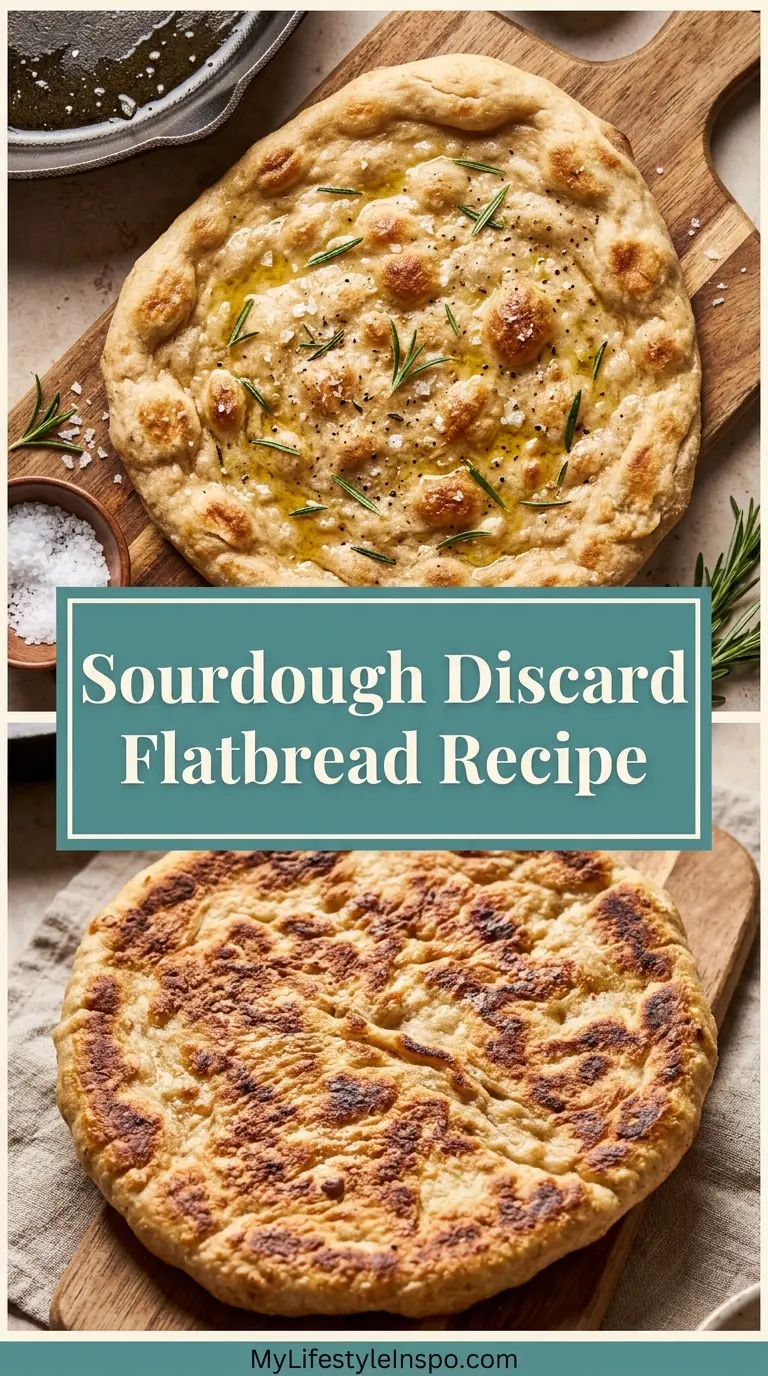
If you’ve been maintaining a sourdough starter for any length of time, you already know the guilt that comes with tossing the discard. This sourdough discard flatbread recipe is your new best solution. It turns that tangy, fermented starter into something genuinely delicious, soft, and ready in about 30 minutes flat.
No yeast required. No long rise time. Just a handful of pantry staples, a hot skillet, and a bit of patience while you roll and cook each piece.
The sourdough discard adds a subtle, pleasant tang that plain flatbreads simply don’t have. It also contributes to a softer, more pliable texture, which makes these perfect for wraps, dips, or flatbread pizzas. And because you’re using discard rather than active starter, there’s no need to wait for fermentation to work its magic.
Whether you keep a jar of discard in the fridge or you’ve just fed your starter and have leftovers to use up, this recipe works with both fed and unfed discard.
You might also enjoy: Sourdough Discard Pizza Dough

Why You’ll Love This Sourdough Discard Flatbread Recipe
This recipe is one of those weeknight wins that never gets old. It’s endlessly versatile and comes together faster than most people expect.
Here’s what makes it such a keeper:
- Zero waste: Every bit of sourdough discard you’d otherwise throw away goes into something you actually want to eat.
- No yeast, no waiting: There’s no proofing time, no rise, and no planning ahead. Mix, rest briefly, roll, and cook.
- Soft and flexible: These flatbreads stay pliable even after cooling, so they work beautifully as wraps without cracking.
- Subtle sourdough flavor: The tang is present but not overwhelming. It’s a background note that makes these flatbreads taste more complex than basic store-bought alternatives.
- Customizable: You can keep them plain, add herbs to the dough, or sprinkle on toppings before or after cooking.
- Works in a skillet or oven: Both methods produce excellent results, so you can use whatever fits your kitchen setup best.
If you love working with sourdough discard, you’ll also want to try this Sourdough Discard Focaccia for another no-fuss bake that’s packed with flavor.
Ingredients
These are simple, everyday ingredients. The key is the ratio of discard to flour, which determines how soft and pliable your flatbreads turn out. Too much flour makes them stiff; not enough makes them sticky and hard to handle.
- 1 cup (240g) sourdough discard (fed or unfed, room temperature preferred)
- 1 cup (120g) all-purpose flour, plus extra for dusting
- 1/2 teaspoon baking powder
- 1/2 teaspoon fine salt
- 1 tablespoon olive oil
- 2-4 tablespoons warm water (added as needed for dough consistency)
- Optional: 1/2 teaspoon garlic powder, dried herbs (rosemary, thyme, or za’atar)
If you’re new to maintaining a sourdough starter, check out this Sourdough Starter Recipe to get yours going before diving into discard recipes.
Kitchen Equipment Needed
You don’t need anything fancy for this recipe. A good heavy-bottomed skillet is the most important piece of equipment since it distributes heat evenly and creates those satisfying golden-brown spots.
- Large mixing bowl
- Fork or wooden spoon for mixing
- Rolling pin
- Cast iron skillet or heavy non-stick pan
- Lightly floured work surface or silicone baking mat
- Spatula or tongs for flipping
- Kitchen scale (recommended for accuracy)
- Plastic wrap or damp kitchen towel (for resting the dough)
- Parchment paper (optional, for stacking cooked flatbreads)
Read Also: Sourdough Discard Bread Recipe
Recommended Products for This Recipe
These are products that can genuinely elevate your flatbread-making experience, chosen for quality and how much difference they make in the final result.
1. Lodge Cast Iron Skillet
A quality cast iron skillet is the single best tool for cooking flatbreads. It holds heat evenly across the surface and creates that beautiful, blistered char without burning. Lodge’s pre-seasoned options are durable and affordable, making them a long-term kitchen investment.
2. OXO Good Grips Non-Stick Rolling Pin
Rolling flatbread dough to a consistent thickness is much easier with a smooth, non-stick rolling pin. OXO’s version has comfortable handles and a surface that prevents sticking even with minimal flour. Consistent thickness means all your flatbreads cook evenly at the same time.
3. Silpat Silicone Baking Mat
A silicone mat gives you a non-stick, easy-to-clean rolling surface that stays in place on the counter. It eliminates the need for excessive flouring, which can toughen the dough. It’s also handy for lining your work space when shaping the flatbreads.
4. King Arthur All-Purpose Flour
The flour you use matters more than you’d think. King Arthur All-Purpose Flour has a consistent protein content that gives these flatbreads the right amount of structure without becoming too chewy. It’s a reliable choice that produces predictable, soft results every time.
Another sourdough discard recipe worth bookmarking: Sourdough Discard Crackers
Step-by-Step Instructions
Step 1: Mix the Dough
- Add the sourdough discard to a large mixing bowl.
- Pour in the olive oil and stir briefly to combine.
- In a separate small bowl, whisk together the all-purpose flour, baking powder, and salt (plus garlic powder or dried herbs if using).
- Add the dry ingredient mixture to the discard all at once.
- Use a fork or wooden spoon to mix until a shaggy dough forms. It will look rough and slightly sticky at this point, which is normal.
- If the dough seems too dry and crumbly, add warm water one tablespoon at a time, mixing between each addition, until the dough comes together into a rough ball. You may need anywhere from 2 to 4 tablespoons depending on the hydration of your discard.
- The dough should feel slightly tacky but not sticky to the point where it clings to your hands.
Step 2: Rest the Dough
- Lightly flour your hands and gently knead the dough in the bowl for 30 to 60 seconds, just until it comes together into a smooth ball.
- Do not over-knead. These are flatbreads, not yeasted bread. You just want to bring the dough together, not develop a lot of gluten.
- Cover the bowl with plastic wrap or a damp kitchen towel.
- Let the dough rest at room temperature for 15 minutes. This rest period is important: it allows the flour to fully hydrate and makes the dough much easier to roll out without springing back. Skipping this step will make your flatbreads harder to shape.
Step 3: Divide and Shape
- After resting, turn the dough out onto a lightly floured surface.
- Divide the dough into 6 equal portions. For consistency, use a kitchen scale and aim for about 60 to 65 grams per piece.
- Roll each portion into a smooth ball between your palms.
- Keep the portions you are not currently rolling covered with a damp towel to prevent them from drying out.
- Working with one ball at a time, use a rolling pin to roll it into a rough circle or oval shape, about 7 to 8 inches (18 to 20 cm) in diameter and roughly 2 to 3mm thick.
- Aim for even thickness throughout so the flatbread cooks uniformly. Very thin edges will crisp up faster than the center, which can lead to uneven cooking.
- Do not worry about getting a perfect circle shape. Rustic edges are part of the charm of homemade flatbread.
Step 4: Preheat the Skillet
- Place your cast iron skillet or heavy non-stick pan over medium to medium-high heat.
- Allow it to heat for at least 2 to 3 minutes before adding the first flatbread. A properly preheated pan is essential for getting those golden blistered spots.
- To test if the pan is ready, hold your hand 2 inches above the surface. It should feel distinctly hot. You can also flick a small drop of water onto the surface; it should sizzle and evaporate immediately.
- Do not add oil or butter to the pan unless you specifically want a richer, slightly crispier exterior. These flatbreads cook beautifully dry.
Step 5: Cook the Flatbreads
- Carefully place a rolled-out flatbread into the dry hot skillet.
- Cook for 1.5 to 2.5 minutes on the first side. You will know it is ready to flip when small bubbles begin to form across the surface and the underside is golden with some darker spots.
- Use a spatula or tongs to flip the flatbread.
- Cook on the second side for 1 to 2 minutes, until golden and cooked through.
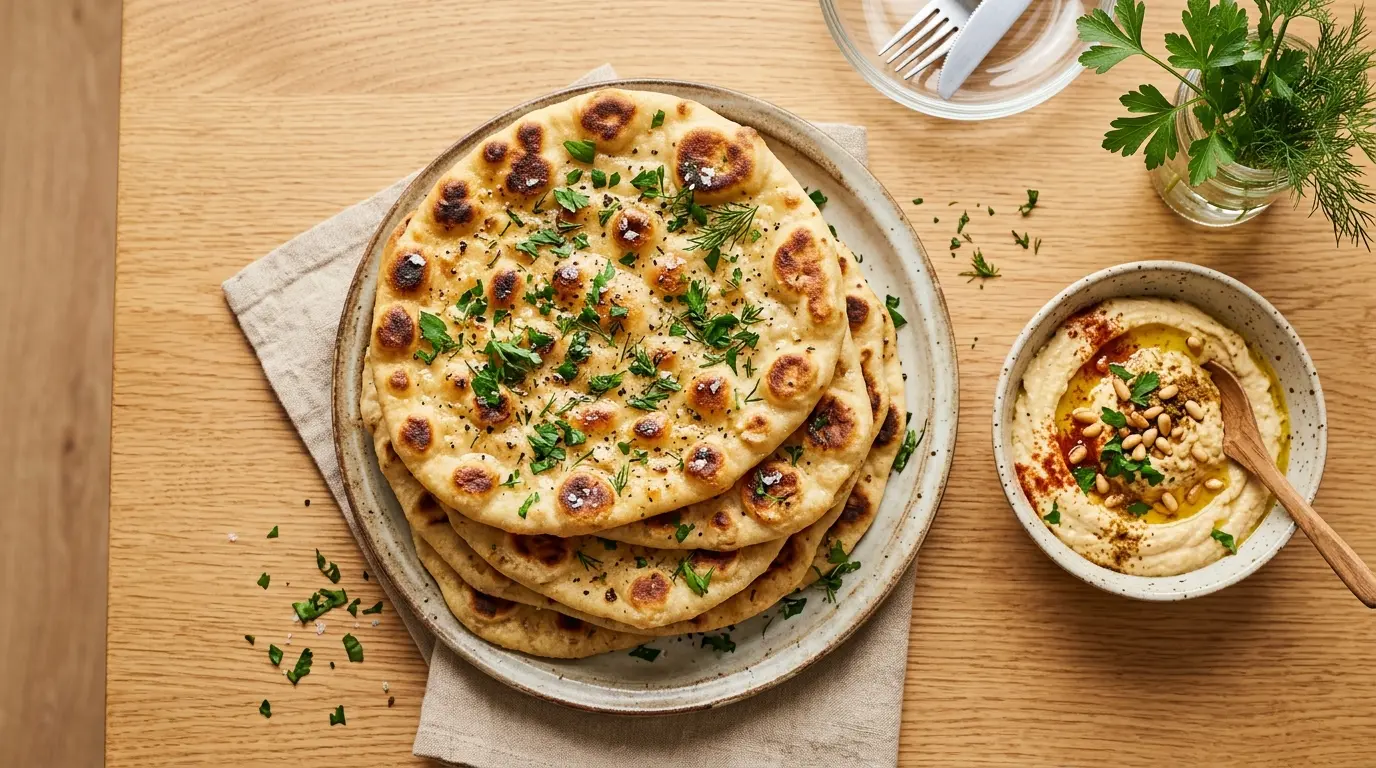
- The flatbread should feel dry to the touch and have a few charred spots on both sides when done.
- Remove from the skillet and place on a plate. Cover with a clean kitchen towel while you cook the remaining flatbreads. The steam that builds up under the towel keeps them soft and pliable instead of drying out.
- Repeat with the remaining dough portions, rolling them out as you go rather than all at once, since freshly rolled dough is easier to cook than dough that has been sitting and drying.
Step 6: Optional Seasoning
- If you want to add a finishing touch, brush each warm flatbread with a very light coat of olive oil immediately after removing from the skillet.
- Sprinkle with flaky sea salt, fresh chopped herbs, or a pinch of za’atar while the oil is still warm.
- Alternatively, rub a cut garlic clove across the surface of each warm flatbread for a fragrant garlic finish.
- Serve immediately for the best texture, or keep covered until ready to serve.
Another sourdough discard project you’ll love: Sourdough Discard Bagels
Tips for Success
A few small adjustments make a big difference with these flatbreads, especially if this is your first time making them.
- Use room temperature discard. Cold discard from the fridge is thicker and doesn’t incorporate as smoothly. Let it sit on the counter for 30 to 60 minutes before mixing.
- Don’t skip the rest. That 15-minute dough rest is not optional. Flour needs time to fully absorb the liquid, and the gluten needs to relax so rolling is easy, not a wrestling match.
- Roll to even thickness. Uneven flatbreads cook unevenly. Thinner sections will crisp and possibly burn before the thicker center cooks through.
- Preheat thoroughly. A pan that isn’t hot enough will produce pale, gummy flatbreads instead of the blistered, lightly charred result you want.
- Cover cooked flatbreads. Placing them under a towel as they come out of the pan keeps them soft. If you leave them uncovered, they will firm up and lose that pliable quality that makes them great for wraps.
- Adjust hydration carefully. Every sourdough discard is different in consistency. Add water one tablespoon at a time and stop when the dough is cohesive but not sticky.
For another quick and satisfying sourdough discard breakfast, try these Sourdough Discard English Muffins.
Serving Suggestions
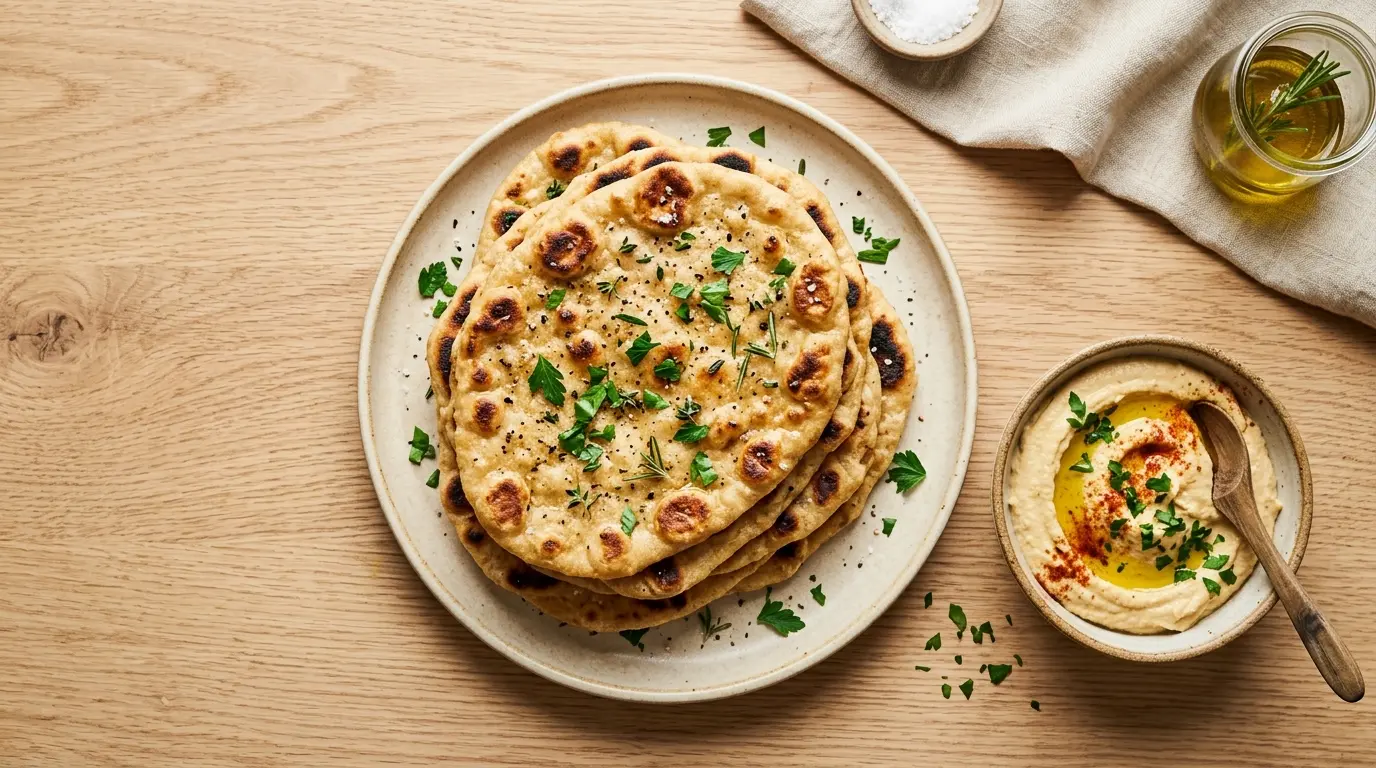
These flatbreads are wonderfully versatile. They go from the skillet to the table in so many different forms, and that’s exactly what makes them worth keeping in your weekly rotation.
Here are some of the best ways to serve them:
- With hummus and roasted vegetables: Tear the flatbreads into pieces for dipping alongside creamy hummus, roasted red peppers, or marinated olives.
- As wraps: Load them with Chicken Shawarma, sliced avocado, and pickled onions for a satisfying handheld meal.
- As a flatbread pizza base: Spread with pizza sauce, add your toppings, and pop under the broiler for 3 to 4 minutes for a quick personal pizza.
- Alongside soups and stews: These flatbreads are brilliant for scooping up thick lentil soups, stews, or curries instead of traditional bread.
- With tzatziki: Pair warm flatbreads with Tzatziki Sauce and sliced cucumbers for a simple Greek-inspired snack.
- Topped with avocado and eggs: Use them as a base for a smashed avocado toast moment, topped with a fried or poached egg and a pinch of chili flakes.
You might also enjoy: Sourdough Discard Pancakes
Variations to Try
Once you’ve nailed the basic version, there are so many ways to customize these flatbreads to suit whatever you’re making.
- Herb flatbreads: Add 1 teaspoon of dried rosemary, thyme, or oregano directly to the dough before resting. The herbs bake into the dough and add an aromatic depth.
- Garlic and sesame: Mix 1/2 teaspoon garlic powder and 1 tablespoon sesame seeds into the dough. Toasty, nutty, and great for dipping.
- Za’atar flatbreads: Combine olive oil with za’atar spice blend and brush it onto the flatbreads right after cooking. Middle Eastern flavor in under a minute.
- Whole wheat version: Replace up to half the all-purpose flour with whole wheat flour for a nuttier flavor and slightly heartier texture.
- Cheesy flatbreads: Sprinkle shredded mozzarella or Parmesan over one side of the flatbread in the last minute of cooking. Cover the skillet briefly so the cheese melts.
- Spiced version: Add 1/2 teaspoon cumin and a pinch of smoked paprika for a warm, earthy flavor that works beautifully with dips and curries.
- Sweet flatbreads: Skip the garlic and herbs, and after cooking brush with melted butter and a sprinkle of cinnamon sugar for a simple dessert flatbread.
If you love sourdough discard baked goods, these Sourdough Discard Biscuits are another must-make.
Storage and Reheating
These flatbreads store well, which makes them a great batch-cook option for the week ahead.
- Room temperature: Stack cooled flatbreads with small pieces of parchment paper between each one to prevent sticking. Place in a zip-lock bag or an airtight container and store at room temperature for up to 2 days.
- Refrigerator: Stored the same way in an airtight container, they will keep in the refrigerator for up to 5 days. The texture is best when reheated rather than served cold.
- Freezer: These flatbreads freeze beautifully. Layer them with parchment between each piece, place in a freezer bag, and freeze for up to 2 months. Thaw at room temperature or reheat straight from frozen.
- Reheating: Warm briefly in a dry skillet over medium heat for 30 to 60 seconds per side. Alternatively, wrap in foil and warm in a 350°F (175°C) oven for 5 to 8 minutes. Microwaving works in a pinch but can make them slightly rubbery, so a skillet or oven is preferred.
Read Also: Easy Sourdough Bread Recipe
Nutritional Facts
The following is an approximate nutritional breakdown per flatbread, based on a yield of 6 flatbreads from this recipe. Values will vary depending on the hydration and composition of your specific sourdough discard, as well as any toppings or additions.
| Nutrient | Per Flatbread (approx.) |
|---|---|
| Calories | 115-130 kcal |
| Carbohydrates | 21-23g |
| Protein | 3-4g |
| Fat | 2-3g |
| Fiber | 0.8-1g |
| Sodium | 180-200mg |
| Sugar | 0-1g |
These flatbreads are relatively low in fat and provide a good amount of carbohydrates for energy. Adding whole wheat flour will increase the fiber content slightly. The sourdough fermentation process may also improve the digestibility of the starches compared to regular flatbreads made without a starter.
Another sourdough-based bread worth making: Sourdough Sandwich Bread
Health Benefits of Key Ingredients
Each ingredient in this recipe brings something useful to the table beyond just flavor and texture.
Sourdough discard is partially fermented flour and water. Even in discard form, the fermentation process has already begun to break down some of the phytic acid in the wheat, which can improve mineral absorption. It also introduces beneficial organic acids that may aid digestion compared to unfermented doughs.
All-purpose flour provides the structure these flatbreads need, along with complex carbohydrates that offer sustained energy. Opting for unbleached flour preserves a bit more of the natural nutrients found in the wheat.
Olive oil is a source of heart-healthy monounsaturated fats and antioxidants, particularly polyphenols. Even the small amount in this recipe contributes to a richer mouthfeel and helps the flatbreads stay soft.
Here are the key benefits at a glance:
- Fermented sourdough discard may support gut health through its organic acid content and improved digestibility.
- Whole wheat flour (if used) adds dietary fiber, B vitamins, and minerals like iron and magnesium.
- Olive oil provides oleic acid and antioxidants that support cardiovascular health.
- Low sugar content makes these flatbreads a more balanced carbohydrate choice compared to many commercial bread products.
- No added preservatives since these are made from scratch with natural ingredients.
Looking for more sourdough discard treats? These Sourdough Discard Cinnamon Rolls are absolutely worth the effort.
Frequently Asked Questions
1. Can I use active sourdough starter instead of discard?
Yes, absolutely. Active (fed) starter works just as well as discard in this recipe. The texture and flavor will be very similar. The main difference is that active starter tends to be slightly thicker and more bubbly, so you may need to reduce the water you add to the dough by a tablespoon or two.
2. My dough is too sticky to roll. What should I do?
This usually means the discard was very wet, or the ratio of liquid to flour is slightly off. Add additional all-purpose flour one tablespoon at a time, kneading it in gently between additions, until the dough is manageable. Alternatively, let the dough rest an extra 10 minutes; sometimes the flour just needs more time to fully absorb the liquid.
3. Can I make the dough ahead of time?
Yes. You can prepare the dough, wrap it tightly in plastic wrap, and refrigerate it overnight. When you’re ready to cook, let the dough sit at room temperature for 20 to 30 minutes before rolling. Cold dough is stiffer and harder to roll evenly, so that rest time at room temperature makes a noticeable difference.
4. Why are my flatbreads coming out pale and gummy?
The most common reason is a pan that wasn’t hot enough before you added the dough. A properly preheated cast iron or heavy skillet is key. Let the pan heat for at least 2 to 3 minutes over medium-high heat before adding the flatbread. If you’re consistently getting pale results, try increasing the heat slightly and cooking for a slightly shorter time per side.
5. Can I bake these in the oven instead of cooking them on the stovetop?
Yes. Preheat your oven to 450°F (230°C) and place a baking sheet inside while it heats. Once hot, carefully remove the baking sheet, lightly dust it with flour, and place the rolled flatbreads on it. Bake for 6 to 8 minutes, flipping once halfway through, until puffed and golden. The stovetop method gives you more control over browning, but the oven method is great if you want to cook multiple flatbreads at once.
Read Also: Sourdough Discard Chocolate Chip Cookies
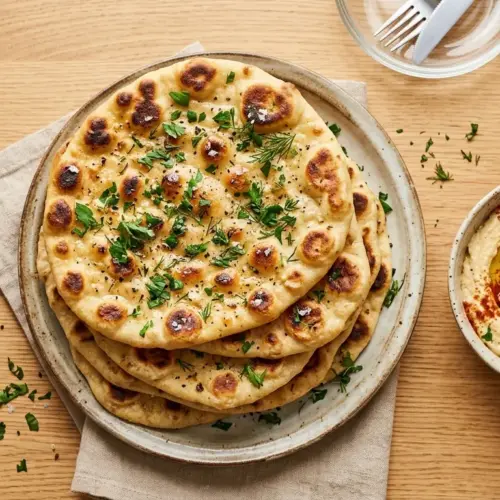
Sourdough Discard Flatbread

Equipment
- Large mixing bowl
- Fork or wooden spoon
- Rolling Pin
- Cast iron skillet or heavy non-stick pan - Cast iron creates the best golden-brown spots and even heating.
- Lightly floured work surface or silicone baking mat - A silicone mat makes for easy clean-up and less sticking.
- Spatula or tongs - For flipping the flatbreads safely.
- Kitchen scale - Highly recommended for accurate portioning.
- Plastic wrap or damp kitchen towel - For resting and covering the dough.
- Parchment paper - Optional, for stacking cooked flatbreads to prevent sticking.
Ingredients
- 1 cup sourdough discard - 240g, fed or unfed, room temperature preferred
- 1 cup all-purpose flour - 120g, plus extra for dusting
- 1/2 teaspoon baking powder
- 1/2 teaspoon fine salt
- 1 tablespoon olive oil
- 2-4 tablespoons warm water - Added as needed for dough consistency
Optional Add-ins
- 1/2 teaspoon garlic powder - Optional
- dried herbs - Optional, such as rosemary, thyme, or za’atar
For Finishing (Optional)
- 1 tablespoon olive oil - For brushing on warm flatbreads (optional)
- flaky sea salt - For sprinkling (optional)
- fresh chopped herbs - For sprinkling (optional)
Instructions
- In a large bowl, combine the sourdough discard and olive oil. In a separate bowl, whisk together the flour, baking powder, and salt (plus optional garlic powder or herbs). Add the dry ingredients to the wet mixture and stir until a shaggy dough forms. If too dry, add warm water 1 tablespoon at a time until cohesive.
- Lightly flour your hands and gently knead the dough in the bowl for 30-60 seconds until smooth. Do not over-knead. Cover the bowl with plastic wrap or a damp towel and let the dough rest at room temperature for 15 minutes.
- Turn the dough onto a lightly floured surface. Divide it into 6 equal portions (about 60-65g each). Roll each piece into a ball, keeping the others covered. Working one at a time, roll each ball into a rough 7-8 inch circle, about 2-3mm thick.
- Preheat your skillet over medium-high heat for 2-3 minutes until very hot. Do not add oil. Place one flatbread into the dry hot pan and cook for 1.5-2.5 minutes until bubbles form and the underside is golden with dark spots. Flip and cook for 1-2 minutes more on the second side.
- Remove from the skillet and stack on a plate, covering with a clean kitchen towel to keep them soft. Repeat with the remaining dough. For extra flavor, brush warm flatbreads with olive oil and sprinkle with flaky sea salt or herbs.
Notes
- Room temperature discard: Let cold discard sit out for 30-60 minutes before mixing so it incorporates more smoothly.
- Don’t skip the rest: The 15-minute rest allows the flour to hydrate and the gluten to relax, making the dough much easier to roll out.
- Even thickness: Roll the dough to an even 2-3mm thickness to ensure uniform cooking. Thinner areas will crisp and burn before the center cooks.
- Hot pan is key: A properly preheated pan is essential for getting those beautiful golden blistered spots. If the pan is too cool, the flatbreads will be pale and gummy.
- Keep them covered: Stack the cooked flatbreads under a clean kitchen towel. The trapped steam keeps them soft and pliable for wrapping.
- Hydration varies: Every sourdough discard has a different consistency. Add water slowly and stop when the dough is tacky but not sticky.
- Make-ahead: You can prepare the dough, wrap it tightly in plastic wrap, and refrigerate overnight. Let it come to room temperature for 20-30 minutes before rolling out.
- Storage: Store cooled flatbreads stacked with parchment paper between each piece in an airtight container at room temperature for 2 days, or refrigerate for up to 5 days. Freeze for up to 2 months.
- Reheating: Warm in a dry skillet over medium heat for 30-60 seconds per side, or wrap in foil and heat in a 350°F oven for 5-8 minutes.
- Oven method: To bake instead, preheat oven to 450°F (230°C) with a baking sheet inside. Carefully place rolled flatbreads on the hot sheet and bake for 6-8 minutes, flipping once, until puffed and golden.
Final Thoughts
This sourdough discard flatbread recipe is one of those simple pleasures that makes maintaining a sourdough starter feel completely worthwhile.
It takes very little effort, uses ingredients you almost certainly already have, and produces something genuinely delicious that you’ll find yourself making on repeat.
Give it a try the next time you have discard to use up, and don’t be surprised if it becomes your go-to quick bread. If you make it, leave a comment below and tell me how you served yours!
Recommended:
- Sourdough Focaccia
- Garlic Naan Bread
- Avocado Toast
- Hummus Pizza
- Flour Tortilla
- Corn Tortilla
- Chicken Tikka Masala
- Basil Pesto
- Easy Hummus
- Classic Bruschetta