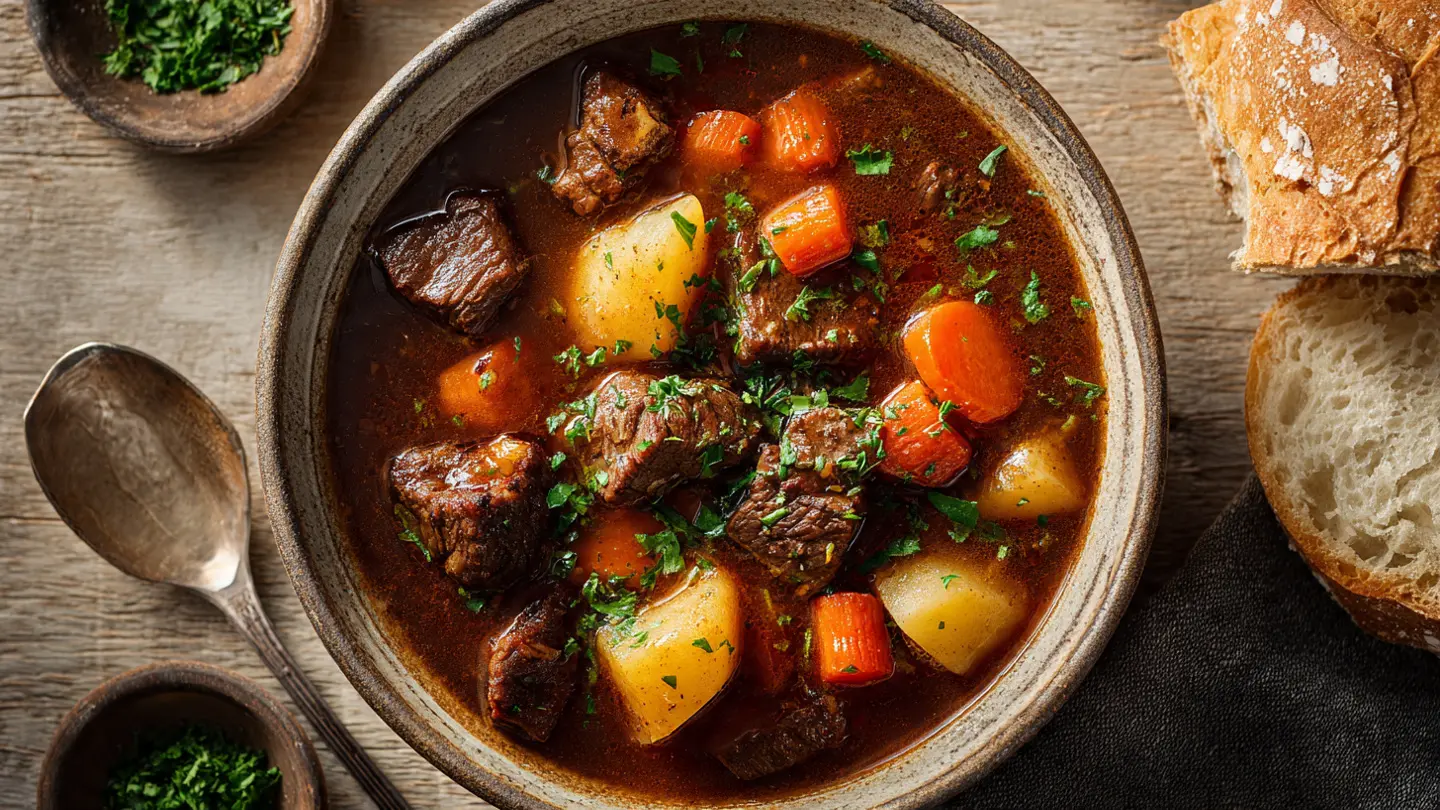
This pepper pot soup recipe is one of those deeply satisfying dishes that feels like it was made for slow winter afternoons and cold evenings when you just need something truly warming in your belly. Rich, thick, peppery, and packed with tender beef, root vegetables, and herbs, this soup has a history as bold as its flavor. Rooted in African and Caribbean culinary tradition and made famous by the Black street vendors of colonial Philadelphia, pepper pot soup is a dish that’s stood the test of centuries.
What makes this version particularly special is how every ingredient earns its place. The beef tripe lends a mild, distinctive umami richness that you simply can’t replicate with other proteins. The combination of black pepper, allspice, and cayenne gives the broth its signature heat and depth. And the root vegetables — potatoes, carrots, celery, and bell pepper — soak up all that savory goodness as they simmer low and slow.
If you’ve never made pepper pot soup before, don’t be intimidated. This recipe walks you through every step with beginner-friendly guidance, so even if you’re new to cooking with tripe, you’ll feel completely confident by the time you’re ladling it into bowls. (And if tripe is a hard pass for you, there’s a simple beef substitution in the Variations section.)
For a similarly bold and warming bowl, you might also enjoy this Caribbean Fish Soup that brings the same island-inspired depth to your table.
Why You’ll Love This Pepper Pot Soup Recipe
Pepper pot soup is the kind of recipe that rewards you beyond just great flavor — it’s genuinely one of the most interesting and culturally rich dishes you can make at home.
Here’s why this recipe is worth adding to your regular rotation:
- Deeply savory broth. The slow-simmered combination of beef tripe, broth, vegetables, and spices creates a broth that’s layered, bold, and absolutely satisfying.
- Incredibly filling. The combination of protein, root vegetables, and starch means a bowl of this soup is a complete, hearty meal on its own.
- Budget-friendly. Beef tripe is one of the most affordable proteins you can buy, making this a rich-tasting dish that’s easy on the wallet.
- Great for meal prep. Pepper pot soup tastes even better the next day, making it perfect for batch cooking and weekday lunches.
- A piece of culinary history. Making this soup connects you to a fascinating story spanning West Africa, the Caribbean, and colonial America.
- Freezes beautifully. Make a big pot and freeze portions for future meals with zero loss of quality.
You might also love this Black Bean Soup for another hearty, satisfying bowl with deep, earthy flavors.
Ingredients
This recipe uses a focused, traditional set of ingredients to deliver an authentic pepper pot soup that hits all the right notes. Each item has a purpose, so try not to skip anything on the list.
- 2 lbs (900g) honeycomb beef tripe, cleaned and cut into 1/2-inch (1.25cm) pieces
- 1 lb (450g) beef stew meat or beef shin, cut into 1-inch (2.5cm) cubes
- 8 cups (2 liters) beef bone broth or low-sodium beef broth
- 2 cups (475ml) water
- 2 tablespoons vegetable oil or lard
- 1 large yellow onion, finely diced
- 1 large green bell pepper, diced
- 3 stalks celery, sliced
- 3 medium carrots, peeled and diced
- 4 cloves garlic, minced
- 2 medium russet potatoes, peeled and cut into 1/2-inch (1.25cm) cubes
- 2 tablespoons tomato paste
- 1 teaspoon black pepper, freshly ground (plus more to taste)
- 1 teaspoon allspice (ground)
- 1/2 teaspoon cayenne pepper (adjust to heat preference)
- 1/2 teaspoon dried oregano
- 1/2 teaspoon dried thyme
- 1/4 teaspoon ground cloves
- 2 bay leaves
- 1 tablespoon apple cider vinegar
- 2 tablespoons cornstarch mixed with 3 tablespoons cold water (slurry)
- Salt to taste
- Fresh flat-leaf parsley, chopped, for garnish
For another comforting, deeply flavored dish that makes great use of slow-cooked beef, check out this Beef and Barley Soup.
Kitchen Equipment Needed
You don’t need any fancy tools for this recipe, but a few key items make the process noticeably smoother and more enjoyable.
- Large Dutch oven or heavy-bottomed stockpot (6-8 quart / 5.5-7.5 liter capacity)
- Sharp chef’s knife and sturdy cutting board
- Wooden spoon or heat-resistant spatula for stirring
- Measuring cups and measuring spoons
- Ladle for serving
- Small bowl for mixing the cornstarch slurry
- Colander for rinsing the tripe
- Tongs for handling meat during browning
Read Also: Stuffed Pepper Soup Recipe
Recommended Products for This Recipe
These are hand-picked recommendations based on quality, performance, and how much they genuinely improve the end result of this soup.
1. Beef Bone Broth (Grass-Fed)
A high-quality grass-fed beef bone broth makes an enormous difference in the final flavor of this soup. It brings natural collagen, depth, and a rich body to the broth that you simply can’t achieve with standard stock.
2. Pre-Cleaned Honeycomb Beef Tripe
Sourcing good tripe is the most important step in this recipe. Pre-cleaned honeycomb tripe is the ideal choice — it’s the most flavorful variety, with a distinctive texture that soaks up the spiced broth beautifully.
3. Enameled Cast Iron Dutch Oven
An enameled cast iron Dutch oven distributes heat evenly and holds temperature beautifully during long, slow simmers. It’s the single best tool for this recipe and will serve you for decades.
4. Freshly Ground Allspice
Pre-ground allspice loses potency quickly. Using a whole allspice and grinding it fresh for this recipe delivers a noticeably brighter, more complex flavor that elevates the entire soup.
5. Immersion Blender (Optional)
If you prefer a slightly thicker, smoother broth, an immersion blender lets you partially blend a portion of the soup right in the pot without transferring hot liquid to a countertop blender.
You might also enjoy this Ham and Bean Soup — another slow-simmered classic that’s just as warming and satisfying.
Step-by-Step Instructions
Step 1: Clean and Prep the Beef Tripe
- Place the tripe in a colander and rinse it thoroughly under cold running water.
- Sprinkle the tripe generously with salt and rub it into all the crevices to help clean and deodorize the meat.
- Rinse again under cold water until the water runs clear.
- Place the tripe in a medium saucepan, cover with cold water, and bring to a boil over high heat.
- Boil for 10-15 minutes, then drain and rinse again under cold water.
- Once cool enough to handle, cut the tripe into 1/2-inch (1.25cm) pieces and set aside.
Step 2: Brown the Beef Stew Meat
- Pat the beef stew meat dry with paper towels — this helps achieve a good brown crust.
- Season the beef pieces generously with salt, freshly ground black pepper, and a pinch of allspice.
- Heat the vegetable oil in your large Dutch oven over medium-high heat until shimmering.
- Add the beef in a single layer, working in batches so you don’t crowd the pan (crowding causes steaming rather than browning).
- Sear each piece for 2-3 minutes per side until a deep brown crust forms.
- Remove the browned beef from the pot and set aside on a plate.
Step 3: Sauté the Aromatics
- Reduce the heat in the Dutch oven to medium. If needed, add a small drizzle of oil.
- Add the diced onion, green bell pepper, and celery to the pot.
- Stir well, scraping up any browned bits from the bottom of the pan — those bits are packed with flavor.
- Cook, stirring occasionally, for 6-8 minutes until the vegetables are softened and the onion is translucent.
- Add the minced garlic and cook for another 1-2 minutes until fragrant, stirring constantly to prevent the garlic from burning.
Step 4: Add Tomato Paste and Dry Spices
- Push the vegetables to one side of the pot and add the tomato paste directly to the hot surface.
- Cook the tomato paste for 2 minutes, stirring it around, until it darkens slightly from bright red to a deeper brick color — this step removes the raw flavor and adds a subtle sweetness.
- Stir the tomato paste into the vegetables.
- Add the black pepper, allspice, cayenne, oregano, thyme, and ground cloves.
- Stir everything together and cook for 1 minute so the dry spices toast lightly in the fat, which intensifies their flavor.
Step 5: Build the Broth and Simmer the Meat
- Return the browned beef stew meat to the pot.
- Add the cleaned, pre-boiled tripe pieces.
- Pour in the beef bone broth and water, then stir to combine everything well.
- Add the bay leaves and apple cider vinegar.
- Bring the mixture to a boil over high heat, then reduce to a low simmer.
- Cover the pot and simmer for 1.5 to 2 hours, stirring every 30 minutes, until the tripe is tender and the beef is very soft. The tripe should offer only a gentle chew — if it’s still tough, continue cooking in 15-minute increments.
Step 6: Add the Root Vegetables
- Once the tripe and beef are tender, add the diced carrots and cubed russet potatoes to the pot.
- Stir to combine and ensure the vegetables are submerged in the broth.
- Re-cover the pot and continue simmering for 20-25 minutes until the potatoes are fork-tender and the carrots are soft but not mushy.
Step 7: Thicken the Soup
- In a small bowl, whisk together the cornstarch and cold water until smooth — this is your slurry.
- Slowly pour the cornstarch slurry into the simmering soup while stirring constantly.
- Continue stirring for 2-3 minutes as the soup thickens slightly. The finished soup should have a rich, velvety consistency rather than a thin broth.
- If you prefer a slightly thicker texture, you can partially blend about 1 cup of the soup using an immersion blender and stir it back in.
Step 8: Season and Serve
- Remove and discard the bay leaves.
- Taste the soup and adjust seasoning with salt, additional black pepper, and cayenne pepper as needed.
- Ladle the hot soup into bowls.
- Garnish generously with freshly chopped flat-leaf parsley.
- Serve immediately with crusty bread or cornbread on the side.
For another impressive, slow-simmered soup with rich depth of flavor, try this Beef Bone Broth Soup.
Tips for Success
A few key techniques will take this pepper pot soup from good to truly exceptional. Keep these in mind as you cook.
- Don’t skip blanching the tripe. That initial 10-15 minute boil and rinse removes impurities and any lingering odor, giving you a cleaner, milder flavor in the finished soup.
- Brown the beef in batches. Crowding the pan is the number one reason meat ends up gray instead of beautifully browned. Work in smaller batches and take your time.
- Toast your spices. Cooking the dry spices briefly in the fat before adding liquid wakes up their essential oils and dramatically deepens the flavor.
- Low and slow is the key. Tripe needs time to become truly tender. Rushing the simmer at high heat will leave you with tough, rubbery pieces. Patience is rewarded here.
- Season in layers. Season the meat before browning, season the vegetables as they cook, and taste and adjust again at the very end. This builds complexity.
- Make it a day ahead. Like most slow-cooked soups and stews, pepper pot soup tastes noticeably better the next day once the flavors have had time to fully meld and develop.
Read Also: Hamburger Soup Recipe
Serving Suggestions
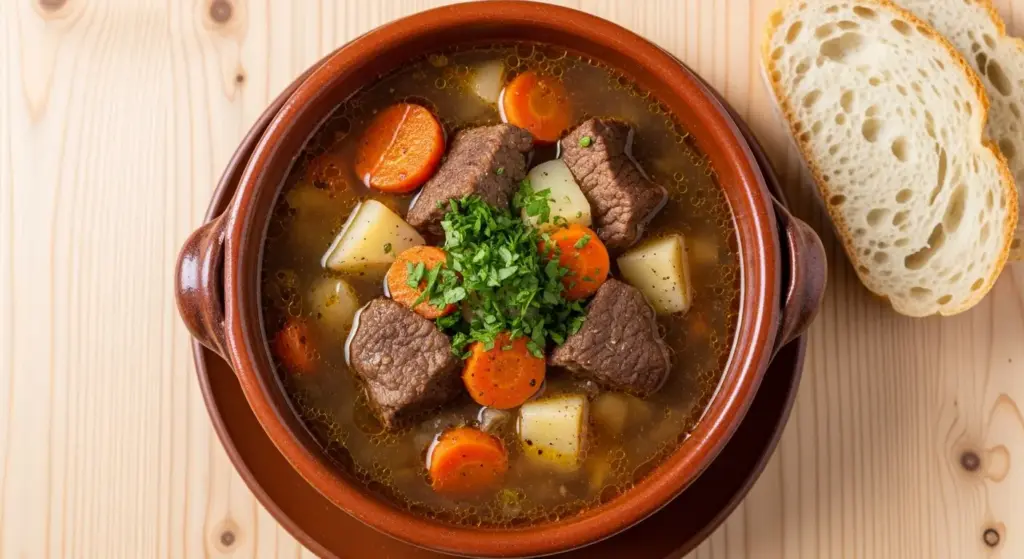
Pepper pot soup is satisfying enough to be a complete meal on its own, but pairing it with the right accompaniments makes the experience even more enjoyable.
- Crusty sourdough bread is the classic partner here, perfect for soaking up every last drop of that rich, peppery broth.
- Skillet cornbread adds a slightly sweet, crumbly contrast that works beautifully with the savory, spiced flavors of the soup. Pair it with a slice of Skillet Cornbread for a true Southern-inspired meal.
- White rice is a traditional serving option especially popular in Caribbean versions of the dish — the rice soaks up the broth and adds a comforting starchiness.
- Collard greens as a side dish complement the soulful, historically rich nature of this soup perfectly.
- Simple green salad provides a fresh, light contrast to balance the richness of the soup.
- Hot sauce on the side lets each person customize the heat level at the table, which is a classic way to serve this dish.
Variations to Try
Once you’ve mastered the base recipe, there are some excellent ways to customize and explore different takes on this dish.
- Beef tripe substitute version. If tripe isn’t available or isn’t your preference, replace it with an equal amount of beef chuck or oxtail. The soup will have a different but equally delicious richness.
- Jamaican-style pepper pot soup. Add callaloo (or spinach as a substitute), scotch bonnet pepper, yam, and fresh thyme. Omit the tomato paste and lean heavily on the scotch bonnet heat.
- Chicken pepper pot soup. Swap the beef tripe and stew meat for bone-in chicken thighs. Reduce the simmering time to 45-60 minutes total.
- Vegetable pepper pot soup. Use a rich vegetable broth, omit the meat entirely, and double up on root vegetables like turnips, parsnips, and yam for a hearty plant-based version.
- Slow cooker version. Complete Steps 1-4 on the stovetop, then transfer everything to the slow cooker. Cook on low for 8-10 hours or high for 5-6 hours, adding the potatoes and carrots in the last 2 hours.
- Spicier version. Add a whole scotch bonnet pepper (pierced, not punctured, to control heat) to the pot during the long simmer, and remove it before serving.
Another classic soup that takes well to variation is this Minestrone Soup.
Storage and Reheating
Pepper pot soup stores beautifully and is one of those recipes that practically improves with time, making it ideal for leftovers and meal prep.
- Refrigerator: Allow the soup to cool completely before transferring to airtight containers. Store in the refrigerator for up to 4 days.
- Freezer: Portion the cooled soup into freezer-safe containers or zip-lock bags. Freeze for up to 3 months. Note that potatoes can become slightly grainy after freezing — if you plan to freeze the soup, consider adding fresh potatoes when reheating instead.
- Stovetop reheating: Transfer the soup to a pot over medium-low heat. Add a splash of water or broth if it has thickened too much overnight. Stir occasionally and heat until fully warmed through, about 8-10 minutes.
- Microwave reheating: Transfer a serving to a microwave-safe bowl, cover loosely, and heat in 90-second increments, stirring between each, until hot throughout.
For another freezer-friendly soup that works perfectly for batch cooking, try this Chicken Vegetable Soup.
Nutritional Facts
Per serving (approximately 1.5 cups / 355ml), based on 6 servings:
| Nutrient | Amount |
|---|---|
| Calories | ~310 kcal |
| Total Fat | 12g |
| Saturated Fat | 3.5g |
| Cholesterol | 145mg |
| Sodium | 680mg |
| Total Carbohydrates | 22g |
| Dietary Fiber | 3g |
| Sugars | 4g |
| Protein | 28g |
| Vitamin A | 70% DV |
| Vitamin C | 35% DV |
| Iron | 25% DV |
| Calcium | 6% DV |
Note: Nutritional values are estimates and will vary based on specific brands and ingredients used.
You might also enjoy exploring the nutritional richness of a Prime Rib Soup for another hearty, protein-rich bowl.
Health Benefits of Key Ingredients
Beyond its incredible flavor, pepper pot soup is genuinely nutritious. The combination of ingredients delivers a wide range of vitamins, minerals, and protein.
Beef tripe is one of the most nutrient-dense proteins you can include in your diet. It’s an excellent source of lean protein, zinc, selenium, and vitamin B12, all of which support immune function, energy production, and muscle health.
Here are some key health highlights from this soup:
- Beef tripe: High in protein (around 17g per 100g) while being relatively low in fat compared to other beef cuts. Rich in choline, which supports brain and liver health.
- Carrots: Packed with beta-carotene, which the body converts to vitamin A, supporting vision, skin, and immune health.
- Garlic: Contains allicin, a compound with well-documented antimicrobial and anti-inflammatory properties.
- Bell peppers: One of the richest vegetable sources of vitamin C, which supports collagen production and immune defense.
- Celery: A good source of vitamin K and folate, and provides antioxidants that help reduce inflammation.
- Black pepper: Contains piperine, which enhances the bioavailability of other nutrients and has antioxidant properties.
- Apple cider vinegar: Supports gut health and helps balance the pH of the broth, making the final soup more digestible.
- Potatoes: A great source of potassium and resistant starch, which feeds beneficial gut bacteria.
Read Also: Vegetable Soup Recipe
Frequently Asked Questions
1. What does pepper pot soup taste like?
Pepper pot soup has a rich, savory, deeply spiced flavor with a warming heat that builds gradually. The broth is thick and robust, with notes of allspice, black pepper, and herbs. The tripe is mild and meaty, taking on the flavor of everything it’s cooked with. Overall, it’s bold and satisfying in a way that’s unlike any other soup.
2. Is beef tripe difficult to cook?
Tripe requires a good rinse and a pre-boil to clean it properly, and it does need a long simmer to become tender. But beyond those steps, it’s not technically difficult at all. Once you’ve done it once, it feels very straightforward. The detailed instructions in this recipe make the process accessible even for first-timers.
3. Can I make pepper pot soup without tripe?
Yes, absolutely. The most common substitutes are beef chuck, beef shin, or oxtail. These cuts share a similar richness when slow-cooked and will give you a deeply flavorful soup. The texture will be different from the traditional version, but the soup will still be hearty and delicious.
4. How do I know when the tripe is done?
Properly cooked tripe should be tender enough to bite through easily but still have a slight, pleasant chew — similar to well-cooked calamari. If it’s still tough or rubbery, simply continue simmering in 15-minute intervals until you reach that tender bite. Don’t rush this step, as undercooked tripe is very chewy.
5. Can I make this soup in a slow cooker?
Absolutely. Complete the browning and sautéing steps on the stovetop first (Steps 1-4), then transfer everything to the slow cooker. Cook on low for 8-10 hours or on high for 5-6 hours, adding the potatoes and carrots in the final 1.5-2 hours so they don’t turn to mush. Stir in the cornstarch slurry during the last 30 minutes of cooking to thicken.
Read Also: Chicken Soup Recipe
Final Thoughts
Pepper pot soup is a recipe that rewards patience, curiosity, and a willingness to cook outside of your comfort zone. Once you taste that rich, spiced, deeply savory broth loaded with tender beef and vegetables, it’s the kind of dish you’ll find yourself craving on repeat.
Give this pepper pot soup recipe a try — it’s the perfect project for a weekend when you want to fill your kitchen with incredible aromas and put something truly special on the table. If you make it, leave a comment below to share how it turned out, or tag your photos so the community can see your bowl!
Recommended:
- Mulligatawny Soup
- Chicken Stew
- Loaded Potato Soup
- Tom Yum Soup
- Brunswick Stew
- Caldo de Res
- Lentil Soup
- Kale Soup
- Sauerkraut Soup
- Hot and Sour Soup