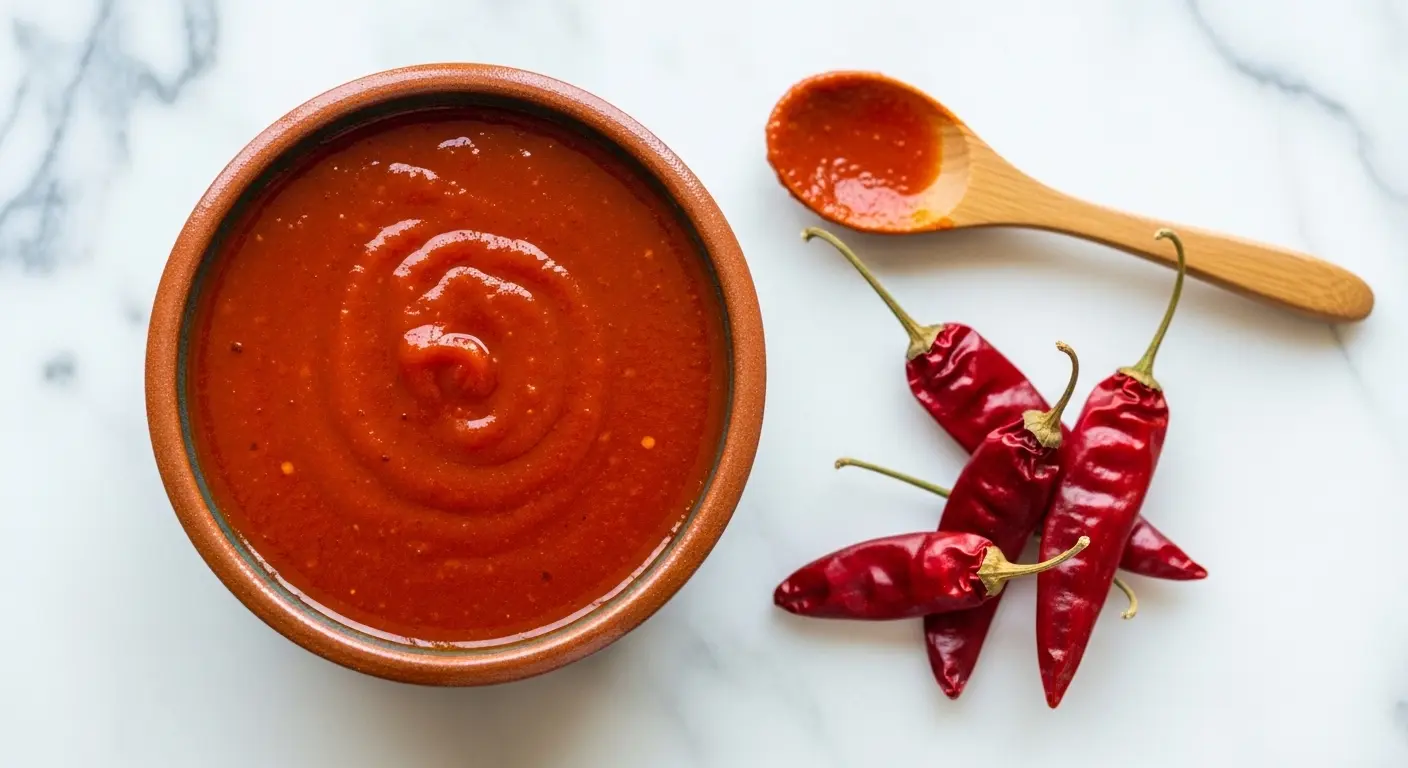
Making your own enchilada sauce recipe at home is one of those kitchen moves that feels small but completely transforms a meal.
Store-bought canned sauce just can’t compete with the deep, warm flavors you get from toasting spices in a roux and simmering them with a good broth.
This version comes together in about 15 minutes using pantry staples you probably already have, and it delivers a rich, velvety sauce with just the right balance of smoky chili, savory garlic, and earthy cumin.
Once you taste the difference, going back to the can will feel like a step backward.
This recipe makes about 2 cups (480ml) of sauce, enough to generously coat a full pan of enchiladas.
It’s the kind of foundational recipe that earns a permanent spot in your weekly rotation, because once you’ve made it, you’ll find yourself reaching for it on taco nights, burrito nights, and everything in between.
If you love saucy Mexican-inspired dishes, you’ll also want to bookmark this Enchilada Skillet for a quick weeknight dinner that puts this sauce to great use.
Why You’ll Love This Enchilada Sauce Recipe
This sauce is genuinely one of the most rewarding things to make from scratch because the effort is so small compared to the payoff.
You’re looking at a handful of spices, some oil, flour, broth, and tomato paste, all of which likely live in your pantry right now.
It’s incredibly versatile too. Beyond classic enchiladas, you can use it as a base for soups, a drizzle over tacos, a simmer sauce for chicken, or a dip for warm tortilla chips.
The homemade version also gives you full control over the heat level, the salt content, and the consistency, something no store-bought can offers.
Here’s why readers keep coming back to this recipe:
- Ready in 15 minutes from start to finish
- Pantry-friendly ingredients you don’t need a specialty store to find
- Naturally dairy-free and can be made gluten-free with a simple flour swap
- Freezer-friendly so you can make a double batch and stash half
- Far superior in flavor to canned versions, with no preservatives or MSG
- Customizable heat by adjusting the chili powder up or down
Also try this Enchiladas Suizas Recipe for a creamy, tangy twist that pairs beautifully with this red sauce.
Ingredients
The beauty of this enchilada sauce is that it doesn’t require any unusual ingredients. The key is using good-quality chili powder, since it’s the backbone of the sauce’s flavor. American-style chili powder is a blend of chiles and other seasonings, which is exactly what you need here.
- 3 tablespoons (45ml) vegetable oil or avocado oil
- 3 tablespoons (24g) all-purpose flour
- 2 tablespoons (14g) chili powder (American-style, not cayenne-only)
- 1 teaspoon (3g) garlic powder
- 1 teaspoon (3g) ground cumin
- ½ teaspoon (1g) dried oregano (preferably Mexican oregano)
- ½ teaspoon (3g) fine sea salt, plus more to taste
- 2 cups (480ml) low-sodium chicken broth or vegetable broth
- 2 tablespoons (30g) tomato paste
- 1 teaspoon (5ml) apple cider vinegar (optional, for a touch of brightness)
Read Also: Tomato Sauce Recipe
Kitchen Equipment Needed
You don’t need any special equipment for this recipe, just a few basic tools. A good whisk is really the hero here because continuous whisking prevents lumps from forming.
- Medium saucepan (2-quart capacity)
- Silicone whisk
- Measuring cups and spoons
- Liquid measuring cup for the broth
- Small bowl for pre-mixing spices
- Fine mesh strainer (optional, for extra-smooth sauce)
- Airtight glass jar or container for storage
Read Also: Creole Sauce Recipe
Recommended Products for This Recipe
These are products that are genuinely worth the investment for making this sauce and countless other recipes in your kitchen.
1. High-Quality American-Style Chili Powder
Since chili powder is the primary flavor in this sauce, using a quality brand makes a noticeable difference. A good chili powder delivers complex, layered heat without any dusty or bitter aftertaste. It’s a small upgrade that elevates every batch.
2. Le Creuset Enameled Cast Iron Saucepan
This saucepan distributes heat perfectly and evenly, which means your roux cooks without scorching. The smooth enamel interior also makes whisking a breeze and cleanup incredibly simple. It’s a lifetime investment for any serious home cook.
3. OXO Good Grips Silicone Whisk
A good silicone whisk is non-negotiable for a lump-free enchilada sauce. The OXO Good Grips version is sturdy, heat-resistant, and won’t scratch your cookware. It’s one of those tools that earns its place in the drawer the moment you use it.
4. Glass Mason Jars for Storage
Storing enchilada sauce in glass is far better than plastic because glass doesn’t absorb the red staining or odors. Wide-mouth mason jars are especially handy for pouring the sauce in and out easily. They’re also freezer-safe, making bulk batches effortless.
You might also love using this sauce in a Taco Skillet Recipe for an easy, flavor-packed dinner.
Step-by-Step Instructions
1. Pre-Mix Your Dry Spices
Getting everything measured and ready before you start cooking makes this recipe nearly foolproof. The sauce moves quickly once the heat goes on, so preparation is key.
- Measure the chili powder, garlic powder, cumin, oregano, and salt into a small bowl.
- Stir them together briefly to combine.
- Set the bowl next to the stove so it’s within arm’s reach when you need it.
- Measure out your 2 cups (480ml) of broth and have it ready in a liquid measuring cup.
- Measure out the tomato paste and have it nearby.
2. Build the Roux
The roux is what gives this sauce its body and silky texture. Don’t rush this step, and don’t walk away from the stove.
- Place your medium saucepan over medium heat and add the 3 tablespoons (45ml) of oil.
- Allow the oil to heat for about 30 to 45 seconds until it shimmers slightly.
- Add the 3 tablespoons (24g) of flour all at once.
- Using your whisk, immediately stir the flour into the oil to form a thick, smooth paste.
- Continue whisking and cooking the roux for about 60 to 90 seconds. It should turn a pale golden color and smell slightly nutty. This step cooks out the raw flour taste.
3. Add the Spices
Adding the spices directly to the hot roux toasts them briefly, which deepens their flavor dramatically.
- Pour your pre-mixed dry spices into the roux all at once.
- Whisk constantly and vigorously for about 30 to 45 seconds. The mixture will become a thick, fragrant paste.
- Keep the heat at medium. You want the spices to sizzle and bloom without burning.
- The mixture should smell wonderfully aromatic at this stage.
4. Add the Broth
This is the most important step for preventing lumps. Adding the broth gradually while whisking is the secret to a perfectly smooth sauce.
- With one hand holding the measuring cup of broth and the other holding your whisk, slowly pour in about ¼ cup (60ml) of broth while whisking rapidly.
- Whisk until that small amount is completely smooth before adding more.
- Continue adding the broth in a slow, steady stream while whisking constantly.
- Once all 2 cups (480ml) of broth have been incorporated, whisk until the sauce is completely smooth with no lumps.
5. Add the Tomato Paste
Tomato paste adds a subtle sweetness and richness that rounds out the spices beautifully.
- Add the 2 tablespoons (30g) of tomato paste to the sauce.
- Whisk thoroughly until the tomato paste is fully incorporated and no streaks remain.
- The sauce will deepen to a beautiful reddish-brown color at this point.
6. Simmer and Thicken
Simmering is what transforms the sauce from a loose liquid into that glossy, coating consistency you want drizzled over enchiladas.
- Increase the heat slightly to bring the sauce to a gentle simmer, watching for small bubbles to appear around the edges.
- Once it’s simmering, reduce the heat to medium-low to maintain a soft bubble.
- Cook uncovered for 10 to 15 minutes, whisking occasionally, until the sauce has thickened to your desired consistency.
- It should coat the back of a spoon. To test, dip a spoon in and run your finger through the coating. It should hold a clean line.
7. Finish and Taste
This final step lets you personalize the sauce to your liking before it goes on your enchiladas.
- Remove the saucepan from the heat.
- If using, stir in the 1 teaspoon (5ml) of apple cider vinegar for a subtle brightness that lifts the flavors.
- Taste the sauce and adjust seasoning as needed, adding more salt, more chili powder for heat, or a pinch of cumin for extra depth.
- If you want an ultra-smooth texture, pour the sauce through a fine mesh strainer into a bowl or jar.
- Use immediately or allow to cool before storing.
Read Also: Vodka Sauce Recipe
Tips for Success
A few simple techniques make the difference between good enchilada sauce and a truly great one. Keep these in mind every time you make a batch.
- Never rush the roux. Cook it long enough to eliminate the raw flour taste, but not so long that it burns. Pale golden is the target color.
- Toast your spices properly. That 30-to-45-second bloom in the roux is where a huge amount of flavor is built. Don’t skip it.
- Add broth slowly. This single habit is what prevents lumpy sauce every single time. Patience here pays off in texture.
- Use low-sodium broth. Regular broth can make the final sauce extremely salty. Taste and season at the end with control.
- Chili powder matters. American chili powder is a spice blend, not pure cayenne. If you’re outside the U.S., look for a “Southwest chili blend” to get the right flavor profile.
- Double the batch. This sauce freezes beautifully for up to 3 months, so making extra now means a quick dinner any time later.
For another versatile sauce to keep in your rotation, try this BBQ Sauce Recipe for smoky, finger-licking results.
Serving Suggestions
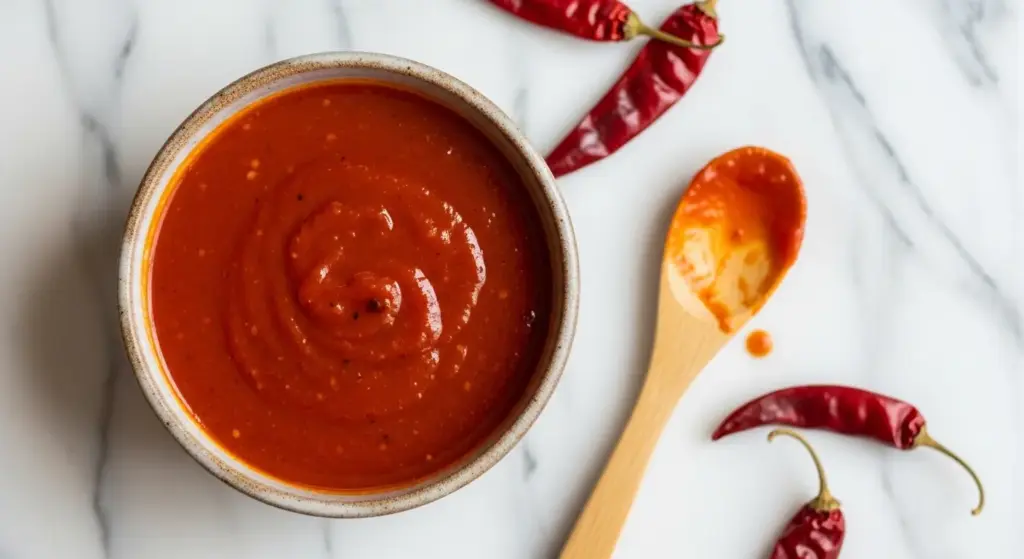
This enchilada sauce is far more versatile than its name suggests. Beyond the obvious use in classic enchiladas, it becomes a flavor-packed shortcut in so many other dishes.
Here are some of the best ways to use it:
- Poured over classic chicken or beef enchiladas, topped generously with shredded cheese and baked until bubbly
- Stirred into Chicken Tortilla Soup for a deeply flavored broth
- As a simmer sauce for shredded chicken or pork in the slow cooker
- Drizzled over Birria Tacos for an extra layer of bold red chile flavor
- Mixed into a taco casserole with ground beef, tortillas, and black beans
- Used as a dipping sauce alongside warm Corn Tortillas
- Spooned over scrambled or fried eggs for a simple Mexican-style breakfast
- As a base layer in a layered burrito bowl with rice, beans, and grilled chicken
Variations to Try
This base recipe is incredibly adaptable. Once you’ve mastered it, you can tweak it in all kinds of directions to match what you’re making or how you’re feeling.
Here are some delicious ways to change things up:
- Smoky version: Substitute half the regular chili powder with smoked ancho chili powder for a deeper, smokier flavor.
- Spicier sauce: Add ¼ teaspoon cayenne pepper or a pinch of chipotle powder in step 3 along with the spices.
- Green enchilada sauce: Swap the tomato paste for salsa verde and use tomatillos as the base for a tangy, bright alternative.
- Gluten-free version: Replace the all-purpose flour with an equal amount of a 1-for-1 gluten-free flour blend. The texture is nearly identical.
- Richer, deeper version: Use beef broth instead of chicken broth for a heartier, bolder sauce that pairs beautifully with beef enchiladas.
- Tomato-free version: Omit the tomato paste and add a small amount of extra broth to compensate. The flavor is slightly different but still delicious.
- Authentic dried-chile version: Instead of chili powder, use 2 to 3 whole dried guajillo or ancho chiles, toasted and rehydrated, then blended into the sauce for a deeply complex, restaurant-style result.
You might also enjoy: Creamy Mac and Cheese Recipe as a crowd-pleasing companion dish for a Mexican-American comfort food night.
Storage and Reheating
One of the best things about this enchilada sauce is how well it stores, making it a great recipe to batch-cook.
Here’s how to keep it fresh and delicious:
- Refrigerator: Store in an airtight glass jar or container for up to 5 to 7 days. Give it a good stir or shake before using, as it may thicken slightly in the fridge.
- Freezer: Allow the sauce to cool completely before transferring to a freezer-safe bag or airtight container. Leave some headspace for expansion. Freeze for up to 3 months.
- Thawing: Move frozen sauce to the refrigerator overnight to thaw. For a quicker thaw, place the sealed bag in a bowl of warm water.
- Reheating on the stovetop: Pour into a small saucepan over medium-low heat and whisk frequently. If the sauce has thickened, add a splash of broth or water and whisk until smooth.
- Reheating in the microwave: Pour into a microwave-safe bowl and heat in 30-second bursts, whisking between each interval, until warmed through.
Read Also: Marinara Sauce Recipe
Nutritional Facts
(Per approximately ¼ cup / 60ml serving, based on the full recipe yielding 8 servings)
| Nutrient | Amount |
|---|---|
| Calories | ~95 kcal |
| Total Fat | 6g |
| Saturated Fat | 0.7g |
| Carbohydrates | 9g |
| Dietary Fiber | 3g |
| Sugars | 2g |
| Protein | 2.5g |
| Sodium | ~380mg |
| Vitamin A | 2,300 IU |
| Iron | 2mg |
Nutritional values are estimates and will vary based on specific brands and substitutions used.
This recipe pairs wonderfully as a sauce over this Chicken Fajita Recipe for a saucy, satisfying dinner.
Health Benefits of Key Ingredients
This enchilada sauce isn’t just delicious. Several of its core ingredients carry meaningful nutritional benefits that make it a smarter choice than store-bought.
Here’s a closer look at what’s good in every jar:
- Chili powder is rich in capsaicin, a compound that has been linked to improved metabolism, reduced inflammation, and pain relief. It also contributes vitamin A and vitamin C.
- Cumin is a powerful antioxidant and digestive aid. It’s been used medicinally for centuries and contains iron, which supports red blood cell production.
- Garlic powder carries the same health-supporting allicin compounds found in fresh garlic, including antimicrobial and cardiovascular benefits.
- Tomato paste is a concentrated source of lycopene, a potent antioxidant associated with reduced risk of heart disease and certain cancers. Cooking tomatoes increases lycopene bioavailability.
- Olive or avocado oil provides heart-healthy monounsaturated fats that support cholesterol levels and reduce inflammation when consumed as part of a balanced diet.
- Oregano is one of the most antioxidant-rich herbs available. It contains carvacrol and thymol, compounds with antibacterial and anti-inflammatory properties.
Another sauce recipe with great depth of flavor is this Hoisin Sauce Recipe, perfect for Asian-inspired meals.
Frequently Asked Questions
1. Can I make enchilada sauce without flour?
Yes, and it’s easy. You can substitute the all-purpose flour with an equal amount of cornstarch for a completely gluten-free sauce. Alternatively, use a 1-for-1 gluten-free flour blend. The texture will be nearly identical, and the flavor won’t change at all.
2. Why does my enchilada sauce taste bitter?
A few things can cause bitterness. The most common culprit is over-toasting the spices in the roux, which can happen quickly, so keep an eye on it. Another cause is using old, stale chili powder, which can taste dusty or bitter. Fresh, high-quality chili powder makes a big difference. If your sauce is still a touch bitter, a small pinch of sugar or a teaspoon of honey whisked in at the end will balance it out beautifully.
3. How can I make the sauce thicker?
If your sauce is thinner than you’d like after simmering, simply continue cooking it uncovered for a few more minutes to reduce it further. You can also make a quick cornstarch slurry by mixing 1 tablespoon of cornstarch with 1 tablespoon of cold water, then whisk it into the simmering sauce. Within 1 to 2 minutes, the sauce will thicken noticeably.
4. Can I use this as a substitute for canned enchilada sauce?
Absolutely. This recipe yields approximately 2 cups (480ml), which is equivalent to one standard 15-ounce can of enchilada sauce. Use it as a 1:1 substitute in any recipe calling for canned sauce. The flavor will be dramatically better and noticeably less salty.
5. What’s the difference between enchilada sauce and taco sauce?
Enchilada sauce is thicker, smokier, and spiced differently than taco sauce. Taco sauce is typically thinner, tangier, and more tomato-forward, with a brighter, sharper flavor. Enchilada sauce is built on a roux for body and leans heavily on chili powder and cumin for its deep, earthy warmth. They’re not interchangeable for cooking, although both are delicious in their own right.
Read Also: Taco Seasoning Recipe
Final Thoughts
Making your own enchilada sauce at home is one of those small efforts that delivers an outsized reward.
With just 15 minutes, a handful of spices, and one saucepan, you end up with something that genuinely tastes better than anything in a can, and you’ll know exactly what went into it.
This recipe is a staple worth keeping in your back pocket for enchilada nights, taco nights, and every Mexican-inspired meal in between.
Give it a try and taste the difference for yourself. If you make it, drop a comment below and let me know how it turned out. I’d love to hear which way you used it!
Recommended:
- Enchiladas Suizas Recipe
- Chicken Tortilla Soup Recipe
- Enchilada Skillet Recipe
- Taco Skillet Recipe
- Pico de Gallo Recipe
- Fresh Salsa Recipe
- Easy Guacamole Recipe
- Mexican Street Corn Recipe
- Corn Tortilla Recipe
- Red Pozole Recipe