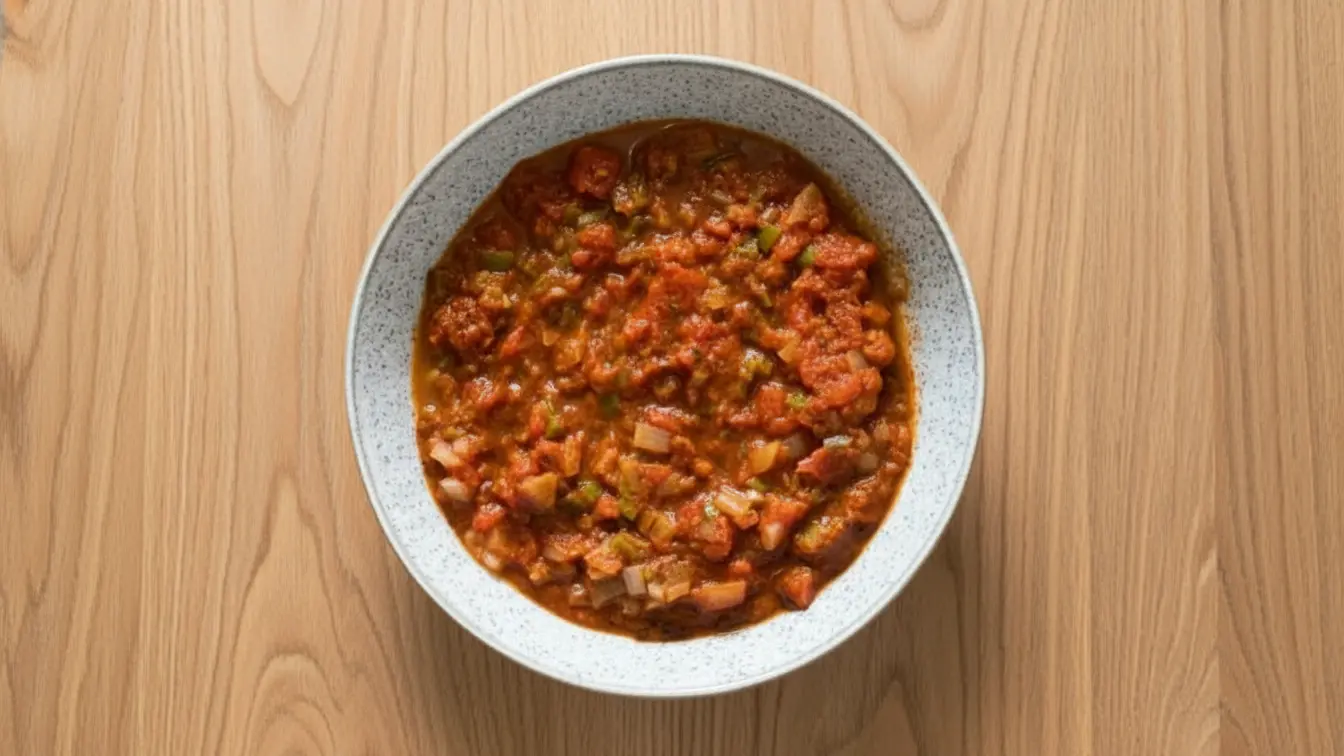
I grew up watching my grandmother stir a bubbling pot of red sauce every Sunday afternoon, and somehow, that memory always brings me right back to her kitchen.
Her secret was in the layers of flavor she built from the bottom up—never rushing, always tasting. That’s exactly what makes this Creole Sauce Recipe so special. It’s bold without being overwhelming, deeply savory with just the right amount of heat, and it transforms everything from eggs to shrimp into something memorable.
This sauce has become my go-to whenever I want to add some personality to a meal. You can whip it up on a weeknight and have it ready in under 45 minutes, or let it simmer low and slow on a lazy Sunday. Either way, you’re getting that authentic Louisiana flavor that makes people ask for seconds.
The backbone of any good Creole sauce is the “holy trinity” of onions, celery, and bell peppers, cooked down until they’re sweet and tender. Then you add tomatoes, garlic, herbs, and just enough cayenne to wake everything up. It’s comfort food with an edge—the kind of sauce that feels like home but keeps things interesting.
Why You’ll Love This Creole Sauce Recipe
This sauce delivers restaurant-quality flavor without requiring fancy ingredients or complicated techniques. You’re working with pantry staples and fresh vegetables that you can find at any grocery store, yet the end result tastes like something you’d order at a French Quarter bistro.
It’s incredibly versatile, which means you’ll reach for it again and again. I’ve served it over grilled fish, tossed it with pasta, spooned it over omelets, and used it as a base for jambalaya. It freezes beautifully too, so making a double batch means you’ve got dinner halfway done for weeks to come.
Here’s what makes this recipe a keeper:
- Bold, authentic flavor that captures the essence of Louisiana cooking
- Simple ingredients you probably already have on hand
- Quick enough for weeknights but impressive enough for company
- Freezer-friendly for easy meal prep
- Naturally gluten-free and low-carb, fitting into most dietary preferences
- Endlessly adaptable to different proteins and dishes
If you’re craving something with a little heat and a lot of character, my chicken pozole recipe delivers similar bold, comforting flavors.
Ingredients
The beauty of Creole sauce lies in its simplicity—fresh vegetables, aromatic herbs, and a few pantry essentials come together to create something greater than the sum of their parts. Each ingredient plays a specific role, from building the base to adding depth and heat.
Here’s what you’ll need:
- 3 tablespoons olive oil or vegetable oil
- 1 large yellow onion, diced
- 1 large green bell pepper, diced
- 2 celery stalks, diced
- 4 garlic cloves, minced
- 1 (28-ounce) can crushed tomatoes
- 1 (14.5-ounce) can diced tomatoes with juices
- 2 tablespoons tomato paste
- 1½ cups chicken or vegetable broth
- 2 bay leaves
- 1 tablespoon Creole seasoning
- 1 teaspoon dried thyme
- 1 teaspoon dried oregano
- ½ teaspoon cayenne pepper (adjust to taste)
- ¼ teaspoon smoked paprika
- 2 teaspoons Worcestershire sauce
- 1 teaspoon hot sauce (like Tabasco or Crystal)
- 2 teaspoons granulated sugar
- Salt and black pepper to taste
- 2 tablespoons fresh parsley, chopped
- 2 green onions, sliced (for garnish)
Kitchen Equipment Needed
You don’t need a professional kitchen to make exceptional Creole sauce—just a few reliable tools that help you build flavor properly. The right equipment makes the cooking process smoother and helps you achieve that perfect consistency.
Here’s what to have ready:
- Large heavy-bottomed pot or Dutch oven (5-6 quarts)
- Sharp chef’s knife
- Cutting board
- Wooden spoon or heat-resistant spatula
- Measuring cups and spoons
- Can opener
- Ladle
Read Also: Worcestershire Sauce Recipe
Recommended Products for This Recipe
After making Creole sauce countless times, I’ve discovered a few products that genuinely make the process easier and the results even better. These aren’t just nice-to-haves—they’re the tools and ingredients that consistently deliver superior flavor and texture.
1. Le Creuset Enameled Cast Iron Dutch Oven
A quality Dutch oven distributes heat evenly, which is crucial when you’re building layers of flavor and simmering sauce for an extended period. I’ve had mine for over a decade, and it still performs like new. The thick walls prevent hot spots that can burn your vegetables, and the wide base gives you plenty of room to properly sauté the holy trinity.
2. Tony Chachere’s Original Creole Seasoning
This is the real deal—a perfectly balanced blend that captures authentic Louisiana flavor without you having to mix ten different spices. It’s got the right amount of salt, pepper, garlic, and heat, and it’s what most Creole cooks in Louisiana actually use in their kitchens. One bottle lasts for months.
3. San Marzano Crushed Tomatoes
The tomatoes you choose make or break this sauce. San Marzano tomatoes are naturally sweeter and less acidic than regular canned tomatoes, which means your sauce won’t need as much sugar to balance the flavors. They break down beautifully during cooking and create a silky-smooth texture.
4. OXO Good Grips Wooden Spoon Set
When you’re stirring a pot of sauce for 30-40 minutes, you need a comfortable spoon that won’t scratch your cookware or get too hot to handle. These wooden spoons are perfectly shaped for scraping the bottom of the pot, which prevents burning and helps incorporate all those flavorful brown bits into your sauce.
Step-by-Step Instructions
Making Creole sauce is all about building flavor in stages—each step adds another layer of depth. Take your time with the vegetables at the beginning, and the rest practically takes care of itself. This isn’t a recipe you can rush, but the active cooking time is minimal once everything’s in the pot.
1. Prepare Your Vegetables
- Dice the onion, bell pepper, and celery into roughly ¼-inch pieces so they cook evenly
- Keep them separate on your cutting board because the onion goes in first
- Mince the garlic finely—you want it to melt into the sauce rather than remain in distinct pieces
- Chop the fresh parsley and slice the green onions, then set them aside for later
2. Build Your Base with the Holy Trinity
- Heat the oil in your Dutch oven over medium heat until it shimmers slightly
- Add the diced onion and cook for 5-6 minutes, stirring occasionally, until it turns translucent and begins to soften
- Add the bell pepper and celery, then cook for another 6-8 minutes, stirring every couple of minutes
- The vegetables should be tender and starting to develop some golden edges—this caramelization adds sweetness to your sauce
- Stir in the minced garlic and cook for just 60-90 seconds until fragrant, being careful not to let it burn
3. Add Tomato Paste and Bloom the Spices
- Clear a small space in the center of your pot and add the tomato paste
- Let it cook for 2-3 minutes, stirring it occasionally, until it darkens to a deep brick red
- This step concentrates the tomato flavor and removes any metallic taste
- Add the Creole seasoning, thyme, oregano, cayenne pepper, and smoked paprika directly to the tomato paste
- Stir everything together and cook for another minute until the spices become incredibly fragrant
4. Incorporate the Tomatoes and Liquid
- Pour in the crushed tomatoes, diced tomatoes with their juices, and the broth
- Use your wooden spoon to scrape up any browned bits stuck to the bottom of the pot—that’s pure flavor you don’t want to waste
- Stir in the Worcestershire sauce, hot sauce, and sugar
- The sugar balances the acidity of the tomatoes without making the sauce taste sweet
- Tuck the bay leaves into the sauce, then give everything a good stir to combine
5. Simmer and Develop the Flavors
- Bring the sauce to a gentle boil over medium-high heat
- Once it’s bubbling, reduce the heat to low so the sauce maintains a lazy simmer with just a few bubbles breaking the surface
- Partially cover the pot with the lid slightly askew to allow some steam to escape
- Let it simmer for 30-40 minutes, stirring every 10 minutes or so to prevent sticking
- The sauce will thicken as it cooks and the flavors will concentrate and meld together beautifully
6. Adjust Seasoning and Finish
- After simmering, remove and discard the bay leaves
- Taste the sauce and adjust the seasoning—you might want more salt, a pinch more cayenne for heat, or another teaspoon of sugar if it’s too acidic
- Stir in the fresh chopped parsley for a pop of color and freshness
- If the sauce is too thick, thin it with a splash of broth or water; if it’s too thin, let it simmer uncovered for another 10 minutes
- Serve immediately with green onions scattered on top, or let it cool before storing
Another favorite: Tomato Sauce Recipe
Tips for Success
Small adjustments can take your Creole sauce from good to exceptional. These are the tricks I’ve learned after making countless batches, and they’ll help you nail it on your first try.
Here’s what makes the difference:
- Don’t skip the vegetable caramelization step—those extra few minutes of cooking add serious depth and natural sweetness that balances the acidity
- Use fresh bay leaves if possible—they have a more pronounced flavor than dried ones, but either works
- Taste as you go—Creole seasoning brands vary in saltiness, so start with less and add more if needed
- Let the sauce rest—like most tomato-based sauces, this one tastes even better the next day after the flavors have had time to marry
- Control the heat level—cayenne pepper can sneak up on you, so start with ¼ teaspoon if you’re heat-sensitive and work your way up
- Keep the simmer gentle—aggressive boiling can make the sauce bitter and burn the tomatoes on the bottom of the pot
- Add acid at the end if needed—a squeeze of fresh lemon juice or splash of vinegar can brighten the flavors if your sauce tastes flat
Serving Suggestions
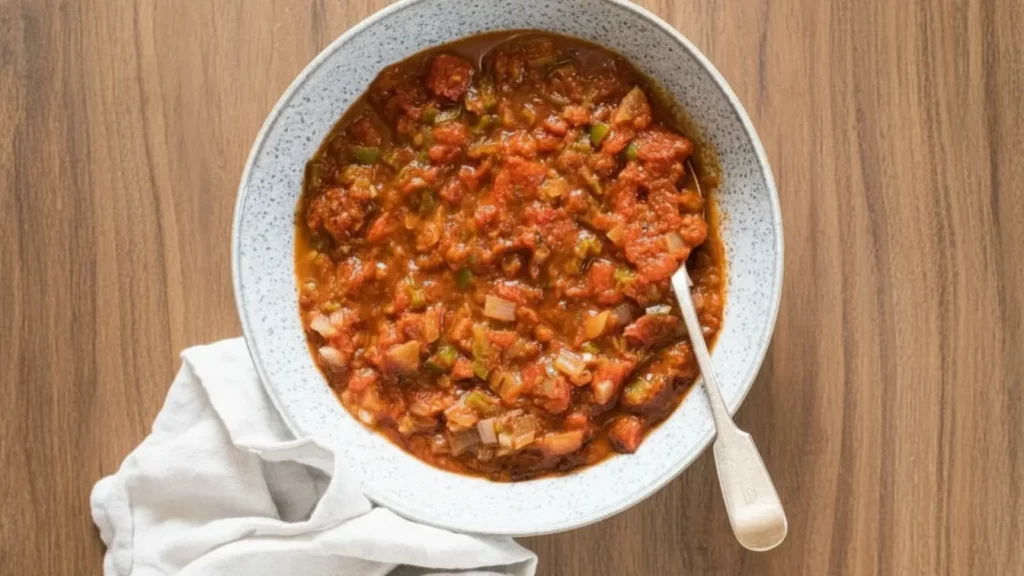
Creole sauce is a chameleon in the kitchen—it adapts beautifully to whatever protein or base you pair it with. I’ve served it dozens of different ways, and it always feels like a complete meal.
The classic move is spooning it over tender, flaky white fish like cod, tilapia, or catfish. The sauce’s bold personality stands up to seafood without overwhelming it. Baked cod becomes something special when you top it with a generous ladle of this sauce right before serving.
For breakfast or brunch, it transforms scrambled eggs or omelets into something memorable. I also love it over poached eggs with crusty bread for dipping—it’s basically a Louisiana version of shakshuka.
Here are more ways to use it:
- Toss with linguine or penne for a quick pasta dinner
- Serve over grilled chicken breasts or thighs
- Use as a base for jambalaya or étouffée
- Spoon over pan-seared shrimp with rice
- Layer with cheese and baked eggplant for Creole parmesan
- Pour over cheese grits for a Southern brunch
- Use as a topping for baked salmon
- Simmer meatballs directly in the sauce
You might also enjoy: Caribbean Fish Soup Recipe
Variations to Try
Once you’ve mastered the basic recipe, it’s fun to play around with different flavors and ingredients. Creole cooking has always been about improvisation and using what’s available, so don’t be afraid to make this sauce your own.
Here are some variations worth trying:
- Seafood Creole Sauce: Add 1 pound of peeled shrimp, lump crab meat, or a mix of seafood during the last 5 minutes of simmering
- Spicy Creole: Double the cayenne pepper and add a diced jalapeño with the bell pepper for serious heat
- Smoky Creole: Increase the smoked paprika to 1 tablespoon and add a teaspoon of liquid smoke
- Andouille Creole: Brown sliced andouille sausage in the pot before adding the vegetables for a meatier, smokier sauce
- Veggie-Loaded: Add diced zucchini, okra, or mushrooms along with the holy trinity for extra vegetables
- White Wine Creole: Deglaze the pot with ½ cup of dry white wine after cooking the vegetables, then add the tomatoes
- Fresh Tomato Version: Substitute 3 pounds of fresh, diced tomatoes for the canned ones during peak tomato season
Storage and Reheating
Creole sauce stores exceptionally well, which makes it perfect for meal prep or batch cooking. The flavors actually improve after a day or two in the refrigerator as everything has time to meld together.
Follow these storage guidelines for the best results:
- Refrigerator: Transfer cooled sauce to an airtight container and store for up to 5 days
- Freezer: Pour sauce into freezer-safe containers or heavy-duty freezer bags, leaving 1 inch of headspace for expansion, and freeze for up to 3 months
- Freezing tip: Divide into smaller portions (2-cup servings work well) so you can thaw only what you need
- Thawing: Move frozen sauce to the refrigerator the night before you plan to use it, or thaw in a pot over low heat, stirring frequently
- Reheating: Warm gently in a saucepan over medium-low heat, stirring occasionally, until heated through; add a splash of broth or water if it’s too thick
- Microwave option: Heat individual portions in a microwave-safe bowl in 1-minute intervals, stirring between each interval
Read Also: Mexican Fish Soup Recipe
Nutritional Facts
Per serving (based on 8 servings, sauce only):
- Calories: 78
- Total Fat: 5g
- Saturated Fat: 0.7g
- Cholesterol: 0mg
- Sodium: 385mg
- Total Carbohydrates: 11g
- Dietary Fiber: 3g
- Sugars: 6g
- Protein: 2g
- Vitamin A: 18% DV
- Vitamin C: 45% DV
- Calcium: 4% DV
- Iron: 8% DV
Note: Nutritional values are approximate and will vary based on specific ingredients used and serving sizes.
Health Benefits of Key Ingredients
Beyond tasting incredible, Creole sauce packs some serious nutritional benefits thanks to its vegetable-forward base. You’re getting a concentrated dose of vitamins and antioxidants with every spoonful, making this a sauce you can feel good about eating regularly.
The tomatoes alone bring lycopene to the table, a powerful antioxidant that’s linked to heart health and may reduce the risk of certain cancers. Cooking tomatoes actually increases the bioavailability of lycopene, which means your body can absorb it more easily from sauce than from fresh tomatoes.
Here’s what else you’re getting:
- Bell peppers: Loaded with vitamin C (more than oranges, actually) which supports immune function and skin health
- Garlic: Contains allicin, a compound with anti-inflammatory and antimicrobial properties that may help lower blood pressure
- Celery: Rich in antioxidants and provides beneficial electrolytes, plus it’s incredibly hydrating
- Onions: Contain quercetin, an antioxidant that may help reduce inflammation and support heart health
- Cayenne pepper: Capsaicin can boost metabolism, reduce pain, and may help with appetite control
- Oregano and thyme: Both herbs are antioxidant powerhouses with antimicrobial properties
Another favorite: Thai Fish Soup Recipe
Frequently Asked Questions
1. Can I make Creole sauce in advance?
Absolutely, and I actually recommend it. Make the sauce up to 3 days ahead and store it in the refrigerator. The flavors deepen and become more complex as they sit. Just reheat gently on the stovetop when you’re ready to serve, adding a splash of broth if it’s thickened too much.
2. What’s the difference between Creole and Cajun sauce?
Creole sauce is tomato-based and typically includes the holy trinity of onions, celery, and bell peppers, reflecting the French and Spanish influences of New Orleans. Cajun cooking tends to be more rustic and uses fewer tomatoes, relying more heavily on dark roux and spices. Creole is often described as “city food” while Cajun is “country food.”
3. Can I use fresh tomatoes instead of canned?
You can, but you’ll need about 3-4 pounds of ripe tomatoes, peeled, seeded, and chopped. Fresh tomatoes will give you a lighter, brighter sauce, while canned tomatoes provide a more concentrated, richer flavor. If you use fresh, you might need to simmer the sauce a bit longer to achieve the right consistency.
4. How can I make this sauce less spicy?
Reduce or omit the cayenne pepper entirely, and choose a mild Creole seasoning blend. You can also use a sweet bell pepper mix (red, yellow, or orange) instead of all green peppers, which adds sweetness that balances any residual heat. Stirring in a tablespoon of butter at the end also mellows the spice level.
5. What can I serve with Creole sauce besides fish?
This sauce is incredibly versatile. Try it over shrimp, chicken, pork chops, or even blackened tofu for a vegetarian option. It’s also fantastic tossed with pasta, served over rice or grits, or used as a base for eggs. I’ve even used it as a pizza sauce with andouille sausage and mozzarella.
Final Thoughts
There’s something deeply satisfying about making a pot of Creole sauce from scratch. The house fills with the smell of sautéing vegetables and simmering tomatoes, and you know you’re creating something that’ll make dinner special—no matter what else you’re serving.
This sauce has become one of those recipes I turn to when I want maximum flavor with minimal fuss. It works just as well on a Tuesday night with some shrimp and rice as it does when I’m trying to impress dinner guests.
Give this Creole Sauce Recipe a try this week and see how it transforms your everyday meals. I’d love to hear how you use it in your kitchen—drop a comment below and let me know what you served it with!
Recommended:
- Mediterranean Fish Soup Recipe
- Chinese Fish Soup Recipe
- Udon Noodle Soup Recipe
- Mulligatawny Soup Recipe
- Chicken Sopas Recipe
- Corn Soup Recipe
- Celery Soup Recipe
- Chicken Tinola Recipe
- Chicken Rice Soup Recipe
- Hamburger Soup Recipe