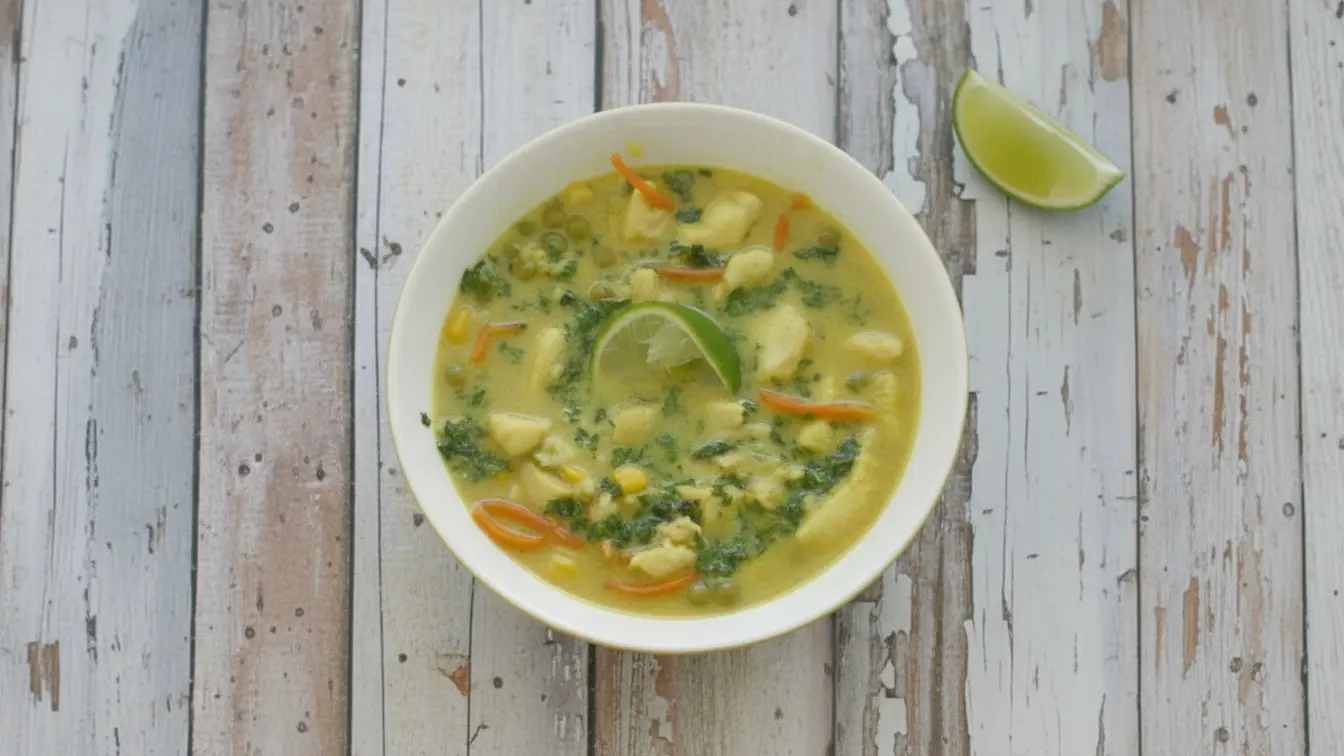
I grew up watching my Thai neighbor make the most incredible fish soup every Sunday afternoon. The aroma would drift across the fence and practically pull me over to her kitchen.
That’s when I learned that a proper Thai fish soup recipe isn’t just about throwing fish into broth. It’s a careful balance of tangy, spicy, and fresh flavors that wake up every taste bud.
This soup has become my go-to comfort meal when I need something that feels light yet deeply satisfying. The combination of tender fish, aromatic herbs, and that signature sour-spicy broth creates something truly special.
I’ve made this countless times over the years, tweaking and adjusting until I got it just right. Now I’m sharing my perfected version with you.
The best part? It comes together in about 30 minutes, making it perfect for busy weeknights when you want something homemade and nourishing.
If you’re craving Mexican Fish Soup, you’ll love how this Thai version brings completely different but equally delicious flavors to your table.
Why You’ll Love This Thai Fish Soup Recipe
This soup hits all the right notes without being complicated or fussy. You get restaurant-quality flavors at home, and it’s surprisingly forgiving for beginners.
The broth is tangy from tamarind and lime, with just enough heat from chilies to keep things interesting. The fish stays incredibly tender when you follow my timing tips.
Here’s what makes this soup absolutely crave-worthy:
- Quick cooking time – Ready in 30 minutes from start to finish
- Light yet satisfying – Feels nourishing without being heavy
- Balanced flavors – Perfect harmony of sour, spicy, salty, and fresh
- Flexible ingredients – Works with different types of white fish
- Impressive presentation – Looks like you spent hours making it
- Healthy and nutritious – Packed with lean protein and fresh herbs
Ingredients
The key to authentic flavor is using fresh ingredients, especially the herbs and aromatics. Don’t skip the fish sauce – it’s what gives the soup its savory depth.
- 1½ pounds firm white fish fillets (halibut, cod, or sea bass), cut into 2-inch pieces
- 6 cups fish stock or chicken broth
- 3 stalks lemongrass, bruised and cut into 3-inch pieces
- 4 kaffir lime leaves, torn
- 3 Thai bird’s eye chilies, smashed
- 1 large shallot, thinly sliced
- 1 medium tomato, cut into wedges
- 8 oz mushrooms, halved (oyster or button)
- 3 tablespoons fish sauce
- 2 tablespoons tamarind paste
- 1 tablespoon palm sugar or brown sugar
- 3 tablespoons fresh lime juice
- ½ cup fresh cilantro leaves
- ½ cup fresh Thai basil leaves
- 2 green onions, sliced
- Salt to taste
Kitchen Equipment Needed
Having the right equipment makes this soup come together smoothly, though you don’t need anything fancy. A good pot that holds heat evenly is really all you need.
- Large soup pot or Dutch oven (at least 5-quart capacity)
- Sharp chef’s knife
- Cutting board
- Measuring cups and spoons
- Ladle
- Serving bowls
Recommended Products for This Recipe
After making this soup dozens of times, I’ve found a few products that really make a difference in both the cooking process and the final result.
1. Red Boat Fish Sauce
This is hands-down the best fish sauce I’ve ever used, and it makes a noticeable difference in the soup’s depth of flavor. It’s made from just anchovies and salt, with no artificial ingredients or added water. The umami flavor is clean and rich without being overpowering.
2. Le Creuset Enameled Cast Iron Dutch Oven
I’ve been using my Le Creuset for years, and it’s perfect for this soup because it maintains an even, gentle simmer that keeps the fish tender. The heavy lid traps moisture and aromatics beautifully. While it’s an investment, this pot will literally last you a lifetime.
3. Thai Kitchen Tamarind Paste
Finding good tamarind paste can be tricky, but this brand is consistently available and has the right balance of sourness. It dissolves easily in the broth and gives that authentic tangy flavor that defines Thai soup. Keep it in your pantry for other Thai dishes too.
4. Dried Kaffir Lime Leaves
Fresh kaffir lime leaves are ideal, but these dried ones work beautifully and keep for months in your pantry. They add that distinctive citrusy aroma that’s essential to Thai soup. Just use one extra dried leaf compared to the fresh amount called for.
Step-by-Step Instructions
Take your time with the prep work, and the actual cooking will be a breeze. The key is building layers of flavor before adding the delicate fish at the end.
1. Prepare the Aromatics
- Peel the tough outer layers from the lemongrass stalks, keeping only the tender inner portion
- Use the back of your knife to bruise the lemongrass by firmly pressing down on it – this releases the essential oils
- Cut the bruised lemongrass into 3-inch pieces
- Tear the kaffir lime leaves roughly with your hands to release their aromatic oils
- Smash the chilies with the flat side of your knife, but keep them whole if you prefer less heat
- Thinly slice the shallot into rings
2. Make the Broth Base
- Pour the fish stock or chicken broth into your large pot
- Add the prepared lemongrass, kaffir lime leaves, and smashed chilies
- Bring the mixture to a boil over high heat
- Once boiling, reduce the heat to medium-low and let it simmer for 10 minutes
- This simmering time allows the aromatics to infuse their flavors into the broth
Another favorite: Mediterranean Fish Soup Recipe
3. Add the Vegetables
- Add the sliced shallots to the simmering broth
- Stir in the mushrooms and let them cook for 3-4 minutes until they start to soften
- Add the tomato wedges and cook for another 2 minutes
- The tomatoes will start to break down slightly and add a subtle sweetness to the broth
4. Season the Soup
- Stir in the fish sauce, which adds that essential savory depth
- Add the tamarind paste and use your ladle to help dissolve it completely into the broth
- Sprinkle in the palm sugar to balance the sourness
- Taste the broth at this point – it should be bold, tangy, and slightly sweet
- Adjust the seasonings if needed, keeping in mind the lime juice will add more tang later
5. Cook the Fish
- Reduce the heat to low so the broth is barely simmering – this is crucial for tender fish
- Gently slide the fish pieces into the broth, spreading them out in a single layer if possible
- Let the fish cook undisturbed for 4-5 minutes
- The fish is done when it’s opaque throughout and flakes easily with a fork
- Be careful not to overcook or the fish will become tough and dry
6. Finish and Serve
- Remove the pot from the heat completely
- Squeeze in the fresh lime juice and give it a gentle stir
- Taste and add salt if needed, though the fish sauce usually provides enough saltiness
- Remove and discard the large pieces of lemongrass if you prefer
- Ladle the soup into bowls, making sure each serving gets fish, mushrooms, and tomatoes
- Top each bowl generously with fresh cilantro, Thai basil, and sliced green onions
- Serve immediately while piping hot
You might also enjoy: Udon Noodle Soup Recipe
Tips for Success
These little tricks will help you nail the perfect bowl every time. I learned most of these the hard way, so you don’t have to.
- Choose the right fish – Firm white fish works best as it holds together during cooking. Avoid delicate fish like tilapia that falls apart easily.
- Don’t skip bruising the lemongrass – This step is essential for releasing the aromatic oils. Simply cutting it won’t give you the same depth of flavor.
- Maintain a gentle simmer – Once you add the fish, the broth should barely bubble. Aggressive boiling will make the fish tough and rubbery.
- Add lime juice at the end – Heat destroys the fresh, bright flavor of lime juice. Always add it after removing from heat.
- Taste as you go – Thai cooking is all about balance. Adjust the fish sauce, tamarind, and sugar until you get that perfect harmony.
- Use fresh herbs – Dried herbs won’t cut it here. The fresh cilantro and Thai basil are essential for authentic flavor.
- Cut fish evenly – Uniform pieces ensure everything cooks at the same rate, so you don’t end up with some overcooked and some undercooked.
Serving Suggestions
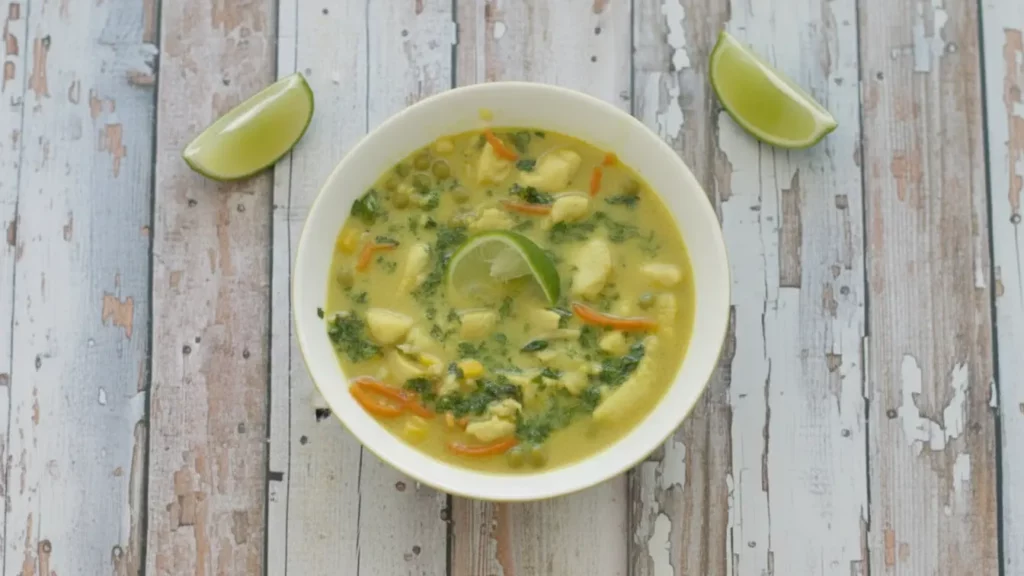
This soup is incredibly versatile and pairs beautifully with several sides and accompaniments. I usually serve it as a main course with jasmine rice on the side.
The rice soaks up the flavorful broth and makes the meal more substantial. You can also serve it alongside Chicken Rice Soup for a complete Thai-inspired feast.
Here are my favorite ways to round out this meal:
- Steamed jasmine rice – The classic accompaniment that turns the soup into a complete meal
- Fresh vegetable spring rolls – Add some crunch and freshness to balance the hot soup
- Thai cucumber salad – The cool, crisp cucumbers contrast beautifully with the warm, spicy broth
- Crispy fried shallots – Sprinkle these on top for added texture and a sweet, caramelized flavor
- Extra lime wedges – Let everyone adjust the tanginess to their preference
- Steamed bok choy or Chinese broccoli – Simple greens that complement the soup’s bold flavors
Read Also: Mulligatawny Soup Recipe
Variations to Try
Once you’ve mastered the basic version, these variations keep things interesting. Each one brings a unique twist while maintaining that essential Thai character.
- Tom Yum style – Add 2 tablespoons of tom yum paste for a more intense, spicier version with deeper red color
- Coconut version – Stir in 1 cup of coconut milk during the last 5 minutes for a creamier, milder soup
- Seafood medley – Replace half the fish with shrimp and mussels for a luxurious seafood soup
- Extra vegetables – Add baby corn, straw mushrooms, or bok choy for more texture and nutrition
- Spicy kick – Include Thai chili paste (nam prik pao) for smokier heat and deeper complexity
- Turmeric addition – Add 1 teaspoon of fresh grated turmeric for an earthy note and beautiful golden color
- Noodle soup – Drop in cooked rice noodles to transform this into a heartier one-bowl meal
Storage and Reheating
Proper storage keeps this soup tasting fresh, though I’ll be honest – it’s always best the day you make it. The fish can become overly tender with reheating.
- Refrigerator storage – Transfer cooled soup to an airtight container and refrigerate for up to 2 days
- Freezing – I don’t recommend freezing this soup as the fish texture suffers significantly when thawed
- Reheating on stovetop – Gently warm over low heat, stirring occasionally, just until heated through (about 5-7 minutes)
- Microwave method – Heat individual portions in 1-minute intervals, stirring between, until warm but not boiling
- Fresh herbs – Always add fresh cilantro, basil, and lime juice after reheating for the best flavor
- Separate storage tip – Store the fish and broth separately if possible to maintain better texture
For a lighter option, try: Celery Soup Recipe
Nutritional Facts
Per serving (based on 4 servings):
- Calories: 245
- Protein: 32g
- Carbohydrates: 12g
- Fat: 7g
- Saturated Fat: 1g
- Fiber: 2g
- Sugar: 5g
- Sodium: 1,450mg
- Cholesterol: 75mg
Health Benefits of Key Ingredients
Beyond tasting amazing, this soup packs serious nutritional benefits. It’s one of those rare dishes where healthy and delicious go hand in hand.
The combination of lean protein, anti-inflammatory herbs, and immune-boosting aromatics makes this soup genuinely good for you. I often make it when I’m feeling under the weather.
- White fish – Excellent source of lean protein and omega-3 fatty acids that support heart health and brain function
- Lemongrass – Contains antioxidants and has been used traditionally to reduce inflammation and aid digestion
- Kaffir lime leaves – Rich in essential oils that may help improve oral health and boost digestive wellness
- Chilies – Contain capsaicin which can boost metabolism and has natural pain-relieving properties
- Tamarind – High in antioxidants and provides vitamin C, which supports immune function
- Mushrooms – Packed with B vitamins, selenium, and immune-supporting compounds
- Fresh herbs – Cilantro and basil provide vitamins A and K plus beneficial plant compounds
- Ginger and garlic – Both have powerful anti-inflammatory and antimicrobial properties
Read Also: Chicken Sopas Recipe
Frequently Asked Questions
1. Can I use frozen fish for this recipe?
Yes, frozen fish works well as long as you thaw it properly first. Move it from the freezer to the refrigerator the night before and let it thaw slowly. Pat the fish completely dry with paper towels before cutting into pieces, as excess moisture can dilute your broth and affect the texture.
2. What’s the best substitute for tamarind paste?
If you can’t find tamarind paste, use 2 tablespoons of fresh lime juice plus 1 tablespoon of brown sugar as a substitute. It won’t be exactly the same complex sourness, but it’ll give you a similar tangy-sweet balance that works in the soup.
3. How spicy is this soup, and can I adjust the heat level?
The heat level is moderate with 3 Thai chilies, giving a noticeable warmth without being overwhelming. Remove the seeds from the chilies for milder heat, or use just one chili if you’re sensitive to spice. You can always serve extra sliced chilies on the side for those who want more kick.
4. Can I make this soup ahead of time?
You can prepare the broth base with all the aromatics and vegetables up to a day ahead. Just don’t add the fish until you’re ready to serve. Cook the fish fresh right before eating for the best texture and flavor.
5. What if I can’t find kaffir lime leaves?
Fresh or dried kaffir lime leaves are ideal, but if they’re unavailable, substitute with the zest of 1 lime plus 1 bay leaf. It won’t be identical, but it’ll provide a citrusy, aromatic note that complements the soup well.
This pairs beautifully with my Corn Soup Recipe for a complete Asian-inspired meal.
Final Thoughts
This Thai fish soup recipe has earned its place in my regular rotation, and I hope it finds a spot in yours too. The combination of bright, bold flavors and tender fish creates something that feels both comforting and exciting at the same time.
Once you get the hang of balancing the sour, spicy, and savory elements, you’ll find yourself making this soup again and again. It’s forgiving enough for beginners but impressive enough to serve to guests.
Give this recipe a try and let me know how it turns out! I’d love to hear about any variations you create or tips you discover along the way. Drop a comment below and share your experience with this delicious Thai fish soup.
Recommended:
- Chicken Tinola Recipe
- Hamburger Soup Recipe
- Spinach Soup Recipe
- Lobster Bisque Recipe
- Curried Cauliflower Soup Recipe
- Roasted Cauliflower Soup Recipe
- Cauliflower Soup Recipe
- Roasted Carrot Soup Recipe
- Carrot Soup Recipe
- Vegetarian Split Pea Soup Recipe