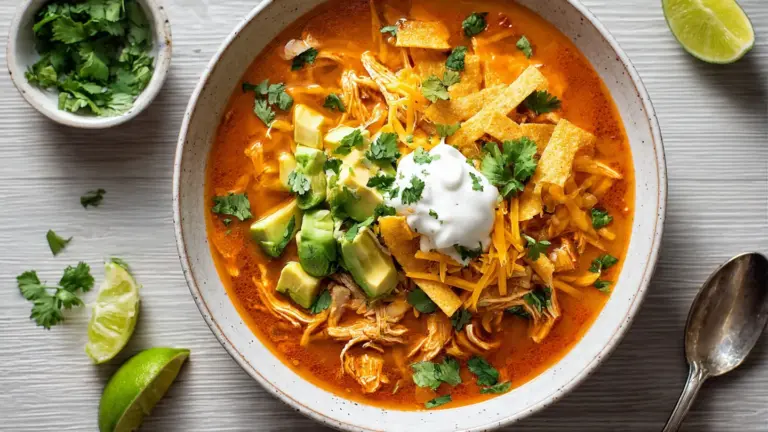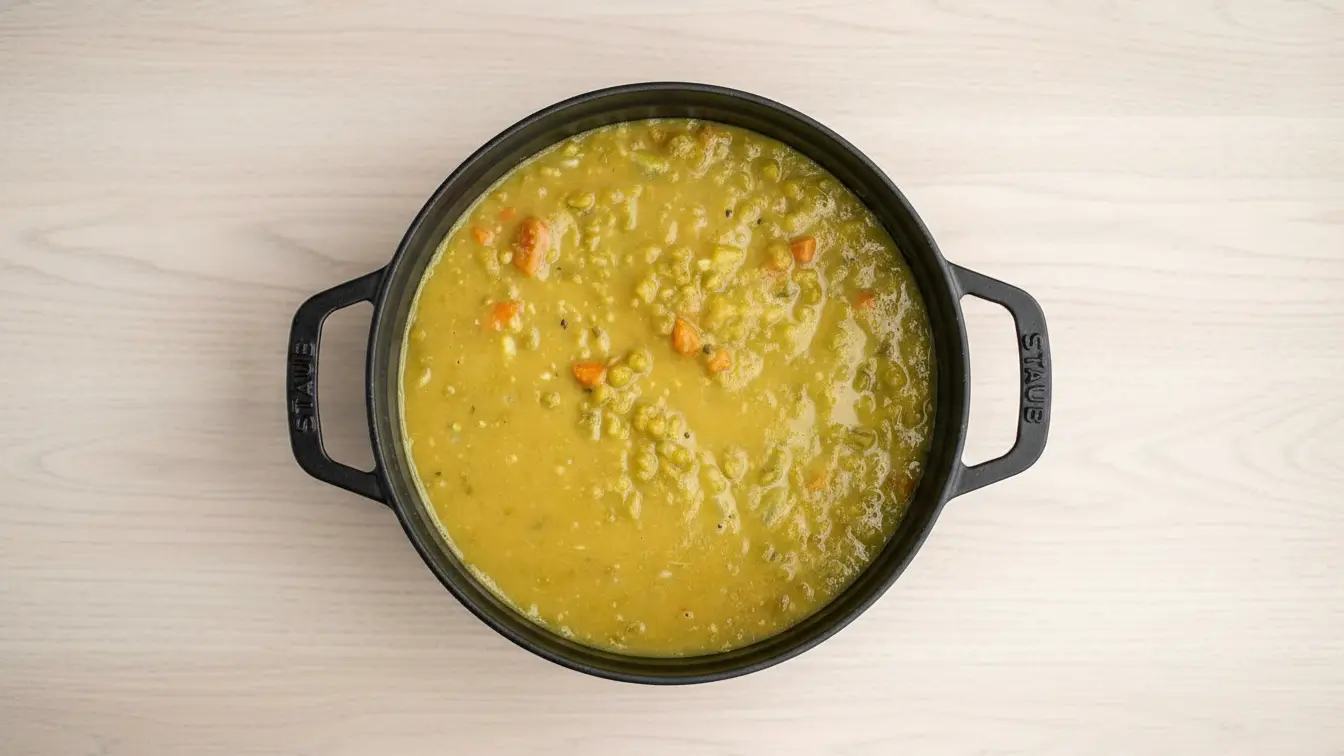
When the weather turns cold and you need something hearty to warm you from the inside out, this Vegetarian Split Pea Soup Recipe hits the spot every single time.
I make this soup at least twice a month during fall and winter. It’s creamy, satisfying, and packed with plant-based protein that keeps you full for hours.
The best part? You don’t need any fancy ingredients or complicated techniques.
Just throw everything in a pot and let it simmer while you go about your day. The dried split peas break down into this naturally thick, velvety texture that makes the soup feel indulgent without any cream or dairy.
This recipe has become my go-to for meal prep Sundays. I’ll make a big batch, portion it out, and have lunch sorted for the entire week.
It also freezes beautifully. So you can double the recipe and stash some away for those days when you just can’t deal with cooking.
Why You’ll Love This Vegetarian Split Pea Soup Recipe
This soup is comfort food at its finest without being heavy or overly rich. The split peas create this gorgeous, thick consistency all on their own.
You’ll love how simple it is to make. There’s no babysitting required—just occasional stirring.
Here’s what makes this recipe special:
- Budget-friendly ingredients: Split peas cost next to nothing and you probably have most of the other ingredients in your pantry already
- Naturally thick and creamy: No need for cream, flour, or any thickening agents
- High in protein and fiber: One bowl keeps you satisfied for hours
- Freezer-friendly: Make a double batch and freeze half for easy future meals
- One-pot wonder: Minimal cleanup means more time to relax
- Deeply flavorful: The combination of aromatics and herbs creates layers of savory goodness
If you’re looking for another hearty soup option, my Split Pea Soup Recipe is also fantastic.
Ingredients
This recipe relies on simple, wholesome ingredients that come together to create something truly special. You’ll need basic vegetables, dried split peas, and a few seasonings to build deep, satisfying flavor.
- 2 cups dried split peas (green or yellow)
- 2 tablespoons olive oil
- 1 large onion, diced
- 3 carrots, peeled and diced
- 3 celery stalks, diced
- 4 cloves garlic, minced
- 8 cups vegetable broth
- 2 bay leaves
- 1 teaspoon dried thyme
- 1 teaspoon smoked paprika
- ½ teaspoon ground cumin
- Salt and black pepper to taste
- 2 tablespoons lemon juice (about 1 lemon)
- Fresh parsley for garnish
Kitchen Equipment Needed
Having the right tools makes cooking this soup even easier. You don’t need anything fancy, just a few kitchen basics.
- Large heavy-bottomed pot or Dutch oven (at least 6 quarts)
- Wooden spoon for stirring
- Chef’s knife
- Cutting board
- Measuring cups and spoons
- Immersion blender (optional, for a smoother texture)
- Ladle for serving
Recommended Products for This Recipe
These are products I personally use and recommend based on years of making this soup. They’ll help you get the best results possible.
1. Organic Green Split Peas
I always reach for organic split peas because they cook more evenly and have better flavor than conventional ones. They break down perfectly to create that signature creamy texture without turning mushy.
2. Le Creuset Enameled Cast Iron Dutch Oven
This Dutch oven distributes heat so evenly that you’ll never have to worry about scorching on the bottom. It holds temperature beautifully and the heavy lid traps moisture, which helps the split peas cook perfectly every time.
3. KitchenAid Immersion Blender
If you like your soup partially blended for an extra creamy texture, this immersion blender is a total lifesaver. It lets you blend right in the pot without transferring hot liquid to a regular blender.
4. Pacific Foods Organic Vegetable Broth
The quality of your broth makes a huge difference in the final flavor. This organic vegetable broth has a rich, savory taste that enhances the soup without overpowering the natural sweetness of the vegetables.
Step-by-Step Instructions
Follow these detailed steps to create the perfect pot of vegetarian split pea soup. Each instruction is designed to build flavor and ensure your soup turns out perfectly every time.
1. Rinse and Sort the Split Peas
- Pour the dried split peas into a fine-mesh strainer
- Rinse them under cold running water for about 30 seconds
- Pick through the peas and remove any small stones or debris (this rarely happens but it’s worth checking)
- Set the rinsed peas aside while you prep the vegetables
2. Prepare the Vegetables
- Dice the onion into roughly ½-inch pieces
- Peel the carrots and cut them into ½-inch pieces
- Dice the celery into similar-sized pieces so everything cooks evenly
- Mince the garlic cloves finely (or use a garlic press if you have one)
- Keep all the prepped vegetables nearby so you can add them quickly once you start cooking
3. Sauté the Aromatics
- Heat the olive oil in your large pot over medium heat for about 1 minute
- Add the diced onion and cook for 3-4 minutes, stirring occasionally, until it becomes translucent
- Stir in the carrots and celery, cooking for another 5 minutes until they start to soften
- Add the minced garlic and cook for 30 seconds, stirring constantly (garlic burns quickly so don’t walk away)
- You’ll know it’s ready when your kitchen smells absolutely amazing
4. Add the Split Peas and Seasonings
- Pour in the rinsed split peas and stir everything together for about 1 minute to coat them with the oil and aromatics
- Add the bay leaves, dried thyme, smoked paprika, and ground cumin
- Stir well to distribute the spices evenly throughout the mixture
- Toast the spices with the vegetables for about 30 seconds to wake up their flavors
5. Pour in the Broth and Simmer
- Add the vegetable broth and stir everything together
- Increase the heat to high and bring the mixture to a boil (this usually takes about 5-7 minutes)
- Once boiling, reduce the heat to low and partially cover the pot with a lid
- Simmer for 45-60 minutes, stirring every 10-15 minutes to prevent sticking on the bottom
- The soup is done when the split peas have completely broken down and the soup has thickened considerably
6. Season and Finish
- Remove the bay leaves and discard them
- Taste the soup and add salt and black pepper to your preference (I usually add about 1 teaspoon of salt and ½ teaspoon of pepper, but this depends on your broth)
- Stir in the fresh lemon juice, which brightens all the flavors beautifully
- If you want a smoother, creamier texture, use an immersion blender to partially blend the soup (I like to blend about half and leave the rest chunky)
- Let the soup sit for 5 minutes before serving to allow the flavors to meld
You might also enjoy: Lentil Soup Recipe
Tips for Success
These tips will help you avoid common pitfalls and create the best possible soup. I’ve learned these lessons through trial and error so you don’t have to.
- Don’t skip rinsing the split peas: This removes excess starch and any dust from packaging
- Cut vegetables uniformly: Same-sized pieces cook at the same rate for even texture throughout
- Stir regularly during simmering: Split peas can stick and burn on the bottom if left unattended
- Add more liquid if needed: If the soup gets too thick during cooking, add broth or water ½ cup at a time
- Wait to add salt: Your vegetable broth may already be salty, so taste before adding more
- Don’t skip the lemon juice: It brightens the earthy flavors and makes everything pop
Another favorite: Black Bean Soup Recipe
Serving Suggestions
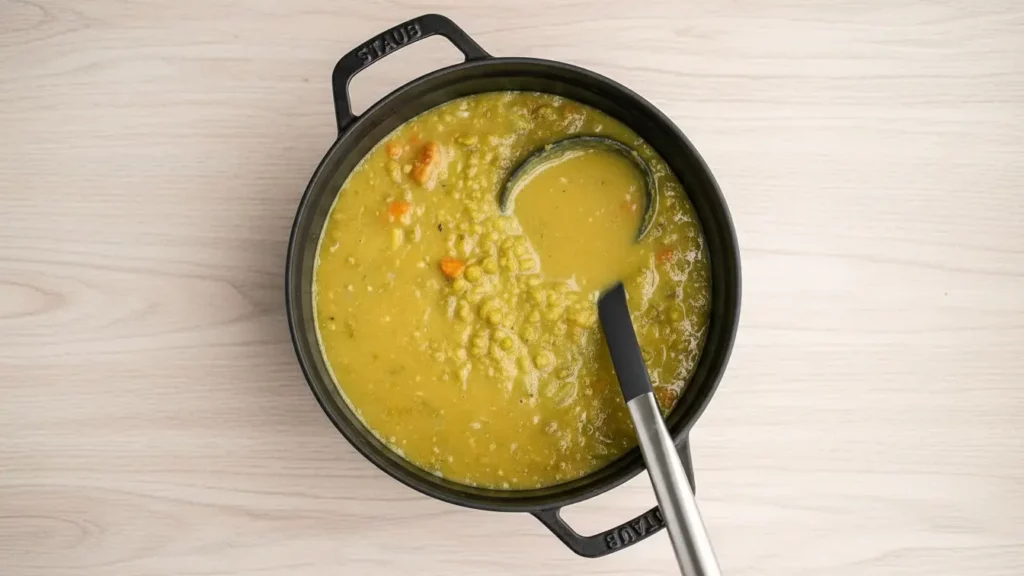
This soup is hearty enough to stand on its own, but these accompaniments take it to the next level. The contrasting textures and fresh flavors complement the creamy soup beautifully.
Serve this vegetarian split pea soup with crusty bread for dipping or a simple side salad for a complete meal. I love topping each bowl with a drizzle of good olive oil and some fresh cracked pepper.
- Fresh bread: Sourdough, whole grain, or Buttermilk Biscuits for dipping
- Crunchy toppings: Homemade croutons, toasted pumpkin seeds, or crispy fried onions
- Fresh herbs: Chopped parsley, cilantro, or fresh dill
- Creamy addition: A dollop of Greek yogurt or sour cream (if not strictly vegan)
- Acid and heat: Hot sauce, red pepper flakes, or extra lemon wedges on the side
- Simple salad: Mixed greens with a light vinaigrette to balance the richness
Read Also: Minestrone Soup Recipe
Variations to Try
Once you’ve mastered the basic recipe, these variations keep things interesting and let you customize the soup to your preferences. Each one brings its own unique twist.
- Smoky variation: Add 1 teaspoon of liquid smoke and extra smoked paprika for a deeper smoky flavor
- Curry version: Replace the cumin and paprika with 2 tablespoons of curry powder and add a can of coconut milk at the end
- Extra veggie-packed: Stir in 2 cups of chopped kale or spinach during the last 5 minutes of cooking
- Chunky vegetable: Add diced potatoes or sweet potatoes along with the carrots for more substance
- Mediterranean twist: Add 1 teaspoon of dried oregano and top with crumbled feta cheese
- Spicy kick: Include 1 diced jalapeño with the aromatics and a pinch of cayenne pepper
For something different, try my Healthy Broccoli Soup Recipe.
Storage and Reheating
Proper storage keeps this soup fresh and delicious for days. It actually tastes even better the next day as the flavors continue to develop.
- Refrigerator: Store cooled soup in an airtight container for up to 5 days
- Freezer: Freeze in portion-sized containers or freezer bags for up to 3 months (leave some headspace as the soup expands when frozen)
- Reheating from fridge: Warm in a pot over medium heat, stirring occasionally and adding a splash of broth or water if it’s too thick
- Reheating from frozen: Thaw overnight in the refrigerator, then reheat on the stovetop (or reheat directly from frozen over low heat, stirring frequently)
- Microwave option: Heat individual portions in a microwave-safe bowl for 2-3 minutes, stirring halfway through
Read Also: Mushroom Soup Recipe
Nutritional Facts
Per serving (based on 6 servings):
- Calories: 285
- Protein: 16g
- Carbohydrates: 48g
- Fiber: 18g
- Fat: 5g
- Sodium: 680mg (varies based on broth used)
- Iron: 3mg
- Potassium: 720mg
Note: Nutritional information is approximate and will vary based on specific brands and amounts used.
Health Benefits of Key Ingredients
This soup is packed with nutritious ingredients that support your overall health. Each component brings its own set of benefits that make this more than just comfort food.
Split peas are an excellent source of plant-based protein and fiber, which helps with digestion and keeps you feeling full longer. They’re also loaded with essential minerals like iron and potassium.
- Split peas: High in protein, fiber, folate, and manganese; support heart health and stabilize blood sugar
- Carrots: Rich in beta-carotene (vitamin A) for eye health and immune function
- Celery: Contains antioxidants and anti-inflammatory compounds; supports digestion
- Garlic: Has antimicrobial properties and may help lower blood pressure and cholesterol
- Onions: Packed with antioxidants and compounds that support immune health
- Lemon juice: Provides vitamin C and helps your body absorb the iron from the split peas
For another nutrient-dense option, check out my Black Eyed Pea Soup Recipe.
Frequently Asked Questions
1. Do I need to soak split peas before making soup?
No, you don’t need to soak split peas before cooking. Unlike dried beans, split peas cook relatively quickly without soaking because they’re already hulled and split.
They’ll break down and become tender within 45-60 minutes of simmering. Soaking won’t hurt anything, but it’s an unnecessary extra step that doesn’t significantly reduce cooking time.
2. Can I use yellow split peas instead of green?
Absolutely! Yellow and green split peas are interchangeable in this recipe.
The main difference is that yellow split peas have a slightly milder, sweeter flavor, while green split peas taste a bit earthier. The cooking time and texture are essentially the same for both varieties.
3. Why did my soup turn out too thick?
Split peas continue to absorb liquid as they cook and while the soup sits. If your soup becomes too thick, simply thin it out by stirring in additional vegetable broth or water, ¼ cup at a time, until you reach your desired consistency.
Reheat gently after adding liquid. This is totally normal and easy to fix.
4. How can I add more protein to this soup?
This soup is already high in plant-based protein from the split peas (about 16g per serving), but you can boost it further. Try adding cooked chickpeas, white beans, or cubed firm tofu during the last 10 minutes of cooking.
You could also serve it with a side of quinoa mixed in or topped with roasted nuts and seeds.
5. Can I make this soup in a slow cooker or Instant Pot?
Yes, both methods work great! For a slow cooker, add all ingredients (except lemon juice) and cook on low for 6-8 hours or high for 3-4 hours.
For an Instant Pot, sauté the aromatics using the sauté function, then add remaining ingredients and pressure cook on high for 15 minutes with a natural release. Stir in lemon juice before serving.
Final Thoughts
This Vegetarian Split Pea Soup Recipe is one of those meals that feels like a warm hug in a bowl. It’s simple, nourishing, and incredibly satisfying without being heavy.
The fact that it gets better with time makes it perfect for meal prep or batch cooking. I hope this becomes a regular in your kitchen rotation like it has in mine.
Give it a try and let me know how it turns out in the comments below. I’d love to hear about any variations you come up with or what you like to serve alongside it!
Recommended:
- Chicken Vegetable Soup Recipe
- Cream of Broccoli Soup Recipe
- Pumpkin Soup Recipe
- Loaded Potato Soup Recipe
- Zucchini Soup Recipe
- Baked Potato Soup Recipe
- Kale Soup Recipe
- Turkey Soup Recipe
- Lasagna Soup Recipe
- Caldo de Res Recipe