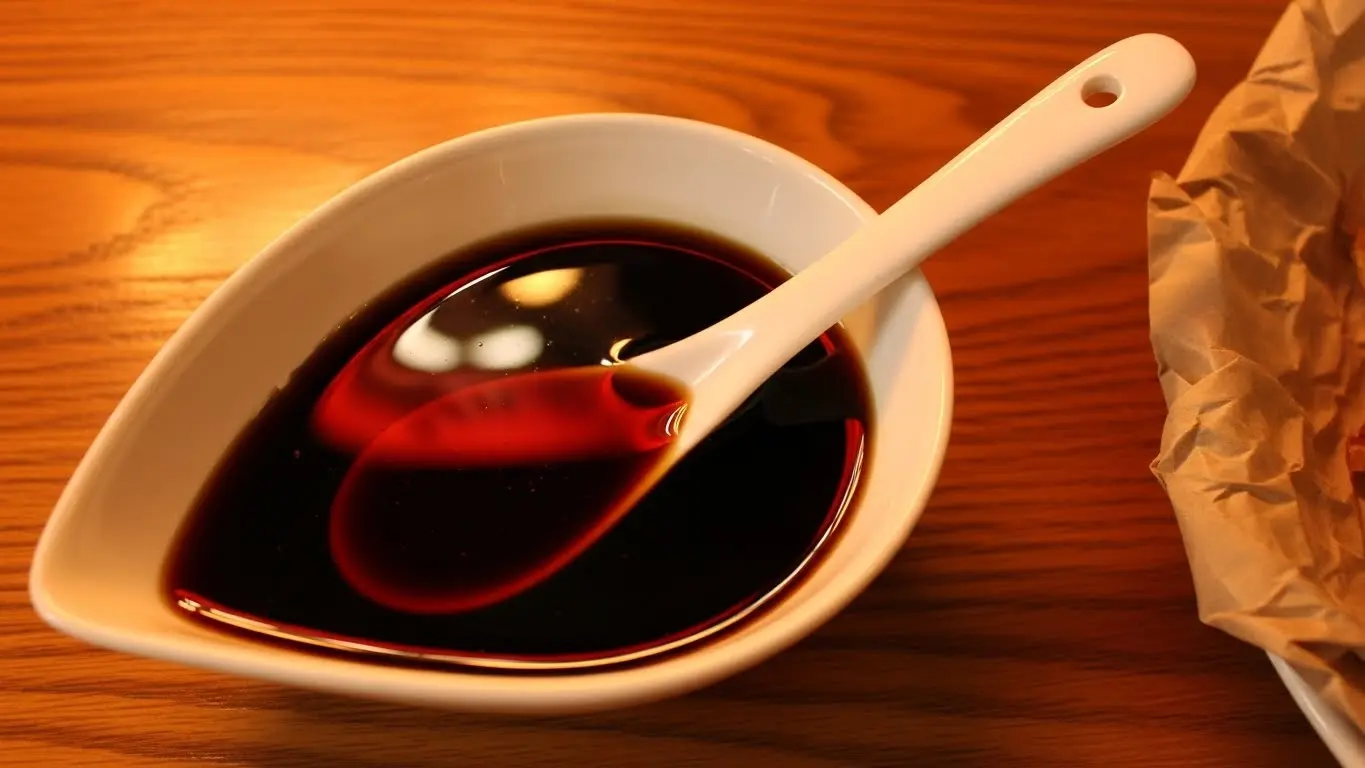
Making your own worcestershire sauce at home is one of those kitchen projects that sounds intimidating but actually couldn’t be simpler. Once you taste the difference between store-bought and homemade, you’ll understand why this tangy, complex condiment deserves a spot in your DIY repertoire.
I started making my own worcestershire sauce after reading the ingredient list on a commercial bottle and realizing I had no idea what half of those additives were. The homemade version uses real ingredients you can pronounce, and the flavor is so much brighter and more nuanced than anything you’ll find on a grocery store shelf.
The best part? You probably already have most of the ingredients sitting in your pantry right now.
This condiment works magic in everything from marinades to Bloody Marys, and once you see how easy it is to make, you’ll never want to go back to the bottled stuff.
Why You’ll Love This Worcestershire Sauce Recipe
This homemade version gives you complete control over the flavor profile, so you can adjust the sweetness, tanginess, or spice level to match your preferences perfectly. No more settling for the one-size-fits-all taste of commercial brands.
You’ll save money in the long run, especially if you use worcestershire sauce regularly in your cooking. Plus, you’ll know exactly what’s going into your food—no mysterious preservatives or artificial flavors.
The complex, layered taste develops beautifully as it sits, and the satisfaction of pulling out your own homemade bottle when a recipe calls for worcestershire sauce is genuinely rewarding. Here’s what makes this recipe special:
- Rich umami depth that elevates everything from burgers to Caesar salad
- Perfectly balanced sweet, sour, and savory notes
- Customizable heat level to suit your taste
- No artificial ingredients or unpronounceable additives
- Makes a thoughtful gift for the food lovers in your life
- Lasts for months when stored properly
You might also enjoy: Hoisin Sauce Recipe
Ingredients
This worcestershire sauce comes together with everyday pantry staples and a few key flavor boosters. The magic happens when these ingredients simmer together and develop their complex character.
- 2 cups apple cider vinegar
- ½ cup molasses
- ½ cup soy sauce
- ¼ cup tamarind paste
- ¼ cup water
- 3 tablespoons brown sugar
- 2 tablespoons lime juice
- 1 tablespoon salt
- 1 tablespoon black pepper
- 1 teaspoon ground ginger
- 1 teaspoon dry mustard
- 1 teaspoon onion powder
- 1 teaspoon garlic powder
- ½ teaspoon ground cinnamon
- ½ teaspoon ground cardamom
- ½ teaspoon ground cloves
- ¼ teaspoon cayenne pepper
Kitchen Equipment Needed
You don’t need any fancy equipment to make this worcestershire sauce from scratch. Basic kitchen tools will get the job done perfectly.
- Medium saucepan (2-3 quart capacity)
- Whisk
- Fine-mesh strainer
- Glass bottles or jars with tight-fitting lids
- Measuring cups and spoons
- Funnel (optional, but helpful for bottling)
Recommended Products for This Recipe
After making worcestershire sauce countless times, I’ve found that a few quality products really do make a difference in the final result.
1. Organic Tamarind Paste
The tamarind paste is what gives worcestershire sauce its distinctive tangy depth, and organic versions have a brighter, more authentic flavor than processed alternatives. Cheap tamarind paste can taste flat or overly sour, but a quality product brings that perfect sweet-tart balance that makes homemade worcestershire sauce special.
2. Blackstrap Molasses
I always reach for blackstrap molasses because it has a richer, more robust flavor than regular molasses and contains more minerals and nutrients. The deep, almost smoky sweetness it provides is essential for creating that characteristic worcestershire complexity.
3. Dark Glass Storage Bottles
Storing your worcestershire sauce in dark glass bottles protects it from light degradation and helps preserve the flavor for months. I love bottles with pour spouts because they make it easy to add just the right amount to recipes without making a mess.
4. Premium Soy Sauce
The soy sauce you choose dramatically affects the final flavor, so I always use a naturally brewed variety rather than the cheap stuff. A good naturally brewed soy sauce has a cleaner, less salty taste that lets the other flavors shine through.
Another favorite: Teriyaki Sauce Recipe
Step-by-Step Instructions
Follow these detailed steps to create your own perfectly balanced worcestershire sauce. The process is straightforward, but taking your time ensures the best flavor development.
1. Combine the Base Ingredients
- Pour the apple cider vinegar, molasses, soy sauce, tamarind paste, and water into your medium saucepan
- Whisk everything together until the tamarind paste has dissolved completely and no lumps remain
- The mixture will look quite thin at this stage, which is exactly what you want
2. Add the Sweetener and Seasonings
- Stir in the brown sugar, making sure it dissolves fully into the liquid
- Add the lime juice for brightness
- Sprinkle in the salt and black pepper, whisking to distribute evenly throughout the mixture
3. Incorporate the Spices
- Add the ground ginger, dry mustard, onion powder, garlic powder, cinnamon, cardamom, cloves, and cayenne pepper
- Whisk vigorously to ensure all the spices are fully incorporated and no clumps float on the surface
- The sauce should smell incredibly aromatic at this point, with warm spices mingling with the tangy vinegar
4. Bring to a Simmer
- Place the saucepan over medium-high heat and bring the mixture to a gentle boil
- Once bubbling, immediately reduce the heat to medium-low to maintain a steady simmer
- You want small bubbles breaking the surface, not a rolling boil that could cause the sauce to reduce too quickly
5. Simmer and Reduce
- Let the sauce simmer uncovered for 45-60 minutes, stirring occasionally to prevent sticking
- The mixture should reduce by about one-third and thicken slightly as it cooks
- You’ll notice the raw vinegar smell mellowing out and the spices becoming more integrated into the overall aroma
- If the sauce reduces too quickly or starts to stick, lower the heat slightly
6. Strain the Sauce
- Remove the saucepan from the heat and let it cool for about 10 minutes
- Place your fine-mesh strainer over a large bowl or pitcher
- Carefully pour the sauce through the strainer to remove any spice particles or sediment
- Press gently on the solids with the back of a spoon to extract as much liquid as possible, but don’t force too much sediment through
7. Cool and Bottle
- Allow the strained sauce to cool to room temperature before bottling
- Use a funnel to transfer the worcestershire sauce into clean glass bottles or jars
- Seal tightly with lids and give each bottle a good shake to recombine any settled spices
- Label your bottles with the date so you know when you made them
Read Also: Stir Fry Sauce Recipe
Tips for Success
These tried-and-true tips will help you nail this worcestershire sauce recipe every single time. Pay attention to these details for the best results.
Small adjustments can make a big difference in your final product:
- Don’t skip the straining step – it removes gritty spice particles and gives you a smooth, professional-looking sauce
- Taste and adjust before bottling – if it’s too tangy, add a bit more molasses; too sweet, add more vinegar
- Use fresh spices – old spices lose their potency and can make your sauce taste flat or dusty
- Be patient with the simmer – rushing the reduction process means you’ll miss out on flavor development
- Shake before using – natural separation is normal, so give the bottle a good shake before each use
- Start with less cayenne – you can always add more heat, but you can’t take it away
For a lighter option, try: Marinara Sauce Recipe
Serving Suggestions
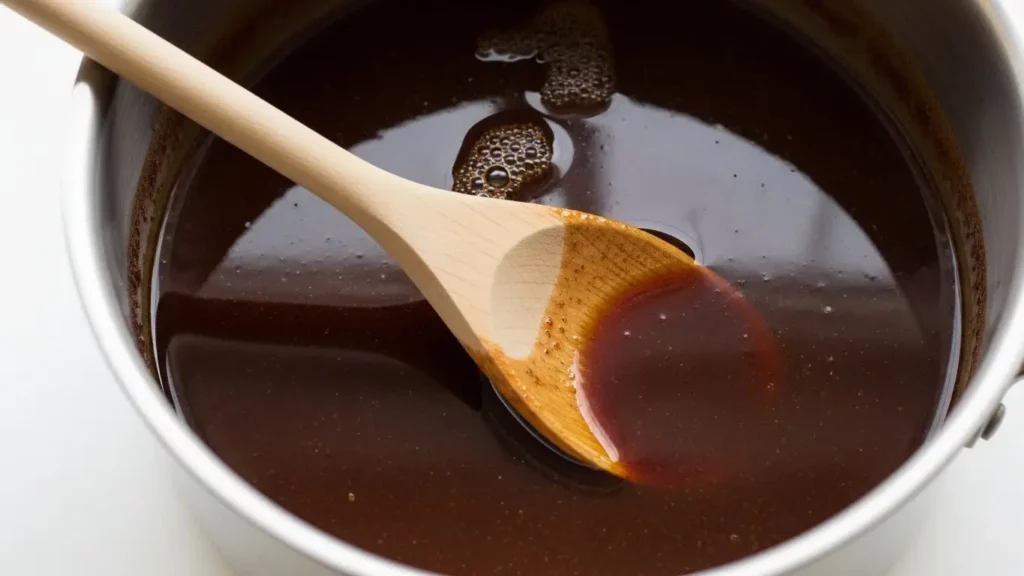
This homemade worcestershire sauce works wonders in countless dishes, from classic cocktails to hearty comfort food. The possibilities are truly endless once you have a bottle on hand.
I love how versatile this condiment is. Use it to add depth to burger patties, mix it into meatloaf, or shake a few dashes into your Bloody Mary for brunch. It’s also fantastic in:
- Steak marinades and dry rubs
- Beef Stroganoff for extra umami depth
- Caesar salad dressing
- Cheeseburger Soup
- Barbecue sauces and glazes
- Scrambled eggs or omelets
- Swedish Meatball sauce
- Vegetable juice cocktails
- Shepherd’s pie filling
Variations to Try
Once you’ve mastered the basic worcestershire sauce recipe, experimenting with variations keeps things interesting. These tweaks let you customize the flavor to match your cooking style.
Feel free to make this recipe your own:
- Spicy version – double the cayenne pepper and add a teaspoon of crushed red pepper flakes
- Sweet and tangy – increase the molasses to ¾ cup and add 2 tablespoons of honey
- Smoky twist – stir in 1 teaspoon of smoked paprika and ½ teaspoon of liquid smoke
- Asian-inspired – add 1 tablespoon of fish sauce and a teaspoon of sesame oil
- Citrus-forward – use lemon juice instead of lime and add a teaspoon of orange zest
- Less sodium – use low-sodium soy sauce and reduce the salt to 1 teaspoon
Storage and Reheating
Proper storage keeps your homemade worcestershire sauce fresh and flavorful for months. The high acidity and salt content act as natural preservatives.
Store your finished sauce in clean glass bottles with tight-fitting lids in the refrigerator. It will keep for up to 6 months thanks to the vinegar and salt content.
Other storage tips:
- Always use clean utensils when pouring from the bottle to prevent contamination
- Store in the refrigerator door where you can easily grab it for cooking
- If you notice any mold or off smells, discard the sauce immediately
- The flavor actually improves after a week or two as the spices continue to meld
- Room temperature storage is not recommended, even though commercial versions are shelf-stable
Read Also: Buffalo Sauce Recipe
Nutritional Facts
Per 1 tablespoon serving (approximately):
- Calories: 15
- Total Fat: 0g
- Sodium: 340mg
- Total Carbohydrates: 3g
- Sugars: 2g
- Protein: 0.5g
Note that nutritional values will vary based on specific ingredient brands and any modifications you make to the recipe.
Health Benefits of Key Ingredients
While worcestershire sauce is used in small amounts, the ingredients pack some impressive nutritional benefits. The combination of fermented and spiced elements can actually support your overall health.
Many of the spices and ingredients in this sauce have been used medicinally for centuries. The apple cider vinegar may support digestion, while the various spices provide antioxidants and anti-inflammatory compounds.
Here’s what some of the key ingredients bring to the table:
- Apple cider vinegar – may help with blood sugar regulation and digestion
- Tamarind – rich in antioxidants and vitamin C
- Ginger – known anti-inflammatory properties and digestive aid
- Garlic powder – supports immune function and heart health
- Cinnamon – may help regulate blood sugar levels
- Cloves – contain compounds that support liver health
- Cayenne pepper – can boost metabolism and circulation
Frequently Asked Questions
1. Can I make worcestershire sauce without tamarind paste?
You can substitute tamarind paste with an equal amount of pomegranate molasses or a mixture of lemon juice and brown sugar, though the flavor won’t be quite as authentic. The tamarind provides that distinctive tangy, slightly fruity flavor that’s hard to replicate perfectly, but these alternatives work in a pinch.
2. Why does my homemade worcestershire sauce taste different from store-bought?
Commercial worcestershire sauce often contains anchovy paste or fish sauce, which adds a deeper umami flavor and saltiness that our vegetarian-friendly version doesn’t have. If you want to replicate that taste more closely, add 1-2 tablespoons of fish sauce or anchovy paste to the recipe.
3. How long does it take for the flavors to fully develop?
The sauce is technically ready to use immediately after cooling, but the flavor improves dramatically after sitting in the refrigerator for at least 3-5 days. The spices mellow out, the sweetness balances with the acidity, and everything melds into that complex worcestershire flavor you’re looking for.
4. Can I use regular vinegar instead of apple cider vinegar?
White distilled vinegar works, but it has a sharper, more aggressive taste that can overpower the other flavors. Apple cider vinegar provides a rounder, slightly sweeter acidity that creates better balance in the final sauce.
5. Is it normal for the sauce to separate in the bottle?
Yes, separation is completely normal since this is a natural product without added emulsifiers or stabilizers. Just give the bottle a good shake before each use to recombine the ingredients, and you’ll be fine.
Final Thoughts
Making your own worcestershire sauce at home is one of those simple projects that delivers way more satisfaction than you’d expect. The flavor is brighter, more complex, and infinitely more satisfying than anything you’ll pour from a store-bought bottle.
I hope this recipe inspires you to take control of what goes into your pantry staples and experiment with flavors you love. Give it a try, adjust the spices to your taste, and let me know how it turns out in the comments below!
Recommended:
- Spaghetti Sauce Recipe
- Pizza Sauce Recipe
- BBQ Sauce Recipe
- Enchilada Sauce Recipe
- Hollandaise Sauce Recipe
- Cranberry Sauce Recipe
- Cocktail Sauce Recipe
- Peanut Sauce Recipe
- Yum Yum Sauce Recipe
- Tzatziki Sauce Recipe