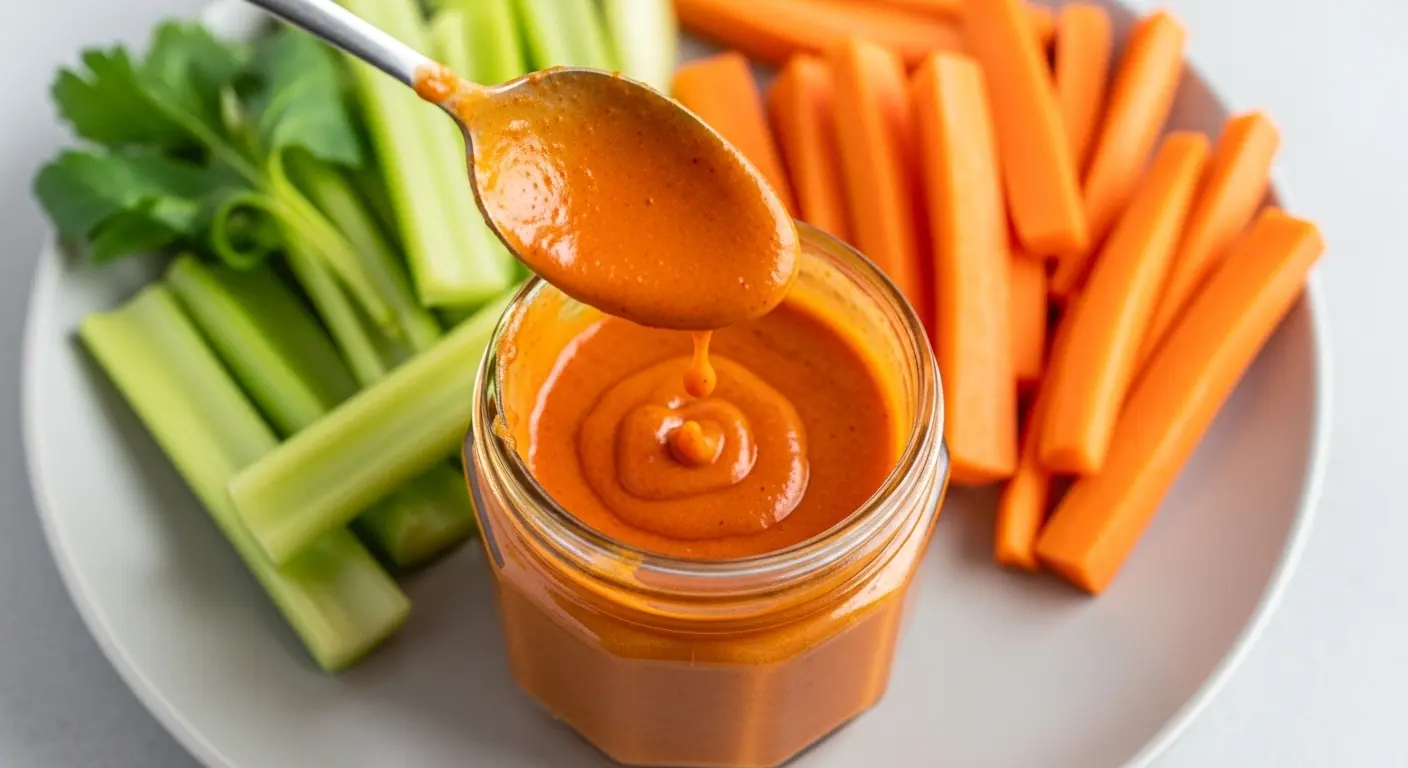
I’ll never forget the first time I made my own buffalo sauce from scratch. I was hosting a game day party and ran out of store-bought sauce halfway through coating my wings.
In a moment of panic, I threw together some ingredients I had in my pantry, and the result was so much better than anything from a bottle. My friends kept asking what brand I used, and I loved revealing it was homemade.
That experience completely changed how I approach buffalo sauce. Once you realize how simple it is to make and how much better it tastes fresh, there’s no going back to the store-bought stuff.
This buffalo sauce recipe delivers that perfect balance of tangy, buttery heat that makes everything it touches absolutely irresistible. You control the spice level, the consistency, and the flavor intensity.
Read Also: Cosmopolitan Cocktail Recipe
Why You’ll Love This Buffalo Sauce Recipe
Making your own buffalo sauce means you’re always in control of what goes into it. No weird preservatives, no mystery ingredients, just pure, delicious flavor that you can adjust to your exact preferences.
The beauty of homemade buffalo sauce is its versatility. Sure, it’s perfect for wings, but it transforms everything from cauliflower to shrimp into crave-worthy dishes.
Here’s what makes this recipe a keeper:
- Ready in under 10 minutes with just a handful of ingredients
- Customizable heat level so everyone at your table is happy
- Rich, buttery flavor that coats food perfectly without being greasy
- More affordable than buying multiple bottles from the store
- Fresher taste compared to anything sitting on a shelf for months
- No artificial ingredients or preservatives you can’t pronounce
Ingredients
The simplicity of this sauce is part of its charm. You probably have most of these ingredients already, and the ones you don’t are easy to find at any grocery store.
- 1 cup hot sauce (Frank’s RedHot is traditional, but any Louisiana-style hot sauce works)
- ½ cup unsalted butter (1 stick)
- 1 tablespoon white vinegar (adds tanginess and brightness)
- 1 teaspoon Worcestershire sauce (for depth and umami)
- 1 teaspoon garlic powder (not garlic salt)
- ½ teaspoon cayenne pepper (optional, for extra heat)
- ¼ teaspoon paprika (adds color and subtle smokiness)
Kitchen Equipment Needed
You don’t need any fancy equipment to make amazing buffalo sauce. A basic setup will get you professional-quality results every time.
- Medium saucepan (2-quart capacity works perfectly)
- Whisk (for smooth, emulsified sauce)
- Measuring cups and spoons (precision matters for consistency)
- Glass jar or bottle (for storing leftover sauce)
Recommended Products for This Recipe
After making countless batches of buffalo sauce over the years, I’ve found that certain products consistently deliver better results. These are my go-to items that make the process easier and the final sauce even more delicious.
1. Frank’s RedHot Original Cayenne Pepper Sauce
This is the gold standard for authentic buffalo sauce flavor. Frank’s has the perfect balance of heat and vinegar tang that defines classic buffalo sauce, and it’s what they use in Buffalo, New York where the sauce originated. Other hot sauces can work, but Frank’s gives you that true wing joint taste every single time.
2. Kerrygold Pure Irish Butter
The quality of your butter dramatically affects the final sauce since it makes up nearly half the recipe. Kerrygold’s rich, creamy butter creates a silkier texture and more luxurious mouthfeel than standard butter. The higher butterfat content also helps the sauce cling better to whatever you’re coating.
3. All-Clad Stainless Steel Saucepan
A quality saucepan with even heat distribution prevents hot spots that can cause your butter to separate or burn. This All-Clad pan heats gently and evenly, making it nearly impossible to mess up your sauce. The heavy bottom also means you can reduce the sauce to your preferred consistency without worrying about scorching.
4. OXO Good Grips Balloon Whisk
A good whisk is essential for creating that smooth, emulsified texture that makes homemade buffalo sauce better than store-bought. This OXO whisk has comfortable grip and wire thickness that efficiently blends the butter into the hot sauce without tiring out your arm. The balloon shape gets into the corners of your pan perfectly.
Step-by-Step Instructions
Making buffalo sauce is wonderfully straightforward, but paying attention to a few key details ensures you get that perfect, smooth consistency every time. Take your time with the butter incorporation, and you’ll have restaurant-quality sauce in minutes.
1. Prepare Your Ingredients
- Measure out all your ingredients before you start cooking so everything is ready to go
- Cut the butter into tablespoon-sized pieces so it melts evenly and quickly
- Have your whisk within reach since you’ll need to whisk constantly once you start adding butter
- Set up your storage container nearby if you’re making sauce ahead of time
2. Heat the Hot Sauce Base
- Pour the hot sauce into your saucepan over medium heat
- Add the white vinegar, Worcestershire sauce, garlic powder, cayenne pepper, and paprika
- Whisk everything together until the spices are fully incorporated
- Let the mixture come to a gentle simmer, which should take about 2-3 minutes
- You’ll know it’s ready when you see small bubbles forming around the edges
3. Reduce the Heat
- Turn the burner down to low heat immediately once the sauce starts simmering
- This lower temperature is crucial for preventing the butter from separating later
- Let the sauce bubble very gently for about 1 minute to allow the flavors to meld
- The mixture should be hot but not violently bubbling
4. Incorporate the Butter
- Add 2-3 pieces of butter to the hot sauce mixture
- Whisk constantly in a circular motion until the butter is completely melted and incorporated
- Add another 2-3 pieces of butter and repeat the whisking process
- Continue adding butter in small batches until all of it is incorporated into the sauce
- This gradual addition creates a smooth emulsion instead of a separated, oily sauce
- The sauce should look glossy and unified, not streaky or broken
5. Adjust the Consistency
- Keep the sauce on low heat and whisk occasionally for another 2-3 minutes
- If your sauce seems too thin, let it simmer gently for a few more minutes to reduce and thicken
- If it’s too thick, whisk in a teaspoon or two of hot sauce or water until you reach your desired consistency
- The sauce will thicken slightly as it cools, so keep that in mind
6. Taste and Adjust Seasoning
- Carefully taste the sauce using a clean spoon
- Add more cayenne pepper if you want extra heat
- Whisk in an additional teaspoon of vinegar if you prefer more tanginess
- For a mellower sauce, add another tablespoon of butter
- Remember that the sauce will taste stronger when hot, so don’t over-season
7. Use or Store the Sauce
- If using immediately, remove from heat and use while still warm for the best coating consistency
- For storage, let the sauce cool for about 5 minutes before transferring to your container
- The sauce will separate slightly as it cools, which is completely normal
- Simply whisk or shake it before using to re-emulsify
This pairs beautifully with my filet mignon recipe when you want to add a spicy kick to premium steak.
Tips for Success
Even though buffalo sauce is simple to make, these tips will help you avoid common pitfalls and create the most flavorful, perfectly emulsified sauce possible.
- Use unsalted butter exclusively so you can control the salt level yourself, as hot sauce is already quite salty
- Never let the sauce boil vigorously after adding butter, or it will separate and become greasy
- Add butter gradually in small batches rather than dumping it all in at once for the smoothest texture
- Whisk constantly while adding butter to create a proper emulsion that won’t break
- Taste as you go since different hot sauce brands have varying heat levels and salt content
- Warm the sauce gently before using if refrigerated by heating it slowly over low heat while whisking
- Don’t substitute margarine for butter as it won’t create the same rich flavor or smooth texture
- Use fresh spices rather than ones that have been sitting in your cabinet for years
- Make sure your hot sauce is vinegar-based like Frank’s RedHot rather than a fermented style like Sriracha
Serving Suggestions
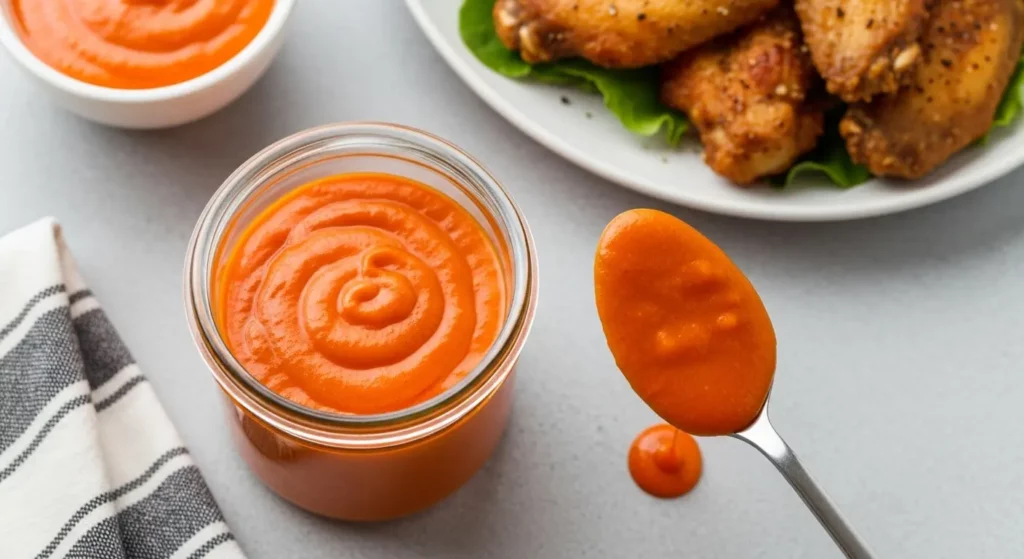
Buffalo sauce is incredibly versatile and elevates so many dishes beyond the classic chicken wing. Here’s how to make the most of your homemade sauce:
Once you have this sauce on hand, your weeknight dinner possibilities expand exponentially. It adds instant flavor and excitement to simple proteins and vegetables that might otherwise be boring.
- Classic buffalo wings tossed immediately after frying or baking while still hot
- Buffalo cauliflower bites for a vegetarian option that satisfies wing cravings
- Buffalo chicken pizza drizzled over cheese before baking
- Buffalo shrimp quickly sautéed and tossed in the warm sauce
- Buffalo chicken dip mixed with cream cheese and shredded chicken for parties
- Buffalo deviled eggs with a spoonful of sauce mixed into the yolk filling
- Buffalo popcorn chicken served with ranch or blue cheese for dipping
- Buffalo mac and cheese stirred into the cheese sauce for adults-only comfort food
- Buffalo sliders with pulled chicken or pork coated in the tangy sauce
- Roasted vegetables like Brussels sprouts or sweet potatoes finished with buffalo sauce
Another favorite: Smashed Potatoes Recipe
Variations to Try
The basic buffalo sauce recipe is just a starting point. Once you’ve mastered it, these variations will keep things interesting and let you customize the flavor to match different dishes.
- Honey buffalo sauce by whisking in 2-3 tablespoons of honey for a sweet-heat combination
- Garlic parmesan buffalo with 3 tablespoons grated parmesan and an extra teaspoon of garlic powder
- Smoky chipotle buffalo using 1-2 teaspoons of chipotle powder instead of cayenne
- Extra hot buffalo by adding 1-2 teaspoons of your favorite super-hot sauce or more cayenne
- Mild buffalo with half the cayenne and an extra 2 tablespoons of butter for sensitive palates
- Asian-inspired buffalo with a tablespoon of soy sauce and a teaspoon of sesame oil
- Maple buffalo substituting 2 tablespoons of maple syrup for a fall-inspired twist
- Ranch buffalo mixing in 2 tablespoons of ranch seasoning mix for a creamy, herby version
- Lemon pepper buffalo with fresh lemon zest and cracked black pepper added at the end
- Brown butter buffalo by browning the butter first before adding it to the hot sauce
Storage and Reheating
Proper storage keeps your homemade buffalo sauce fresh and ready to use whenever a craving hits. The good news is that it keeps well and is easy to revive.
- Refrigerate in an airtight container for up to 2 weeks without any loss of flavor
- Store in glass rather than plastic to prevent the sauce from absorbing any container odors
- Let the sauce cool completely before sealing and refrigerating to prevent condensation
- Expect separation during storage which is completely normal and easily fixed
- Shake vigorously or whisk before each use to re-emulsify the separated butter and hot sauce
- Reheat gently over low heat on the stovetop while whisking constantly
- Microwave in 15-second intervals if you’re in a hurry, stirring between each interval
- Don’t freeze buffalo sauce as the emulsion will break and the texture will be compromised
- Bring to room temperature before tossing with hot foods for the best coating consistency
You might also enjoy: Taco Seasoning Recipe
Nutritional Facts
Per 2-tablespoon serving (approximate):
- Calories: 105
- Total Fat: 11g
- Saturated Fat: 7g
- Cholesterol: 30mg
- Sodium: 720mg
- Total Carbohydrates: 1g
- Protein: 0g
- Vitamin A: 8% DV
- Calcium: 1% DV
- Iron: 1% DV
Note: Nutritional values vary based on specific brands used and any modifications you make to the recipe.
Health Benefits of Key Ingredients
While buffalo sauce isn’t exactly a health food, it does contain some ingredients with surprising nutritional benefits. Understanding these can help you feel a little better about enjoying this delicious condiment.
Hot sauce contains capsaicin, the compound responsible for the heat in peppers, which has been studied for its potential to boost metabolism and reduce inflammation. Some research suggests that capsaicin may help with pain relief and cardiovascular health.
- Cayenne pepper boosts metabolism and may help your body burn more calories temporarily
- Vinegar supports blood sugar regulation and can improve insulin sensitivity after meals
- Garlic powder provides antioxidants that support immune function and heart health
- Capsaicin acts as a natural pain reliever and has anti-inflammatory properties
- Butter provides fat-soluble vitamins like vitamins A, D, E, and K in modest amounts
- Hot peppers may improve circulation by promoting healthy blood flow
- Vinegar aids digestion and may help with nutrient absorption from other foods
For a lighter option, try: Bok Choy Recipe
Frequently Asked Questions
1. Can I make buffalo sauce without butter?
Yes, you can substitute olive oil, coconut oil, or even ghee for the butter. Keep in mind that butter creates the signature creamy texture and rich flavor that defines traditional buffalo sauce, so alternatives will taste different. Oil-based versions tend to be thinner and less rich, while ghee provides a similar butteriness with a slightly nuttier flavor.
2. Why does my buffalo sauce separate?
Separation happens when the butter and hot sauce don’t stay emulsified, usually because the heat was too high or the butter was added too quickly. To fix separated sauce, remove it from heat and whisk in a tablespoon of cold butter or a teaspoon of cold water while whisking vigorously. For future batches, keep the heat low and add butter gradually while whisking constantly.
3. How can I make my buffalo sauce thicker?
The easiest way to thicken buffalo sauce is to simmer it gently over low heat for a few extra minutes to reduce the liquid. You can also add an extra tablespoon or two of butter, which will make it richer and slightly thicker.
Some people add a small amount of cornstarch slurry (equal parts cornstarch and cold water), but this changes the texture to something less authentic.
4. What’s the difference between buffalo sauce and hot sauce?
Buffalo sauce is a prepared condiment that combines hot sauce with butter and other seasonings, creating a milder, richer flavor perfect for coating foods. Hot sauce is just peppers, vinegar, and salt without any butter, making it much thinner and more intensely spicy.
Think of buffalo sauce as a mellowed-out, buttery version of hot sauce that’s meant for tossing with wings and other foods rather than using as a condiment.
5. Can I use salted butter instead of unsalted?
You can use salted butter, but you’ll need to reduce or eliminate any additional salt in the recipe and be careful with salty seasonings. Most hot sauces already contain a good amount of salt, so adding salted butter can make the final sauce too salty.
If salted butter is all you have, start by making the recipe without any additional salt, taste it at the end, and adjust if needed.
Read Also: Honey Roasted Carrots Recipe
Final Thoughts
Making your own buffalo sauce transforms it from a condiment into an experience. You’ll love how the fresh, vibrant flavors taste compared to anything from a bottle, and your kitchen will smell absolutely amazing while you’re making it.
The best part about mastering this recipe is the confidence it gives you in the kitchen. Once you realize how simple it is to create restaurant-quality sauce at home, you’ll start experimenting with other homemade condiments too.
Give this buffalo sauce recipe a try the next time you’re craving wings, or surprise your family by drizzling it over something unexpected. I’d love to hear about your favorite ways to use it—drop a comment below with your buffalo sauce adventures!
Recommended:
- Chocolate Martini Recipe
- Hot Toddy Recipe
- Mug Cake Recipe
- French 75 Recipe
- Negroni Recipe
- Amaretto Sour Recipe
- Espresso Martini Recipe
- Gimlet Recipe
- Original Mai Tai Recipe
- White Russian Recipe