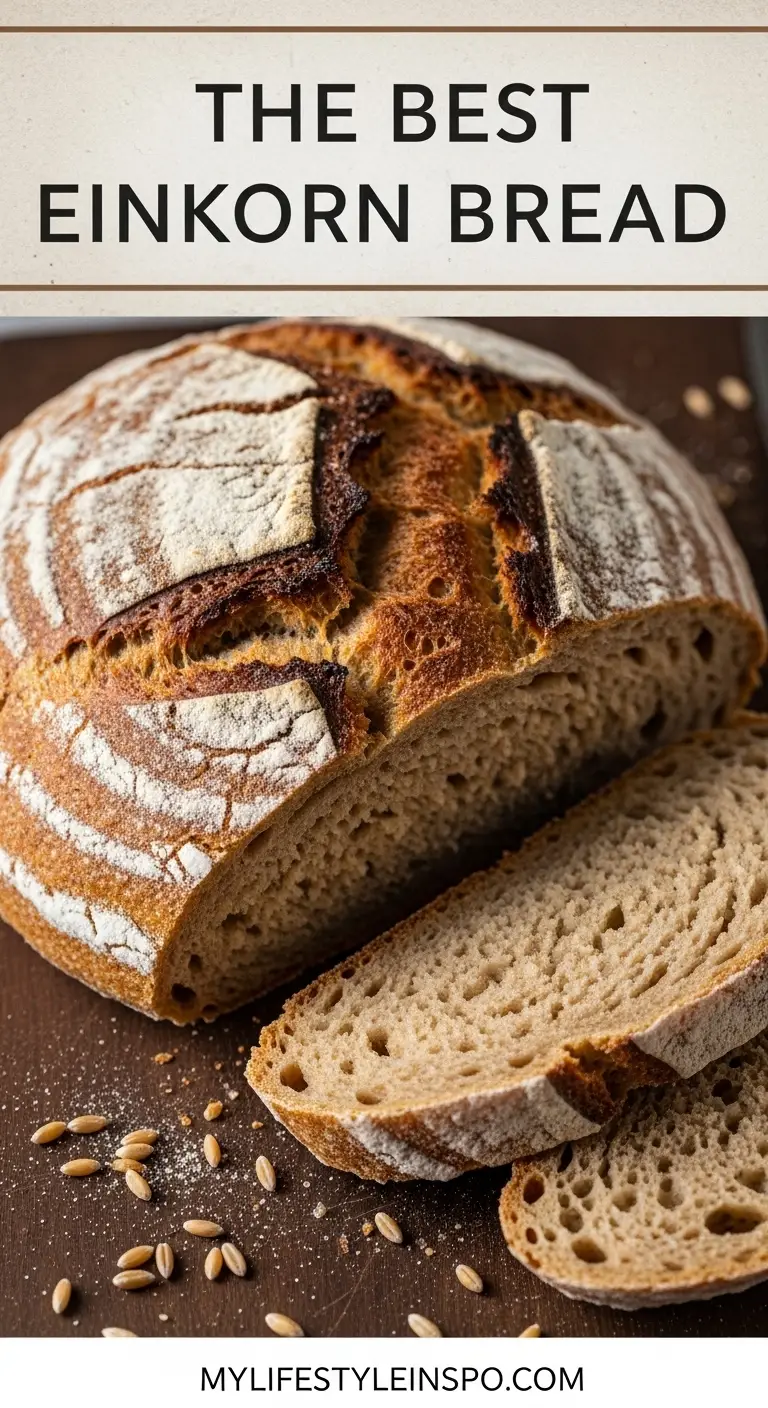
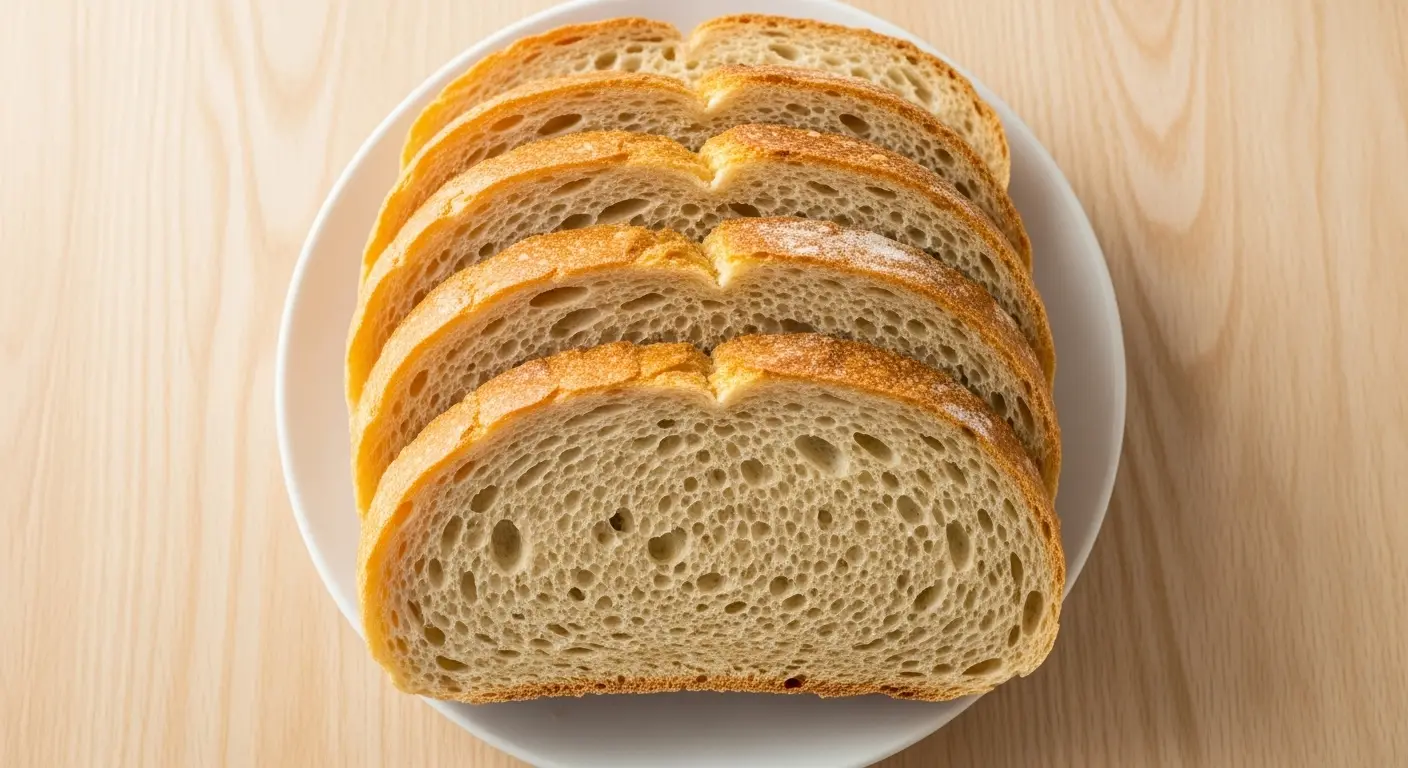
Making homemade bread with einkorn flour brings a wholesome, ancient grain into your kitchen. This einkorn bread recipe creates a soft, fluffy loaf with a beautifully golden crumb and a slightly nutty flavor that makes every slice worth savoring.
Einkorn is one of the oldest cultivated grains, believed to have originated in the Tigris-Euphrates region thousands of years ago. Unlike modern wheat, einkorn has a weaker gluten structure, which many people find easier to digest.
The beauty of this bread lies in its simplicity. With just a handful of ingredients and minimal hands-on time, you can bake a loaf that fills your home with an irresistible aroma.
This no-knead approach makes it accessible for beginners. The dough naturally develops its structure during the rising process, so you skip the traditional kneading step entirely.
The result is a tender, slightly sweet loaf that works wonderfully for sandwiches, toast, or simply slathered with butter. The golden color comes from the einkorn flour itself, giving each slice a warm, inviting appearance.
This bread pairs beautifully with homemade hummus for a wholesome snack.
Why You’ll Love This Einkorn Bread Recipe
This recipe delivers consistent results every single time, making it perfect for both new and experienced bakers. The sticky, wet dough might seem unusual at first, but it’s exactly what creates the soft, airy texture you want in sandwich bread.
Einkorn flour behaves differently from modern wheat because of its unique protein structure. The weaker gluten means less mixing is needed, which actually makes this bread easier to prepare than traditional wheat bread. You simply mix the ingredients, let the dough rise, shape it, and bake.
The flavor profile sets this bread apart from store-bought loaves. Einkorn has a naturally nutty, slightly sweet taste with a hint of butteriness that makes even plain toast feel special.
Here’s what makes this recipe a winner:
- Ready in about 2 hours from start to finish
- No kneading required, just simple mixing
- Creates a soft, sandwich-friendly crumb
- Higher in protein than regular white flour
- Naturally golden color without any additives
- Easier to digest for many people due to the ancient grain properties
- Freezes beautifully for meal prep
Ingredients
This recipe calls for simple, wholesome ingredients that you can find at most health food stores or online. The key is using all-purpose einkorn flour specifically, as whole wheat einkorn requires different ratios.
For the bread:
- 3 1/2 cups (440g) all-purpose einkorn flour
- 1 1/2 cups (355ml) warm water (around 110°F or 43°C)
- 3 tablespoons (45ml) honey or maple syrup
- 3 tablespoons (45ml) melted butter or olive oil
- 2 1/4 teaspoons (7g) active dry yeast (1 standard packet)
- 1 1/2 teaspoons (9g) sea salt
Another favorite: Fresh Milled Flour Bread
Kitchen Equipment Needed
Having the right tools makes this bread even easier to prepare. You don’t need anything fancy, just a few basic kitchen essentials.
Essential equipment:
- Large mixing bowl
- Wooden spoon or sturdy spatula for mixing
- 8.5 x 4.5-inch loaf pan (standard size)
- Clean kitchen towel or plastic wrap
- Kitchen scale (optional but helpful for accuracy)
- Wire cooling rack
You might also enjoy: Sweet Sourdough Bread
Recommended Products for This Recipe
These products will help you achieve bakery-quality results at home and make your baking experience more enjoyable.
1. Jovial Organic All-Purpose Einkorn Flour
This is the gold standard for einkorn flour. Jovial’s flour is consistently milled, organic, and sourced from Italy where einkorn has been cultivated for generations. Using high-quality flour makes a noticeable difference in the texture and flavor of your bread.
2. USA Pan Bakeware Aluminized Steel Loaf Pan
This professional-quality loaf pan distributes heat evenly, preventing hot spots that can cause uneven baking. The aluminized steel construction ensures your bread develops a beautiful golden crust without burning, and the non-stick coating makes removal effortless every time.
3. Escali Primo Digital Kitchen Scale
Measuring flour by weight rather than volume gives you the most consistent results with einkorn bread. This affordable scale is accurate, easy to clean, and has a tare function that makes measuring multiple ingredients simple. It’s especially helpful because einkorn flour can pack differently than all-purpose wheat flour.
4. King Arthur Baking Company Instant Yeast
This instant yeast provides reliable rise every time and can be mixed directly with your dry ingredients if you prefer. The resealable jar keeps the yeast fresh for months, and the consistent quality means you won’t have to worry about flat, dense loaves from inactive yeast.
Read Also: Gluten Free Dairy Free Bread Recipe
Step-by-Step Instructions
Follow these detailed steps to create your perfect loaf of einkorn bread. Each step builds on the previous one to develop flavor and structure.
1. Activate the Yeast and Combine Wet Ingredients
- Pour the warm water into your large mixing bowl (make sure it’s around 110°F or 43°C, warm to the touch but not hot)
- Add the honey or maple syrup to the warm water
- Sprinkle the active dry yeast over the water mixture
- Add the melted butter or olive oil
- Stir everything together gently with a wooden spoon until well combined
- Let this mixture sit for about 5 minutes until the yeast becomes foamy on top (this indicates the yeast is alive and active)
2. Mix in the Flour and Salt
- Add 2 cups (250g) of the einkorn flour to the yeast mixture
- Sprinkle the salt over the flour
- Stir vigorously with a wooden spoon or sturdy spatula until the flour is completely incorporated
- Add the remaining 1 1/2 cups (190g) of einkorn flour
- Continue mixing until all the flour is hydrated and you have a sticky, wet dough with no dry pockets
- The dough will look much wetter and stickier than traditional wheat bread dough, and this is exactly right for einkorn
3. First Rise
- Cover the bowl tightly with plastic wrap or a damp kitchen towel
- Place the bowl in a warm, draft-free spot in your kitchen
- Let the dough rise for 45 minutes to 1 hour, or until it has roughly doubled in size
- During this time, the yeast is producing carbon dioxide that creates the airy structure in your bread
- The dough should look puffy and have visible bubbles on the surface when ready
4. Prepare the Loaf Pan
- Generously butter or oil your 8.5 x 4.5-inch loaf pan, making sure to coat the bottom and all sides
- You can also line the pan with parchment paper for easier removal, though this is optional
- Set the prepared pan aside while you shape the dough
5. Shape the Dough
- Lightly flour a clean work surface with a small amount of einkorn flour (about 2 tablespoons)
- Turn the risen dough out onto the floured surface (it will be very sticky and wet to the touch)
- With floured hands, gently shape the dough into a rough rectangle
- Fold the dough over itself a few times to create some surface tension
- Form the dough into a log shape that’s roughly the length of your loaf pan
- Try not to add too much additional flour during shaping, as this can create dry patches in the finished bread
- Transfer the shaped dough to the prepared loaf pan, seam side down
- Gently press the dough to fill the corners of the pan
6. Second Rise
- Cover the loaf pan loosely with plastic wrap or a kitchen towel
- Let the dough rise for another 30 to 45 minutes at room temperature
- The dough should rise about 1 inch above the rim of the pan when ready
- Don’t let it over-proof or rise too long, as einkorn can collapse if it rises excessively
7. Preheat the Oven
- About 15 minutes before the second rise is complete, preheat your oven to 375°F (190°C)
- Position the oven rack in the center of the oven for even baking
8. Bake the Bread
- Remove the cover from the loaf pan
- Place the pan in the preheated oven
- Bake for 35 to 40 minutes, or until the top is deep golden brown and the bread sounds hollow when tapped
- If the top is browning too quickly, tent it loosely with aluminum foil during the last 10 minutes of baking
- An instant-read thermometer inserted into the center should read 190°F to 200°F (88°C to 93°C) when fully baked
9. Cool the Bread
- Remove the pan from the oven and place it on a wire rack
- Let the bread cool in the pan for 10 to 15 minutes
- Run a butter knife gently around the edges to loosen the bread
- Turn the pan over and carefully remove the loaf onto the wire rack
- Allow the bread to cool completely to room temperature before slicing (this takes about 1 to 2 hours)
- Cutting into warm bread can cause it to become gummy and compressed
This pairs beautifully with easy pesto for a delicious sandwich spread.
Tips for Success
These tried-and-tested tips will help you avoid common pitfalls and achieve perfect results every time you bake einkorn bread.
Expert baking tips:
- Use a kitchen scale to measure your flour by weight rather than volume for the most consistent results, as einkorn flour can compact differently than wheat flour
- Make sure your water temperature is correct (110°F or 43°C) because water that’s too hot will kill the yeast, while water that’s too cold won’t activate it properly
- Don’t be tempted to add extra flour during mixing just because the dough seems too wet, as einkorn naturally makes a stickier dough
- Allow the bread to cool completely before slicing to let the crumb set properly and prevent a gummy texture
- If your kitchen is cold, create a warm rising environment by placing the covered bowl in an oven with just the oven light on
- Check the expiration date on your yeast before starting, as old or inactive yeast is the most common cause of bread that doesn’t rise
- For a softer crust, brush the top of the warm loaf with melted butter immediately after removing it from the oven
- Avoid opening the oven door during the first 30 minutes of baking, as this can cause the bread to collapse
For a lighter option, try: Sweet Potato Bread
Serving Suggestions
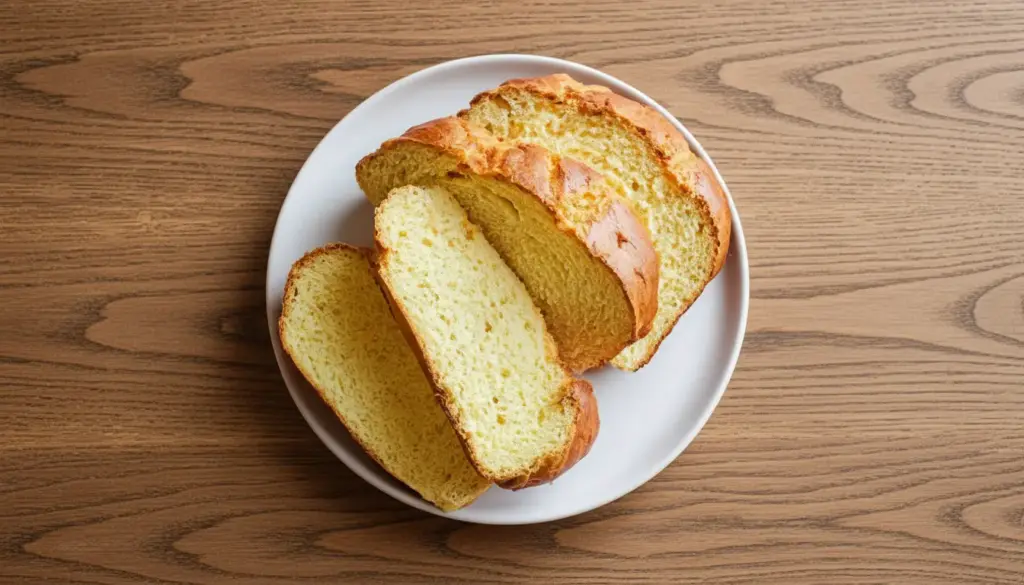
This versatile einkorn bread works beautifully in countless ways. The soft texture and subtle sweetness make it perfect for both savory and sweet applications.
Delicious ways to enjoy your einkorn bread:
- Toast slices and spread with homemade granola mixed into Greek yogurt for a satisfying breakfast
- Make classic grilled cheese sandwiches with your favorite artisan cheeses
- Create French toast using thick slices for a weekend brunch
- Serve alongside hearty soups like cream of mushroom soup for dipping
- Build club sandwiches with turkey, bacon, lettuce, and tomato
- Spread with almond butter and sliced bananas for a quick, protein-rich snack
- Toast and top with mashed avocado, everything bagel seasoning, and a fried egg
- Make bread pudding or French toast casserole with day-old slices
Variations to Try
Once you’ve mastered the basic recipe, these creative variations add exciting new flavors and textures to your einkorn bread baking repertoire.
Flavorful variations:
- Herbed Einkorn Bread: Add 2 tablespoons of fresh chopped rosemary, thyme, or basil to the dough during the initial mixing stage for a savory loaf perfect with pasta
- Cinnamon Raisin Bread: Mix 1 tablespoon of ground cinnamon with the flour and fold in 1 cup of raisins after the first rise for a sweet breakfast bread
- Seeded Einkorn: Stir 1/4 cup of mixed seeds (sunflower, pumpkin, sesame, flax) into the dough and sprinkle more seeds on top before baking
- Honey Whole Wheat Einkorn: Substitute 1 cup of all-purpose einkorn flour with whole wheat einkorn flour for a heartier, nuttier loaf (you may need to add 2-3 tablespoons more water)
- Garlic Parmesan: Add 3 cloves of minced garlic and 1/2 cup of grated Parmesan cheese to the dough for an Italian-inspired bread
- Maple Walnut: Replace the honey with pure maple syrup and fold in 3/4 cup of chopped walnuts for a rich, slightly sweet loaf
You might also enjoy: Pineapple Quick Bread
Storage and Reheating
Proper storage keeps your homemade einkorn bread fresh and delicious for days. The ancient grain properties actually help the bread stay moist longer than conventional wheat bread.
How to store your bread:
- Store the completely cooled bread in an airtight container or resealable plastic bag at room temperature for up to 3 days
- Keep the bread away from direct sunlight and heat sources to prevent it from drying out
- For longer storage, slice the bread first, then place it in a freezer-safe bag with parchment paper between slices
- Freeze for up to 3 months, removing individual slices as needed
- To refresh day-old bread, wrap it in aluminum foil and warm in a 300°F (150°C) oven for 10 minutes
- Toast frozen slices directly from the freezer without thawing for quick breakfast toast
- If the bread begins to stale, turn it into breadcrumbs, croutons, or bread pudding
Read Also: Chocolate Chip Bread Recipe
Nutritional Facts
Per slice (based on 12 slices per loaf):
- Calories: 178
- Total Fat: 4g
- Saturated Fat: 2g
- Cholesterol: 8mg
- Sodium: 298mg
- Total Carbohydrates: 31g
- Dietary Fiber: 2g
- Sugars: 4g
- Protein: 5g
- Iron: 2mg
- Calcium: 8mg
Note: Nutritional information is automatically calculated and should be used as an approximation only.
Another favorite: Starbucks Banana Bread
Health Benefits of Key Ingredients
Each ingredient in this recipe contributes valuable nutrients and health benefits that make this bread more than just delicious.
Nutritional highlights:
- Einkorn Flour: Contains higher levels of protein, essential fatty acids, phosphorus, potassium, and B vitamins compared to modern wheat, plus its simpler gluten structure makes it easier for many people to digest
- Honey: Provides natural antioxidants, has antimicrobial properties, and offers trace minerals along with its natural sweetness instead of refined sugar
- Olive Oil or Butter: Delivers healthy fats that help with nutrient absorption and provide energy, with olive oil offering additional anti-inflammatory benefits
- Active Dry Yeast: A source of B vitamins, particularly B12, plus beneficial probiotics that support gut health during fermentation
- Sea Salt: Contains trace minerals not found in refined table salt and helps enhance the natural flavors in the bread while regulating yeast activity
This technique works wonderfully in banana bread with walnuts and chocolate chips as well.
Frequently Asked Questions
1. Can I use whole wheat einkorn flour instead of all-purpose einkorn flour?
Yes, but you’ll need to adjust the recipe. Whole wheat einkorn flour absorbs more liquid than all-purpose, so you’ll likely need to add an additional 1/4 to 1/3 cup of water to achieve the right dough consistency. The bread will also have a denser texture and nuttier flavor.
2. Why is my einkorn bread dough so sticky compared to regular wheat bread dough?
This is completely normal and expected with einkorn flour. The ancient grain has a weaker gluten structure that doesn’t form the same elastic network as modern wheat. Resist the urge to add extra flour, as the sticky dough is what creates the soft, tender crumb you want.
3. Can I make this bread in a bread machine?
Yes, you can adapt this recipe for a bread machine. Add the wet ingredients first, then the flour, and finally the yeast on top. Use the basic white bread setting with a light crust option. Keep in mind that einkorn may not rise as dramatically as conventional wheat bread in a machine.
4. What’s the best way to tell when my einkorn bread is fully baked?
The bread should be deep golden brown on top and sound hollow when you tap the bottom of the loaf. For the most accurate test, use an instant-read thermometer inserted into the center. The internal temperature should reach 190°F to 200°F (88°C to 93°C) when fully baked.
5. Can I substitute instant yeast for active dry yeast?
Absolutely. You can use instant yeast in the same amount as active dry yeast. The main difference is that instant yeast can be mixed directly with the dry ingredients without proofing first, though for this recipe, mixing it with the wet ingredients works well for both types.
For a lighter option, try: Old Fashioned Pumpkin Bread
Einkorn Bread

Equipment
- Large mixing bowl
- Wooden spoon or sturdy spatula - For mixing the dough
- 8.5 x 4.5-inch loaf pan - Standard size
- Plastic wrap or clean kitchen towel - For covering dough during rises
- Kitchen scale - (optional) Recommended for most accurate flour measurement
- Wire cooling rack
- Instant-read thermometer - (optional) For checking internal bread temperature
- Parchment paper - (optional) For easier loaf removal
Ingredients
- 3.5 cups all-purpose einkorn flour - 440g; do not substitute whole wheat einkorn without adjusting liquid
- 1.5 cups warm water - 355ml; around 110°F / 43°C — warm to the touch but not hot
- 3 tbsp honey or maple syrup - 45ml
- 3 tbsp melted butter or olive oil - 45ml
- 2.25 tsp active dry yeast - 7g; 1 standard packet — check expiration date before using
- 1.5 tsp sea salt - 9g
Instructions
- Combine warm water (110°F/43°C), honey or maple syrup, active dry yeast, and melted butter or olive oil in a large mixing bowl. Stir gently and let sit for 5 minutes until the yeast is foamy on top.
- Add 2 cups (250g) of einkorn flour and the salt to the yeast mixture and stir vigorously, then add the remaining 1½ cups (190g) of flour and mix until fully incorporated with no dry pockets. The dough will be sticky and wet — this is normal for einkorn.
- Cover the bowl tightly with plastic wrap or a damp kitchen towel and place in a warm, draft-free spot. Let the dough rise for 45 minutes to 1 hour, until roughly doubled in size with visible bubbles on the surface.
- Generously butter or oil your 8.5 x 4.5-inch loaf pan, coating the bottom and all sides. Optionally, line with parchment paper for easier removal.
- Turn the risen dough out onto a lightly floured surface and, with floured hands, gently fold and shape it into a log roughly the length of your loaf pan. Transfer seam-side down into the prepared pan and press gently to fill the corners.
- Cover the pan loosely and let the dough rise at room temperature for 30 to 45 minutes, until it rises about 1 inch above the rim of the pan. Do not over-proof.
- About 15 minutes before the second rise is complete, preheat your oven to 375°F (190°C) with the rack positioned in the center.
- Remove the cover and bake for 35 to 40 minutes until the top is deep golden brown, the loaf sounds hollow when tapped, and an instant-read thermometer inserted in the center reads 190–200°F (88–93°C). Tent loosely with foil in the last 10 minutes if browning too fast.
- Let the bread cool in the pan on a wire rack for 10–15 minutes, then turn out and cool completely (1–2 hours) before slicing to prevent a gummy crumb.
Notes
- Use a kitchen scale to weigh your flour for the most consistent results — einkorn flour can pack differently than all-purpose wheat flour.
- Water temperature is critical: too hot (above 120°F) will kill the yeast, while too cold won’t activate it. Aim for exactly 110°F (43°C).
- Do not add extra flour even if the dough seems too wet — einkorn naturally makes a stickier dough, and this is what creates a soft, tender crumb.
- Always allow the bread to cool completely before slicing. Cutting into warm einkorn bread causes it to become gummy and compressed.
- If your kitchen is cold, create a warm rising environment by placing the covered bowl in an oven with just the oven light on.
- For a softer crust, brush the top of the warm loaf with melted butter immediately after removing it from the oven.
- Do not open the oven door during the first 30 minutes of baking, as this can cause the loaf to collapse.
- To use whole wheat einkorn flour, add an additional ¼ to ⅓ cup of water — the bread will be denser with a nuttier flavor.
- Store at room temperature in an airtight bag for up to 3 days, or freeze sliced (with parchment between slices) for up to 3 months. Toast frozen slices directly from the freezer.
- Instant yeast can be substituted in the same amount as active dry yeast and can be mixed directly with dry ingredients if preferred.
Final Thoughts
Baking your own einkorn bread brings something truly special to your kitchen. The process connects you with an ancient tradition while creating a wholesome loaf your whole family will love.
Once you experience the nutty flavor and tender crumb of homemade einkorn bread, it’s hard to go back to store-bought versions. Give this recipe a try this weekend and discover why this ancient grain has nourished communities for thousands of years.
I’d love to hear about your baking experience! Drop a comment below with your results or any creative variations you tried. Share this recipe with fellow bakers who appreciate wholesome, from-scratch foods.
Recommended:
- Amish Banana Bread Recipe
- Blackberry Bread Recipe
- Manna Bread Recipe
- Seeded Miso Sweet Potato Bread Recipe
- Vasilopita Bread Recipe
- Cracklin Bread Recipe
- Jiffy Spoon Bread Recipe
- Cunettos Garlic Cheese Bread Recipe
- Macaroni Grill Bread Recipe
- Same Day Sourdough Bread Recipe