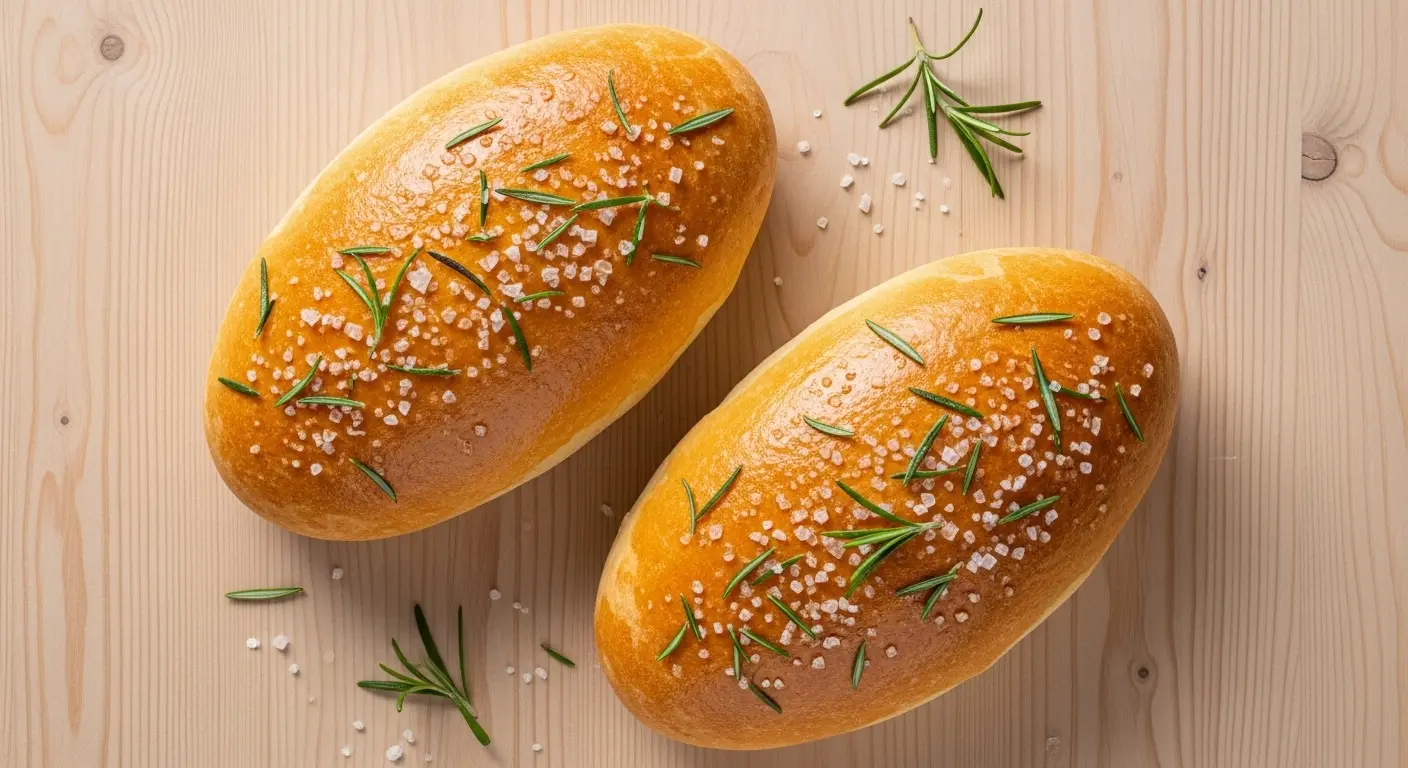
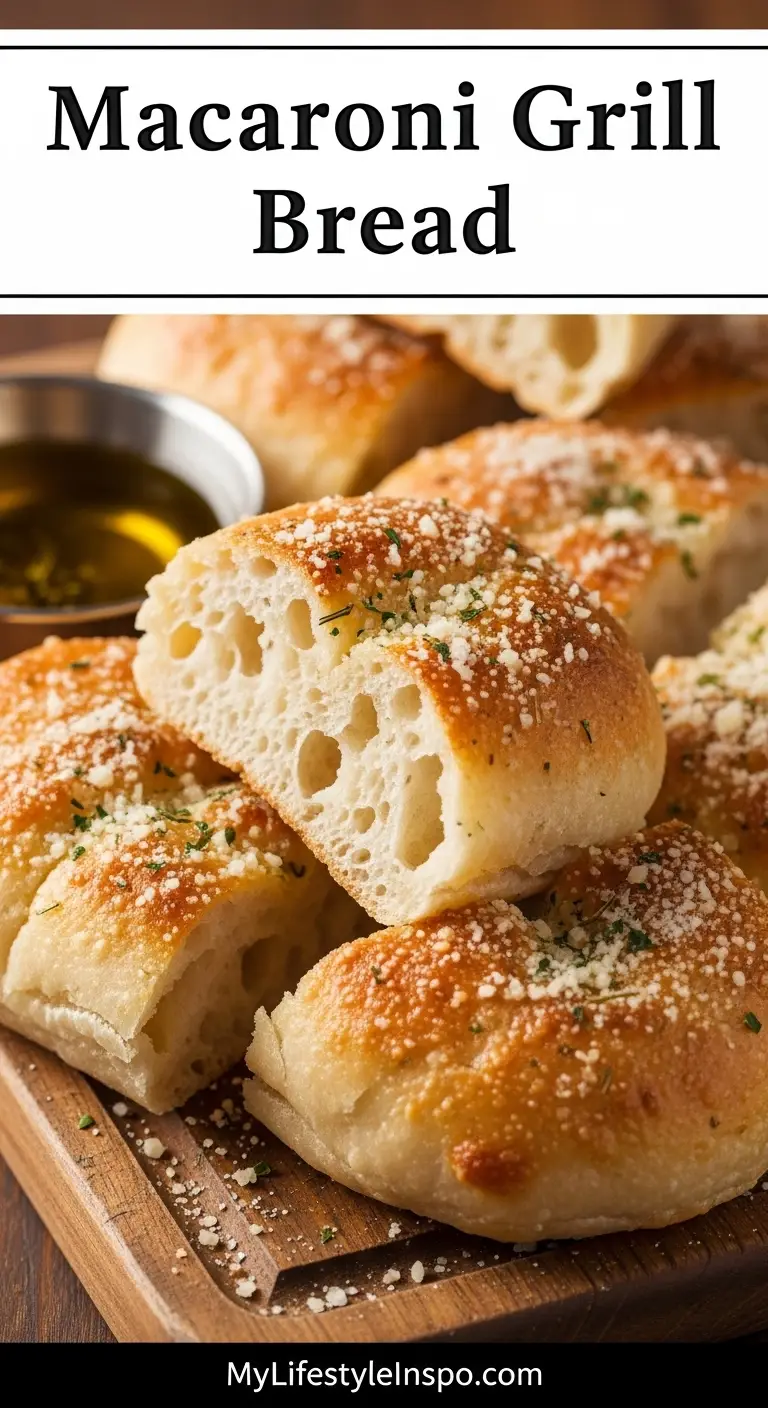
If you’ve ever dined at Romano’s Macaroni Grill, you know the warm, fragrant rosemary bread they bring to your table is pure magic. This macaroni grill bread recipe captures that same incredible flavor and soft, pillowy texture right in your own kitchen.
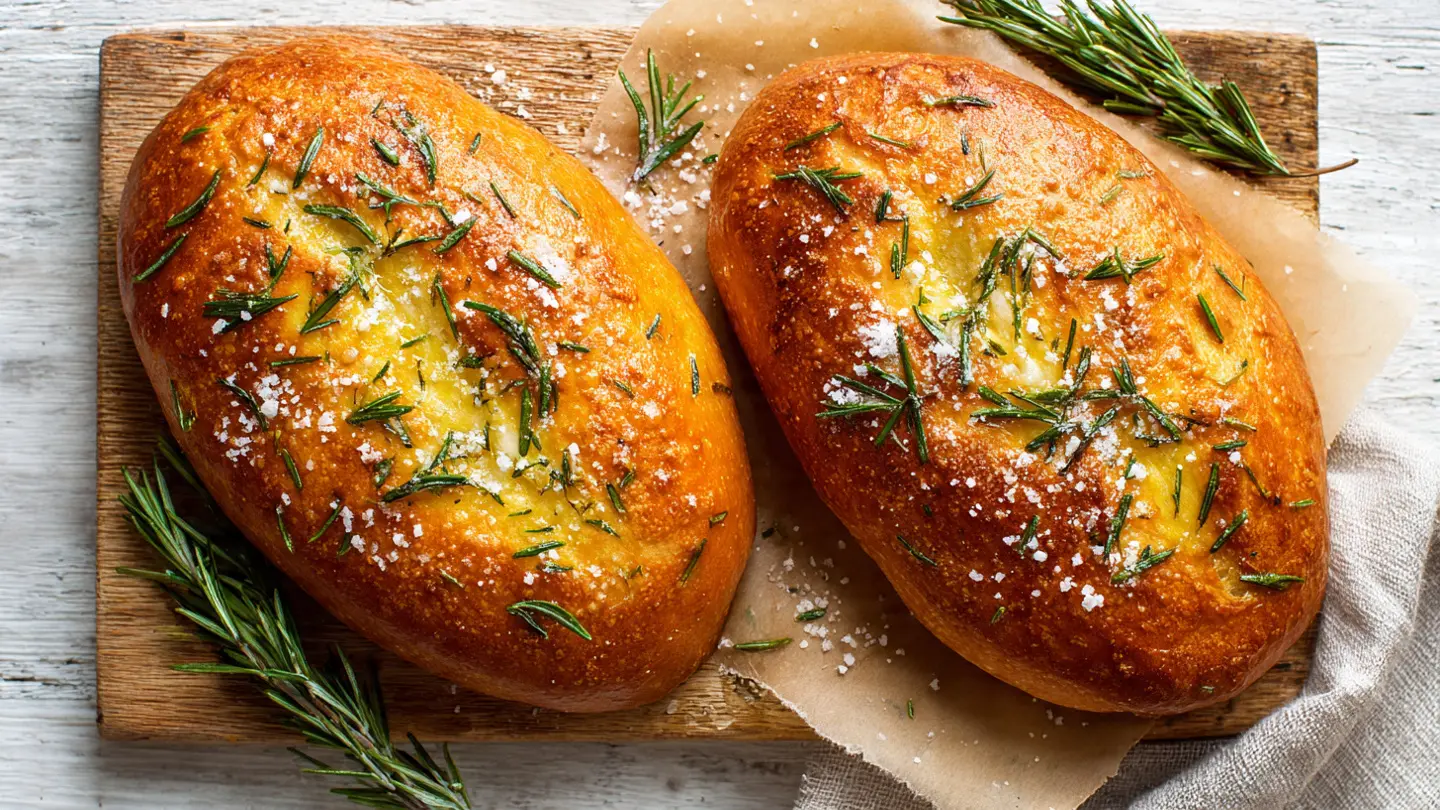
The aroma of fresh rosemary and butter fills your home as these beautiful loaves bake to golden perfection. What makes this bread so special is the combination of a tender, fluffy interior with a lightly crisp crust that’s brushed with butter and sprinkled with coarse sea salt.
This copycat recipe delivers restaurant-quality results without any fancy equipment or complicated techniques. You’ll be amazed at how straightforward it is to create bread that rivals the original. The key is using fresh rosemary and allowing proper rise times so the dough develops that signature light, airy texture everyone loves.
Serve this alongside your favorite pasta dishes, soups, or simply tear off pieces to dip in olive oil and balsamic vinegar. Once you make this at home, you’ll never need to wait for a restaurant visit to enjoy this beloved bread again.
Read Also: Classic Bruschetta Recipe
Why You’ll Love This Macaroni Grill Bread Recipe
This recipe transforms simple ingredients into something truly extraordinary. The fresh rosemary infuses every bite with aromatic, earthy flavor that perfectly complements the buttery richness.
You’ll appreciate how forgiving this dough is, even if you’re new to bread making. The active dry yeast creates a reliable rise, and the kneading process develops just the right amount of gluten for a soft yet structured crumb. The finishing touch of melted butter and sea salt creates an irresistible contrast between the crisp exterior and tender interior.
- Restaurant-quality results that taste just like the original Macaroni Grill bread
- Simple ingredients you likely already have in your pantry
- Impressive presentation that makes any meal feel special
- Versatile serving options from appetizers to sandwich bread
- Budget-friendly compared to dining out
- Freezer-friendly so you can always have fresh bread on hand
This pairs beautifully with Olive Garden Alfredo Sauce for a complete Italian-inspired meal.
Ingredients
The beauty of this recipe lies in its simplicity. Each ingredient plays a crucial role in creating that signature Macaroni Grill flavor and texture. The active dry yeast provides lift and creates those lovely air pockets throughout the bread, while the fresh rosemary delivers the aromatic flavor this bread is famous for.
- 2¼ teaspoons (1 packet) active dry yeast (7g)
- 1 tablespoon granulated sugar (12g)
- 1 cup warm water, divided (240ml), 110°F-115°F (43°C-46°C)
- 3 cups all-purpose flour (360g), plus more for kneading
- 1½ teaspoons fine sea salt (9g)
- 2 tablespoons extra virgin olive oil (30ml)
- 2 tablespoons fresh rosemary, finely chopped, divided
- 2 tablespoons unsalted butter (28g), melted
- Coarse sea salt for sprinkling
You might also enjoy: Homemade Alfredo Sauce Recipe
Kitchen Equipment Needed
Having the right tools makes the bread-making process smooth and enjoyable. You don’t need anything fancy, but quality equipment helps ensure consistent results every time you bake.
- Large mixing bowl
- Kitchen towel or plastic wrap for covering dough
- Measuring cups and spoons
- Baking sheet or pizza stone
- Parchment paper (optional but recommended)
- Pastry brush for applying butter
- Sharp knife or bread lame for scoring
- Kitchen thermometer for checking water temperature
- Stand mixer with dough hook (optional)
Read Also: Baked Ziti Recipe
Recommended Products for This Recipe
These carefully selected products will help you achieve bakery-quality results every time you make this Macaroni Grill bread. Each item has been chosen for its quality and ability to enhance the bread-making experience.
1. Fresh Mediterranean Rosemary
Fresh rosemary makes all the difference in achieving that authentic Macaroni Grill flavor. The aromatic oils in fresh herbs are far more potent than dried alternatives, infusing the bread with vibrant, earthy notes. Look for bright green sprigs with no wilting or browning for the best flavor.
2. Colavita Extra Virgin Olive Oil
This premium Italian olive oil adds richness and authentic Mediterranean flavor to your bread dough. Its fruity, peppery notes complement the rosemary beautifully, and it creates a tender crumb structure. Using quality olive oil makes a noticeable difference in both taste and texture.
3. Nordic Ware Natural Aluminum Commercial Baker’s Half Sheet
This professional-grade baking sheet ensures even heat distribution for perfectly golden, crispy crusts. The aluminum construction prevents hot spots that can cause uneven browning, and the rimmed edges contain any melted butter. It’s durable enough to last for years of bread baking.
4. Maldon Sea Salt Flakes
These delicate flaky sea salt crystals provide the perfect finishing touch for your bread. They deliver bursts of clean, mineral-rich flavor and create an appealing textural contrast against the soft bread. The large flakes don’t dissolve immediately, giving each bite a satisfying crunch.
For a lighter option, try: Mediterranean Lentil Soup Recipe
Step-by-Step Instructions
Follow these detailed instructions to create perfect Macaroni Grill bread every time. Take your time with each step, especially the rising periods, as they’re crucial for developing flavor and texture.
1. Activate the Yeast
The first step creates the foundation for your bread’s rise and flavor development. Proper yeast activation ensures your bread will have the light, airy texture that makes Macaroni Grill bread so special.
- Combine the yeast, sugar, and ¼ cup (60ml) of warm water in your large mixing bowl
- Stir gently to dissolve the sugar and distribute the yeast evenly
- Let the mixture stand undisturbed for 5-10 minutes until it becomes foamy and bubbly on top
- The foam indicates your yeast is alive and active (if it doesn’t foam, your yeast may be expired or the water temperature was too hot or cold)
- The mixture should have a slightly sweet, yeasty aroma when properly activated
2. Mix the Dough
Building the dough correctly ensures all ingredients are evenly distributed, creating consistent flavor and texture throughout each loaf.
- Add the remaining ¾ cup (180ml) warm water, olive oil, and salt to the activated yeast mixture
- Stir these wet ingredients together until well combined
- Add 2 cups (240g) of flour and 1 tablespoon of the chopped fresh rosemary
- Mix with a wooden spoon or dough whisk until a shaggy dough begins to form
- Gradually add the remaining 1 cup (120g) of flour, ¼ cup at a time, mixing after each addition
- Continue mixing until the dough pulls away from the sides of the bowl but still looks slightly sticky
- The dough should feel tacky to the touch but not wet or overly sticky
3. Knead the Dough
Kneading develops gluten strands that give bread its structure and chewy texture. This step is essential for creating that perfect soft yet springy crumb.
- Lightly flour a clean work surface and turn the dough out onto it
- Sprinkle a small amount of flour on top of the dough
- Using the heels of your hands, push the dough away from you in a rolling motion
- Fold the dough in half toward you, then rotate it a quarter turn
- Repeat this push, fold, and turn motion for 8-10 minutes by hand (or 5-6 minutes in a stand mixer with dough hook on medium speed)
- Add small amounts of flour as needed if the dough sticks to your hands, but avoid adding too much
- The dough is ready when it feels smooth, elastic, and springs back when gently poked
- It should no longer feel sticky and should hold its shape when formed into a ball
4. First Rise
This crucial resting period allows the yeast to ferment the dough, creating flavor compounds and the gas bubbles that make bread light and fluffy.
- Lightly oil a clean large bowl with olive oil or cooking spray
- Place the kneaded dough ball in the oiled bowl, turning it to coat all sides with oil
- Cover the bowl tightly with a clean kitchen towel or plastic wrap
- Place the bowl in a warm, draft-free location (75°F-80°F/24°C-27°C is ideal)
- Let the dough rise for 1 hour or until it has doubled in size
- To test if it’s ready, gently press two fingers into the dough about ½ inch deep; if the indentations remain, it’s properly risen
- The dough should feel puffy and light when you touch it
5. Shape the Loaves
Proper shaping creates surface tension that helps the bread maintain its form and rise evenly during the second proof and baking.
- Line a large baking sheet with parchment paper or lightly grease it
- Punch down the risen dough gently with your fist to release excess gas
- Turn the dough out onto a lightly floured surface
- Divide the dough into two equal portions using a bench scraper or sharp knife
- Let the dough rest for 5 minutes to relax the gluten
- Take one portion and gently pat it into a rough rectangle
- Fold the dough in thirds like a letter, then shape it into an oval loaf about 8 inches (20cm) long
- Place the shaped loaf seam-side down on the prepared baking sheet
- Repeat with the second portion, spacing the loaves at least 3 inches (7.5cm) apart on the baking sheet
- Gently press down on each loaf to flatten slightly into an oval shape about 1 inch (2.5cm) thick
6. Add Rosemary and Second Rise
The second rise develops more flavor and allows the shaped loaves to expand to their final size before baking.
- Sprinkle the remaining 1 tablespoon of chopped fresh rosemary evenly over both loaves
- Gently press the rosemary into the surface of the dough with your fingertips so it adheres well
- Cover the loaves loosely with a clean kitchen towel or lightly oiled plastic wrap
- Let rise in a warm place for 45 minutes to 1 hour until nearly doubled in size
- The loaves should feel puffy and spring back slowly when gently pressed
- During the last 15 minutes of rising, preheat your oven to 375°F (190°C)
7. Score and Bake
Scoring creates controlled weak points where the bread can expand, resulting in an attractive appearance and even rise.
- Remove the towel or plastic wrap from the risen loaves
- Using a sharp knife or bread lame, make 3-4 diagonal slashes across the top of each loaf, about ¼ inch (6mm) deep
- Place the baking sheet in the preheated 375°F (190°C) oven on the middle rack
- Bake for 15 minutes without opening the oven door
- The loaves should just be starting to turn golden at this point
8. Butter Finish and Final Bake
This signature step creates the glossy, flavorful crust that makes Macaroni Grill bread so irresistible.
- Remove the baking sheet from the oven after the initial 15 minutes
- Working quickly, brush the tops and sides of both loaves generously with the melted butter
- Sprinkle coarse sea salt evenly over the buttered surfaces
- If desired, add a few more fresh rosemary leaves for extra visual appeal
- Return the baking sheet to the oven immediately
- Continue baking for 10-15 minutes more until the loaves are deep golden brown and sound hollow when tapped on the bottom
- The internal temperature should register 190°F-200°F (88°C-93°C) on an instant-read thermometer
- Remove from oven and transfer the loaves to a wire cooling rack
- Let cool for at least 10 minutes before slicing to allow the interior structure to set properly
Another favorite: Vodka Sauce Recipe
Tips for Success
These professional tips will help you achieve bakery-quality results every time you make this bread. Small details make a big difference in bread baking.
- Use the right water temperature: Water between 110°F-115°F (43°C-46°C) activates yeast perfectly without killing it; cooler water slows activation, while hotter water kills yeast cells
- Don’t skip the proofing time: Allowing the dough to rise fully develops gluten structure and creates complex flavors through fermentation
- Fresh rosemary is key: Dried rosemary can be used in a pinch (use 1 tablespoon total), but fresh delivers far superior flavor and aroma
- Create a warm rising environment: Place dough in a turned-off oven with the light on, or near (not on) a warm stovetop
- Test your yeast first: If your yeast doesn’t foam during activation, it’s likely dead and won’t make your bread rise
- Don’t add too much flour: The dough should be slightly tacky after kneading; adding excess flour makes bread dense and dry
- Score just before baking: Make your slashes right before the bread goes into the oven so the cuts stay open during baking
- Brush generously with butter: Don’t be shy with the butter coating; this creates the signature glossy, flavorful crust
For a lighter option, try: Roasted Cauliflower Soup Recipe
Serving Suggestions

This versatile bread shines in countless serving scenarios. The rosemary and butter flavors complement a wide variety of dishes, making it a staple for any meal.
- Classic olive oil dip: Pour high-quality extra virgin olive oil onto a small plate, add a splash of balsamic vinegar in the center, and sprinkle with cracked black pepper and red pepper flakes
- Garlic herb butter: Mix softened butter with minced garlic, fresh parsley, and a pinch of salt for spreading on warm slices
- Soup accompaniment: Serve alongside Lobster Bisque, Cream of Mushroom Soup, or Lasagna Soup for dipping
- Sandwich base: Use slices for gourmet sandwiches filled with Italian meats, fresh mozzarella, roasted vegetables, and pesto
- Bruschetta topping: Toast slices and top with diced tomatoes, basil, garlic, and balsamic glaze
- Cheese board addition: Include on an antipasto platter with Classic Deviled Eggs, cured meats, olives, and artisan cheeses
- Pasta pairing: Serve with spaghetti carbonara, fettuccine alfredo, or any Italian pasta dish
This pairs wonderfully with Chicken Alfredo with Jar Sauce for an easy weeknight meal.
Variations to Try
Once you’ve mastered the basic recipe, these creative variations will keep things interesting. Each adaptation maintains the bread’s signature texture while introducing new flavor profiles.
- Garlic rosemary bread: Add 3-4 cloves of minced garlic to the dough along with the rosemary for extra savory depth
- Herb medley: Combine rosemary with fresh thyme, oregano, and basil for a more complex herbal flavor
- Parmesan rosemary: Mix ½ cup (50g) of freshly grated Parmesan cheese into the dough and sprinkle more on top before baking
- Sun-dried tomato: Fold ⅓ cup (40g) of chopped oil-packed sun-dried tomatoes into the dough during the final kneading
- Olive bread: Add ½ cup (75g) of chopped kalamata or green olives for a Mediterranean twist
- Whole wheat version: Replace up to half the all-purpose flour with whole wheat flour for added nutrition and nutty flavor
- Focaccia style: Instead of shaping into loaves, press the dough into a rimmed baking sheet, dimple with fingertips, drizzle with olive oil, top with rosemary, and bake
- Bread rolls: Divide the dough into 12 equal portions and shape into individual rolls; reduce baking time to 12-15 minutes total
You might also enjoy: Classic Chicken Parmesan Recipe
Storage and Reheating
Proper storage maintains the bread’s texture and flavor for several days. These methods ensure you can enjoy fresh-tasting bread long after baking.
- Room temperature: Store completely cooled bread in an airtight container or resealable plastic bag at room temperature for up to 3 days; avoid refrigerating, as this accelerates staling
- Freezing: Wrap cooled loaves tightly in plastic wrap, then in aluminum foil, and freeze for up to 3 months; slice before freezing for easy portioning
- Thawing: Remove from freezer and let thaw at room temperature for 2-3 hours, or microwave individual slices for 20-30 seconds
- Oven reheating: Wrap bread in foil and warm in a 350°F (175°C) oven for 10-12 minutes until heated through
- Toasting: Slice and toast in a toaster or under the broiler for 2-3 minutes until lightly golden and crisp
- Reviving stale bread: Lightly mist with water and bake at 350°F (175°C) for 5-7 minutes to restore moisture and crispness
- Bread crumbs: Transform leftover or stale bread into homemade breadcrumbs by pulsing torn pieces in a food processor
Read Also: Easy Lasagna Recipe
Nutritional Facts
This nutritional information is calculated per serving (¼ of one loaf, approximately 2 slices). Values are approximate and may vary based on specific ingredients used.
- Calories: 285
- Total Fat: 8g
- Saturated Fat: 2.5g
- Trans Fat: 0g
- Cholesterol: 8mg
- Sodium: 445mg
- Total Carbohydrates: 45g
- Dietary Fiber: 2g
- Sugars: 2g
- Protein: 7g
- Vitamin A: 2% DV
- Vitamin C: 1% DV
- Calcium: 2% DV
- Iron: 15% DV
This bread provides energizing carbohydrates and contains olive oil’s heart-healthy monounsaturated fats. Fresh rosemary contributes antioxidants and anti-inflammatory compounds. While this is an indulgent bread, enjoying it in moderation as part of a balanced diet allows you to savor the flavors you love.
For a lighter option, try: Healthy Broccoli Soup Recipe
Health Benefits of Key Ingredients
While this bread is certainly an indulgence, several key ingredients offer genuine nutritional advantages. Understanding these benefits helps you appreciate what goes into every delicious bite.
Fresh Rosemary: This aromatic herb contains powerful antioxidants like rosmarinic acid and carnosic acid that fight free radicals and reduce inflammation. Studies suggest rosemary may support brain health, improve digestion, and boost immune function. The essential oils in fresh rosemary also have antimicrobial properties.
Extra Virgin Olive Oil: Rich in monounsaturated fatty acids, olive oil supports heart health by helping maintain healthy cholesterol levels. It contains oleic acid and polyphenols that have anti-inflammatory effects. Regular consumption of quality olive oil has been linked to reduced risk of chronic diseases in Mediterranean diet studies.
Whole Grains (if using whole wheat variation): Incorporating whole wheat flour adds fiber, B vitamins, iron, magnesium, and selenium to the bread. Fiber supports digestive health and helps maintain stable blood sugar levels. The bran and germ in whole grains contain beneficial plant compounds not found in refined flour.
- Rosemary antioxidants support cognitive function and memory
- Olive oil polyphenols reduce inflammation throughout the body
- Complex carbohydrates from flour provide sustained energy
- Iron content supports healthy red blood cell production
- B vitamins aid metabolism and nervous system function
Another favorite: Baked Mac and Cheese Recipe
Frequently Asked Questions
1. Can I use dried rosemary instead of fresh?
Yes, you can substitute dried rosemary if fresh isn’t available. Use 1 tablespoon of dried rosemary total instead of 2 tablespoons fresh. Crush the dried rosemary between your fingers before adding it to release more aromatic oils and create smaller pieces that distribute better throughout the dough.
2. Why didn’t my bread rise properly?
The most common causes are expired or dead yeast, water that was too hot (over 120°F/49°C kills yeast), or a rising environment that was too cold. Always check your yeast’s expiration date and proof it first to ensure it’s active. Make sure your rising area is warm and draft-free, ideally between 75°F-80°F (24°C-27°C).
3. Can I make this dough ahead of time?
Absolutely! After the first rise, punch down the dough, shape it into a ball, and refrigerate it in an oiled bowl covered with plastic wrap for up to 24 hours. When ready to use, bring the dough to room temperature for 30 minutes, then continue with shaping and the second rise.
4. How do I know when the bread is fully baked?
The bread should be deep golden brown on top and sound hollow when you tap the bottom. An instant-read thermometer inserted into the center should read 190°F-200°F (88°C-93°C). If the crust is browning too quickly but the interior isn’t done, tent the bread loosely with foil for the final minutes of baking.
5. Can I freeze this bread dough?
Yes, you can freeze the dough after the first rise. Punch it down, divide it in half, and wrap each portion tightly in plastic wrap then foil. Freeze for up to 3 months. Thaw overnight in the refrigerator, then bring to room temperature, shape, allow the second rise, and bake as directed.
This pairs beautifully with Creamy Mac and Cheese Recipe for a comforting dinner.
Macaroni Grill Rosemary Bread

Equipment
- Large mixing bowl
- Kitchen towel or plastic wrap - For covering dough during rise
- Measuring cups and spoons
- Baking sheet or pizza stone
- Parchment paper - (optional but recommended)
- Pastry brush - For applying butter
- Sharp knife or bread lame - For scoring the loaves
- Kitchen thermometer - For checking water temperature and bread doneness
- Stand mixer with dough hook - (optional)
Ingredients
- 2¼ tsp active dry yeast - 7g, 1 packet
- 1 tbsp granulated sugar - 12g
- 1 cup warm water - 240ml, divided; 110°F–115°F (43°C–46°C)
- 3 cups all-purpose flour - 360g, plus more for kneading
- 1½ tsp fine sea salt - 9g
- 2 tbsp extra virgin olive oil - 30ml
- 2 tbsp fresh rosemary - finely chopped, divided; or 1 tbsp dried
- 2 tbsp unsalted butter - 28g, melted
- coarse sea salt - for sprinkling on top
Instructions
- Combine the yeast, sugar, and ¼ cup (60ml) warm water in a large bowl. Stir gently, then let stand for 5–10 minutes until foamy and bubbly.
- Add the remaining ¾ cup (180ml) warm water, olive oil, and salt to the yeast mixture, then stir in 2 cups flour and 1 tablespoon rosemary. Gradually add the remaining flour until the dough pulls away from the bowl but is slightly tacky.
- Turn the dough onto a lightly floured surface and knead for 8–10 minutes by hand (or 5–6 minutes with a stand mixer on medium) until smooth, elastic, and springs back when poked.
- Place the dough in a lightly oiled bowl, turn to coat, cover with a towel or plastic wrap, and let rise in a warm spot for 1 hour or until doubled in size.
- Punch down the dough, divide into two equal portions, and shape each into an oval loaf about 8 inches long. Place seam-side down on a lined baking sheet, spacing at least 3 inches apart, and flatten slightly to about 1 inch thick.
- Sprinkle the remaining 1 tablespoon rosemary over the loaves and gently press it in. Cover loosely and let rise 45–60 minutes until nearly doubled; preheat oven to 375°F (190°C) during the last 15 minutes.
- Score 3–4 diagonal slashes across the top of each loaf, about ¼ inch deep, then bake on the middle rack for 15 minutes without opening the oven door.
- Remove from oven, brush loaves generously with melted butter, and sprinkle with coarse sea salt. Return to oven and bake 10–15 minutes more until deep golden brown and hollow-sounding when tapped (internal temp 190°F–200°F / 88°C–93°C).
- Transfer loaves to a wire rack and cool for at least 10 minutes before slicing to allow the interior to set properly.
Notes
- Use water between 110°F–115°F (43°C–46°C) to activate yeast properly — hotter water will kill it.
- Always proof your yeast first; if it doesn’t foam after 10 minutes, it’s expired and won’t make the bread rise.
- Fresh rosemary delivers far superior flavor — use dried (1 tbsp total) only as a last resort.
- Don’t add too much flour during kneading; the dough should remain slightly tacky for a soft, airy crumb.
- Create a warm rise environment by placing the covered bowl in a turned-off oven with just the light on.
- Score the loaves right before baking so the cuts stay open during the oven spring.
- Don’t be shy with the butter finish — it’s what gives this bread its signature glossy, flavorful crust.
- Make-ahead tip: After the first rise, refrigerate the shaped dough (covered) for up to 24 hours, then bring to room temperature before the second rise and baking.
- Freeze baked loaves (tightly wrapped in plastic then foil) for up to 3 months; reheat wrapped in foil at 350°F for 10–12 minutes.
- Try variations like adding 3–4 cloves minced garlic, ½ cup grated Parmesan, or chopped kalamata olives to the dough for a fun twist.
Final Thoughts
This macaroni grill bread recipe brings the warmth and comfort of restaurant-quality bread right to your kitchen. The aroma of rosemary and butter baking will fill your home, creating memories with every batch you make.
Don’t be intimidated by bread baking if you’re new to it. This recipe is incredibly forgiving and rewards you with two beautiful loaves that taste better than anything you can buy at a store. The soft, fluffy interior contrasts perfectly with the buttery, herb-studded crust that makes this bread so addictive.
Try this recipe for your next family dinner, holiday gathering, or simply because you deserve fresh homemade bread. I’d love to hear how your bread turned out! Share your experience in the comments below, and let me know what you served it with.
Recommended:
- San Giorgio Lasagna Recipe
- Lasagna Recipe with Ricotta
- Tomato Sauce Recipe
- Classic Tiramisu Recipe
- Easy Tiramisu Recipe
- Cunettos Garlic Cheese Bread Recipe
- Easy Pesto Recipe
- Classic Hummus Recipe
- Easy Hummus Recipe
- Jiffy Spoon Bread Recipe