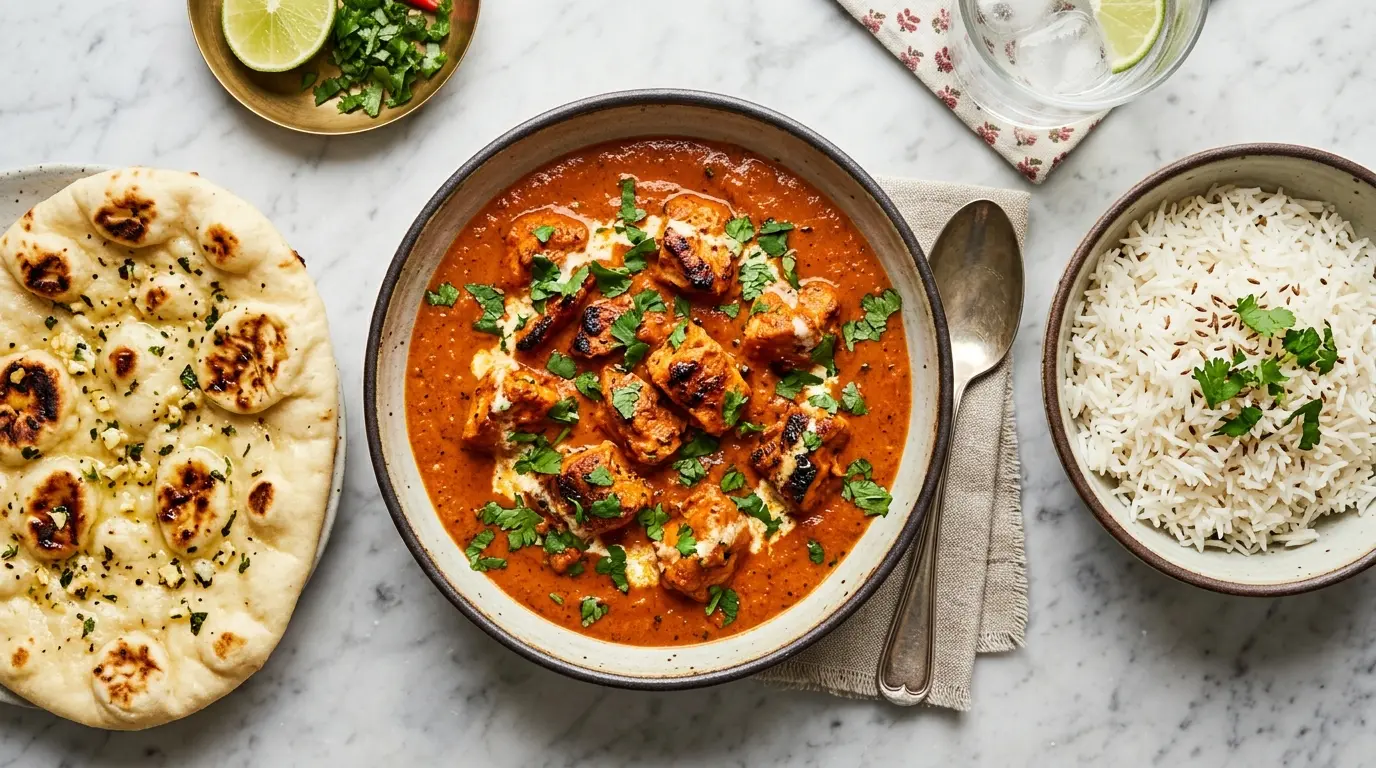
If you have ever walked past a curry stand and been stopped in your tracks by that warm, fragrant cloud of spices, you already know the power of a great Curry Stand Chicken Tikka Masala Sauce Recipe. This is the dish that made people fall in love with Indian cuisine the world over. Rich, velvety tomato and cream sauce, infused with layers of aromatic spices, wrapped around tender seared chicken pieces.
It is bold without being overwhelming. It is creamy without being heavy. And when you get it right at home, it honestly rivals anything you would find at a restaurant.
This version is inspired by the iconic Allrecipes “Curry Stand” recipe that has been made and loved by tens of thousands of cooks. It uses a streamlined but deeply flavorful method, where ghee forms the sauce base, whole spices bloom directly in the fat, and the chicken finishes cooking inside the sauce so it absorbs every bit of flavor.
Whether you are making this for a cozy weeknight dinner or impressing guests, this recipe delivers every single time. You will want to make it again the very next week.
If you love Indian-inspired chicken dishes, you will also enjoy this Chicken Tikka Masala Recipe for a deeper dive into this classic.
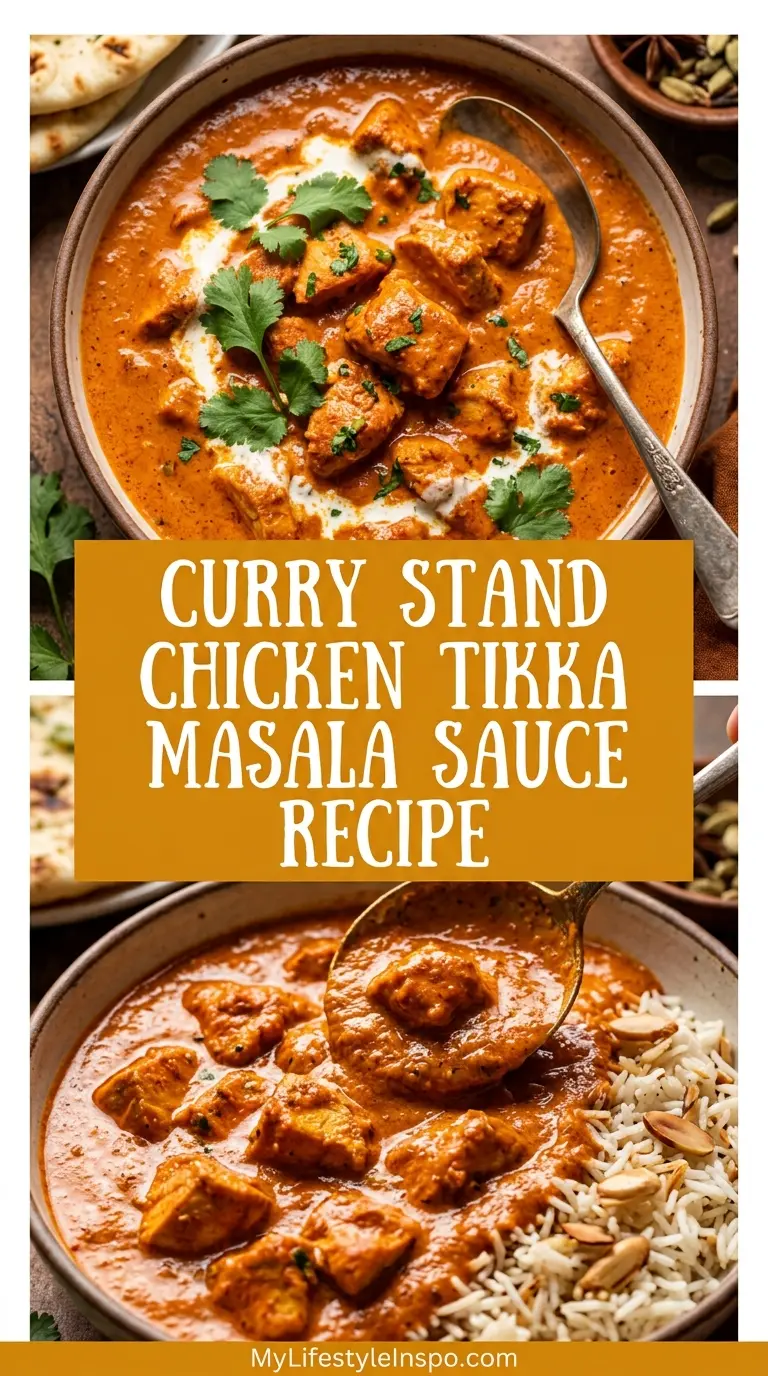
Why You’ll Love This Curry Stand Chicken Tikka Masala Sauce Recipe
This dish checks every box you could want from a homemade curry. It is deeply savory, gently spiced, and silky smooth.
The combination of ghee (clarified butter) and heavy cream gives the sauce a richness that feels indulgent without being cloyingly heavy. Ghee has a higher smoke point than regular butter and a nutty, caramelized depth that you simply cannot replicate with oil alone.
The spice blend is smart and accessible. You do not need a fully stocked spice shop because the key players, cumin, ginger, cayenne, cinnamon, turmeric, and paprika, are pantry staples in most homes.
The chicken simmers directly inside the sauce for the final 30 minutes, which means every piece is infused with flavor all the way through. This slow finish is what gives the dish its restaurant-quality taste.
The whole recipe comes together in about an hour and twenty minutes, which feels generous but is mostly hands-off simmering time.
Here is a quick look at why this recipe stands out:
- Rich, velvety tomato-cream sauce with no complex technique required
- A balanced spice profile that is warm and aromatic, not overwhelmingly hot
- Ghee-based sauce provides a deeper, nuttier flavor than oil alone
- Chicken simmers in the sauce for maximum flavor absorption
- Budget-friendly ingredients that are easy to find anywhere
- Scales easily to feed a crowd or meal prep for the week
Read Also: Indian Curry Chicken Recipe
Ingredients
You will need 16 ingredients for this recipe, all of which are easy to find at any grocery store. The ghee is the one ingredient worth seeking out specifically, since it makes a genuine difference to the depth of the sauce.
- 4 boneless, skinless chicken breast halves (about 1.5 lbs / 680g), cut into bite-size pieces
- 1 medium onion, finely chopped
- 4 cloves garlic, minced
- 2 tablespoons ghee (clarified butter)
- 1 tablespoon vegetable oil
- 1 can (14 oz / 397g) tomato sauce
- 1 cup (240ml) heavy whipping cream
- 1 tablespoon ground cumin
- 2 teaspoons paprika
- 1 teaspoon ground ginger
- 1 teaspoon cayenne pepper (reduce to 1/2 tsp for milder heat)
- 1/2 teaspoon garam masala (curry powder)
- 1/2 teaspoon ground cinnamon
- 1/4 teaspoon ground turmeric
- 1 teaspoon salt, plus more to taste
- 1 tablespoon white sugar, plus more to taste
- Fresh cilantro, for garnish (optional)
This recipe pairs wonderfully alongside a warm batch of Garlic Naan Bread, which is ideal for soaking up all that delicious sauce.
Kitchen Equipment Needed
You do not need any specialty equipment for this recipe. Two skillets and some basic tools are all it takes.
- Large heavy-bottomed skillet or enameled cast iron pan (for the sauce)
- Second skillet (for searing the chicken)
- Wooden spoon or silicone spatula
- Sharp chef’s knife and cutting board
- Measuring spoons and measuring cups
- Ladle (for serving)
- Large mixing bowl (for prepping chicken)
- Can opener
Read Also: Easy Naan Bread Recipe
Recommended Products for This Recipe
These are products that will genuinely make this recipe easier to execute and better to eat. Every recommendation is based on quality and performance.
1. Pure Indian Foods Grass-Fed Organic Ghee
Using a high-quality ghee makes a real difference in the depth and richness of the sauce. Pure Indian Foods is one of the most widely praised brands for its authentic, nutty flavor that brings an authentic quality to the finished dish.
2. Lodge Enameled Cast Iron Skillet
Cast iron retains and distributes heat evenly, which is exactly what you need for building a deep, luscious sauce. The enamel coating means no reactive surface with the tomatoes and easy cleanup.
3. McCormick Gourmet Garam Masala
A quality garam masala blend provides the backbone of warmth and complexity in this sauce. McCormick’s Gourmet line uses whole-ground spices that deliver noticeably more aroma than budget alternatives.
4. OXO Good Grips Wooden Spatula
Stirring a simmering sauce for 20 to 30 minutes demands a sturdy, comfortable spatula. OXO’s wooden version is heat-safe and gentle enough not to scratch your cookware.
You might also enjoy: Authentic Butter Chicken Recipe
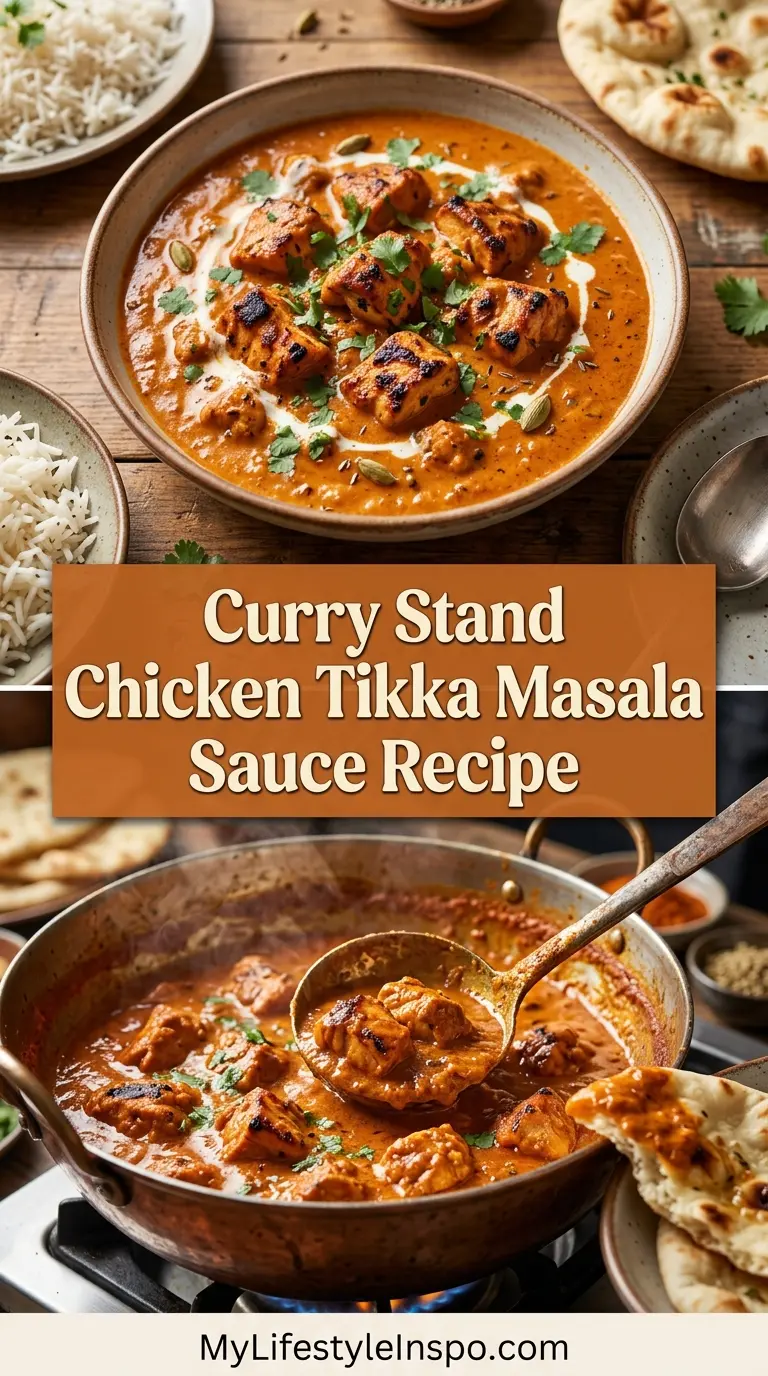
Step-by-Step Instructions
Step 1: Prep All Your Ingredients
- Cut the chicken breast halves into bite-size pieces, roughly 1 to 1.5 inches (2.5 to 4 cm) each. Uniform sizing ensures the chicken cooks evenly.
- Finely chop the onion into small dice. The finer the chop, the more smoothly it will melt into the sauce.
- Mince the garlic cloves. You can also use a garlic press if you prefer.
- Measure out all of your spices: cumin, paprika, ginger, cayenne, garam masala (curry powder), cinnamon, and turmeric. Having them ready before you start cooking prevents any rushed moment at the stove.
- Open the can of tomato sauce and set it beside the stove.
- Have the heavy cream and sugar measured and nearby.
Step 2: Build the Onion and Garlic Base
- Place your large skillet over medium heat.
- Add the 2 tablespoons of ghee and allow it to melt fully. You will notice it has a slightly golden color and a warm, nutty aroma.
- Add the finely chopped onion to the hot ghee.
- Cook the onion, stirring occasionally, until it turns fully translucent and soft, about 5 minutes. Do not rush this step. Properly cooked onions form a sweet, mellow base for the sauce.
- Add the minced garlic to the pan.
- Stir the garlic into the onion and cook for just about 1 minute, until it becomes fragrant. Watch carefully as garlic burns quickly and can turn bitter.
Step 3: Bloom the Spices
- Add the ground cumin, ground ginger, cayenne pepper, ground cinnamon, and ground turmeric directly into the onion and garlic mixture.
- Also add 1 teaspoon of salt at this stage.
- Stir everything together and cook the spices for about 2 minutes, stirring constantly. You will smell the spices opening up. This step is called “blooming” and it is essential for building deep, layered flavor. Dry-toasting spices in fat releases their volatile oils and intensifies their aroma significantly.
Step 4: Add the Tomato Sauce and Simmer
- Pour the entire 14-ounce can of tomato sauce into the spiced onion mixture.
- Stir to combine everything thoroughly.
- Increase the heat slightly to bring the sauce to a gentle boil.
- Once boiling, reduce the heat to low and let the sauce simmer for 10 minutes. This allows the tomato to cook into the spices and deepen in flavor.
Step 5: Add the Cream, Sugar, and Paprika
- After 10 minutes of simmering, stir in the 1 cup of heavy whipping cream.
- Add the 1 tablespoon of white sugar. The sugar balances the acidity of the tomatoes and rounds out the spice heat. Do not skip it.
- Add the 2 teaspoons of paprika now. Adding paprika at this stage, rather than with the other spices, preserves its vibrant red color and slightly smoky sweetness.
- Stir everything together until fully incorporated.
- Bring the sauce back up to a gentle simmer.
- Cook, stirring often, until the sauce thickens noticeably, about 10 to 15 minutes. You are looking for a sauce that coats the back of a spoon.
Step 6: Sear the Chicken
- While the sauce simmers and thickens, heat the 1 tablespoon of vegetable oil in a separate skillet over medium heat.
- Add the bite-size chicken pieces to the hot oil in a single layer. Do not overcrowd the pan, or the chicken will steam instead of sear.
- Sprinkle the 1/2 teaspoon of garam masala (curry powder) over the chicken.
- Sear the chicken, stirring often, for about 3 minutes. You are looking for a light golden-brown color on the outside. The chicken does not need to be cooked all the way through at this stage since it will finish cooking in the sauce. You just want a slight crust for texture and flavor.
Step 7: Finish the Chicken in the Sauce
- Transfer the seared chicken pieces and all of the pan juices into the thickened sauce.
- Stir gently to coat every piece of chicken in the sauce.
- Allow the chicken to simmer inside the sauce on low heat for about 30 minutes. Stir every few minutes to prevent the bottom from sticking.
- At the end of the 30 minutes, the chicken should be fully cooked through (no pink inside) and deeply infused with the sauce flavor.
- Taste the sauce and adjust sugar and salt as needed. If the sauce tastes sharp or acidic, add a little more sugar. If it tastes flat, add a pinch more salt.
Step 8: Garnish and Serve
- Once the chicken is fully cooked and the sauce has reached your desired thickness, remove from heat.
- Spoon the tikka masala over basmati rice or serve with warm naan bread.
- Garnish with a handful of fresh chopped cilantro for brightness and color.
- Serve immediately while the sauce is hot and creamy.
For another warming Indian-inspired dish, try this Chicken Korma Recipe that uses a similar slow-simmered sauce technique.
Tips for Success
Applying a few simple techniques will take this recipe from good to truly outstanding. These are the details that make the difference.
- Use ghee, not butter. Regular butter contains milk solids and water that can interfere with the sauce texture. Ghee is pure butterfat with a rich, nutty flavor that makes the sauce taste more authentic.
- Bloom your spices properly. Do not rush the 2-minute spice fry step. This is where the flavor of the dish is built.
- Do not overcrowd the chicken pan. Cook the chicken in batches if needed to get a proper sear rather than a steam.
- Add cream slowly. When you pour the heavy cream into the hot tomato sauce, stir constantly. This prevents any curdling or separation.
- Taste and adjust at the end. Every tomato sauce and every spice blend varies slightly. The salt and sugar adjustment at the end is crucial for balance.
- Let the sauce reduce properly. If your sauce feels too thin after the cream goes in, just keep simmering patiently. It will thicken.
- Use a heavy-bottomed pan. Thin pans cause the sauce to scorch on the bottom during the long simmer. Cast iron or stainless with a thick base work best.
This recipe also works beautifully as a base sauce for Chicken Saag, where you stir in fresh wilted spinach at the end for a classic variation.
Serving Suggestions
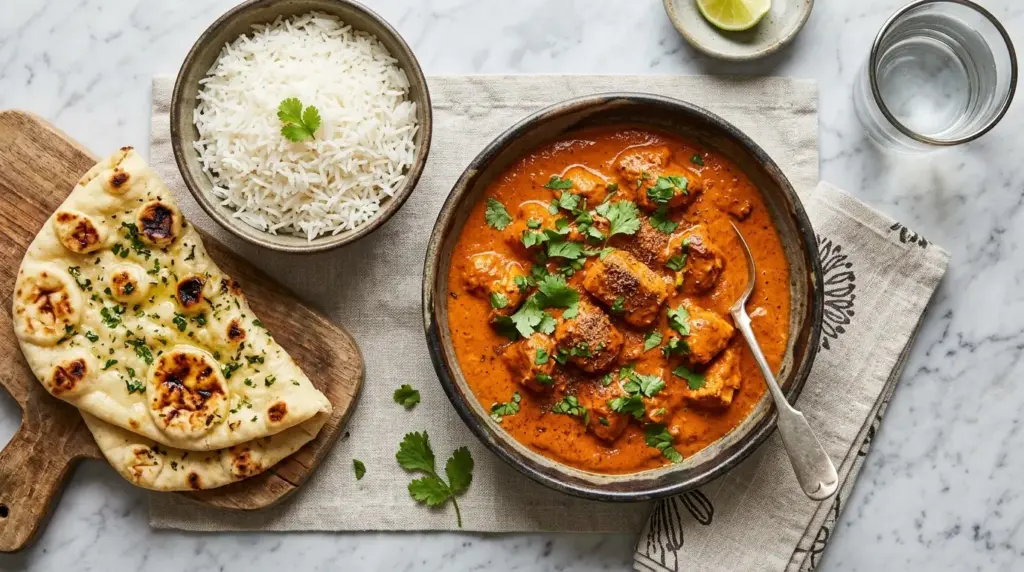
Chicken tikka masala is a versatile dish that pairs with a wide range of sides. The rich, saucy nature of this recipe means it shines best alongside something to soak up all that sauce.
The most classic pairing is fragrant steamed basmati rice, which absorbs the sauce beautifully and lets the spice profile come forward. Naan bread is equally classic, and the slight char from a hot pan gives it a wonderful contrast to the creamy sauce.
Here are some of the best ways to serve this dish:
- Steamed Basmati Rice as a base that soaks up every drop of sauce
- Warm garlic naan or Easy Naan Bread for scooping and dipping
- Jeera Rice (cumin-seasoned rice) for a subtly spiced accompaniment
- Cucumber Raita on the side to cool down the heat
- Mango Chutney as a sweet and tangy condiment
- Samosa as a starter to complete an Indian-themed dinner
For a stunning dinner spread, also add a bowl of Palak Paneer on the side.
Variations to Try
Once you have mastered the base recipe, there are some delicious ways to put your own spin on it. Each variation keeps the soul of the dish intact while changing the character slightly.
- Chicken thighs instead of breasts. Boneless, skinless thighs are more forgiving and stay juicier. They are a great swap if you find breast meat tends to dry out.
- Coconut cream instead of heavy cream. Swap the heavy cream for full-fat coconut cream for a dairy-free version with a subtle tropical undertone. This pairs well with the existing spices.
- Add vegetables. Stir in 1 cup of frozen peas, diced bell pepper, or baby spinach during the last 10 minutes of simmering for added nutrition and color.
- Make it spicier. Double the cayenne pepper and add a pinch of crushed red pepper flakes for a more fiery curry.
- Use paneer instead of chicken. Swap the chicken for cubed, pan-fried paneer (Indian cheese) to make a satisfying vegetarian version.
- Add a smoky dimension. After cooking, place a piece of foil in the sauce, set a small piece of hot charcoal on it, drizzle with a few drops of ghee, and cover the pan for 3 minutes to infuse a tandoor-like smokiness.
You might also enjoy: Chicken Vindaloo Recipe
Storage and Reheating
Chicken tikka masala stores exceptionally well and many cooks agree it actually tastes better the next day as the flavors deepen overnight.
- Refrigerator: Transfer to an airtight container and store for up to 4 days.
- Freezer: Cool completely, then freeze in portioned containers for up to 3 months. The cream-based sauce freezes very well.
- Reheating on the stovetop: Add the tikka masala to a saucepan over medium-low heat. Add a splash of water or chicken broth if the sauce has thickened too much during storage. Stir gently and heat through for about 5 to 8 minutes.
- Reheating in the microwave: Transfer a portion to a microwave-safe bowl, cover loosely, and heat in 60-second intervals, stirring between each, until hot throughout.
- Do not re-freeze once thawed. Reheat only what you plan to eat.
- For best results, store the rice and sauce separately so the rice does not absorb all the sauce during storage.
Read Also: Coconut Curry Chicken Recipe
Nutritional Facts
The following values are approximate, based on one serving (approximately 1/6 of the total recipe, served without rice or bread). Calorie counts will vary based on exact ingredient brands and portion sizes.
| Nutrient | Per Serving |
|---|---|
| Calories | 328 kcal |
| Protein | 23g |
| Total Fat | 23g |
| Saturated Fat | 11g |
| Carbohydrates | 9g |
| Sugar | 5g |
| Fiber | 1g |
| Sodium | 640mg |
| Cholesterol | 95mg |
This recipe is naturally gluten-free, making it suitable for those avoiding gluten. It is not suitable for dairy-free diets in its standard form, though the coconut cream substitution mentioned in the Variations section resolves this.
For another naturally gluten-free Indian dish, explore this Chicken Biryani Recipe.
Health Benefits of Key Ingredients
The spices in this recipe are not just about flavor. Many of them have well-documented health properties that make this dish as nourishing as it is delicious.
Several of the key spices, turmeric in particular, are powerful anti-inflammatory compounds that have been studied extensively for their role in reducing oxidative stress in the body.
Here is a breakdown of the key health-supporting ingredients:
- Turmeric contains curcumin, one of the most widely studied anti-inflammatory compounds in nutrition science. Even small amounts used in cooking contribute to a consistent intake.
- Ground ginger has been used for centuries to support digestion and reduce nausea. It also has antioxidant properties.
- Cumin is a good source of iron and has been shown to support healthy digestion and may help with blood sugar regulation.
- Cayenne pepper contains capsaicin, which has been linked to improved metabolism and natural pain relief.
- Garlic is well known for its immune-boosting and cardiovascular benefits, thanks to its active compound, allicin.
- Chicken breast is a lean, high-protein ingredient that supports muscle health and keeps the dish relatively light in overall calories.
Another dish rich in these same beneficial spices is this Thai Red Curry Chicken Recipe.
Frequently Asked Questions
1. What is the difference between Curry Stand Chicken Tikka Masala and regular Chicken Tikka Masala?
The “Curry Stand” version is a stovetop-only adaptation of the traditional restaurant-style dish that skips the tandoor oven marinating step. It achieves similar flavor by searing the chicken separately and then finishing it in a spiced tomato-cream sauce, making it highly accessible for home cooks.
2. Can I use chicken thighs instead of chicken breasts?
Absolutely, and many cooks prefer thighs for this recipe. Boneless, skinless chicken thighs are more forgiving, stay moister during the long 30-minute sauce simmer, and add a slightly richer flavor. The cooking times remain the same.
3. My sauce is too thin. How do I thicken it?
Simply continue simmering the sauce over medium-low heat with the lid off, stirring frequently. The sauce will naturally reduce and thicken as moisture evaporates. Give it an extra 5 to 10 minutes and you should notice a significant difference.
4. Is this recipe spicy?
The recipe as written is moderately spiced with 1 teaspoon of cayenne. To make it mild, reduce the cayenne to 1/4 teaspoon. To make it spicier, increase to 1.5 or 2 teaspoons and add a pinch of red pepper flakes for additional heat.
5. Can I make this ahead of time?
Yes, this is one of those dishes that genuinely improves overnight. The flavors meld and deepen as the dish rests. Make it a day ahead, store it in the refrigerator, and reheat gently before serving. You may want to add a small splash of cream or water when reheating to loosen the sauce.
Read Also: Indian Onion Salad Recipe
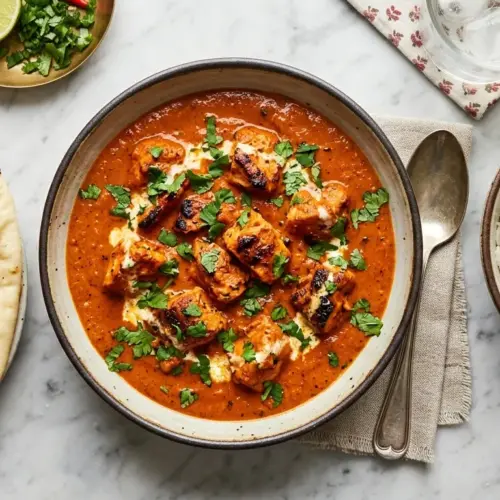
Curry Stand Chicken Tikka Masala Sauce Recipe

Equipment
- Large heavy-bottomed skillet or enameled cast iron pan - for the sauce
- Second skillet - for searing the chicken
- Wooden spoon or silicone spatula
- Sharp chef's knife
- Cutting board
- Measuring spoons
- Measuring cups
- Ladle - for serving
- Large mixing bowl - for prepping chicken
- Can opener
Ingredients
- 4 boneless, skinless chicken breast halves - about 1.5 lbs or 680g, cut into bite-size pieces
- 1 medium onion - finely chopped
- 4 cloves garlic - minced
- 2 tablespoons ghee - clarified butter
- 1 tablespoon vegetable oil
- 1 can tomato sauce - 14 oz or 397g
- 1 cup heavy whipping cream - 240ml
- 1 tablespoon ground cumin
- 2 teaspoons paprika
- 1 teaspoon ground ginger
- 1 teaspoon cayenne pepper - reduce to 1/2 tsp for milder heat
- 1/2 teaspoon garam masala - curry powder
- 1/2 teaspoon ground cinnamon
- 1/4 teaspoon ground turmeric
- 1 teaspoon salt - plus more to taste
- 1 tablespoon white sugar - plus more to taste
- fresh cilantro - for garnish (optional)
Instructions
- Cut chicken into bite-size pieces, finely chop onion, and mince garlic. Measure all spices, open tomato sauce, and have cream and sugar ready.
- Melt ghee in large skillet over medium heat. Add onion and cook until translucent, about 5 minutes. Add garlic and cook for 1 minute until fragrant.
- Add cumin, ginger, cayenne, cinnamon, turmeric, and salt to the skillet. Cook for 2 minutes while stirring constantly to bloom the spices.
- Pour in tomato sauce and stir to combine. Bring to a gentle boil, then reduce heat to low and simmer for 10 minutes.
- Stir in heavy cream, sugar, and paprika. Simmer for 10-15 minutes, stirring often, until sauce thickens and coats the back of a spoon.
- Heat oil in separate skillet over medium heat. Add chicken in a single layer, sprinkle with garam masala, and sear for 3 minutes until lightly golden. Chicken does not need to cook through.
- Transfer seared chicken and pan juices to the sauce. Simmer on low for 30 minutes, stirring occasionally, until chicken is cooked through and infused with flavor.
- Taste and adjust with more salt or sugar. Remove from heat, garnish with fresh cilantro, and serve hot over basmati rice or with warm naan.
Notes
- Use ghee, not butter: Ghee provides pure butterfat with a nutty, caramelized depth that regular butter cannot replicate. It also has a higher smoke point for better cooking.
- Bloom your spices properly: Do not rush the 2-minute spice fry step. Blooming in fat releases essential oils and builds the deep, layered flavor this dish is known for.
- Avoid overcrowding the pan: Sear chicken in batches if necessary to get a proper golden crust. Overcrowding causes steaming and prevents browning.
- Add cream slowly: Pour heavy cream into the hot tomato sauce while stirring constantly to prevent curdling or separation.
- Taste and adjust at the end: Every tomato sauce and spice brand varies. Always taste before serving and balance with extra sugar (for sharpness) or salt (for flatness).
- Let the sauce reduce: If your sauce is too thin after adding cream, continue simmering with the lid off. It will naturally thicken as moisture evaporates.
- Make it ahead: This curry actually tastes better the next day as flavors deepen. Store in the refrigerator for up to 4 days or freeze for up to 3 months.
- For dairy-free: Substitute the heavy cream with full-fat coconut cream for a delicious dairy-free version with a subtle tropical undertone.
- For extra smokiness: After cooking, place a piece of foil in the sauce, set a small piece of hot charcoal on it, drizzle with a few drops of ghee, and cover the pan for 3 minutes to infuse a tandoor-like smokiness.
Final Thoughts
This Curry Stand Chicken Tikka Masala Sauce Recipe is the kind of dish that earns a permanent spot in your dinner rotation. It is warm, satisfying, deeply aromatic, and just complex enough to feel special without being complicated.
The ghee, the bloomed spices, the slow simmer with cream, these are the small things that add up to something genuinely restaurant-worthy in your own kitchen.
Give it a try this week and serve it over a big mound of basmati rice with warm naan on the side. Dinner does not need to be more complicated than that.
If you make this recipe, leave a comment below and let me know how it turned out. I would love to hear if you made any of the variations or added your own twist!
Recommended:
- Chicken Tikka Masala Recipe
- Chicken Curry Recipe
- Tandoori Chicken Recipe
- Easy Butter Chicken Recipe
- Thai Green Curry Chicken Recipe
- Jamaican Curry Chicken Recipe
- Chicken Shawarma Recipe
- Mulligatawny Soup Recipe
- Curry Chicken Salad Recipe
- Curried Cauliflower Soup Recipe