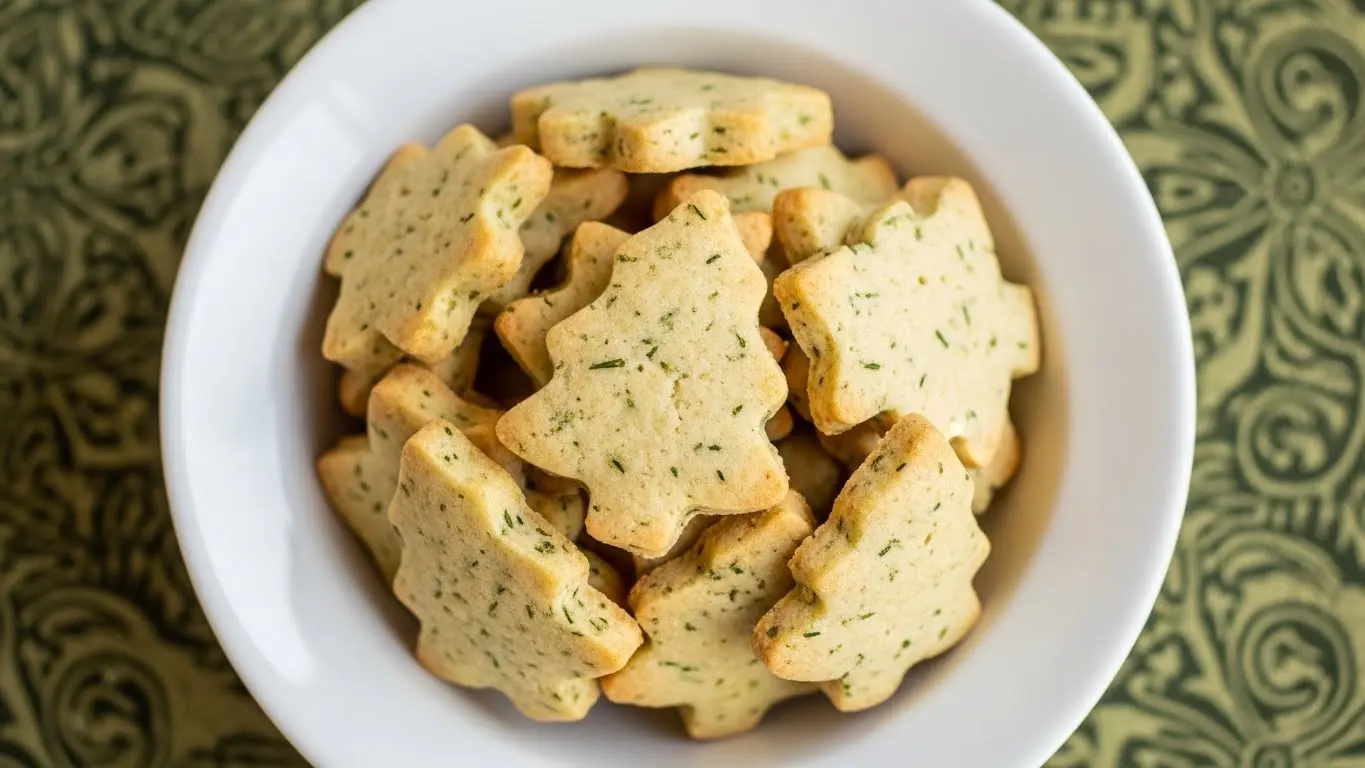
I’ve always loved the idea of taking something classic and giving it an unexpected twist. That’s exactly what happened when I started experimenting with rosemary shortbread cookies recipe in my kitchen.
The combination of buttery, crumbly shortbread with aromatic fresh rosemary creates something truly special. It’s elegant enough for a dinner party but simple enough to whip up on a Tuesday afternoon.
These cookies walk the perfect line between sweet and savory. The earthy pine notes from the rosemary complement the rich butter beautifully, creating a sophisticated flavor profile that stands out from your typical cookie jar offerings.
I first made these for a holiday gathering, and they disappeared faster than any chocolate chip cookie ever has. People couldn’t quite put their finger on what made them so addictive, but that subtle herbal note kept them coming back for more.
The best part? They’re incredibly easy to make with just a handful of ingredients you probably already have on hand.
Why You’ll Love This Rosemary Shortbread Cookies Recipe
These cookies are perfect for anyone looking to step outside the traditional sweet cookie box. The savory-sweet combination feels grown-up and refined without being pretentious.
They come together quickly with minimal effort. No chilling dough for hours, no complicated techniques—just mix, shape, and bake.
- Unique flavor profile: The fresh rosemary adds an aromatic, herbaceous note that elevates simple shortbread into something memorable
- Versatile: Serve them with afternoon tea, alongside a cheese board, or as an elegant dessert accompaniment
- Make-ahead friendly: The dough can be prepared in advance and frozen, making them perfect for entertaining
- Impressive presentation: These cookies look and taste gourmet, but they’re surprisingly simple to execute
- Customizable: You can adjust the rosemary intensity to suit your preferences, or add other herbs like thyme or lavender
If you enjoy experimenting with herbal flavors in baking, you’ll love my lemon shortbread cookies that pair citrus with buttery goodness.
Ingredients
These rosemary shortbread cookies require just a few quality ingredients. The simplicity means each component really shines through, so use the best butter you can find.
- 1 cup (226g) unsalted butter, softened to room temperature
- ½ cup (100g) granulated sugar
- 2 tablespoons finely chopped fresh rosemary
- 2 cups (240g) all-purpose flour
- ¼ teaspoon fine sea salt
- 1 teaspoon vanilla extract
- 1 tablespoon coarse sugar for sprinkling (optional)
- Additional small rosemary sprigs for garnish (optional)
Kitchen Equipment Needed
Having the right tools makes the process smoother and more enjoyable. You don’t need anything fancy, just a few basic kitchen essentials.
- Large mixing bowl
- Electric mixer or wooden spoon
- Measuring cups and spoons
- Sharp knife for chopping rosemary
- Parchment paper or silicone baking mat
- Baking sheet
- Rolling pin (optional, depending on shaping method)
- Cookie cutter or knife for cutting shapes
- Wire cooling rack
Recommended Products for This Recipe
After making these cookies countless times, I’ve found a few products that genuinely make a difference in the final result. These aren’t necessary, but they’ll take your rosemary shortbread from good to exceptional.
1. European Style Butter
The higher fat content in European style butter creates a richer, more tender shortbread with better flavor. I’ve made these cookies with both regular and European butter, and the difference is noticeable—the crumb is more delicate and the buttery flavor is more pronounced.
2. Fresh Rosemary Plants
While you can buy cut rosemary from the grocery store, having a rosemary plant on your windowsill means you’ll always have fresh herbs at your fingertips. The flavor of freshly snipped rosemary is significantly more vibrant than store-bought sprigs that have been sitting for days.
3. Premium Vanilla Extract
Since shortbread has so few ingredients, quality matters immensely. Using pure vanilla extract rather than imitation gives these cookies a deeper, more complex flavor that complements the rosemary beautifully.
4. Silicone Baking Mat
A silicone baking mat ensures even baking and prevents any sticking without needing to grease your pan. These cookies have a tendency to brown on the bottom if your heat distribution isn’t perfect, and a quality baking mat helps prevent that issue.
Step-by-Step Instructions
Follow these detailed instructions to create perfectly tender, aromatic rosemary shortbread cookies. Take your time and enjoy the process—the smell of rosemary and butter mixing together is heavenly.
1. Prepare Your Rosemary and Preheat the Oven
- Strip the rosemary leaves from their woody stems by running your fingers down the stem from top to bottom
- Finely mince the rosemary leaves until they’re almost paste-like; this ensures the flavor distributes evenly and you won’t have large woody pieces
- Preheat your oven to 325°F (163°C) and line a baking sheet with parchment paper or a silicone mat
- Set aside a small amount of rosemary sprigs for garnish if desired
2. Cream the Butter and Sugar
- In a large mixing bowl, combine the softened butter and granulated sugar
- Using an electric mixer on medium speed, beat the mixture for 3-4 minutes until it’s light, fluffy, and pale in color
- Scrape down the sides of the bowl halfway through to ensure everything is incorporated evenly
- The mixture should look almost whipped when it’s ready
3. Add the Rosemary and Vanilla
- Add the minced rosemary and vanilla extract to the butter mixture
- Beat on low speed for about 30 seconds, just until the rosemary is evenly distributed throughout
- Take a moment to smell the mixture—it should be incredibly fragrant with the butter and rosemary creating a beautiful aroma
- Don’t overmix at this stage; you just want everything combined
4. Incorporate the Dry Ingredients
- In a separate bowl, whisk together the flour and salt
- Add the flour mixture to the butter mixture in two or three additions
- Mix on low speed or stir with a wooden spoon until the dough just comes together
- The dough should be crumbly at first but will hold together when pressed
- Avoid overmixing, as this can make the cookies tough rather than tender
5. Shape the Dough
- Turn the dough out onto a lightly floured surface
- Gently knead it a few times with your hands until it forms a cohesive ball
- You have several shaping options: roll it into a log and slice, roll it out and use cookie cutters, or press it into a square or rectangle and cut into bars
- For a classic approach, roll the dough into a log about 2 inches in diameter, wrap in plastic wrap, and refrigerate for 15-20 minutes (this makes slicing easier)
- Alternatively, roll the dough out to about ½-inch thickness and cut into rounds, squares, or rectangles
6. Cut and Prepare for Baking
- If you rolled the dough into a log, slice it into ¼-inch thick rounds using a sharp knife
- If you rolled it out flat, use cookie cutters or a knife to cut your desired shapes
- Place the cookies on your prepared baking sheet about 1 inch apart (they won’t spread much)
- If desired, press a small sprig of rosemary gently into the top of each cookie for decoration
- Sprinkle the tops with coarse sugar if you want a bit of sparkle and extra crunch
7. Bake to Perfection
- Bake the cookies for 18-22 minutes, depending on thickness and your desired level of doneness
- The cookies are done when the edges are just barely golden and the tops look set but not browned
- Remember that shortbread continues to firm up as it cools, so don’t overbake
- If you like softer cookies, pull them at 18 minutes; for crispier cookies, go for 22 minutes
- The bottoms should be lightly golden but not dark brown
8. Cool and Serve
- Remove the baking sheet from the oven and let the cookies cool on the pan for 5 minutes
- This allows them to set up and makes them easier to transfer without breaking
- After 5 minutes, carefully transfer the cookies to a wire rack to cool completely
- They’ll firm up significantly as they cool, developing that perfect shortbread texture
- Once completely cool, they’re ready to serve or store
Another favorite: Scottish shortbread cookies for a traditional take on this classic treat.
Tips for Success
Getting the perfect texture and flavor in shortbread comes down to a few key techniques. Pay attention to these details and you’ll have excellent results every time.
- Use room temperature butter: Butter that’s too cold won’t cream properly, and butter that’s too warm will make the dough greasy; aim for soft enough to leave a fingerprint but not melting
- Don’t overmix the dough: Once you add the flour, mix just until combined to keep the cookies tender and prevent gluten development
- Chop rosemary very finely: Large pieces can be woody and unpleasant to bite into; the finer you mince it, the better it distributes
- Watch the baking time carefully: Overbaked shortbread becomes hard rather than tender; they should be just barely golden
- Let them cool completely: Shortbread is fragile when warm and firms up beautifully as it cools, so resist the temptation to eat them immediately
- Use fresh rosemary: Dried rosemary doesn’t provide the same vibrant flavor and can be too intense
Serving Suggestions
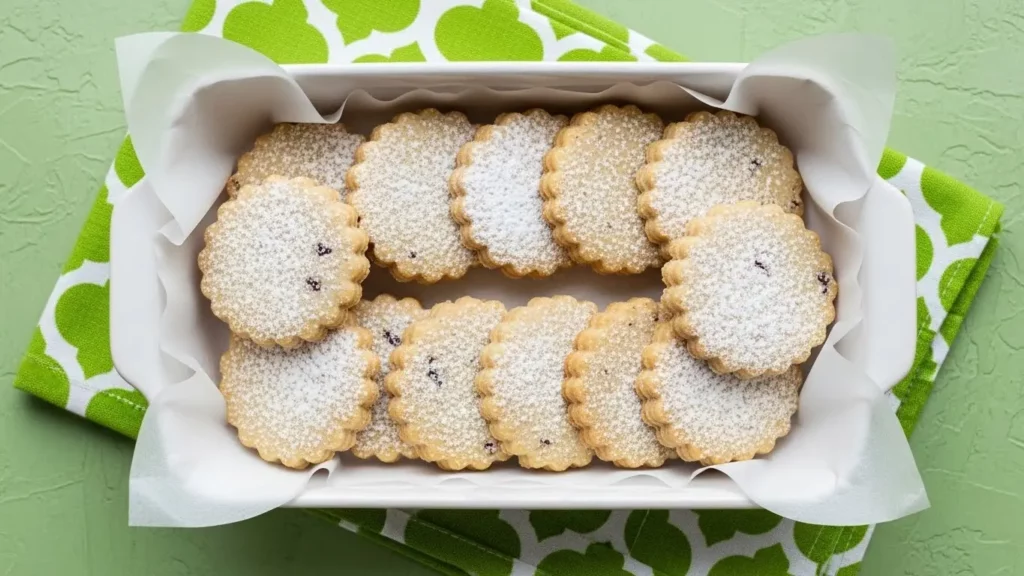
These rosemary shortbread cookies are incredibly versatile and can be served in various settings. Their sophisticated flavor makes them perfect for adult gatherings.
Pair them with a cheese platter featuring aged cheddar, brie, and goat cheese for an elegant appetizer spread. The buttery cookies complement creamy cheeses beautifully.
- Serve alongside afternoon tea or coffee for a refined snack
- Crumble over vanilla ice cream or panna cotta for a unique dessert topping
- Package in clear cellophane bags tied with twine as homemade holiday gifts
- Serve with mushroom soup or other savory soups as a sophisticated accompaniment
- Arrange on a dessert board with fresh fruit, honey, and nuts
- Pair with wine during evening cocktails—they’re particularly good with Sauvignon Blanc or Pinot Grigio
Variations to Try
Once you master the basic recipe, there are endless ways to customize these cookies to suit different occasions and flavor preferences.
- Lemon rosemary: Add 1 tablespoon of lemon zest along with the rosemary for a bright, citrusy note
- Parmesan rosemary: Fold in ¼ cup of finely grated Parmesan cheese for a more savory cookie
- Black pepper: Add ½ teaspoon of freshly cracked black pepper for a subtle spicy kick
- Brown butter: Brown the butter before using it for a nutty, caramelized flavor dimension
- Thyme variation: Replace half the rosemary with fresh thyme for a different herbal profile
- Honey drizzle: After baking, drizzle cooled cookies with honey for added sweetness
You might also enjoy: cranberry pistachio shortbread cookies for a festive twist.
Storage and Reheating
Proper storage ensures your rosemary shortbread cookies maintain their perfect texture and flavor. These cookies actually improve slightly after a day or two as the flavors meld.
- Room temperature: Store in an airtight container at room temperature for up to 1 week; place parchment paper between layers to prevent sticking
- Refrigerator: These cookies don’t need refrigeration, but if you live in a very humid climate, refrigerating can help maintain crispness
- Freezer: Baked cookies freeze beautifully for up to 3 months in a freezer-safe container or bag; thaw at room temperature for 20-30 minutes
- Freezing dough: Shape the dough into a log, wrap tightly in plastic wrap, then aluminum foil, and freeze for up to 3 months; slice frozen dough and bake directly, adding 2-3 minutes to the baking time
- Refreshing: If cookies soften, crisp them up in a 300°F oven for 5 minutes
Nutritional Facts
Per cookie (based on 24 cookies):
- Calories: 110
- Total Fat: 8g
- Saturated Fat: 5g
- Cholesterol: 20mg
- Sodium: 25mg
- Total Carbohydrates: 10g
- Dietary Fiber: 0g
- Sugars: 4g
- Protein: 1g
Note: Nutritional information is approximate and will vary based on specific ingredients used and cookie size.
Health Benefits of Key Ingredients
While these are definitely a treat, the simple ingredients do offer some nutritional value. Rosemary in particular brings some surprising health benefits to the table.
Rosemary is packed with antioxidants and anti-inflammatory compounds that support overall health. It’s been shown to improve digestion and may even enhance memory and concentration.
- Rosemary: Contains compounds that may improve brain function, reduce inflammation, and support immune health
- Butter: Provides fat-soluble vitamins A, D, E, and K, plus beneficial fatty acids when consumed in moderation
- Vanilla: Contains small amounts of antioxidants and has been shown to have calming properties
- Minimal ingredients: Unlike many commercial cookies, these contain no preservatives, artificial flavors, or processed additives
Read Also: Almond Shortbread Cookies Recipe
Frequently Asked Questions
1. Can I use dried rosemary instead of fresh?
You can, but I’d recommend reducing the amount significantly to about 1 tablespoon or less. Dried rosemary has a much more concentrated flavor and can be quite woody in texture.
Fresh rosemary provides a brighter, more delicate flavor that works better in baked goods. If you must use dried, make sure it’s relatively fresh and not old and dusty.
2. Why are my shortbread cookies spreading too much?
This usually happens when the butter is too warm or the dough hasn’t been chilled enough. Make sure your butter is at the right temperature—soft but not melting.
If your kitchen is very warm, refrigerate the shaped dough for 15-20 minutes before baking. Also, ensure you’re not overmixing the dough, which can incorporate too much air.
3. Can I make these cookies gluten-free?
Yes, you can substitute the all-purpose flour with a 1:1 gluten-free baking flour blend. The texture might be slightly different—possibly a bit more crumbly—but they should still work well.
Make sure to use a blend that contains xanthan gum or add ¼ teaspoon to help bind the dough. Almond flour alone won’t work as a direct substitute.
4. How do I know when the cookies are done?
Shortbread should be just barely golden around the edges with a pale top. They’ll still feel slightly soft when you remove them from the oven.
They firm up considerably as they cool, so resist the urge to keep baking until they’re hard. If the bottoms are getting too dark, your oven might be running hot—try reducing the temperature by 25°F.
5. Can I add chocolate chips to this recipe?
While you certainly can, the rosemary and chocolate combination is unconventional and might not appeal to everyone. If you want to try it, use dark chocolate chips (about ½ cup) for a more sophisticated flavor.
Alternatively, you might enjoy drizzling melted dark chocolate over the cooled cookies rather than mixing it into the dough. This gives you the option to make some plain and some chocolate-enhanced.
Final Thoughts
These rosemary shortbread cookies have become one of my most requested recipes, and for good reason. They’re elegant without being fussy, flavorful without being overwhelming, and surprisingly easy to make.
The beauty of this recipe is in its simplicity—just a few quality ingredients coming together to create something truly special. The herbal note from the rosemary makes them feel sophisticated and grown-up, perfect for any occasion where you want to impress.
Give this rosemary shortbread cookies recipe a try and discover how a simple herb can transform classic shortbread into something extraordinary. I’d love to hear how yours turn out—drop a comment below with your experience, or share a photo if you’re feeling proud of your baking!
Recommended:
- Whipped Shortbread Cookies Recipe
- Cranberry Orange Shortbread Cookies Recipe
- Cherry Almond Shortbread Cookies Recipe
- Pecan Shortbread Cookies Recipe
- Christmas Shortbread Cookies Recipe
- Shortbread Cookie Recipe
- Sugar Cookies Recipe
- Gingerbread Cookie Recipe
- Snickerdoodle Cookie Recipe
- Peanut Butter Blossom Cookies Recipe