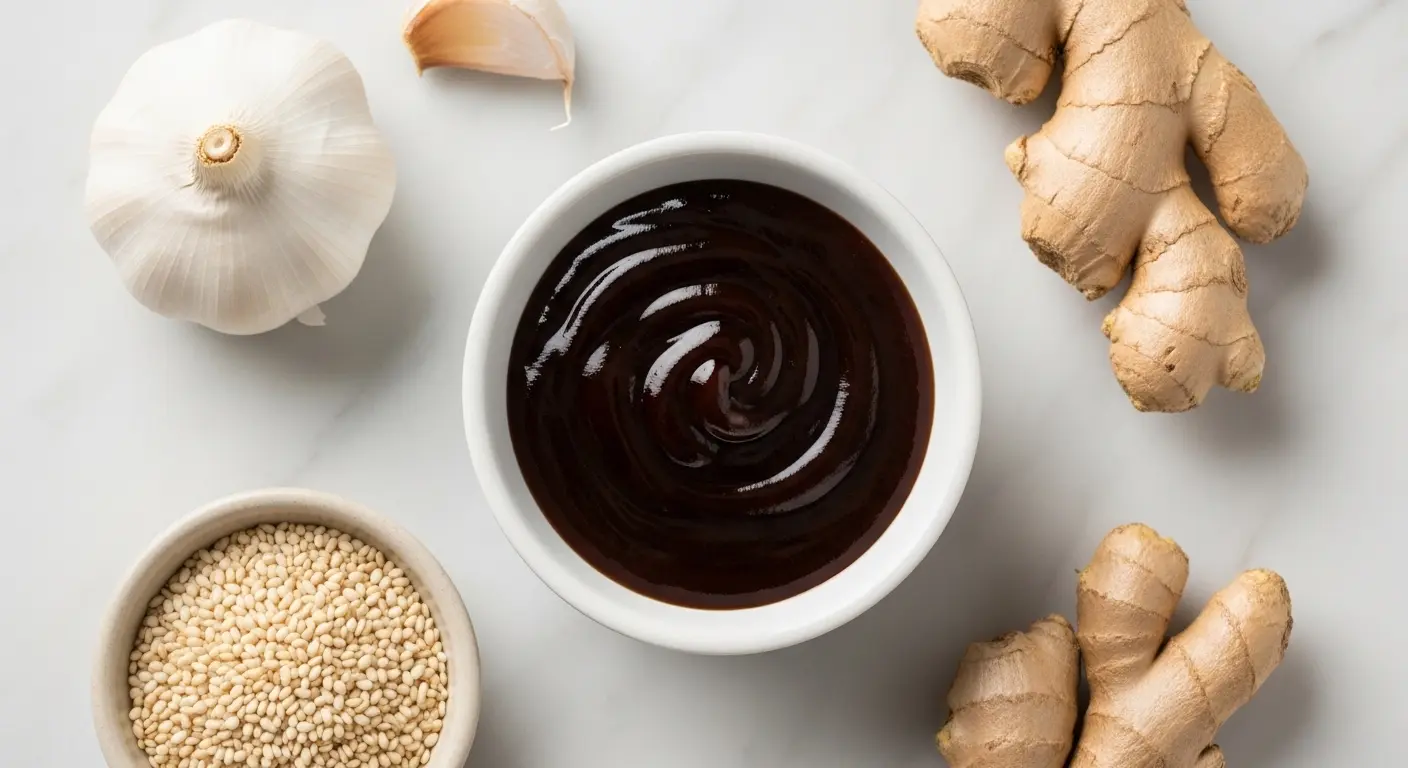
If you’ve been relying on store-bought teriyaki sauce, making this homemade teriyaki sauce recipe is about to change everything for you. The combination of soy sauce, brown sugar, mirin, fresh garlic, and ginger creates a sauce that’s richly sweet, deeply savory, and perfectly balanced in a way that no bottle off the shelf can replicate.
The secret to that gorgeous glossy finish? A simple cornstarch slurry stirred in at the end. It transforms a thin, watery mixture into a thick, lacquered glaze that clings to chicken, salmon, beef, or tofu like a dream.
This sauce comes together in under 15 minutes using pantry staples you likely already have. Once you try it, going back to the jarred version will feel like a step backward.
This pairs wonderfully with chicken fried rice for a complete Asian-inspired dinner the whole family will love.
Why You’ll Love This Teriyaki Sauce Recipe
This homemade version hits every note: sweet, salty, savory, and just a touch tangy from the mirin.
You control exactly what goes into it, which means no artificial colors, preservatives, or mystery ingredients.
The recipe takes about 15 minutes from start to finish, making it genuinely convenient even on busy weeknights.
It works as both a marinade and a finished glaze, meaning one batch can do double duty for your next meal.
The sauce stores well in the fridge for up to two weeks, so you can make a big batch and reach for it all week long.
Here’s why this recipe stands out:
- Ready in 15 minutes using simple pantry staples
- Completely customizable for sweetness, saltiness, and thickness
- Works as a marinade or glaze for meats, seafood, and vegetables
- No fillers or preservatives unlike most store-bought versions
- Naturally dairy-free and vegan-friendly
- Easy to make gluten-free with a simple swap to tamari or coconut aminos
You might also enjoy: Stir Fry Sauce Recipe
Ingredients
Getting this sauce right is all about using quality ingredients in the right proportions. Soy sauce forms the savory backbone, while the brown sugar and mirin layer in sweetness and depth. Fresh garlic and ginger add brightness and a little kick that dried powders just can’t match.
- ½ cup (120ml) low-sodium soy sauce (or tamari for gluten-free)
- ¼ cup (60ml) mirin (Japanese sweet rice wine)
- 3 tablespoons (40g) brown sugar, packed
- 1 tablespoon honey
- ½ cup (120ml) water, divided
- 3 cloves garlic, freshly minced
- 1 teaspoon fresh ginger, finely grated (or ½ teaspoon ground ginger)
- 1 tablespoon cornstarch
- 1 teaspoon toasted sesame oil (optional, for depth and aroma)
Read Also: Hoisin Sauce Recipe
Kitchen Equipment Needed
You don’t need any special equipment to make this sauce. A small saucepan and a whisk are really all that matter here. Having a fine grater for the ginger makes that step much easier and ensures the ginger fully dissolves into the sauce without any fibrous bits.
- Small to medium saucepan
- Whisk
- Small mixing bowl (for the cornstarch slurry)
- Measuring cups and spoons
- Fine grater or microplane (for ginger)
- Glass jar or airtight container for storage
- Silicone spatula or wooden spoon for scraping
Read Also: Peanut Sauce Recipe
Recommended Products for This Recipe
These are a few products based on quality and performance that can genuinely make this recipe better and more enjoyable to cook.
1. Kikkoman Mirin Sweet Cooking Rice Wine
Mirin is the ingredient that gives teriyaki sauce its signature gloss and gentle sweetness. A quality mirin like Kikkoman’s version has a clean, balanced flavor that doesn’t overwhelm the soy sauce. Using a good mirin makes the difference between a sauce that tastes flat and one that tastes complex and restaurant-worthy.
2. San-J Tamari Gluten Free Soy Sauce
If you want richer, more complex flavor in your teriyaki sauce, tamari is superior to regular soy sauce. San-J’s tamari has a deeper umami quality and significantly less sodium than conventional soy sauce, which helps you avoid an overly salty sauce. It also makes this recipe completely gluten-free with no other changes required.
3. Microplane Premium Classic Zester/Grater
Fresh ginger is one of the ingredients that elevates this sauce from good to exceptional. A Microplane grater turns ginger into a smooth paste that fully dissolves into the sauce, giving you pure ginger flavor without any fibrous texture. It also works brilliantly for zesting citrus or grating garlic when you need it.
4. OXO Good Grips 2-Cup Angled Measuring Cup
When making sauces, precision matters. An angled measuring cup lets you read measurements from above without bending down to eye level, which makes the process faster and more accurate. OXO’s version is heat-safe and easy to pour from, which is helpful when adding liquids to a hot pan.
5. Le Creuset Small Saucepan
A good saucepan with even heat distribution prevents the sugars in teriyaki sauce from scorching on the bottom. Le Creuset’s enameled saucepan heats evenly and is easy to clean, even when the sauce has thickened and stuck slightly. This is an investment piece that you’ll reach for constantly.
This recipe also pairs beautifully with easy Mongolian beef for an Asian-inspired dinner spread.
Step-by-Step Instructions
Step 1: Gather and Prep Your Ingredients
Before you turn on the stove, get everything measured and ready.
- Mince the garlic cloves finely. You want the pieces small enough that they’ll dissolve into the sauce rather than remaining chunky bits.
- Grate the fresh ginger using a microplane or the fine side of a box grater. Aim for a paste-like consistency. If you’re using ground ginger, measure it out and set it aside.
- Measure out the soy sauce, mirin, brown sugar, honey, and ¾ of the water (about 6 tablespoons / 90ml) and set them near the stove.
- Reserve the remaining 2 tablespoons (30ml) of water separately for the cornstarch slurry you’ll make in the next step.
Step 2: Make the Cornstarch Slurry
The cornstarch slurry is what gives this sauce its thick, glossy consistency. It must be mixed with cold water before going into the hot sauce, or it will clump.
- Add 1 tablespoon of cornstarch to a small bowl.
- Pour in the reserved 2 tablespoons (30ml) of cold water.
- Whisk vigorously until no lumps remain and the mixture looks smooth and milky.
- Set the slurry aside. Do not add it to the saucepan yet.
Step 3: Combine the Sauce Base in the Saucepan
This step builds the foundation of your teriyaki sauce.
- Add the soy sauce, mirin, brown sugar, honey, 6 tablespoons (90ml) of water, minced garlic, and grated ginger to a small or medium saucepan.
- Whisk everything together until the brown sugar begins to dissolve.
- If you’re using toasted sesame oil, add it in now along with the other liquid ingredients.
- Make sure all ingredients are well combined before applying heat.
Step 4: Bring the Sauce to a Simmer
Heat is what melds all the flavors together and starts the thickening process.
- Place the saucepan over medium-high heat.
- Stir frequently as the sauce heats up to prevent the sugar from scorching on the bottom.
- Watch the pan closely as the mixture will start to bubble. You want a gentle simmer, not a rolling boil, as boiling can cause the sauce to reduce too quickly or burn.
- Once you see small, consistent bubbles forming around the edges, reduce the heat to medium.
- Let the sauce simmer for about 3 to 4 minutes, stirring occasionally, to allow the garlic and ginger to release their full flavor into the liquid.
Step 5: Add the Cornstarch Slurry
This is the step that transforms your sauce from thin to thick and glossy.
- Give the cornstarch slurry a quick re-whisk in the bowl, as the cornstarch can settle to the bottom.
- Slowly pour the slurry into the simmering saucepan while whisking constantly. Do not dump it all in at once or it may clump.
- Continue whisking as the sauce simmers over medium heat. You’ll notice it begin to go from cloudy and thin to clear and thick within 1 to 2 minutes.
- Keep whisking and simmering until the sauce coats the back of a spoon. When you drag your finger across the back of the spoon, the line should hold its shape clearly.
Step 6: Taste, Adjust, and Finish
This is your chance to make the sauce exactly to your liking before using it.
- Remove the saucepan from heat and taste the sauce carefully (it will be hot).
- If the sauce tastes too salty, add a small splash of water or a little extra honey to balance it.
- If you want more sweetness, stir in an extra teaspoon of brown sugar while the sauce is still warm.
- If you’d like a little heat, add a pinch of red pepper flakes or a small squeeze of sriracha and stir well.
- Let the sauce cool for at least 5 minutes before using. It will continue to thicken as it cools, so don’t panic if it looks slightly thin right off the heat.
For a similar Asian-inspired sauce experience, try this easy Pad Thai recipe alongside your next batch.
Tips for Success
These small adjustments can make a noticeable difference in the final result of your sauce.
- Always make your slurry with cold water. Hot or warm water causes cornstarch to seize up before it can mix properly, leading to lumps in your sauce.
- Don’t skip the mirin. It’s what gives teriyaki sauce its characteristic gloss and gentle sweetness. Rice vinegar is not a good substitute; dry sherry with a pinch of sugar works much better in a pinch.
- Grate the ginger as finely as possible. Coarse chunks of ginger can burn under high heat, which creates a bitter note in the finished sauce. A microplane gives you the smoothest texture.
- Watch the heat carefully. Sugar burns quickly. If you see the sauce darkening too fast or smelling slightly bitter, pull the pan off the heat immediately.
- Let it cool before judging thickness. The sauce thickens considerably as it drops to room temperature, so give it a few minutes before deciding whether to add more cornstarch.
Here’s a quick reference for common adjustments:
- Too thick? Whisk in water, one tablespoon at a time, while gently reheating
- Too thin? Return to the stove on low heat and simmer another 2 to 3 minutes
- Too salty? Add honey or brown sugar in small increments
- Too sweet? Add a small splash of low-sodium soy sauce or a tiny squeeze of fresh lemon juice
Another favorite: Bang Bang Sauce Recipe
Serving Suggestions
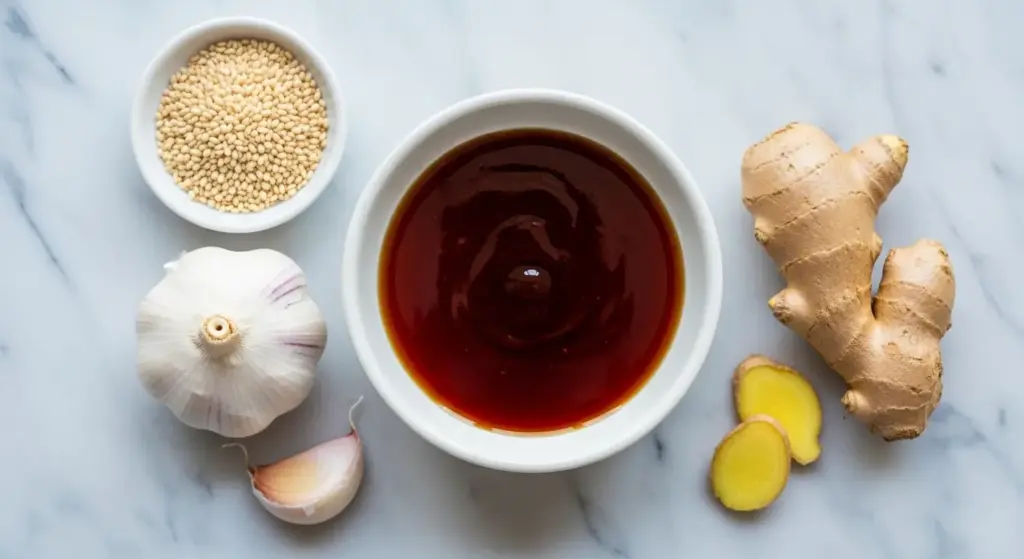
Teriyaki sauce is one of the most versatile condiments you can keep in your fridge. Its sweet-savory profile makes it compatible with almost everything, from proteins to vegetables to noodles.
Here are some of the best ways to use it:
- Drizzled over baked salmon as a finishing glaze right before serving
- Used as a dipping sauce for grilled chicken skewers or dumplings
- Tossed with chicken and broccoli in a quick weeknight stir-fry
- Spooned over white rice or brown rice bowls with edamame and avocado
- Used as a marinade for tofu, shrimp, or flank steak (omit the cornstarch when using as a marinade and allow proteins to marinate for at least 30 minutes)
- Mixed into chicken lettuce wraps for an extra layer of flavor
- Drizzled over steamed or sauteed bok choy as a simple vegetable side dish
Variations to Try
Once you have the base recipe down, this sauce is incredibly easy to customize with a few extra ingredients. Each variation changes the flavor profile in a fun and distinct way without requiring a completely new recipe.
- Spicy Teriyaki Sauce: Add 1 to 2 teaspoons of sriracha or a pinch of crushed red pepper flakes to the sauce base before simmering. This pairs especially well with chicken and salmon.
- Pineapple Teriyaki Sauce: Substitute ¼ cup (60ml) of the water with fresh pineapple juice. The acidity brightens the flavor and adds a tropical note that’s excellent for grilled meats.
- Ginger-Heavy Teriyaki Sauce: Double the ginger to 2 teaspoons for a more pronounced, punchy flavor. This variation works beautifully as a dipping sauce for dumplings or spring rolls.
- Coconut Aminos Version: Swap the soy sauce for an equal amount of coconut aminos. This creates a slightly sweeter, slightly lighter sauce that is both gluten-free and lower in sodium.
- Sesame Teriyaki Sauce: Stir in 1 tablespoon of toasted sesame seeds and ½ teaspoon of toasted sesame oil just before serving. This version is spectacular over noodles or rice bowls.
Here’s another sauce you’ll love: Yum Yum Sauce Recipe
Storage and Reheating
Homemade teriyaki sauce stores beautifully, making it easy to batch-cook and keep on hand for the whole week.
Here’s how to store and reheat it properly:
- Refrigerator: Transfer cooled sauce to an airtight glass jar or container. Store in the fridge for up to 2 weeks. The sauce will thicken significantly when cold.
- Freezer: Pour sauce into a freezer-safe container or an ice cube tray for convenient single-use portions. Freeze for up to 3 months.
- Thawing: Move frozen sauce to the refrigerator the night before you need it, or submerge the sealed container in room-temperature water for a quicker thaw.
- Reheating: Add sauce to a small saucepan over low heat and stir gently until warmed through. If the sauce is too thick after refrigerating, add a tablespoon of water at a time until it reaches your desired consistency.
- Shaking before use: Even when properly stored, the sauce components can separate slightly. Give the jar a good shake or stir before using.
Read Also: Worcestershire Sauce Recipe
Nutritional Facts
The following values are based on a 2-tablespoon (30ml) serving and will vary slightly depending on specific brands used.
| Nutrient | Per Serving (2 tbsp) |
|---|---|
| Calories | 48 kcal |
| Carbohydrates | 10g |
| Sugar | 7g |
| Protein | 1g |
| Fat | 0.5g |
| Sodium | 490mg |
| Potassium | 28mg |
| Iron | 0.3mg |
Note: Using low-sodium soy sauce significantly reduces the sodium content per serving. Tamari-based versions will also have slightly different values depending on the brand.
You might also enjoy: Bourbon Chicken Recipe
Health Benefits of Key Ingredients
This teriyaki sauce isn’t just delicious. Several of the core ingredients bring real nutritional value to every serving.
Here’s a look at what the key ingredients contribute:
- Ginger is well-regarded for its anti-inflammatory properties. It contains gingerol, a bioactive compound that may help reduce nausea, support digestion, and lower markers of oxidative stress.
- Garlic contains allicin, a sulfur compound that has been studied for potential cardiovascular benefits, immune support, and antibacterial properties. Using fresh garlic rather than powder preserves more of these active compounds.
- Soy sauce provides small amounts of iron and protein. Choosing a low-sodium or tamari version significantly reduces sodium intake without sacrificing the rich umami flavor.
- Honey offers trace amounts of antioxidants and enzymes. It provides a gentler sweetness than refined sugar and has a slightly lower glycemic impact when used in small quantities.
- Mirin contains amino acids that contribute to the umami flavor profile, meaning a small amount adds considerable depth without requiring more salt.
- Sesame oil (when included) provides heart-healthy monounsaturated fats and contains sesamol, a lignan with antioxidant properties.
Read Also: Alabama White Sauce Recipe
Frequently Asked Questions
1. Can I make teriyaki sauce without mirin?
Yes, you can substitute mirin if you don’t have it on hand. The best replacement is dry sherry with a pinch of granulated sugar added to it. Alternatively, you can use a small amount of rice vinegar combined with a bit more brown sugar or honey. The result won’t be quite as nuanced, but it will still produce a very good sauce.
2. Can I use teriyaki sauce as a marinade?
Absolutely. If you want to use this recipe as a marinade, simply omit the cornstarch entirely and do not heat the mixture. Stir the ingredients together cold and use immediately. Marinate chicken or beef for at least 30 minutes, shrimp or fish for 15 to 20 minutes only (acid and salt can start to “cook” delicate fish if left too long).
3. Why did my teriyaki sauce turn out too thin?
If the sauce is thinner than you’d like, return it to the saucepan over low-medium heat. Mix an additional teaspoon of cornstarch with 2 teaspoons of cold water, then whisk the slurry into the warm sauce. Continue stirring until it reaches the desired thickness. Remember that it will also thicken more as it cools.
4. Is this teriyaki sauce gluten-free?
The standard recipe using regular soy sauce is not gluten-free. To make a fully gluten-free version, swap the soy sauce for the same quantity of tamari or coconut aminos. Both are widely available in grocery stores and online. Be sure to also verify that your mirin is certified gluten-free, as some brands may contain trace gluten.
5. How long does homemade teriyaki sauce last?
Stored in a sealed glass jar in the refrigerator, this sauce keeps well for up to 2 weeks. If you’d like to keep it longer, freeze it in an airtight container or an ice cube tray for up to 3 months. The flavor actually tends to develop and deepen after a day or two in the fridge, so making it ahead of time is a smart move.
This sauce is also fantastic alongside an easy orange chicken recipe for a homemade takeout night.
Final Thoughts
Making your own teriyaki sauce at home is one of those small kitchen wins that feels surprisingly satisfying. It takes less time than a trip to the grocery store, uses ingredients you probably already have, and produces a result that genuinely outperforms anything in a bottle.
The combination of soy sauce, mirin, fresh garlic, and ginger is a time-tested balance for good reason. Each element has a role, and together they produce that unmistakable sweet-savory depth that makes teriyaki such a universally loved flavor.
Give this teriyaki sauce recipe a try this week and spoon it over chicken, salmon, tofu, or a simple rice bowl. Once you see how easy it is, you’ll wonder why you waited this long to make it yourself.
If you try it, drop a comment below and let me know what you paired it with! And if you loved it, share it with someone who always reaches for the store-bought bottle.
Recommended:
- Stir Fry Sauce Recipe
- BBQ Sauce Recipe
- Comeback Sauce Recipe
- Sunshine Sauce Recipe
- Creole Sauce Recipe
- Hollandaise Sauce Recipe
- Marinara Sauce Recipe
- Caramel Sauce Recipe
- Tzatziki Sauce Recipe
- Cheese Sauce Recipe