
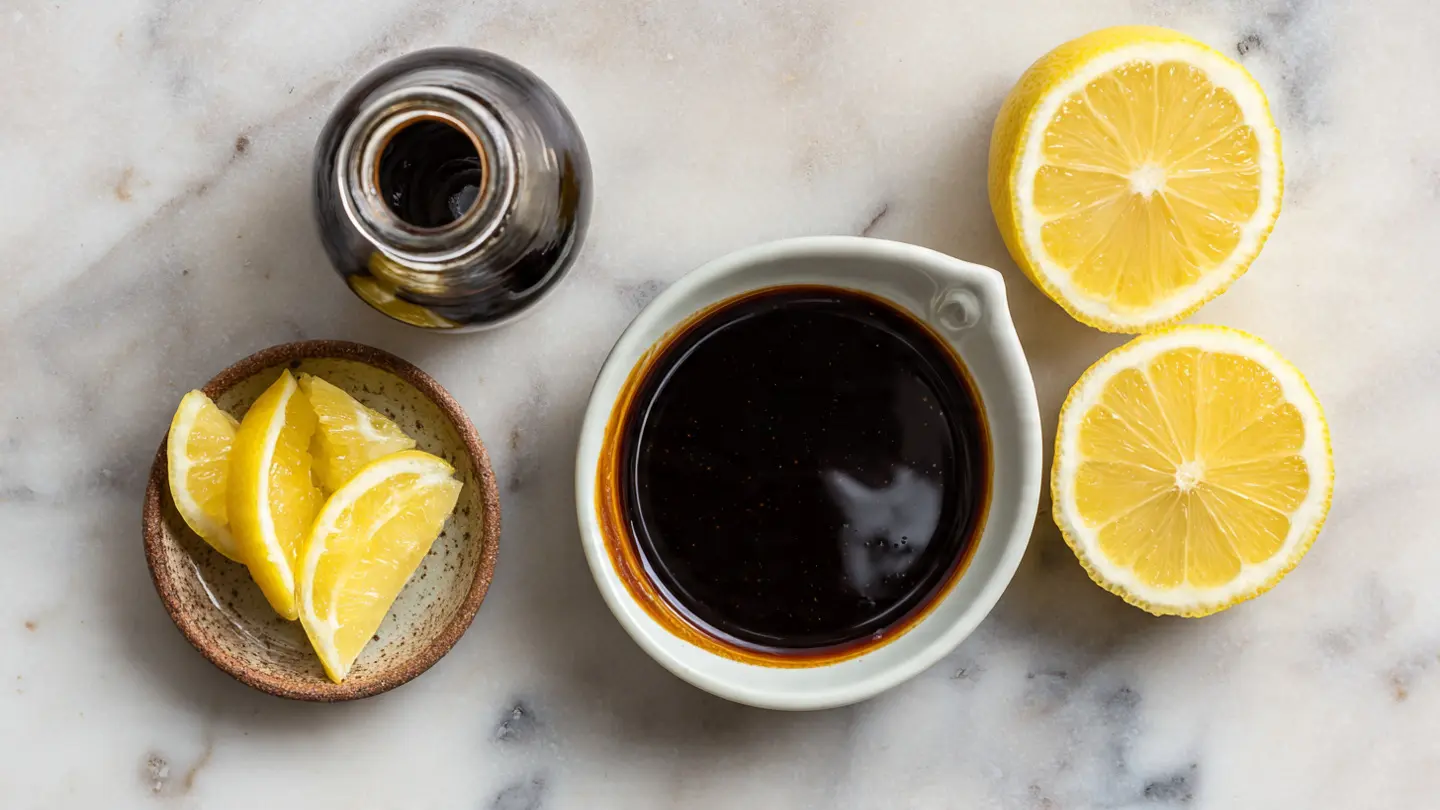
Making your own worcestershire sauce recipe at home is one of those kitchen projects that feels surprisingly satisfying. You get a rich, complex condiment loaded with umami depth, made with real ingredients you can actually pronounce, and it comes together in about 15 minutes on the stovetop.
Most store-bought versions contain high fructose corn syrup, “natural flavors,” and preservatives you’d rather skip. Homemade is different. You control every ingredient, and the flavor? It’s genuinely incredible.
The secret to a good worcestershire sauce lies in layering sweet, sour, savory, and funky all at once. Apple cider vinegar gives the acidic backbone. Molasses adds dark, slightly bitter sweetness. Tamarind brings a fruity tartness that’s hard to replicate with anything else. And anchovies — yes, anchovies — provide that deep, salty umami punch that makes the sauce so craveable even if you can’t put your finger on why.
This is the classic stove-top method you’ll find on most reputable food sites, and it delivers results that taste remarkably close to the original Lea and Perrins you grew up with.
If you love making your own condiments from scratch, you’ll also want to try this Homemade BBQ Sauce — it uses some of the same flavor-building techniques and is just as easy to pull together.
Why You’ll Love This Worcestershire Sauce Recipe
Once you make this once, you’ll question why you ever bought it in a bottle.
It comes together in about 15 minutes and uses pantry-friendly ingredients that are easy to find at most grocery stores. No fermentation required, no aging for months in a cask — just a quick simmer and you’re done.
The homemade version has noticeably more brightness and warmth than the commercial stuff. You’ll taste the tamarind, the molasses, the spices — everything is more vivid.
It’s also completely customizable. Want it spicier? Add more hot sauce or cayenne. Prefer it less sweet? Dial back the molasses by a teaspoon. You’re in charge.
- Deep umami flavor from anchovies, tamarind, and molasses working together
- Ready in 15 minutes with no special equipment needed
- No preservatives or corn syrup — just clean, real ingredients
- Stores for up to 2 months in the fridge so you always have it on hand
- Versatile — use it in marinades, stews, burgers, bloody marys, and more
- Easily customizable to suit your heat and sweetness preferences
Read Also: Creole Sauce Recipe
Ingredients
You’ll need a mix of pantry staples and a few specialty items. The tamarind paste and anchovy paste are the two ingredients that make this taste truly authentic, so don’t skip them if you can help it.
- 1 cup (240 ml) apple cider vinegar
- 2 tablespoons (30 ml) water
- 1 tablespoon (15 ml) tamarind paste
- 1 tablespoon (15 ml) fish sauce
- 2 tablespoons (30 ml) blackstrap molasses
- 1 tablespoon (15 ml) soy sauce
- 1 teaspoon anchovy paste (or 2-3 whole anchovy fillets, minced)
- 1 teaspoon brown sugar
- 1/2 teaspoon onion powder
- 1/2 teaspoon garlic powder
- 1/4 teaspoon ground mustard
- 1/4 teaspoon ground ginger
- 1/4 teaspoon ground black pepper
- 1/8 teaspoon ground cloves
- 1/8 teaspoon ground cinnamon
- 1/8 teaspoon cayenne pepper (adjust to taste)
- 1/4 teaspoon celery salt
- 1 teaspoon fresh lemon juice (added at the end)
You might also enjoy the savory depth in this Stir Fry Sauce Recipe — it shares a similar sweet-savory flavor profile.
Kitchen Equipment Needed
Nothing fancy required here. If you have a small saucepan and a fine mesh strainer, you’re all set.
- Small saucepan (1-2 quart capacity)
- Whisk
- Fine mesh strainer
- Glass jar or bottle with lid (for storage)
- Measuring spoons and cups
- Funnel (optional, for easy pouring into a bottle)
Read Also: Hoisin Sauce Recipe
Recommended Products for This Recipe
These are products I genuinely recommend based on quality and how much of a difference they make in the final flavor.
1. Roland Tamarind Paste
Tamarind paste is one of the defining flavors in worcestershire sauce, giving it that signature fruity-sour note that separates the real thing from a bland substitute. Roland makes a high-quality, concentrated tamarind paste that’s easy to measure and consistently flavorful. Using a good tamarind paste means your homemade version tastes authentically complex right out of the pot.
2. Red Boat Fish Sauce
Fish sauce adds the briny, savory depth that anchors worcestershire’s umami backbone. Red Boat is considered one of the cleanest, highest-quality fish sauces available — it’s made from just anchovies and salt with no additives. A bottle lasts a long time and elevates everything from this sauce to soups, marinades, and stir fries.
3. Agostino Recca Anchovy Paste
Anchovy paste is the most convenient way to get that deep, meaty flavor into your worcestershire without dealing with whole tins of anchovies. Agostino Recca is a trusted Italian brand that delivers a rich, salty paste with excellent flavor. A small tube goes a long way and keeps well in the fridge for months.
4. Leak-Proof Glass Swing Top Bottles
Storing your worcestershire in a quality glass bottle not only looks great but also preserves the flavor better than plastic. Swing-top glass bottles create a reliable seal and make it easy to shake and pour the sauce as needed. They’re also reusable and make a lovely gift if you’re making a big batch.
This sauce pairs beautifully with Beef Stroganoff — a few dashes stirred into the sauce takes the flavor to a whole new level.
Step-by-Step Instructions
Step 1: Toast the Dry Spices
- Measure out all of your dry spices into a small dry skillet: onion powder, garlic powder, ground mustard, ground ginger, black pepper, ground cloves, ground cinnamon, and cayenne pepper.
- Place the skillet over medium heat and toast the spices for 1 to 2 minutes, stirring constantly or shaking the pan to keep them moving.
- Watch carefully because spices can go from toasted to burnt very quickly — you’re looking for a slightly deeper color and a fragrant aroma.
- Once fragrant, remove the skillet from the heat immediately and set aside. Toasting unlocks more complex flavor from each spice, making the finished sauce noticeably more aromatic.
Step 2: Combine the Liquid Ingredients
- In your small saucepan, add the apple cider vinegar and water first.
- Add the tamarind paste, fish sauce, blackstrap molasses, and soy sauce to the vinegar mixture.
- Add the anchovy paste (or minced anchovy fillets) and the brown sugar.
- Add the celery salt.
- Whisk everything together thoroughly until the tamarind paste and anchovy paste are fully dissolved into the liquid. There should be no lumps remaining.
Step 3: Add the Toasted Spices
- Pour the toasted spices from the skillet into the saucepan with the liquid mixture.
- Stir well to combine, making sure all the dry spices are evenly distributed throughout the liquid.
- At this point the mixture will look a bit murky and rough — that’s completely normal and will be strained out later.
Step 4: Simmer the Sauce
- Place the saucepan over medium heat and bring the mixture to a low simmer, stirring occasionally.
- Once simmering, reduce the heat to medium-low and continue to simmer for 10 to 12 minutes, stirring every couple of minutes.
- The sauce should reduce slightly and the aroma should become deeply complex — you’ll smell the molasses, vinegar, and spices all at once.
- Do not bring the sauce to a hard boil; a steady, gentle simmer is all you need. Boiling aggressively can cause the vinegar to cook off too quickly and result in a sharper, less balanced flavor.
Step 5: Strain the Sauce
- Remove the saucepan from heat and allow the sauce to cool for 5 to 10 minutes.
- Set your fine mesh strainer over a bowl or measuring cup with a pour spout.
- Carefully pour the sauce through the strainer to remove all the spice solids.
- Use a spoon to press gently on the solids to extract as much liquid as possible, then discard the solids.
Step 6: Finish With Lemon Juice
- Add 1 teaspoon of fresh lemon juice to the strained sauce and stir to combine.
- The lemon juice brightens everything and adds a final layer of fresh acidity that balances the richness of the molasses and anchovies.
- Taste the sauce and adjust if needed — add a pinch more salt, a tiny bit more molasses for sweetness, or a drop more hot sauce for heat.
Step 7: Bottle and Store
- Using a funnel if needed, pour the finished worcestershire sauce into your clean glass jar or bottle.
- Seal tightly and allow to cool to room temperature before refrigerating.
- The sauce is ready to use immediately, but the flavors meld and deepen even more after 24 hours in the fridge.
The same depth of flavor this sauce brings to marinades works beautifully in a Meatloaf Recipe — just a tablespoon or two stirred into the meat mixture makes a noticeable difference.
Tips for Success
Small adjustments make a big difference when making a sauce this layered in flavor. These tips help you get it right every time.
- Don’t skip the tamarind paste. It’s the single ingredient that most separates a real worcestershire from a bland substitute. It’s easy to find at Asian grocery stores, Indian markets, or online.
- Use anchovy paste, not canned sardines. Anchovy paste is more concentrated and dissolves fully into the sauce, giving you clean umami without any fishiness. Sardines are a different flavor profile entirely.
- Toast your spices even when short on time. It takes two minutes and dramatically deepens the flavor. It’s worth it every single time.
- Strain thoroughly. A fine mesh strainer is important here. If the sauce is still a bit gritty or cloudy, strain it a second time through a cheesecloth.
- Taste before bottling. Every batch is slightly different depending on your brands and measurements. Taste and adjust before it goes in the jar.
- Let it rest. The sauce tastes noticeably better the next day once the flavors have had time to come together. Make it at least 12 hours before you need it if possible.
You might also love using this sauce in a Caesar Salad Dressing — a small splash adds remarkable depth to the dressing.
Serving Suggestions

Worcestershire sauce is more of a flavor-booster than a standalone condiment, but there are endless ways to use it.
Once you have a jar in your fridge, you’ll find yourself reaching for it constantly. A few dashes can transform a dish from flat to deeply savory in seconds.
- Stir a splash into Hamburger Soup for richer, meatier flavor
- Add 1 to 2 tablespoons to your burger patty mixture for juicier, more flavorful burgers
- Use as a key ingredient in homemade bloody mary cocktails
- Drizzle over a finished steak or mix with melted butter for a classic steak basting sauce
- Stir into slow cooker Beef Bourguignon for added depth
- Use in marinades for chicken, pork, and beef alongside olive oil, garlic, and herbs
- Add a dash to Caesar Salad Dressing for an umami boost
- Stir a teaspoon or two into chili, lentil soup, or vegetable soup while it simmers
Variations to Try
Once you’ve made the classic version, there are some fun tweaks worth experimenting with.
- Vegan Worcestershire: Omit the anchovies and fish sauce entirely. Replace them with an extra tablespoon of soy sauce and a teaspoon of miso paste or nutritional yeast for umami depth. The result is surprisingly close to the original.
- Gluten-Free Version: Swap soy sauce for tamari or coconut aminos, which are naturally gluten-free. Everything else in this recipe is already gluten-free.
- Spicy Version: Double the cayenne pepper and add 1/2 teaspoon of chili flakes for a worcestershire with a real kick. It’s excellent in bloody marys and spicy marinades.
- Smoky Version: Add 1/4 teaspoon of smoked paprika and a few drops of liquid smoke to the simmering sauce. This variation pairs particularly well with grilled meats.
- Sweeter Version: Replace the brown sugar with honey or pure maple syrup and reduce the amount of molasses by half. The result is lighter in color and slightly more mild in flavor.
Another great homemade sauce to add to your repertoire is this Teriyaki Sauce Recipe — it has that same balance of sweet and savory that makes worcestershire so addictive.
Storage and Reheating
Worcestershire sauce stores beautifully and lasts a long time when kept properly.
- Refrigerator: Store in a sealed glass jar or bottle in the refrigerator for up to 2 months. The high acidity from the vinegar acts as a natural preservative.
- Freezing: Pour the sauce into an ice cube tray and freeze until solid, then transfer the cubes to a freezer bag. Each cube is roughly 1 to 2 tablespoons. Frozen cubes last up to 6 months.
- Room temperature: Once opened and in use, the sauce can sit at room temperature for short periods, but it’s best refrigerated long-term.
- Shake before using: Natural separation can occur in homemade sauces. Give the jar a good shake before each use to recombine.
- Reheating: Worcestershire sauce doesn’t need to be reheated on its own — it’s almost always added to dishes during cooking. If it has thickened in the fridge, just stir it vigorously or let it sit at room temperature for a few minutes.
Read Also: Hollandaise Sauce Recipe
Nutritional Facts
The following nutritional information is approximate and based on a 1 tablespoon (15 ml) serving size. This recipe makes approximately 1 cup (16 tablespoons).
| Nutrient | Per Serving (1 tbsp) |
|---|---|
| Calories | 18 kcal |
| Total Carbohydrates | 4 g |
| Sugars | 3 g |
| Protein | 1 g |
| Total Fat | 0.5 g |
| Saturated Fat | 0 g |
| Sodium | 210 mg |
| Potassium | 40 mg |
| Fiber | 0 g |
| Vitamin C | 1 mg |
| Calcium | 5 mg |
| Iron | 0.5 mg |
Note: Nutritional values are estimates and can vary based on specific ingredient brands and exact measurements used. Worcestershire sauce is used in very small quantities (typically 1 to 2 teaspoons at a time), so the caloric impact per dish is minimal.
Another recipe worth knowing the nutritional value of is this Tomato Sauce — it’s a great base sauce that also uses very little of each serving.
Health Benefits of Key Ingredients
Despite being used in small quantities, worcestershire sauce’s ingredients carry some real nutritional value.
The combination of fermented and plant-based ingredients means this homemade version carries more beneficial compounds than the typical store-bought variety packed with additives.
- Apple cider vinegar contains acetic acid, which has been studied for its potential to support healthy blood sugar levels and improve digestion when consumed regularly
- Tamarind is rich in antioxidants, particularly polyphenols, and contains B vitamins including thiamine. It has also been used traditionally as a digestive aid
- Anchovies are an excellent source of omega-3 fatty acids, calcium, and vitamin D. Even in small amounts, they contribute valuable heart-healthy fats
- Molasses (especially blackstrap) contains significant amounts of iron, calcium, magnesium, and potassium — nutrients often missing from processed sweeteners
- Garlic powder contains allicin compounds associated with immune support and cardiovascular benefits
- Ginger is widely recognized for its anti-inflammatory properties and its role in supporting digestive health
- Cloves contain eugenol, one of the most potent antioxidant compounds found in any spice
If you enjoy exploring sauces with impressive nutritional profiles, this Homemade Tomato Sauce is another one worth adding to your regular rotation — it’s loaded with lycopene and vitamin C.
For a lighter option, try: Tzatziki Sauce Recipe
Frequently Asked Questions
1. What does worcestershire sauce taste like?
Worcestershire sauce has a bold, complex flavor that’s simultaneously sour, sweet, savory, and slightly funky. It’s deeply umami-forward thanks to the anchovies and fish sauce, with a tangy backbone from the vinegar and tamarind, and a gentle sweetness from the molasses. It’s one of those condiments that’s hard to describe in a single word — but your food tastes unmistakably flat without it.
2. Can I make worcestershire sauce without anchovies?
Yes, you absolutely can. To make a vegan or fish-free version, replace the anchovy paste and fish sauce with an additional tablespoon of soy sauce or tamari and a teaspoon of miso paste. The result won’t be identical to the original, but it’s remarkably close and still has that complex umami depth that makes worcestershire worth using.
3. How long does homemade worcestershire sauce last?
When stored in a sealed glass jar in the refrigerator, homemade worcestershire sauce keeps for up to 2 months. The high vinegar and molasses content naturally inhibit bacterial growth. If you want to keep it even longer, freeze it in ice cube trays and transfer to a freezer bag — it will last up to 6 months frozen.
4. What is tamarind paste and where can I find it?
Tamarind paste is a thick, concentrated paste made from the pulp of the tamarind fruit, which is native to tropical Africa but widely used in Asian, Middle Eastern, and Latin American cuisines. It has a uniquely sour-sweet flavor that’s central to authentic worcestershire sauce. You can find it at Asian grocery stores, Indian markets, international food aisles in large supermarkets, or online. If tamarind paste is unavailable, you can substitute with an equal amount of unsweetened lime juice, though the flavor won’t be quite as complex.
5. How much worcestershire sauce should I use in a recipe?
Worcestershire sauce is potent, so a little goes a long way. For most dishes like soups, stews, and marinades, 1 to 2 tablespoons is typically enough for 4 to 6 servings. When adding it to burgers or meatloaf, 1 to 2 teaspoons mixed into the meat is usually ideal. For bloody marys, start with 1/2 teaspoon per drink and adjust to taste. Always start with less than you think you need — you can always add more but you can’t take it away.
Read Also: Comeback Sauce Recipe
Final Thoughts
Making your own worcestershire sauce from scratch is one of those small kitchen wins that feels completely disproportionate to the effort it takes. Fifteen minutes, a handful of ingredients, and you have a jar of something genuinely special sitting in your fridge.
It’s more flavorful than anything from a bottle, cleaner in ingredients, and endlessly versatile. Use it in your burgers, your stews, your marinades, your bloody marys — it elevates everything it touches.
Give this worcestershire sauce recipe a try and see how quickly it becomes a permanent fixture in your kitchen. If you make it, share it in the comments below — I’d love to hear what dishes you’re putting it to work in, and any tweaks you tried along the way!
Recommended:
- BBQ Sauce Recipe
- Burger Sauce Recipe
- Steak Marinade with Carne Asada
- Crockpot Beef Stew
- Beef Bourguignon
- Mississippi Pot Roast
- Bang Bang Sauce
- Marinara Sauce
- Alabama White Sauce
- Cocktail Sauce