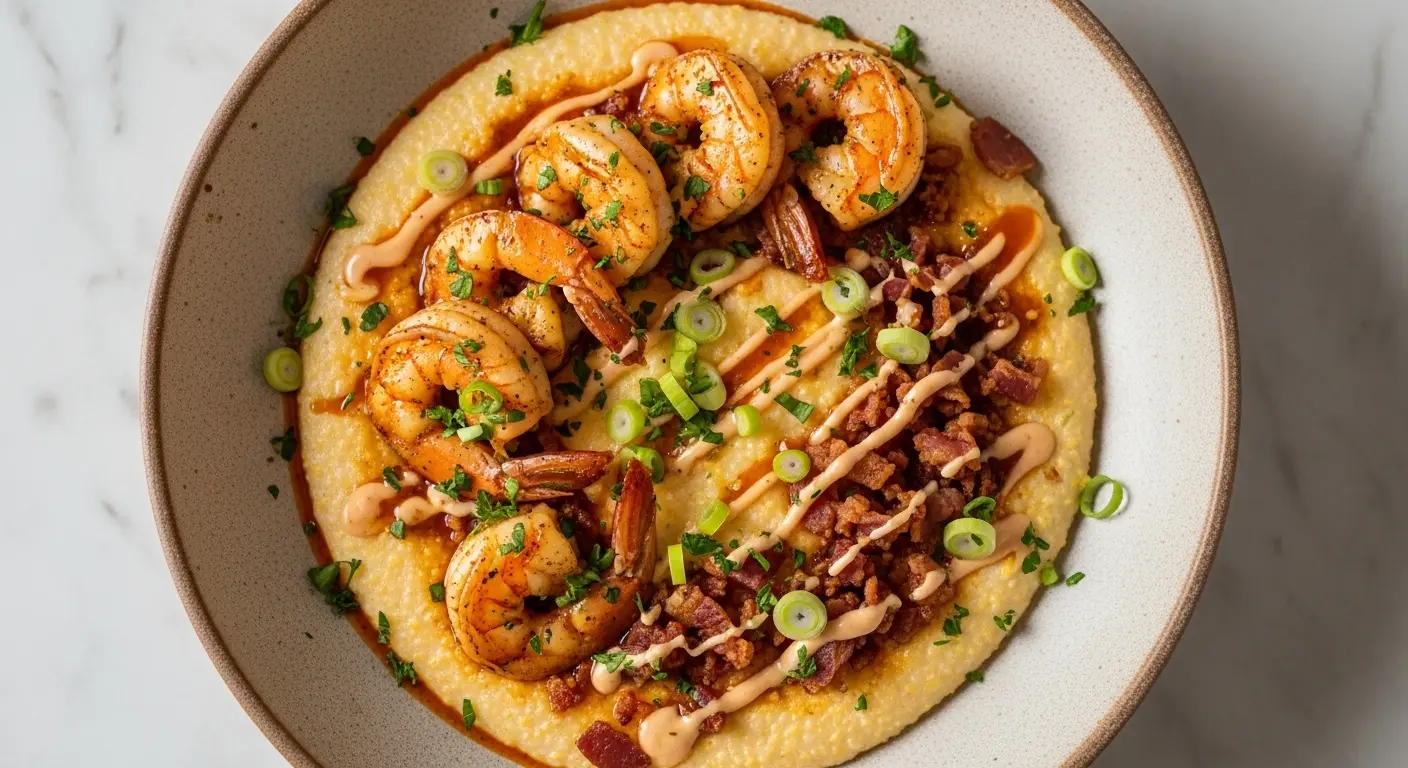
A good shrimp and grits recipe is the kind of dish that makes people stop mid-bite and close their eyes. Tender, juicy shrimp sautéed in smoky bacon drippings, seasoned with Cajun spices, and finished with a savory pan sauce — all spooned over a bowl of impossibly creamy, cheesy stone-ground grits. It’s pure Southern soul food magic.
This dish has roots in the Lowcountry of coastal South Carolina and Georgia, where fresh shrimp were so abundant they were practically a daily staple.
Originally a simple breakfast for fishermen, shrimp and grits has grown into one of the most beloved comfort dishes in American cuisine.
What makes this recipe special is the technique behind each component. The grits are cooked low and slow in a mixture of chicken broth and milk, then finished with sharp cheddar and butter for a velvety texture that holds its own against the bold shrimp topping.
The shrimp get their depth of flavor from two things: Cajun seasoning and cooking in rendered bacon fat. That combination creates a rich, layered taste that you just can’t replicate any other way.
This is the version most closely associated with traditional Southern cooking — bacon-forward, boldly seasoned, and built around cheesy stone-ground grits with a buttery pan sauce. It comes together in about 35 minutes and serves 4 people comfortably.
Ready to bring a true taste of the South to your table? Keep reading for every tip, technique, and step you need.
For another Southern seafood favorite, you might also enjoy Air Fryer Bacon Wrapped Shrimp as a fun starter before serving this dish.
Why You’ll Love This Shrimp and Grits Recipe
This recipe is a weeknight winner disguised as a restaurant-worthy meal.
It only takes about 35 minutes from start to finish, which means you can have a deeply flavorful, Southern-inspired dinner on the table without spending hours in the kitchen.
The creamy, cheesy grits are an absolute dream. Cooking them in chicken broth and milk instead of plain water gives them an incredible richness that makes every bite feel indulgent.
And the shrimp? Perfectly seasoned with Cajun spice and cooked in bacon fat, they develop a gorgeous sear that you simply cannot achieve with butter alone.
It’s also a wonderfully versatile dish. You can serve it as a casual weeknight dinner, a lazy weekend brunch, or an impressive meal for guests who will think you spent all day cooking.
The flavor profile hits all the right notes:
- Smoky from the crispy bacon
- Bold and slightly spicy from the Cajun seasoning
- Rich and savory from the cheesy grits
- Bright and fresh from a squeeze of lemon at the end
- Creamy and buttery in every single spoonful
Another Southern classic to pair with this meal is this flavorful Collard Greens Recipe — a natural match for a Lowcountry-style dinner.
Ingredients
Getting the right ingredients is the key to an authentic-tasting shrimp and grits. Here’s what you’ll need, split between the two components of the dish.
For the Creamy Cheese Grits:
- 1 cup (170 g) stone-ground grits (white or yellow; avoid instant)
- 2 cups (480 ml) chicken broth
- 2 cups (480 ml) whole milk
- 2 tablespoons unsalted butter
- 1 cup (113 g) sharp cheddar cheese, freshly shredded
- ½ teaspoon kosher salt, plus more to taste
- ¼ teaspoon white pepper
For the Shrimp and Bacon Pan Sauce:
- 1½ lbs (680 g) large or jumbo shrimp (21-25 count), peeled and deveined, tails on or off
- 4 strips thick-cut bacon, cut into small pieces
- 1 tablespoon unsalted butter
- 3 cloves garlic, minced
- 3 green onions (scallions), thinly sliced, white and green parts separated
- ½ cup (120 ml) chicken broth
- 1 tablespoon fresh lemon juice
- 1½ teaspoons Cajun seasoning
- ½ teaspoon smoked paprika
- Salt and black pepper, to taste
- 2 tablespoons fresh flat-leaf parsley, chopped
Stone-ground grits are non-negotiable here. They take a bit longer to cook than quick grits, but the hearty texture and deep corn flavor they deliver make the extra few minutes absolutely worth it.
Read Also: Classic Shrimp Scampi Recipe
Kitchen Equipment Needed
You don’t need any specialized tools for this recipe, but having the right equipment makes the process smoother and more enjoyable.
Here’s what to have ready:
- Large cast iron skillet or heavy-bottomed skillet (for the shrimp and bacon)
- Medium-to-large heavy-bottomed saucepan (for the grits)
- Whisk (essential for lump-free grits)
- Slotted spoon or spider strainer
- Box grater or cheese grater (for shredding fresh cheddar)
- Measuring cups and spoons
- Cutting board and sharp knife
- Paper towels (for draining the bacon)
- Ladle or large spoon (for serving)
A cast iron skillet is the gold standard for this recipe because it holds heat evenly and gives the shrimp a beautiful sear. If you don’t have one, a stainless steel pan works well too — just avoid non-stick if you want good browning.
For another crowd-pleasing skillet seafood dish, check out this Salmon Skillet Recipe.
Recommended Products for This Recipe
These are products I genuinely recommend based on quality and how much they improve the final result of this dish.
1. Lodge Pre-Seasoned Cast Iron Skillet
A well-seasoned cast iron skillet is your best friend when making shrimp and grits. It provides even heat distribution and creates the kind of deep, caramelized sear on the shrimp that non-stick pans simply can’t match. The natural non-stick surface improves with every use, making it a lasting kitchen investment.
2. Bob’s Red Mill Stone Ground Grits
Not all grits are created equal, and Bob’s Red Mill stone-ground grits are among the best you can buy. They have a robust corn flavor and a pleasantly coarse texture that holds up beautifully under the creamy shrimp topping. They’re widely available and consistently excellent.
3. Tony Chachere’s Original Creole Seasoning
Tony Chachere’s is a beloved Cajun/Creole seasoning brand from Louisiana that adds the perfect balance of heat, garlic, and salt to the shrimp. A little goes a long way, and it layers in flavor that elevates this dish from good to outstanding.
4. OXO Good Grips Box Grater
Pre-shredded cheese contains anti-caking agents that prevent it from melting smoothly. Freshly grated cheddar melts into the grits like a dream, and this OXO grater makes the job quick and easy with its sharp blades and comfortable handle.
You might also love this rich and comforting Lobster Bisque Recipe for another elegant seafood experience.
Step-by-Step Instructions
1. Prep All Your Ingredients
- Peel and devein the shrimp if not already done. Pat them completely dry with paper towels — removing all moisture is the key to a good sear. Set aside in a bowl.
- Season the shrimp with 1½ teaspoons Cajun seasoning, ½ teaspoon smoked paprika, and a pinch of salt and black pepper. Toss to coat evenly and set aside while you prep everything else.
- Cut the bacon strips into small bite-sized pieces (roughly ½-inch / 1.25 cm pieces).
- Mince the garlic finely.
- Slice the green onions, separating the white and light green parts from the dark green tops.
- Chop the parsley and set aside for garnish.
- Measure out all liquids and have them near the stove — this recipe moves quickly once you start cooking.
2. Start the Grits
- In a medium-to-large heavy saucepan, combine 2 cups (480 ml) chicken broth and 2 cups (480 ml) whole milk. Add ½ teaspoon kosher salt.
- Bring the liquid to a gentle simmer over medium-high heat, stirring occasionally. Watch carefully — milk can boil over quickly if left unattended.
- Once the liquid is simmering, reduce the heat to medium-low and slowly pour in 1 cup (170 g) stone-ground grits while whisking constantly. Adding the grits gradually and whisking right away prevents any lumps from forming.
- Continue whisking frequently for the first few minutes to keep the grits moving and prevent them from sticking to the bottom.
- Reduce heat to low and cook, stirring every 2-3 minutes, for 20-25 minutes until the grits are tender, thick, and creamy. Stone-ground grits need time — resist the urge to rush this step.
- If the grits become too thick before they’re fully cooked, add a splash of warm broth or milk and stir it in.
3. Cook the Bacon
- While the grits are cooking, heat a large cast iron skillet or heavy-bottomed pan over medium heat.
- Add the cut bacon pieces in a single layer. Cook, stirring occasionally, for 6-8 minutes until the bacon is golden, crispy, and has rendered most of its fat.
- Use a slotted spoon to transfer the crispy bacon to a paper towel-lined plate. Leave all the rendered bacon fat in the pan — this is your flavor base for the shrimp and sauce.
- Do not wipe the pan. Those brown bits (called fond) left behind are packed with flavor that will enrich the sauce.
4. Sear the Shrimp
- Increase the heat under the skillet to medium-high. The pan should be hot before the shrimp go in — you want to hear a sizzle the moment they hit the surface.
- Add the seasoned shrimp in a single layer. Do not crowd the pan; work in batches if needed. Crowding causes the shrimp to steam rather than sear.
- Cook for about 1.5 to 2 minutes on the first side without moving them, until they turn pink and develop a light golden crust on the bottom.
- Flip each shrimp and cook for another 1 minute on the second side. The shrimp should be just barely cooked through — they will look pink and opaque with a slight curl. Do not overcook; overcooked shrimp turn rubbery very quickly.
- Transfer the shrimp to a clean plate or bowl and set aside. They will finish cooking in the sauce later.
5. Build the Pan Sauce
- With the skillet still over medium heat, add 1 tablespoon of butter and let it melt, scraping up the browned bits from the bottom of the pan with a wooden spoon.
- Add the white and light green parts of the sliced scallions along with the minced garlic. Sauté for about 1 minute, stirring frequently, until fragrant. Be careful not to burn the garlic.
- Pour in ½ cup (120 ml) chicken broth and 1 tablespoon fresh lemon juice. Stir to combine and bring to a simmer, scraping up any remaining bits from the bottom of the pan.
- Let the sauce simmer for 2-3 minutes to reduce slightly and concentrate the flavors.
6. Finish the Grits
- By now, your grits should be tender and creamy. Remove the saucepan from the heat.
- Add 2 tablespoons unsalted butter and stir until fully melted and incorporated.
- Add 1 cup (113 g) freshly shredded sharp cheddar cheese a small handful at a time, stirring well after each addition to ensure the cheese melts smoothly and doesn’t clump.
- Taste the grits and adjust salt and white pepper as needed. The grits should be rich, creamy, and slightly thick but still pourable. If they seem too stiff, add a splash of warm milk and stir to loosen.
- Cover the grits and keep them over the lowest heat setting or just off the heat while you finish the shrimp.
7. Return the Shrimp to the Sauce
- Add the seared shrimp back into the skillet with the pan sauce. Toss gently to coat every piece in the sauce.
- Cook for just 1 more minute over medium heat until the shrimp are heated through and fully cooked. Watch them closely — they go from perfectly cooked to overdone in under a minute.
- Toss in the reserved crispy bacon pieces and stir gently.
8. Plate and Serve
- Spoon a generous mound of the creamy cheesy grits into the center of each shallow bowl or plate. Make a slight well in the center.
- Ladle the shrimp and pan sauce over the top of the grits. Spoon any extra sauce around and over for maximum flavor coverage.
- Garnish with the dark green scallion tops, fresh chopped parsley, and an extra crack of black pepper.
- Serve immediately while everything is hot and the grits are at their creamiest.
For another hearty and flavorful Southern-style dish, try this Classic Red Beans and Rice Recipe — a perfect companion to your Southern dinner rotation.
Tips for Success
A few smart moves will take this recipe from good to truly outstanding. Keep these in mind every time you make it.
Here are the most important tips:
- Use stone-ground grits, not instant. Instant grits are convenient but lack the hearty corn flavor and texture that make this dish special. Stone-ground grits may take 20-25 minutes, but the payoff is well worth it.
- Always dry your shrimp before seasoning. Moisture is the enemy of a good sear. Pat the shrimp thoroughly with paper towels before adding seasoning to ensure they brown rather than steam.
- Don’t discard the bacon fat. The rendered fat left in the pan is loaded with smoky flavor that seasons the shrimp and the sauce. It’s not the time to be cautious about fat — it’s part of what makes this dish taste authentic.
- Cook shrimp in batches if needed. An overcrowded pan lowers the temperature and steams the shrimp instead of searing them. Give each shrimp room to breathe.
- Grate your own cheese. Pre-shredded cheese contains starches and anti-caking agents that prevent smooth melting. Fresh-grated sharp cheddar melts into the grits without any clumping.
- Season in layers. Season the shrimp before cooking, taste the grits before serving, and adjust the sauce before plating. Tasting as you go makes all the difference.
- Keep the grits warm and covered until serving. If they thicken up too much while you finish the shrimp, stir in a splash of warm milk to bring them back to a creamy consistency.
Read Also: Creole Sauce Recipe
Serving Suggestions
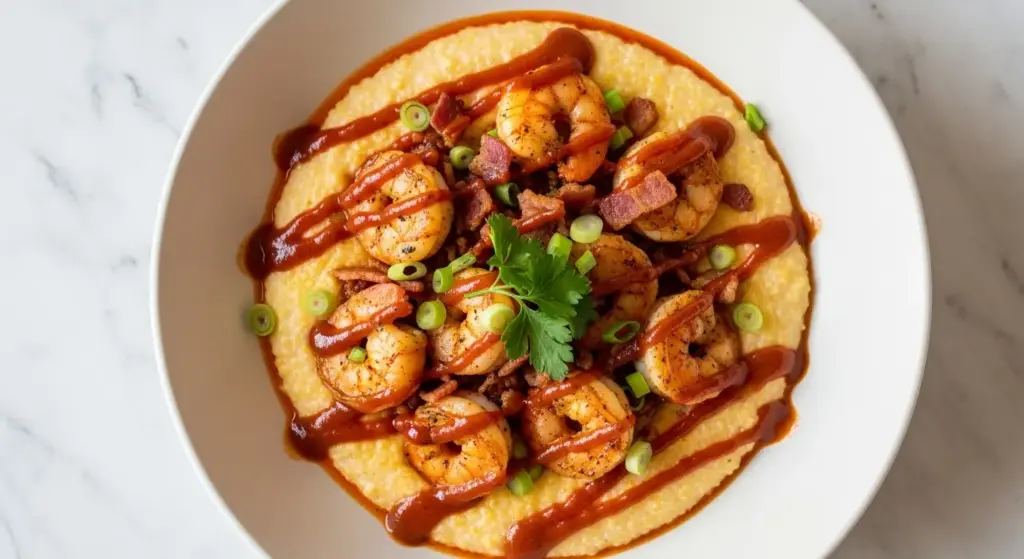
Shrimp and grits is a complete, satisfying meal on its own, but pairing it with the right sides turns it into a full Southern spread.
Here are some of the best ways to serve it:
- A side of Collard Greens is the most traditional pairing — the slight bitterness of slow-cooked greens balances the richness of the grits perfectly.
- Skillet Cornbread is another classic alongside, great for soaking up every last drop of the pan sauce.
- Buttermilk Biscuits make a wonderful accompaniment, especially at brunch.
- A light Broccoli Salad adds freshness and crunch that contrasts beautifully with the creamy dish.
- Classic Deviled Eggs are a fun Southern starter if you’re hosting a larger gathering.
- A simple Fruit Salad provides a light, refreshing contrast on the side.
Another great pairing for a Southern feast is Southern Fried Chicken — serve a small piece alongside this dish for a true Lowcountry spread.
Variations to Try
The classic version is absolutely the one to master first, but once you’ve made it a few times, these variations are worth exploring.
Here are some popular takes on the dish:
- New Orleans Creole Style: Add diced bell pepper, celery, and onion (the classic “holy trinity”) to the sauce along with a splash of hot sauce and a pinch of cayenne. Use Creole seasoning instead of Cajun for a slightly different flavor profile.
- Andouille Sausage Version: Slice andouille sausage and brown it in the skillet before cooking the shrimp. The smoky, spiced sausage adds extra depth and makes the dish even heartier.
- Garlic Butter Shrimp Grits: Skip the Cajun seasoning and go with a simple garlic butter sauce with a squeeze of lemon and fresh herbs. This lighter version lets the sweetness of the shrimp shine.
- Spicy Blackened Shrimp Grits: Coat the shrimp in a blackening seasoning blend and cook them in a very hot cast iron skillet. The charred crust adds an intense smoky flavor that’s different from the classic.
- Gruyere or Gouda Grits: Swap the cheddar for Gruyere or smoked Gouda in the grits. Both cheeses add a more complex, nutty flavor that pairs beautifully with the savory shrimp.
- No-Bacon Version: Substitute 2 tablespoons of olive oil or ghee for the bacon fat and use smoked paprika liberally to compensate for the smokiness. The result is still deeply flavorful.
You might also enjoy this Seafood Chowder Recipe if you love hearty, creamy seafood dishes with a similar comfort-food feel.
Storage and Reheating
Shrimp and grits are best enjoyed fresh and hot right off the stove, but leftovers can absolutely be saved and reheated with good results.
Here’s how to store and reheat:
- Storage: Keep leftover shrimp and grits in separate airtight containers in the refrigerator for up to 2 days. Storing them together can cause the grits to absorb too much moisture from the sauce and become gummy.
- Reheating the Grits: Transfer the grits to a small saucepan and add 2-3 tablespoons of warm water, milk, or chicken broth. Heat over low heat, stirring frequently, until they’re warm and creamy again. Don’t skip adding liquid — cold grits will be very thick and need that moisture to loosen up.
- Reheating the Shrimp: Warm the shrimp and sauce gently in a small skillet over medium-low heat for 2-3 minutes, just until heated through. Avoid high heat or extended reheating, as shrimp become rubbery very quickly when overcooked.
- Freezing: Grits can be frozen in an airtight container for up to 1 month. Shrimp are not ideal for freezing after cooking, as the texture deteriorates significantly upon thawing. If you want to meal prep, freeze only the grits.
Read Also: Shrimp Chowder Recipe
Nutritional Facts
The following is an approximate nutritional breakdown per serving (1 of 4 servings), based on the recipe as written:
| Nutrient | Amount Per Serving |
|---|---|
| Calories | ~620 kcal |
| Total Fat | 32 g |
| Saturated Fat | 15 g |
| Cholesterol | 275 mg |
| Sodium | 1,420 mg |
| Total Carbohydrates | 38 g |
| Dietary Fiber | 1 g |
| Sugars | 5 g |
| Protein | 44 g |
Please note that these values are estimates and will vary based on specific brands, exact measurements, and any substitutions made. For precise nutritional data, use a nutrition calculator with your exact ingredients.
For another indulgent but satisfying seafood dish, check out this Easy Shrimp Scampi Recipe.
Health Benefits of Key Ingredients
While shrimp and grits is definitely comfort food, several of its core ingredients offer real nutritional value.
Here’s a look at what some of the key ingredients bring to the table:
- Shrimp is an excellent lean protein source, delivering around 20 grams of protein per 3-ounce serving with very few calories. It’s also a good source of iodine, selenium, and vitamin B12 — all essential nutrients that many people don’t get enough of.
- Stone-ground grits are a whole grain corn product that provides complex carbohydrates for sustained energy. They also contain iron, B vitamins, and some fiber, especially compared to refined grain options.
- Garlic contains allicin, a sulfur compound with well-documented antimicrobial and anti-inflammatory properties. Regular consumption of garlic has been associated with improved cardiovascular health.
- Parsley is more than just a garnish. It’s packed with vitamin K, vitamin C, and antioxidants that help protect cells from oxidative stress.
- Sharp Cheddar Cheese contributes calcium, phosphorus, and vitamin D — all critical for bone health. It also provides a dose of protein per serving.
- Green onions (scallions) are low in calories but rich in vitamins A and C, along with compounds that support healthy immune function.
If you enjoy exploring Southern coastal comfort food, this Seafood Stew Recipe is another nutrient-rich and deeply flavorful option to try.
Frequently Asked Questions
1. What type of grits should I use for shrimp and grits?
Stone-ground grits are the best choice for an authentic, flavorful result. They have a coarser texture and a deeper corn flavor than quick-cook or instant varieties. White or yellow stone-ground grits both work well. Quick-cooking grits are an acceptable substitute if you’re short on time, but avoid instant grits, which tend to be bland and gluey.
2. Can I use frozen shrimp?
Frozen shrimp work perfectly fine for this recipe. The key is to thaw them properly first — place them in a colander under cold running water for 5-10 minutes, then pat them completely dry with paper towels. Removing moisture before cooking is critical for a proper sear. If the shrimp are wet when they hit the pan, they’ll steam instead of sear.
3. How do I prevent my grits from getting lumpy?
The trick is to add the grits slowly while whisking constantly. Pour them in as a thin, steady stream into already-simmering liquid, whisking as you go. The constant motion prevents the starch granules from clumping together. Continuing to stir frequently throughout cooking also helps keep them smooth and lump-free.
4. Can I make shrimp and grits ahead of time?
You can make the grits up to a day ahead and refrigerate them in an airtight container. Reheat with a splash of milk or broth over low heat, stirring frequently, until creamy again. The shrimp, however, are best cooked fresh — shrimp lose their tender texture when reheated and are very quick to overcook on the second round. For a dinner party, prep everything except the shrimp ahead of time and cook the shrimp right before serving.
5. What can I substitute for bacon in this recipe?
If you don’t eat pork, the best substitution is turkey bacon, which will render some fat and still provide a smoky flavor. Smoked turkey sausage, sliced and browned, is another great option. For a pork-free sauce, use 2 tablespoons of butter or olive oil and add an extra ½ teaspoon of smoked paprika to compensate for the lost smokiness. The dish will still be delicious — it just won’t have quite the same depth as the bacon-based version.
Read Also: Crab Cake Recipe
Final Thoughts
A great shrimp and grits recipe is one of those dishes that feels like a warm hug in a bowl — rich, satisfying, deeply flavorful, and totally unforgettable.
This classic version sticks close to the Lowcountry roots of the dish, and for good reason: the combination of cheesy stone-ground grits, crispy bacon, and boldly seasoned shrimp in a savory pan sauce is genuinely hard to beat.
Once you make this recipe, it will likely become one of your most-requested meals. It’s the kind of dish friends ask about for weeks after tasting it.
Give this Southern shrimp and grits recipe a try this week and let us know how it turns out in the comments below. Did you stick with the classic version or try one of the variations? We’d love to hear from you — and if you share it on social media, tag us so we can see your beautiful bowls!
Recommended:
- Brunswick Stew Recipe
- Bourbon Chicken Recipe
- Baked Salmon Recipe
- Chicken Tortilla Soup Recipe
- Creamy Mashed Potatoes Recipe
- Chicken Cacciatore Recipe
- Oyster Stew Recipe
- Salmon Croquettes Soul Food Recipe
- Chicken Chesapeake Recipe
- Easy Shrimp Scampi Recipe