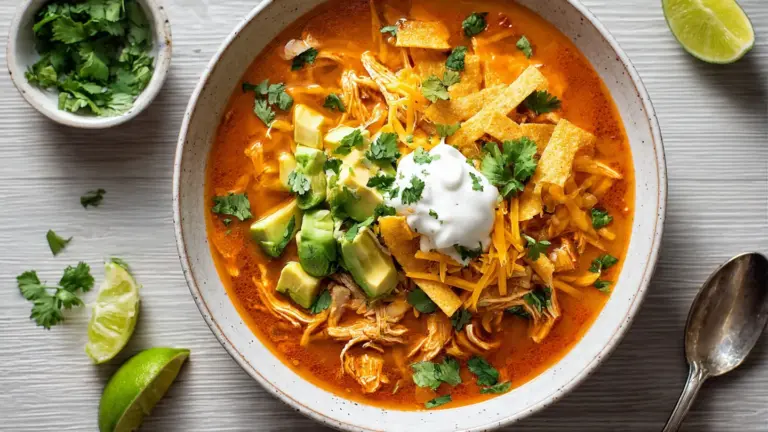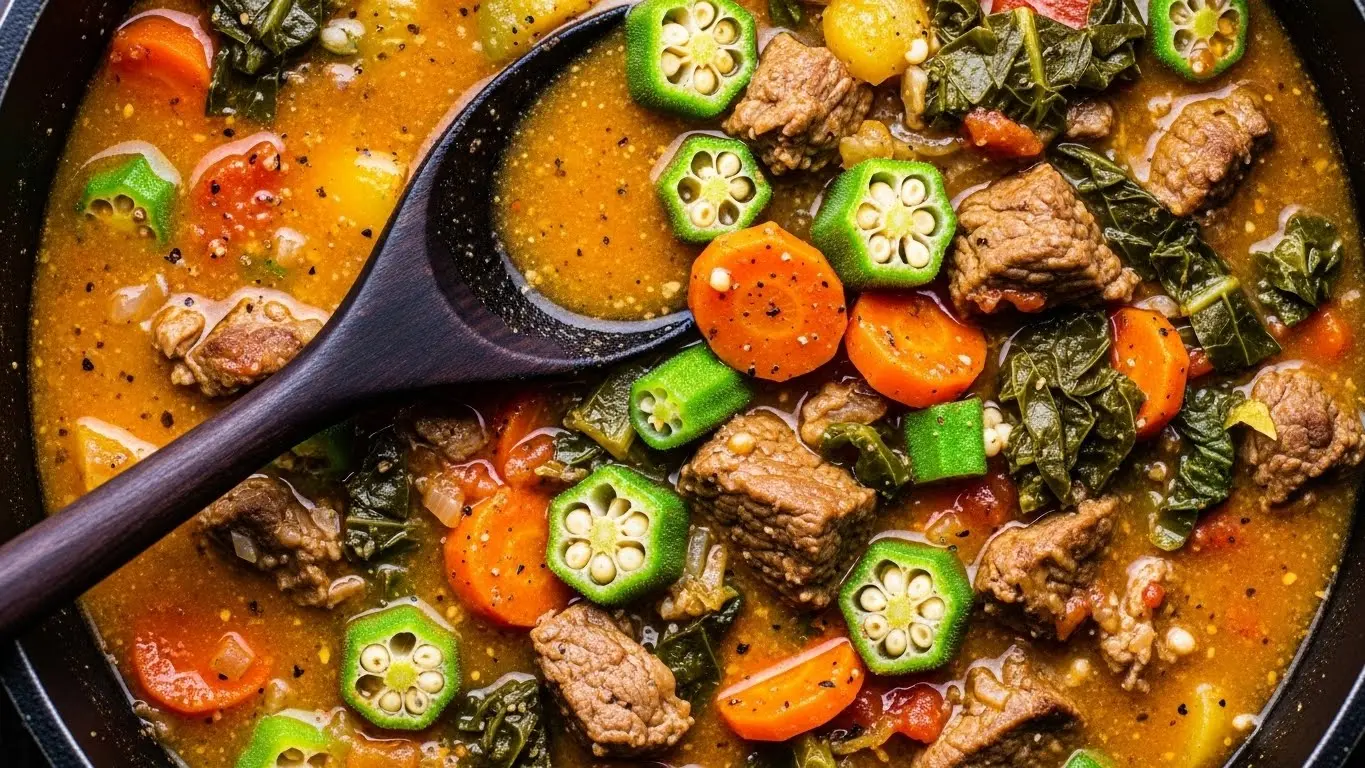
I’ve been making pepper pot soup for years now, and it never fails to warm me up on chilly evenings. This hearty Caribbean-inspired soup brings together tender meat, starchy vegetables, and bold spices in a way that feels both comforting and exciting.
The beauty of this pepper pot soup recipe is how it transforms simple ingredients into something truly special. Every spoonful delivers layers of flavor—from the aromatic herbs to the subtle heat that sneaks up on you.
It’s the kind of meal that brings everyone to the table asking for seconds. Trust me, once you try this version, you’ll understand why it’s been passed down through generations in Caribbean kitchens.
Why You’ll Love This Pepper Pot Soup
This soup has everything going for it, from the rich, deeply flavored broth to the satisfying chunks of tender meat and vegetables. It’s comfort food at its finest, but with enough complexity to keep things interesting.
I love how forgiving this recipe is—you can adjust the heat level, swap proteins, or add whatever vegetables you have on hand. Here’s what makes this pepper pot soup so special:
- Bold, warming flavors that build with each bite
- Incredibly filling thanks to the combination of protein and hearty vegetables
- Budget-friendly using affordable cuts of meat that become melt-in-your-mouth tender
- Great for meal prep as the flavors deepen over time
- Versatile enough to customize based on your preferences
- Naturally nutritious packed with vegetables and lean protein
For another warming soup option, try my turkey soup recipe after the holidays.
Ingredients
This pepper pot soup comes together with ingredients you can find at any grocery store. I’ve organized everything by category to make shopping easier.
For the Soup Base:
- 2 pounds beef stew meat or oxtail, cut into chunks
- 2 tablespoons vegetable oil
- 1 large onion, diced
- 4 cloves garlic, minced
- 2 stalks celery, chopped
- 1 tablespoon fresh thyme leaves (or 1 teaspoon dried)
- 2 bay leaves
- 8 cups beef broth
- 2 cups water
Vegetables:
- 2 medium yams or sweet potatoes, peeled and cubed
- 1 pound cassava (yuca), peeled and cubed
- 2 medium potatoes, peeled and cubed
- 1 cup okra, sliced (optional)
- 2 cups fresh spinach or callaloo
Seasonings:
- 2-3 Scotch bonnet peppers (or habaneros), whole or finely chopped
- 2 teaspoons black pepper, freshly ground
- 1 tablespoon Caribbean curry powder
- 1 teaspoon ground allspice
- 2 teaspoons salt (adjust to taste)
- 1 tablespoon coconut aminos or soy sauce
For Finishing:
- 2 scallions, chopped
- Fresh cilantro for garnish
- Lime wedges for serving
Kitchen Equipment Needed
Having the right tools makes cooking this soup so much smoother. Here’s what you’ll need to pull this recipe together successfully.
- Large Dutch oven or heavy-bottomed pot (at least 6 quarts)
- Sharp chef’s knife
- Cutting board
- Wooden spoon for stirring
- Measuring cups and spoons
- Ladle
- Vegetable peeler
Recommended Products for This Recipe
After making this soup countless times, I’ve found a few products that genuinely make the process easier and the results better.
1. Le Creuset Enameled Cast Iron Dutch Oven
This pot is an absolute workhorse in my kitchen. The heavy bottom prevents scorching when you’re browning the meat, and it holds heat so evenly that your soup simmers perfectly without hot spots. The enameled interior makes cleanup surprisingly easy, even after cooking for hours.
2. Fresh Scotch Bonnet Peppers
The authentic Caribbean flavor of this soup really depends on using genuine Scotch bonnet peppers. They have a unique fruity heat that’s different from habaneros, though habaneros work in a pinch. I always keep a few in my freezer for when I get a craving for this soup.
3. Premium Beef Oxtail
Using high-quality oxtail takes this soup to another level. The bones add incredible richness to the broth, and the meat becomes so tender it falls right off the bone. Look for oxtail pieces that have a good meat-to-bone ratio.
4. Caribbean Curry Powder Blend
Regular curry powder just doesn’t give you that authentic Caribbean flavor. A proper Caribbean blend includes fenugreek and has a slightly different spice profile that’s essential for this dish. Grace or Chief brands are my go-to choices.
Step-by-Step Instructions
I’m walking you through every detail here so you can nail this recipe on your first try. Take your time with the browning step—it makes all the difference in the final flavor.
1. Prepare and Brown the Meat
Start by patting your meat completely dry with paper towels. This seems like a small detail, but dry meat browns beautifully while wet meat just steams.
- Heat the vegetable oil in your Dutch oven over medium-high heat until it shimmers
- Season the meat generously with salt and pepper on all sides
- Working in batches to avoid crowding, add the meat pieces in a single layer
- Let each piece sit undisturbed for 3-4 minutes until a deep brown crust forms
- Flip and brown the other sides, about 3 minutes more
- Remove browned meat to a plate and set aside
- Don’t skip this step—the caramelized bits (fond) left in the pot will add incredible depth to your soup
2. Build the Aromatic Base
The foundation of flavor starts here with your aromatics. This step fills your kitchen with the most amazing smell.
- Reduce heat to medium and add diced onions to the pot with the meat drippings
- Cook the onions for 5-6 minutes, stirring occasionally, until softened and translucent
- Add minced garlic and cook for 1 minute until fragrant (don’t let it burn)
- Stir in chopped celery and cook for another 3 minutes
- Add thyme leaves, curry powder, and allspice, stirring constantly for 30 seconds to toast the spices
- The spices should smell aromatic but not burned
Another favorite that starts with a solid base: minestrone soup.
3. Deglaze and Add Liquids
Now we’re going to capture all those beautiful browned bits from the bottom of the pot.
- Pour in 1 cup of the beef broth
- Use your wooden spoon to scrape up all the caramelized bits stuck to the bottom
- Let this simmer for 2 minutes while you scrape
- Add the remaining beef broth and water
- Return the browned meat to the pot along with any accumulated juices
- Drop in the bay leaves and whole Scotch bonnet peppers (or chopped if you want more heat)
- Bring everything to a boil over high heat
4. Simmer the Soup
This is where patience pays off. Low and slow makes the meat tender and builds flavor.
- Once boiling, reduce heat to low so the soup maintains a gentle simmer
- Partially cover the pot with a lid, leaving it slightly ajar
- Simmer for 1.5 to 2 hours, stirring occasionally
- Skim off any foam or scum that rises to the surface in the first 30 minutes
- The meat should be fork-tender and nearly falling apart when ready
- Add more water if the liquid level drops too much
5. Add Root Vegetables
Timing is crucial here—we want the vegetables tender but not mushy.
- Add the cubed cassava and regular potatoes to the pot
- These dense vegetables take the longest, so they go in first
- Simmer for 15 minutes, stirring occasionally
- Add the sweet potato cubes
- Continue simmering for another 15-20 minutes
- Test the vegetables with a fork—they should be tender but still hold their shape
- The starches from these vegetables will naturally thicken your soup
6. Finish with Greens and Seasonings
The final touches bring brightness and balance to this rich soup.
- Stir in sliced okra (if using) and cook for 5 minutes until tender
- Add fresh spinach or callaloo, stirring until wilted (about 2 minutes)
- Stir in coconut aminos or soy sauce for depth
- Taste the broth and adjust salt and pepper as needed
- Add freshly ground black pepper—be generous, this is pepper pot soup after all
- Remove and discard bay leaves and whole peppers (if you used them whole)
- Stir in chopped scallions right before serving
7. Rest and Serve
A brief rest allows the flavors to come together beautifully.
- Turn off the heat and let the soup sit for 10 minutes
- This resting time helps the flavors meld and the soup thicken slightly
- Ladle into bowls, making sure each serving gets meat and vegetables
- Garnish with fresh cilantro and serve with lime wedges
- The lime juice brightens everything when squeezed over the top
Tips for Success
I’ve made this soup dozens of times, and these tips will help you avoid the common pitfalls and create the best possible version.
Meat Selection and Preparation:
- Choose beef with some connective tissue—chuck roast, oxtail, or stew meat work perfectly
- Don’t trim all the fat; it adds flavor and richness to the broth
- Cut meat into uniform 2-inch pieces for even cooking
- Brown meat in small batches; overcrowding prevents proper browning
Heat Level Control:
- For mild heat, leave Scotch bonnets whole and remove them before serving
- For medium heat, pierce the peppers with a knife but leave them whole
- For authentic Caribbean fire, chop the peppers finely and add them early
- Always wear gloves when handling hot peppers
- Have dairy on hand—it neutralizes capsaicin better than water
Vegetable Handling:
- Peel cassava thoroughly and remove the fibrous core
- Cut all vegetables into similar-sized pieces for even cooking
- Add firmer vegetables first, then tender greens last
- Don’t skip the okra if you can find it—it adds authentic texture
Flavor Enhancement:
- Toast your spices briefly to wake up their flavors
- Add a splash of coconut milk in the last 10 minutes for creaminess (optional)
- Fresh thyme makes a noticeable difference over dried
- Taste and adjust seasonings at the end—broths reduce and concentrate
You might also enjoy: Vegetable Soup Recipe.
Serving Suggestions
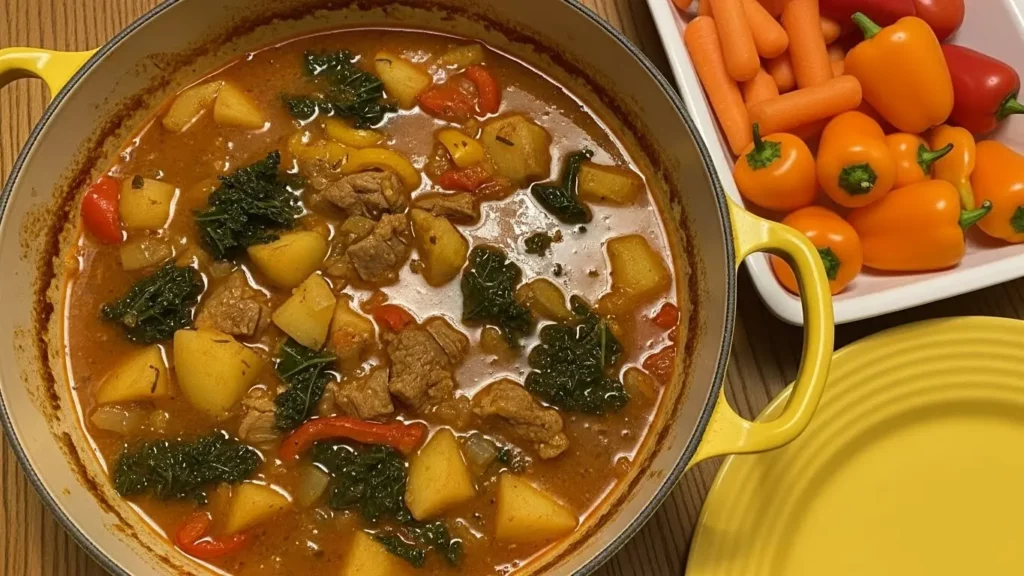
This soup is hearty enough to stand alone, but pairing it with the right sides takes the meal to the next level.
Pepper pot soup traditionally comes with rice or crusty bread for soaking up that incredible broth. I love serving it with coconut rice or plain white rice to balance the spices.
Perfect Accompaniments:
- Steamed white or brown rice
- Coconut rice for extra Caribbean flair
- Crusty sourdough bread or homemade biscuits
- Buttermilk Biscuit for a Southern twist
- Fried plantains on the side
- Simple green salad with lime vinaigrette
- Avocado toast as a lighter side
Variations to Try
Once you’ve mastered the basic recipe, these variations let you customize the soup to your tastes or use what you have available.
Protein Swaps:
- Use chicken thighs instead of beef for a lighter version (reduce cooking time to 45 minutes)
- Try pork shoulder for a different flavor profile
- Mix goat meat with beef for traditional Guyanese pepper pot
- Make it with salt beef for a more authentic Caribbean approach
- Add shrimp or fish in the last 10 minutes for a seafood version
Vegetable Variations:
- Substitute butternut squash for sweet potatoes
- Add dumplings (flour dumplings) in the last 20 minutes
- Include green plantains cut into chunks
- Add pumpkin or calabaza for Caribbean authenticity
- Throw in corn on the cob pieces for sweetness
Flavor Twists:
- Add a tablespoon of cassareep (cassava syrup) for authentic Guyanese flavor
- Stir in coconut milk for a creamier, less spicy version
- Add a splash of dark rum in the last 5 minutes for depth
- Use lamb instead of beef with extra rosemary
- Make it smoky by adding a small amount of liquid smoke
Read Also: Porcupine Meatballs Tomato Soup Recipe
Storage and Reheating
This soup actually tastes better the next day as the flavors continue to develop. Here’s how to store it properly for maximum freshness.
Storage Guidelines:
- Cool soup to room temperature before refrigerating (within 2 hours of cooking)
- Store in airtight containers in the refrigerator for up to 4 days
- The soup will thicken as it sits—add water or broth when reheating
- Freeze in portion-sized containers for up to 3 months
- Leave some headspace in containers before freezing as liquids expand
- Label containers with the date and contents
Reheating Instructions:
- Thaw frozen soup overnight in the refrigerator
- Reheat on the stovetop over medium-low heat, stirring occasionally
- Add a splash of water or broth if the soup has thickened too much
- Heat until steaming hot throughout (about 10-15 minutes from refrigerated)
- Microwave individual portions in 2-minute intervals, stirring between
- Avoid boiling during reheating as it can make vegetables mushy
- Add fresh herbs and a squeeze of lime after reheating for brightness
Nutritional Facts
Here’s the approximate nutritional breakdown per serving (based on 8 servings). Keep in mind these values will vary based on your specific ingredients and portion sizes.
Per Serving (approximately 2 cups):
- Calories: 385
- Total Fat: 12g
- Saturated Fat: 4g
- Cholesterol: 75mg
- Sodium: 850mg
- Total Carbohydrates: 38g
- Dietary Fiber: 6g
- Sugars: 7g
- Protein: 32g
- Vitamin A: 180% DV
- Vitamin C: 45% DV
- Calcium: 8% DV
- Iron: 25% DV
This soup provides a well-rounded meal with substantial protein, complex carbohydrates from root vegetables, and plenty of vitamins. The high fiber content helps you feel satisfied longer.
Health Benefits of Key Ingredients
Beyond being delicious, pepper pot soup packs serious nutritional value. Each ingredient contributes specific health benefits that make this more than just comfort food.
The combination of lean protein, fiber-rich vegetables, and anti-inflammatory spices creates a meal that nourishes your body while satisfying your taste buds.
Notable Health Benefits:
- Beef: Provides high-quality protein, iron, zinc, and B vitamins essential for energy production and immune function
- Sweet potatoes: Rich in beta-carotene, fiber, and vitamin C; supports eye health and immune system
- Cassava: Good source of resistant starch that feeds beneficial gut bacteria and helps regulate blood sugar
- Spinach: Loaded with iron, folate, and antioxidants; supports bone health and reduces inflammation
- Scotch bonnet peppers: Contain capsaicin which boosts metabolism, reduces inflammation, and may help with pain relief
- Garlic: Natural antibiotic properties, supports heart health, and may help lower blood pressure
- Thyme: Contains powerful antioxidants and has antimicrobial properties
Read Also: Chicken Soup Recipe
Frequently Asked Questions
1. Can I make pepper pot soup in a slow cooker?
Absolutely, and it works beautifully. Brown the meat and sauté the aromatics on the stovetop first, then transfer everything to your slow cooker. Cook on low for 6-8 hours or high for 4-5 hours, adding the greens in the last 30 minutes.
2. What can I substitute for cassava if I can’t find it?
White potatoes or taro root make good substitutes. You can also use additional sweet potatoes, though the texture will be slightly different. Some people use frozen yuca, which works well and is easier to find in most supermarkets.
3. How spicy is pepper pot soup, and can I make it milder?
The heat level is completely adjustable. For a mild version, use just one Scotch bonnet pepper left whole (don’t pierce or cut it), and remove it before serving. For medium heat, add two peppers pierced with a knife. For authentic Caribbean heat, chop 2-3 peppers finely.
4. Why is my pepper pot soup not thick enough?
Pepper pot naturally thickens from the starches in root vegetables. If yours is too thin, mash some of the cooked potatoes against the side of the pot to release more starch. You can also simmer it uncovered for 15-20 minutes to reduce the liquid, or add a slurry of 2 tablespoons cornstarch mixed with 3 tablespoons water.
5. Can I use chicken instead of beef in this recipe?
Yes, chicken works great, especially bone-in, skin-on thighs. The cooking time is shorter—you’ll only need to simmer for 45 minutes to an hour instead of 2 hours. The flavor will be lighter but still delicious, and you can boost it with a bit of chicken bouillon if needed.
Final Thoughts
This pepper pot soup recipe holds a special place in my kitchen rotation, especially during cooler months when I crave something warm and substantial. The way the spices meld with tender meat and hearty vegetables creates comfort in a bowl.
I hope you’ll give this recipe a try and experience the bold, warming flavors for yourself. Don’t be intimidated by the ingredients list—once you get started, it all comes together beautifully. Feel free to make it your own by adjusting the heat level or trying different vegetables.
I’d love to hear how your pepper pot turns out! Drop a comment below and let me know what you think, or share any variations you tried. Happy cooking!
Recommended:
- Crab Cake Recipe
- Chicken Fajita Recipe
- Meatloaf Recipe
- Egg Roll in a Bowl Recipe
- Roasted Potatoes Recipe
- Roasted Broccoli Recipe
- Baked Salmon Recipe
- Baked Cod Recipe
- Seafood Chowder Recipe
- Beef Stroganoff Recipe