Now I have all the sitemap links. Let me research the Italian penicillin soup before writing.I now have thorough research on Italian penicillin soup. Now let me write the full blog post. I have all the sitemap links I need. Let me write the article directly.
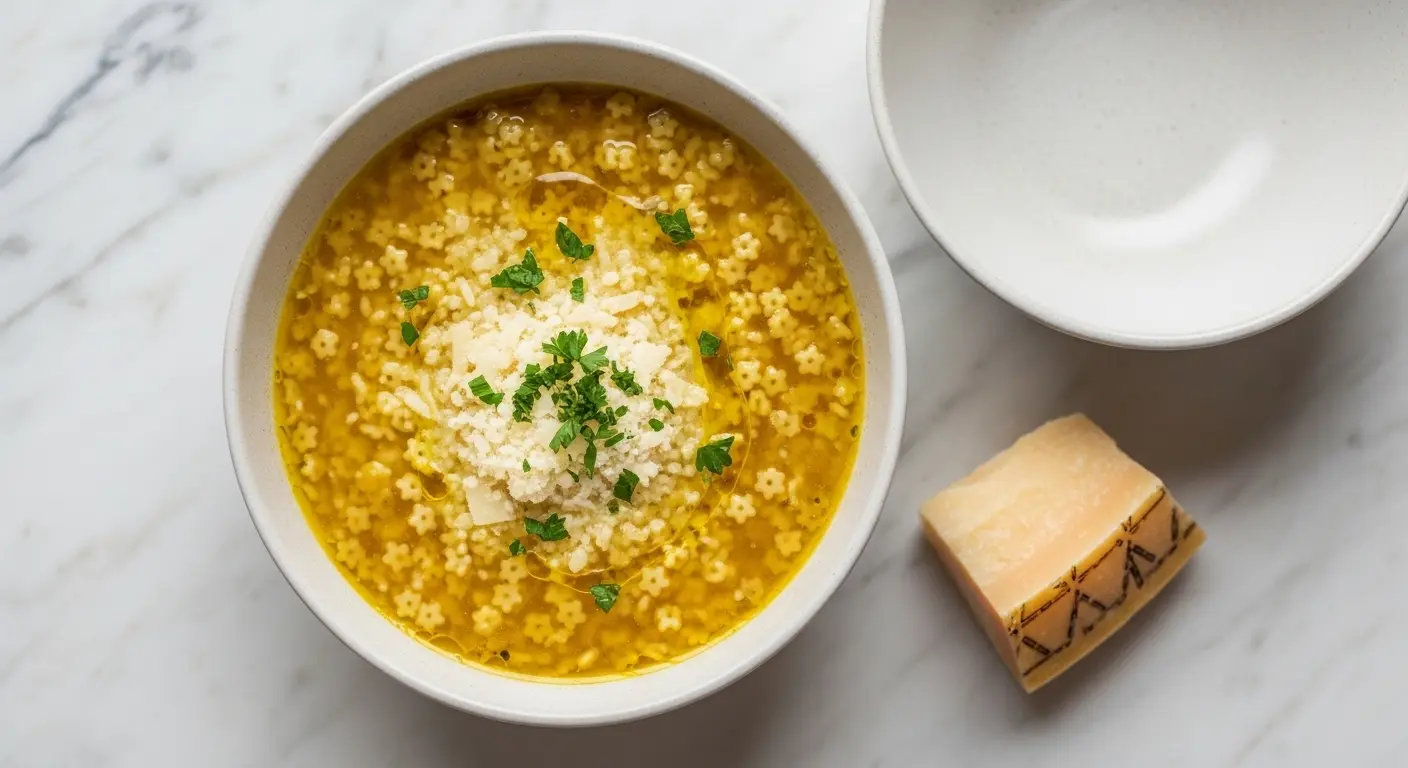
If you’ve been searching for the perfect Italian penicillin soup recipe, consider your quest officially over. This humble, golden bowl of goodness has been warming hearts (and clearing sinuses) for generations, and once you make it, you’ll understand exactly why Italian grandmothers have been prescribing it for centuries. Built on a silky, vegetable-pureed broth with tender shredded chicken and tiny star-shaped pastina pasta, this is the kind of soup that wraps you in a warm hug from the very first spoonful.
What sets Italian penicillin soup apart from your everyday chicken noodle soup is that velvety, porridge-like broth. The vegetables, mainly carrots, celery, onion, and garlic, are simmered low and slow in chicken broth alongside a Parmesan rind, then blended until completely smooth. That technique is the secret sauce, literally. The blended vegetables give the broth a gorgeous body and depth of flavor you simply cannot get from a standard soup.
The Parmesan rind is another ingredient you don’t want to skip. As it simmers in the broth, it releases savory, umami-rich compounds that transform what might otherwise be a simple vegetable broth into something that tastes deeply complex and slow-cooked, even if you only have an hour.
This soup is also incredibly forgiving and beginner-friendly. You don’t need to be a precise chopper because those vegetables are going into the blender anyway. A rough dice is perfectly fine. Whether you’re cooking for a sick family member, meal-prepping for a cozy week of lunches, or just craving something deeply nourishing, this recipe is always a good idea.
You might also enjoy this Lemon Chicken Orzo Soup if you love bright, Italian-inspired chicken soups.
Why You’ll Love This Italian Penicillin Soup Recipe
This soup has earned its legendary nickname for good reason. Italian grandmothers have been making versions of this recipe for centuries, and the fact that it’s still one of the most-searched comfort soups today says everything you need to know.
The texture is unlike any other soup in your rotation. Blending the vegetables directly into the broth creates a creamy, almost velvety consistency that coats a sore throat and soothes an upset stomach better than chunky soups ever could.
It comes together in under an hour with just one pot. That’s a major win on any weeknight, but especially when you’re not feeling your best and don’t want to deal with a sink full of dishes.
The flavor is genuinely complex despite being made with simple ingredients. The Parmesan rind trick infuses the broth with a savory depth that makes this taste like it simmered for hours.
Kids love it too. The smooth broth and tiny star pasta are incredibly appealing to little ones, and you can smuggle in a full pound of vegetables without them noticing.
- One pot, minimal cleanup
- Ready in under 60 minutes
- Kid-friendly and picky-eater approved
- Rich, velvety broth from pureed vegetables
- Naturally packed with immune-boosting ingredients
- Easily customizable to dietary needs
- Perfect for meal prep and freezes beautifully
Read Also: Minestrone Soup Recipe
Ingredients
Most of the ingredients in this soup are pantry and produce staples, making it one of those reliable recipes you can pull together without a special grocery trip. The Parmesan rind is the one item that requires a little planning, but many specialty grocers and Italian markets sell rinds separately.
- 2 tablespoons extra virgin olive oil
- 1 medium yellow onion, roughly chopped (about 1 cup / 150g)
- 3 stalks celery, roughly chopped
- 4 medium carrots, peeled and roughly chopped (about 1 lb / 450g)
- 6 garlic cloves, smashed
- 1 Parmesan rind (about 3-4 inches / 7-10cm)
- 8 cups (1.9 liters) low-sodium chicken broth
- 3 sprigs fresh thyme
- 2 sprigs fresh oregano
- 1 bay leaf
- 1 teaspoon salt, plus more to taste
- 1/2 teaspoon black pepper
- 1 cup (170g) pastina pasta (star-shaped; sub with acini de pepe or orzo)
- 2 cups (280g) shredded cooked chicken (rotisserie works great)
- 1 tablespoon fresh lemon juice (from about half a lemon)
- Freshly grated Parmigiano Reggiano, for serving
- Extra virgin olive oil, for drizzling (optional, but traditional)
- Fresh parsley, for garnish (optional)
For a vegetarian version, simply omit the chicken and use vegetable broth in place of chicken broth.
Read Also: Italian Wedding Soup Recipe
Kitchen Equipment Needed
You only need a handful of tools for this recipe, and the most important one is a good blender or immersion blender. An immersion blender is the easiest option since you can puree directly in the pot without having to transfer hot liquid to a separate appliance.
- Large Dutch oven or heavy-bottomed soup pot (6-8 quart / 5.7-7.5 liter)
- Immersion blender (or a high-speed countertop blender)
- Chef’s knife and cutting board
- Ladle
- Slotted spoon
- Measuring cups and spoons
- Box grater or microplane for Parmesan
If using a countertop blender, make sure it’s heat-safe and always leave the lid cracked slightly to allow steam to escape. Filling it too full with hot liquid can cause dangerous splashing.
This pairs beautifully with a warm slice of crusty bread, and the Cheesy Garlic Bread Recipe on the blog is a match made in heaven for this soup.
Recommended Products for This Recipe
These are a few products that genuinely make a difference in the quality and ease of this recipe. Each recommendation is based on real performance in the kitchen.
1. Ronzoni Pastina Star Pasta
Ronzoni’s stelline pasta is one of the most widely available pastina options in the US, and it cooks quickly and evenly in soups without turning to mush. The tiny star shape holds up beautifully in the golden broth and adds that classic Italian comfort food charm. If you can’t find it locally, ordering online is a great option.
2. All-Clad Stainless Steel Immersion Blender
An immersion blender is the single most important tool for this recipe, and All-Clad’s version is reliable, powerful, and easy to clean. It lets you puree the vegetables directly in the pot without transferring hot liquid, which saves time and reduces the risk of burns. A good immersion blender will serve you for years across countless soup and sauce recipes.
3. Le Creuset Enameled Cast Iron Dutch Oven
This Dutch oven distributes heat so evenly that your vegetables will never scorch on the bottom while sauteing, and the heavy lid traps in all that aromatic steam during the simmer phase. It’s an investment, but it’s the kind of pot that genuinely lasts a lifetime. The enamel interior also makes cleanup remarkably simple even after a rich, starchy soup like this one.
4. Parmigiano Reggiano Wedge
Freshly grated Parmigiano Reggiano tastes significantly better than pre-shredded Parmesan, and using a proper wedge also gives you the rind to simmer in the broth, which is one of the key flavor secrets in this recipe. Look for a wedge with the DOP stamp to ensure you’re getting the authentic Italian variety with its signature nutty, salty depth.
For more cozy one-pot Italian inspiration, check out this Pasta Fagioli Recipe.
Step-by-Step Instructions
Step 1: Prep Your Vegetables
- Peel and roughly chop the carrots into 1-2 inch (2.5-5cm) pieces. Since they’re going into the blender, you don’t need precise cuts.
- Roughly chop the celery into similar-sized chunks, including the leafy tops if they look fresh, since those add extra flavor to the broth.
- Peel and roughly chop the yellow onion into large wedges or chunks.
- Smash the 6 garlic cloves by pressing down on them firmly with the flat side of your chef’s knife. Remove the papery skin and discard it. Smashing rather than mincing garlic gives a slightly milder, more rounded flavor in soups.
- If your Parmesan rind is frozen (a common way to store them), no need to thaw. It will work just as well straight from the freezer.
Step 2: Sauté the Aromatics
- Heat a large Dutch oven or heavy-bottomed pot over medium heat.
- Add the 2 tablespoons of extra virgin olive oil and allow it to heat until it shimmers, about 1 minute.
- Add the chopped onion and celery to the pot. Stir to coat them in the oil.
- Sauté for 5-6 minutes, stirring occasionally, until the onion becomes translucent and starts to take on a light golden color at the edges. Don’t rush this step as it builds the foundation of flavor.
- Add the smashed garlic cloves and stir well. Continue cooking for another 1-2 minutes, stirring frequently, until the garlic is fragrant. Scrape the bottom of the pan if anything starts to stick.
Step 3: Build the Broth
- Add the chopped carrots to the pot and stir everything together.
- Pour in the 8 cups (1.9 liters) of low-sodium chicken broth.
- Drop in the Parmesan rind, the 3 sprigs of fresh thyme, the 2 sprigs of fresh oregano, the bay leaf, 1 teaspoon of salt, and 1/2 teaspoon of black pepper.
- Stir everything together gently. The Parmesan rind will sink to the bottom, which is fine.
- Increase the heat to high and bring the broth to a full boil, which should take about 8-10 minutes.
Step 4: Simmer Until Vegetables Are Very Tender
- Once the broth reaches a boil, reduce the heat to medium-low.
- Allow the soup to simmer uncovered for 20-25 minutes, or until the carrots are completely soft and can be easily pierced with a fork. You want them very tender, not just cooked through, because they need to blend into a completely smooth puree.
- Stir the soup occasionally during this time to prevent any sticking at the bottom.
- About 5 minutes before you plan to blend, taste the broth and adjust salt if needed.
Step 5: Remove the Herbs and Parmesan Rind
- Using tongs or a slotted spoon, fish out and discard the Parmesan rind. It will have softened significantly and may have expanded in size.
- Remove and discard the thyme sprigs, oregano sprigs, and bay leaf. The leaves may have fallen off into the broth, which is perfectly fine and actually desirable.
Step 6: Puree the Vegetables Into the Broth
- If using an immersion blender: Lower it into the pot and blend directly in the pot until the vegetables are completely smooth and the broth takes on a thick, velvety consistency. Move the blender around the entire pot to make sure all the vegetables are incorporated. This should take 1-2 minutes.
- If using a countertop blender: Use a ladle to transfer the cooked vegetables and some broth to the blender. Fill it no more than halfway to prevent hot liquid from exploding out. Crack the lid slightly to allow steam to escape and cover it with a folded kitchen towel for safety. Blend until completely smooth, then pour the blended mixture back into the pot. Repeat in batches until all vegetables are pureed.
- The broth should now look like a beautiful, thick golden liquid. Stir it well to incorporate everything.
Step 7: Cook the Pastina Directly in the Broth
- Increase the heat to medium and bring the pureed broth back to a gentle boil.
- Add the 1 cup (170g) of pastina pasta directly into the pot.
- Cook, stirring frequently, for 5-7 minutes or until the pasta is just tender. Pastina absorbs liquid very quickly and will thicken the soup considerably as it cooks. Stir often to prevent it from sticking to the bottom of the pot.
- Note: If you plan to store leftovers, cook the pastina separately and add it to individual bowls at serving time to prevent it from absorbing all the broth overnight.
Step 8: Add the Chicken and Lemon Juice
- Add the 2 cups (280g) of shredded cooked chicken to the pot and stir to combine.
- Allow the chicken to warm through in the broth for about 2-3 minutes over medium-low heat.
- Squeeze in the 1 tablespoon of fresh lemon juice and stir well. Taste the soup again at this point and adjust salt and pepper as needed. The lemon juice is subtle but it brightens all the other flavors beautifully.
Step 9: Serve and Garnish
- Ladle the soup into bowls.
- Top each bowl with a generous amount of freshly grated Parmigiano Reggiano.
- Add a light drizzle of your best extra virgin olive oil over the top. This is a traditional Italian finishing touch that adds richness and complexity.
- Garnish with a little fresh chopped parsley if desired.
- Serve immediately while hot, with crusty bread on the side for dipping.
Another cozy Italian soup to add to your rotation: Zuppa Toscana Recipe.
Tips for Success
Getting this soup exactly right comes down to a few key techniques that experienced home cooks rely on. These tips will take your Italian penicillin soup from good to absolutely unforgettable.
- Don’t skip the Parmesan rind. This one ingredient is what elevates the broth from ordinary to extraordinary. It adds a deep savory umami richness that is genuinely irreplaceable. If you don’t have one, check your grocery store’s cheese section or specialty Italian market, as many sell rinds separately.
- Cook the vegetables until they are very soft. This is not a soup where you want vegetables with a little bite. They need to be completely tender so they blend into a silky, lump-free puree. Test them by mashing a piece of carrot against the side of the pot with a spoon.
- Stir the pastina constantly while it cooks. Pastina absorbs liquid very quickly and will stick to the bottom of the pot if left unattended. Keep stirring every 30-60 seconds during its cooking time.
- Add lemon juice at the end, not the beginning. Fresh lemon juice added early in the cooking process loses its brightness. Adding it right at the end gives the soup a fresh, zingy lift that balances the richness of the broth.
- Cook pastina separately if meal prepping. If you know you’ll have leftovers, cook the pasta in a separate pot and add it to individual bowls at serving time. Pastina stored in the soup overnight will absorb almost all the liquid and turn mushy.
- Use low-sodium chicken broth. The Parmesan rind and the natural saltiness of the vegetables add significant salt to the broth as it simmers. Starting with a low-sodium base gives you control over the final seasoning.
- Rotisserie chicken is your best friend here. It’s already cooked, seasoned, and incredibly easy to shred. Using it saves at least 30 minutes compared to cooking chicken from scratch.
You might also love these tips applied to Chicken Rice Soup for another quick weeknight comfort meal.
Serving Suggestions
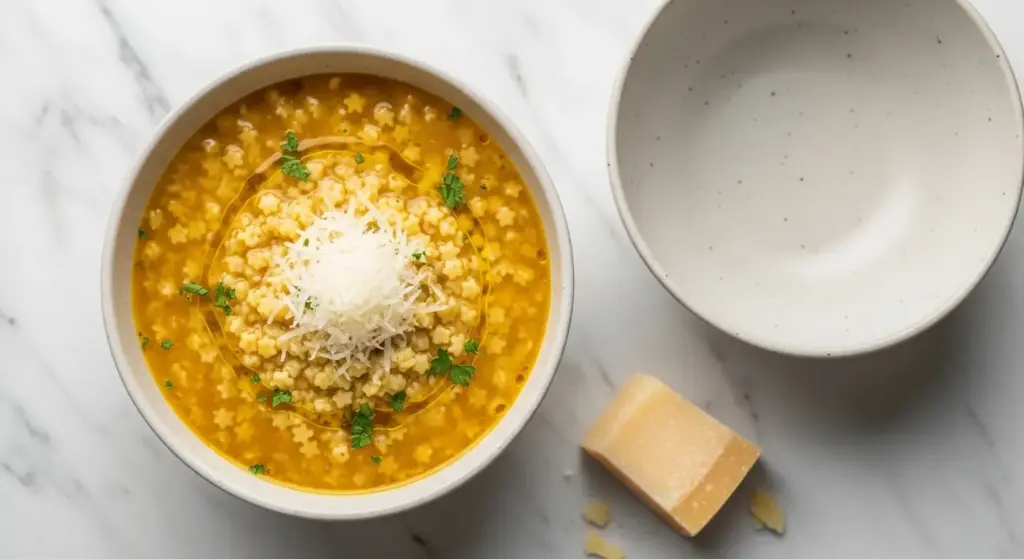
Italian penicillin soup is satisfying enough to stand completely on its own, but pairing it with the right sides turns it into a full, cozy meal that feels like a special occasion even on a Tuesday night.
Crusty Italian bread or a good sourdough loaf is the most classic companion. Tearing off a thick slice and dragging it through that golden, velvety broth is one of life’s great simple pleasures.
A light, crisp green salad with a bright lemon vinaigrette provides a nice contrast to the richness of the soup without feeling heavy.
- Crusty bread or Cheesy Garlic Bread
- Simple arugula salad with lemon dressing
- Classic Bruschetta as a light starter
- A glass of light Italian white wine such as Pinot Grigio
- Extra freshly grated Parmesan and good olive oil at the table for drizzling
For even more pairing ideas, this Chicken Bruschetta makes a wonderful Italian-themed meal alongside the soup.
Variations to Try
One of the best things about Italian penicillin soup is how easily it adapts to different tastes, dietary needs, and pantry situations. The core technique stays the same, but the details can be swapped around endlessly.
- Vegetarian version: Replace the chicken broth with a rich vegetable broth and omit the shredded chicken entirely. The vegetable-pureed broth is so flavorful that you won’t miss the meat.
- Add turmeric and ginger: For an extra immunity-boosting version, add 1 teaspoon of ground turmeric and 1 teaspoon of freshly grated ginger to the broth while it simmers. It gives the soup an even deeper golden color and adds anti-inflammatory properties.
- Spicy version: Add a halved jalapeño or serrano pepper to the pot while the vegetables simmer, or stir in a generous pinch of red pepper flakes at the end.
- Add spinach or kale: Stir in a large handful of fresh baby spinach or chopped kale at the very end, right after adding the chicken. It wilts almost instantly and adds both color and nutritional value.
- Swap the pasta: If pastina is hard to find, use orzo, acini de pepe, ditalini, or even stelline (mini star-shaped pasta). Just be aware that cook times will vary slightly by shape.
- Whole chicken method: For an incredibly rich, deep broth, simmer a whole chicken (or bone-in chicken pieces) directly in the broth for 45 minutes to an hour before removing the chicken, shredding the meat, and proceeding with the recipe.
- Add a squeeze of fresh orange juice: A little unconventional, but a small splash of fresh orange juice at the end adds a gorgeous citrusy brightness that complements the carrots beautifully.
For another delicious Italian-inspired soup variation, try this Lasagna Soup Recipe.
Storage and Reheating
This soup stores well and may actually taste even better the next day as the flavors continue to meld. The key is managing the pasta separately to keep the texture ideal.
- Refrigerator: Store leftover soup in an airtight container in the refrigerator for up to 4 days. If the pasta is already mixed in, the soup will thicken significantly as the pastina absorbs more liquid.
- Freezer: The broth (without pasta) freezes beautifully for up to 3 months. Store it in a freezer-safe container and add freshly cooked pastina when reheating.
- Reheating on the stovetop: Add the soup to a pot over medium heat and warm, stirring frequently, until hot. Add a splash of chicken broth or water to thin it if it has thickened too much.
- Reheating in the microwave: Transfer a single portion to a microwave-safe bowl and heat in 1-minute intervals, stirring between each, until heated through.
- Pro tip: If you know you’ll have leftovers, store the broth and pasta separately. Cook a fresh small batch of pastina to add when reheating so the texture stays perfect.
Read Also: Chicken Gnocchi Soup Recipe
Nutritional Facts
The following nutritional information is estimated per serving based on this recipe divided into 6 servings. Values may vary depending on specific brands used and exact portion sizes.
| Nutrient | Per Serving |
|---|---|
| Calories | ~295 kcal |
| Carbohydrates | ~38g |
| Protein | ~18g |
| Fat | ~8g |
| Saturated Fat | ~2g |
| Fiber | ~3g |
| Sugar | ~5g |
| Sodium | ~680mg |
| Vitamin A | ~7,200 IU |
| Vitamin C | ~8mg |
| Calcium | ~95mg |
| Iron | ~2mg |
This soup is relatively low in calories while being high in protein and complex carbohydrates, making it a nutritionally well-rounded meal. The pureed vegetables add significant fiber and micronutrients without adding many calories.
Another nutritious, satisfying soup worth bookmarking: Chicken Vegetable Soup.
Health Benefits of Key Ingredients
This soup’s nickname isn’t just charming folklore. The ingredients in Italian penicillin soup have genuine, well-documented immune-supporting and anti-inflammatory properties that make it a genuinely therapeutic food.
Every bowl delivers a meaningful dose of vitamins, minerals, and plant compounds that support your body when it needs it most.
- Garlic: The active compound allicin in garlic has demonstrated antiviral and antimicrobial properties in multiple studies, making it one of the most powerful natural immune boosters in the kitchen.
- Carrots: Rich in beta-carotene, which the body converts to Vitamin A, carrots support immune function and respiratory health. They also contain a water-soluble fiber shown to enhance immune cell responsiveness.
- Celery: Packed with antioxidants and compounds that help reduce inflammation and neutralize free radicals throughout the body.
- Onion: Contains quercetin and other flavonoids that have demonstrated therapeutic value in managing oxidative stress and supporting immune regulation.
- Chicken broth: Rich in electrolytes and glycine from the collagen in chicken bones, which supports gut health and has anti-inflammatory properties. The steam from hot broth can also help clear nasal passages.
- Lemon juice: A good source of Vitamin C, which is essential for immune function and helps the body absorb iron more efficiently.
- Parmesan cheese: Provides calcium and protein, and adds beneficial probiotics if it’s an aged, authentic variety.
- Olive oil: High in oleocanthal, a compound with anti-inflammatory properties similar to ibuprofen at high enough doses.
For another soup that prioritizes healing, nourishing ingredients, try this Matzo Ball Soup, the classic Jewish answer to the same idea.
Frequently Asked Questions
1. What exactly is pastina, and can I substitute it?
Pastina simply means “small pasta” in Italian. It refers to any tiny pasta shape under a quarter inch in size. The most iconic variety is stelline, the tiny star-shaped pasta that’s become synonymous with this soup. If you can’t find stelline or pastina labeled as such, you can substitute acini de pepe (tiny round beads), orzo, ditalini, or even small alphabet pasta. Just note that different shapes may have slightly different cook times, so taste as you go rather than relying strictly on the package instructions.
2. Can I make this soup without a blender?
You can, though the texture will be quite different. Without blending, this becomes a more traditional brothy chicken noodle-style soup with chunky vegetables. It will still taste wonderful, just lighter and less creamy. If you want something in between, you can blend only half the vegetables and leave the other half in chunks for a chunkier-creamy hybrid texture.
3. Why is it called Italian penicillin soup?
The name is a loving nod to penicillin, the antibiotic, because generations of Italian grandmothers used this soup as their go-to remedy for sick family members. In Italy, particularly in the south, pastina soup was (and still is) considered the first food given to children when they’re unwell. It’s gentle on the stomach, easy to eat even with a sore throat, warming, and packed with nourishing ingredients. The name reflects the belief that this soup could cure just about anything, and while it’s not medicine, the sentiment is completely understandable.
4. Can I make this soup ahead of time for a party or dinner?
Absolutely. The broth actually improves overnight as the flavors meld and deepen. Make the entire soup up to the point of adding the pastina, then refrigerate the broth. When ready to serve, reheat the broth over medium heat, cook the pastina fresh directly in the broth, add the shredded chicken, and serve. This approach gives you the best texture and prevents the pasta from absorbing too much liquid during storage.
5. Is this soup gluten-free?
The soup itself, meaning the broth, vegetables, and chicken, is naturally gluten-free. The only ingredient that contains gluten is the pastina pasta. To make the full soup gluten-free, swap the regular pastina for a certified gluten-free small pasta such as Jovial’s brown rice stelline or any other gluten-free small pasta shape. Check the label on your chicken broth as well, since some store-bought broths contain additives that include gluten.
For another comforting soup that’s easy to adapt, check out the Avgolemono Soup Recipe, the Greek answer to comfort-in-a-bowl.
Final Thoughts
Italian penicillin soup is exactly the kind of recipe that reminds you why simple food made with good ingredients is almost always the most satisfying. It doesn’t ask for much, but it gives back enormously in flavor, warmth, and comfort.
Making it for someone you love when they’re not feeling well is one of the nicest things you can do for them.
If you try this recipe, I’d love to hear how it turned out! Drop a comment below and let me know if you made any swaps or added your own twist. And if you made someone feel better with a bowl of this golden, velvety goodness, that’s a story worth sharing too.
Recommended:
- Chicken Soup Recipe
- Chicken Tortilla Soup
- Loaded Potato Soup
- Turkey Barley Soup
- Kale Soup
- Spinach Soup
- Baked Potato Soup
- Stuffed Pepper Soup
- Ham and Bean Soup
- Vegetable Soup