If you’ve ever sung “We Wish You a Merry Christmas” and wondered what on earth a figgy pudding recipe actually looks like, you’re not alone.
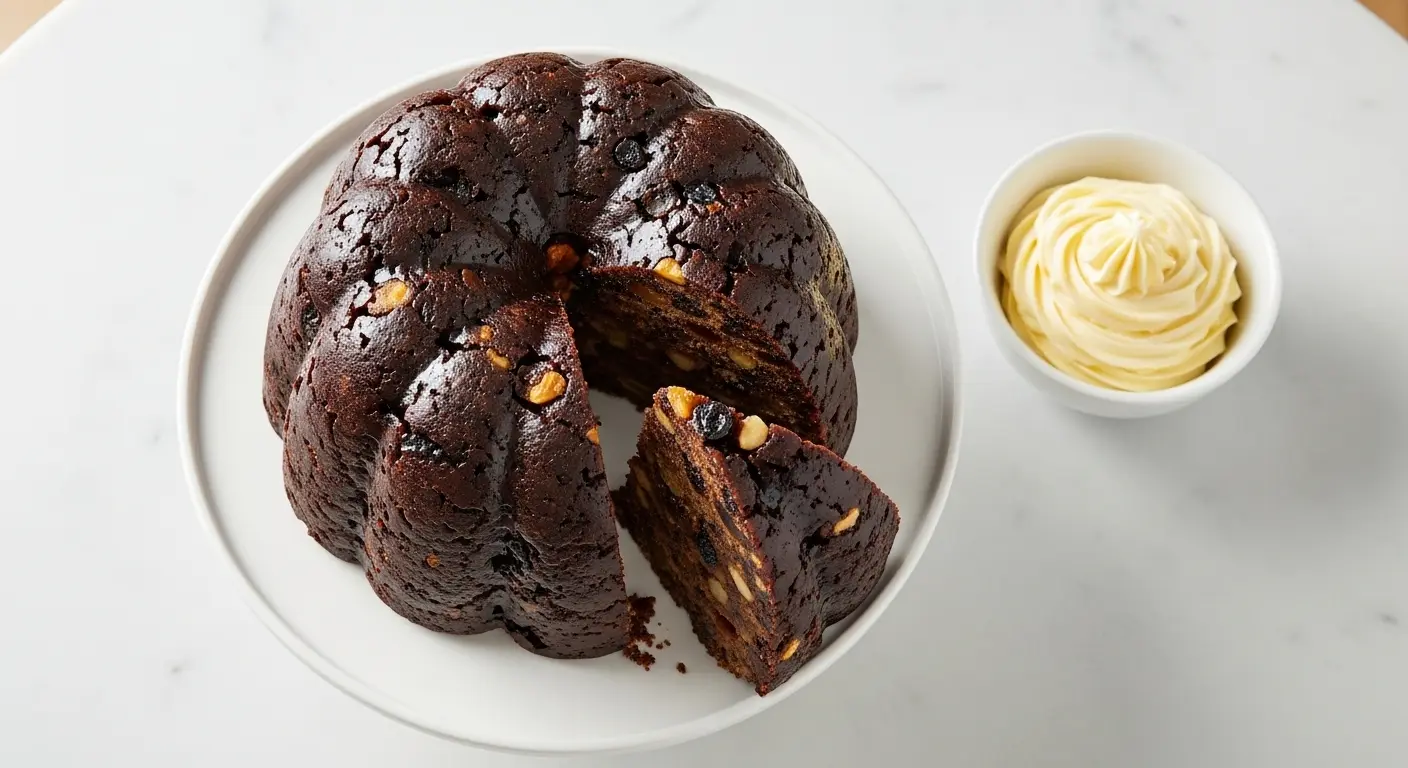
This centuries-old British dessert is rich, dense, and packed with spiced dried fruit, all steamed to perfection in a pudding mold. It’s nothing like the creamy cups of pudding you might be picturing.
Think of it more like a deeply flavored, moist steamed cake soaked in brandy, fragrant with warm spices, and traditionally flamed at the table before serving. It’s theatrical, it’s festive, and it genuinely tastes like Christmas.
The word “figgy” doesn’t just refer to figs. In old English tradition, it was a loose term for any dried fruit. Modern versions typically blend dried figs with raisins, currants, and golden sultanas for a complex, jammy sweetness.
This recipe takes the classic approach: steamed in a pudding basin over a gentle water bath, made with breadcrumbs for lightness, warmed spices for depth, and a splash of brandy that perfumes the whole pudding beautifully.
The flavor actually improves over time, so making it a few days ahead is not just allowed, it’s encouraged. Serve it warm with brandy butter, custard, or a scoop of vanilla ice cream for a dessert that will genuinely stop the table.
Why You’ll Love This Figgy Pudding Recipe
This is not a difficult recipe, and the results are nothing short of spectacular.
The combination of dried figs, raisins, currants, and golden sultanas creates layers of sweetness that no single fruit could achieve on its own.
Fresh breadcrumbs are the secret weapon here. They absorb the butter and juices from the fruit, keeping the pudding moist all the way through without making it heavy.
Steaming is the traditional method and it works beautifully. It keeps the heat gentle and even, so you end up with a tender, uniform texture rather than a dry, overbaked center.
The warming spices, including cinnamon, nutmeg, and mixed spice, bring everything together into that unmistakable holiday aroma that fills your kitchen.
It makes ahead brilliantly. You can prepare it days or even weeks in advance, and the flavor gets richer and more complex the longer it sits.
Flaming it with brandy at the table is completely optional, but if you want to make an impression at Christmas dinner, there’s nothing quite like it.
- Rich, deeply spiced flavor from a blend of dried fruits and warming spices
- Moist, dense texture thanks to fresh breadcrumbs and proper steaming
- Naturally make-ahead, improving in flavor over days or weeks
- A stunning centerpiece dessert with a dramatic optional flambé presentation
- Served with brandy butter or custard for a fully traditional British Christmas experience
- Genuinely beginner-friendly once you understand the steaming method
You might also enjoy: Sticky Toffee Pudding
Ingredients
The ingredient list here is generous, but every single element earns its place. The dried fruit mixture is what drives the flavor, so use good-quality fruit for the best results.
- 1 cup (150g) dried mission figs, stems removed and finely chopped
- ¾ cup (120g) raisins
- ½ cup (80g) golden sultanas (golden raisins)
- ¼ cup (40g) currants
- ½ cup (120ml) brandy, plus extra for storing (substitute dark rum if preferred)
- 2 tablespoons (30g) finely chopped candied orange peel
- 1 cup (100g) fresh white breadcrumbs (from about 3 slices of white bread, processed)
- ½ cup (65g) all-purpose flour
- ½ cup (100g) dark brown sugar, packed
- 1 tablespoon (15ml) molasses or black treacle
- ½ cup (115g) unsalted butter, softened, plus extra for greasing
- 2 large eggs
- 1 teaspoon ground cinnamon
- ½ teaspoon ground nutmeg
- ½ teaspoon mixed spice (or substitute ¼ tsp allspice + ¼ tsp ground ginger)
- ¼ teaspoon ground cloves
- ¼ teaspoon fine salt
- 1 teaspoon baking powder
- Zest of 1 orange
- 2 tablespoons finely chopped walnuts or almonds (optional)
Read Also: Bread Pudding Recipe
Kitchen Equipment Needed
You don’t need any specialist equipment beyond a pudding basin, which is a deep, heat-safe ceramic bowl. A standard Bundt pan or an oven-safe bowl also works well if you don’t have one.
- 2-quart pudding basin or pudding mold (or a Bundt pan as a substitute)
- Large stockpot or deep roasting pan with a lid (for steaming)
- Trivet or steaming rack (to elevate the mold inside the pot)
- Stand mixer or hand mixer (or a large bowl and wooden spoon)
- Medium mixing bowls
- Microplane zester or fine grater
- Sharp knife and cutting board
- Aluminum foil (for sealing the mold)
- Kitchen string or rubber bands (to secure foil over mold)
- Measuring cups and spoons
For a lighter option, try: Yorkshire Pudding Recipe
Recommended Products for This Recipe
These are products I genuinely recommend based on quality and performance. They can make a real difference in how your pudding turns out.
1. Wilton 6-Cup Aluminum Bundt Pan
If you don’t own a traditional pudding basin, a Bundt pan is the next best thing. Its deep, round shape creates the classic domed presentation you want for figgy pudding, and aluminum conducts heat evenly for consistent steaming results. It’s also incredibly easy to clean.
2. Lyle’s Black Treacle
Black treacle is the ingredient that gives traditional figgy pudding its deep, almost bittersweet richness. Regular molasses is a decent substitute, but Lyle’s has a uniquely complex flavor that American molasses can’t quite match. A little goes a long way and transforms the whole pudding.
3. British Mixed Spice Blend
Mixed spice is a traditional British spice blend used in puddings, cakes, and Christmas baked goods. It typically combines coriander, cassia, caraway, nutmeg, ginger, and cloves. Using the real blend rather than improvising with individual spices gives you the most authentic flavor in a single step.
4. Sun-Maid California Dried Black Mission Figs
The quality of your dried figs matters enormously in this recipe. Sun-Maid Mission Figs are consistently moist, plump, and deeply sweet, which means your pudding will have better texture and flavor from the start. Dry, shriveled figs will produce a drier, less flavorful result.
5. Courvoisier VS Cognac Brandy
A good brandy does double duty in this recipe. It soaks the fruit beautifully before mixing, and it also preserves the finished pudding so it can be made weeks in advance. You don’t need anything expensive, but using a real cognac-style brandy rather than a cooking brandy gives you noticeably better flavor throughout.
Read Also: Malva Pudding Recipe
Step-by-Step Instructions
Step 1: Soak the Dried Fruit
This step is essential and cannot be skipped. Soaking the fruit overnight in brandy plumps the dried fruits, deepens their flavor, and keeps the finished pudding moist.
- Combine the chopped dried figs, raisins, golden sultanas, and currants in a large mixing bowl.
- Pour the ½ cup (120ml) of brandy over the fruit and stir to combine evenly.
- Cover the bowl tightly with plastic wrap or a plate.
- Allow the fruit to soak at room temperature for at least 8 hours, or ideally overnight. The fruit should absorb most of the brandy by morning.
- Stir the mixture once or twice if you think of it, ensuring all the fruit gets contact with the liquid.
Step 2: Prepare the Pudding Mold and Equipment
Getting your setup ready before you mix the batter saves time and prevents the batter from sitting while you scramble for equipment.
- Generously grease the inside of your 2-quart pudding basin or Bundt pan with softened butter, making sure to coat every curve and corner.
- Cut a circle of parchment paper to fit the bottom of the mold and press it in place, then butter the parchment as well. This ensures the pudding releases cleanly.
- Cut a large square of aluminum foil (about 16 inches / 40cm) and set it aside. You’ll use this to cover the mold before steaming.
- Place your trivet or steaming rack inside your large stockpot or roasting pan.
- Fill the pot with enough water to come about one-third of the way up the sides of the mold when placed inside, then bring the water to a simmer over medium heat. Keep it warm while you mix the batter.
Step 3: Mix the Dry Ingredients
Mixing the dry ingredients separately ensures the spices, salt, and baking powder distribute evenly throughout the batter before the wet ingredients go in.
- In a medium mixing bowl, combine the all-purpose flour, dark brown sugar, fresh breadcrumbs, cinnamon, nutmeg, mixed spice, ground cloves, salt, and baking powder.
- Whisk everything together well until there are no clumps of brown sugar remaining.
- Set the bowl aside until you need it.
Step 4: Cream the Butter and Add Wet Ingredients
Properly creaming the butter creates a light, even base that helps the pudding rise gently and keeps the texture tender.
- In a large mixing bowl or the bowl of a stand mixer, beat the softened butter on medium speed for about 2 minutes until it is pale and creamy.
- Add the molasses or black treacle and the orange zest to the butter and beat again for another 30 seconds until well combined. The mixture will look dark and rich.
- Add the eggs one at a time, beating well after each addition. The mixture may look slightly curdled at this point, but don’t worry. It will come together once the dry ingredients are added.
Step 5: Combine Everything
This is where all your components come together into the finished batter. Work gently to avoid overworking the flour.
- Add the dry ingredient mixture to the butter mixture in two additions, folding gently with a spatula or mixing on the lowest speed between additions.
- Add the soaked fruit along with any remaining brandy that hasn’t been absorbed. Fold it in until evenly distributed throughout the batter.
- Stir in the candied orange peel and the chopped walnuts or almonds, if using.
- The finished batter should be thick, dark, and deeply fragrant. Taste it carefully. It should taste intensely spiced and fruity.
Step 6: Fill the Mold and Seal
Filling and sealing the mold properly is critical. If steam gets into the pudding while it cooks, it can waterlog the top layer. A tight foil seal prevents this.
- Spoon the batter into your prepared pudding mold. Use the back of a spoon to press it down and smooth the top, eliminating any large air pockets.
- Fill the mold to within about 1 inch (2.5cm) of the top. The pudding will rise slightly as it steams, so leave room for expansion.
- Take your large square of aluminum foil and fold a 1-inch (2.5cm) pleat across the center. This pleat allows the foil to expand if the pudding puffs up during steaming.
- Place the foil, pleated side up, over the top of the mold and press it tightly around the edges.
- Secure the foil firmly with kitchen string tied around the rim of the basin. If using a Bundt pan, wrap the foil very tightly and use rubber bands to hold it in place.
- Create a string handle by tying a loop across the top of the mold if using a traditional basin. This makes it much easier and safer to lift the hot mold in and out of the boiling water.
Step 7: Steam the Pudding
The steaming process is long but low-maintenance. The most important thing is to check the water level every 45 minutes and top it up as needed with boiling water.
- Carefully lower the sealed mold onto the trivet inside the simmering pot of water.
- The water should come about one-third of the way up the sides of the mold, but must not touch the foil seal.
- Bring the water back up to a steady, active simmer over medium heat. You should see steam rising from the pot.
- Place the lid on the pot, leaving it slightly ajar to release excess steam pressure.
- Steam the pudding for 5 to 6 hours, checking the water level every 45 minutes and topping it up with boiling water from a kettle when needed. Never add cold water as this will shock the temperature and slow cooking dramatically.
- The pudding is ready when a skewer inserted through the foil into the center comes out clean, with no wet batter clinging to it.
Step 8: Cool, Unmold, and Store
Letting the pudding cool completely before unmolding prevents it from crumbling. The longer you store it, the better it tastes.
- Carefully remove the mold from the pot using oven mitts or the string handle.
- Allow the pudding to cool completely inside the mold. This takes at least 2 to 3 hours.
- Once completely cool, remove the foil and run a thin knife around the edge of the pudding to loosen it.
- Invert the mold onto a wire rack. The pudding should release cleanly. If it sticks, gently press on the sides of the mold and try again.
- Once unmolded, pierce the top and sides of the pudding all over with a skewer or toothpick.
- Brush or drizzle 2 to 3 tablespoons of brandy over the entire surface of the pudding. This acts as both a flavor boost and a natural preservative.
- Wrap the pudding tightly in a double layer of parchment paper, followed by a layer of aluminum foil.
- Store in a cool, dark place for at least 24 hours before serving, though waiting 1 to 4 weeks produces a vastly superior result.
Step 9: Reheat and Serve
Figgy pudding is always served warm. The reheating process is straightforward and takes about 2 hours if steaming again.
- To reheat, return the wrapped pudding to the pudding mold (or simply wrap it tightly in foil), place it on the trivet, and steam for 2 hours with the pot lid on.
- Alternatively, microwave individual slices on medium power for 45 to 60 seconds until hot throughout.
- To flame the pudding for a dramatic presentation, warm 3 to 4 tablespoons of brandy in a small saucepan over low heat until just warm (do not boil). Pour the warm brandy over the hot pudding, then use a long match or lighter to ignite it. The flame will burn for 30 to 60 seconds and then go out naturally. Stand back when lighting and keep hair and loose clothing away from the flame.
- Slice and serve immediately with brandy butter, warm vanilla custard, or whipped cream.
Read Also: Spotted Dick Recipe
Tips for Success
Small technique details make a significant difference in a recipe like this, where long cooking times amplify any mistakes.
- Soak the fruit properly. Overnight soaking is not optional for the best result. Fruit that hasn’t been properly hydrated will pull moisture out of the pudding as it steams, leaving you with a dry, grainy texture.
- Use fresh breadcrumbs, not dried. Fresh white breadcrumbs keep the pudding light and moist. Dried breadcrumbs absorb too much liquid and create a denser, chewier texture.
- Maintain a steady simmer, not a boil. Too vigorous a boil can cause the water to splash inside the foil seal, making the top of the pudding waterlogged. A gentle, active simmer is exactly what you want.
- Keep a kettle of boiling water nearby. Check the water level every 45 minutes and top up with boiling water only. Cold water added to the pot can crack a cold pudding basin and dramatically extends your cooking time.
- Make it ahead. A pudding made 2 to 4 weeks in advance and stored properly is noticeably more flavorful and moist than one made the same day. The brandy and fruit flavors meld and deepen over time.
- Don’t skip the brandy brushing. Feeding the cooled pudding with a drizzle of extra brandy before storing preserves moisture and adds another layer of flavor to the finished dessert.
This technique works wonderfully in our Bread Pudding Recipe as well, if you enjoy warm, spiced baked desserts.
Serving Suggestions
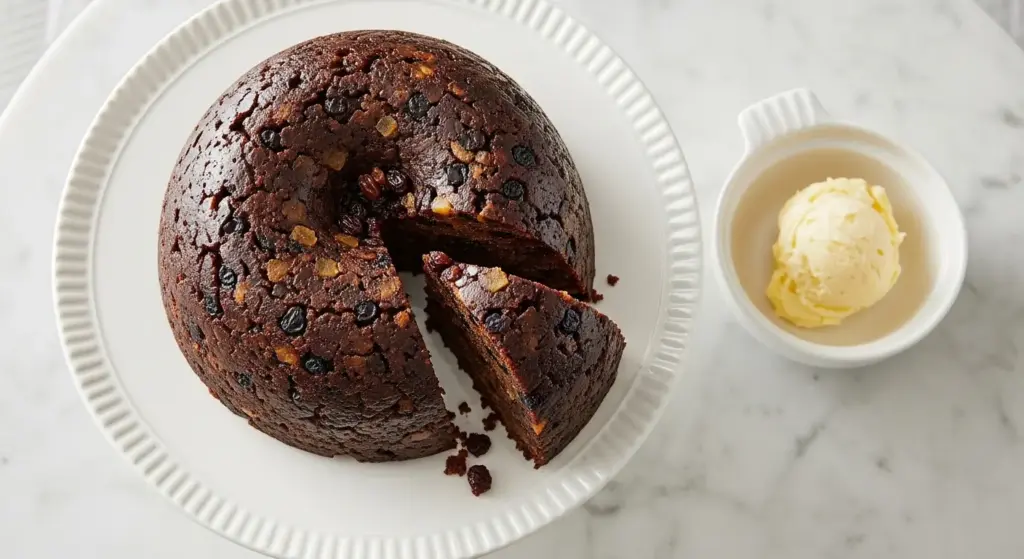
Figgy pudding is traditionally served warm at the table, ideally flamed with brandy for a stunning visual moment before slicing. The classic British accompaniments are what really elevate it from good to unforgettable.
Brandy butter is the most traditional pairing. Made by beating softened butter with powdered sugar and a generous splash of brandy, it melts over the warm pudding into a rich, creamy sauce that complements the spiced fruit perfectly.
Warm poured custard is equally traditional and works beautifully for those who prefer something lighter and less sweet than brandy butter.
- Brandy butter for the most authentic British Christmas experience
- Warm vanilla custard or creme anglaise poured generously over each slice
- Freshly whipped double cream with a dusting of nutmeg on top
- Vanilla ice cream for a warm-and-cold contrast that works wonderfully
- A drizzle of caramel sauce for extra richness alongside the fruit notes
- Fresh or macerated figs as an elegant garnish that reinforces the flavor of the pudding
Looking for another indulgent holiday dessert? Try this classic Eggnog alongside your pudding spread.
Variations to Try
The classic recipe is wonderful as written, but there are several well-loved variations worth exploring once you’ve made the original.
- Alcohol-free version: Replace the brandy with the same amount of strong black tea, apple juice, or orange juice. The pudding will need to be stored in the fridge and consumed within a week since the brandy is no longer there as a preservative.
- Plum pudding: The terms figgy pudding and plum pudding are often used interchangeably. A traditional plum pudding uses prunes (historically called “plums”) instead of, or in addition to, figs for a deeper, more jammy flavor.
- Dark rum version: Swap the brandy for good-quality dark rum, such as Jamaican rum. It adds a distinctly warm, molasses-forward note that pairs incredibly well with the brown sugar and mixed spice.
- Gluten-free adaptation: Substitute the all-purpose flour with a 1:1 gluten-free baking flour blend and use gluten-free breadcrumbs. The texture will be very slightly different but still excellent.
- Chocolate figgy pudding: Add 2 tablespoons of good-quality cocoa powder to the dry ingredient mixture for a subtle chocolate undertone that works beautifully with the dried fruit.
You might also enjoy: Fruitcake Recipe
Storage and Reheating
One of the best things about this recipe is that it stores remarkably well and actually improves over time, making it the ultimate make-ahead Christmas dessert.
- At room temperature: After the pudding has been cooled, brushed with brandy, and wrapped tightly in parchment and foil, it can be stored in a cool, dark place (such as a pantry or cupboard) for up to 4 weeks. Check it occasionally and give it another small brandy drizzle every week or so for the best results.
- In the refrigerator: Wrap tightly and store for up to 3 months. Bring to room temperature before reheating.
- In the freezer: Wrapped in double parchment and foil, the pudding freezes well for up to 12 months.
- Reheating by steaming: Return the pudding to the mold, cover with fresh foil, and steam for 1.5 to 2 hours. This is the best method for retaining moisture and texture.
- Reheating in the microwave: For individual servings, place a slice on a microwave-safe plate, cover loosely with plastic wrap, and microwave on medium power for 45 to 60 seconds. Check and continue in 20-second intervals if needed.
- Do not reheat the whole pudding in the oven without covering it tightly, as the direct heat will dry out the exterior significantly.
Another favorite: Rice Pudding Recipe
Nutritional Facts
The following values are approximate per serving, based on the recipe divided into 10 portions, including a standard serving of brandy butter.
| Nutrient | Per Serving |
|---|---|
| Calories | 385 kcal |
| Total Fat | 14g |
| Saturated Fat | 8g |
| Cholesterol | 72mg |
| Sodium | 210mg |
| Total Carbohydrates | 56g |
| Dietary Fiber | 4g |
| Total Sugars | 38g |
| Protein | 5g |
Note: Values will vary depending on specific ingredients used, fruit quantities, and serving accompaniments. This is a rich dessert and is best enjoyed in moderate portions as part of a celebratory meal.
Read Also: Dirt Pudding Recipe
Health Benefits of Key Ingredients
While figgy pudding is certainly a celebratory dessert, several of its core ingredients bring genuine nutritional value to the table.
The dried fruit blend in this recipe, including figs, raisins, currants, and golden sultanas, is exceptionally rich in dietary fiber, which supports healthy digestion and helps you feel full. Dried figs in particular are one of the highest-fiber dried fruits available.
Figs are also a good source of calcium, potassium, and magnesium, three minerals that support bone health, heart function, and muscle recovery. The copper in figs plays a role in iron metabolism, which is especially important during the winter months.
- Dried figs: High in dietary fiber, calcium, potassium, and antioxidants including polyphenols that help protect cells from oxidative stress
- Raisins and currants: Contain iron, potassium, and natural sugars for quick energy, along with tartaric acid which supports gut health
- Walnuts: A source of omega-3 fatty acids and plant-based protein, which support brain health and reduce inflammation
- Cinnamon: Has well-documented blood sugar regulation properties and anti-inflammatory compounds
- Nutmeg: Contains small amounts of manganese and antioxidants, and has been used traditionally to support digestion and promote restful sleep
- Eggs: Provide complete protein, vitamin D, B12, and choline, which support brain and liver function
- Orange zest: Rich in vitamin C and flavonoids that strengthen the immune system and support skin health
This recipe pairs beautifully with Vanilla Pudding if you are looking for a lighter, complementary dessert option for guests who prefer something less rich.
Frequently Asked Questions
1. What is figgy pudding exactly, and why is it called a pudding?
Figgy pudding is a traditional British steamed dessert made with dried fruits, breadcrumbs, spices, and brandy. In Britain, the word “pudding” simply refers to any dessert, not specifically a creamy custard-style dish as Americans might assume. The “figgy” part historically referred to any dried fruit, not figs specifically, though most modern recipes include dried figs along with raisins and currants.
2. Does figgy pudding taste like figs?
Not exclusively. The dried figs blend with raisins, currants, and warm spices to create a rich, complex flavor that is deeply fruity, caramelized, and spiced rather than fig-forward. If you enjoy Christmas fruitcake or mince pies, you will almost certainly love figgy pudding.
3. Can I make figgy pudding without alcohol?
Yes. Replace the brandy with the same quantity of strong black tea, pure orange juice, or apple juice. The flavor will be slightly less complex and the pudding won’t keep as long without the brandy acting as a preservative. Store it in the refrigerator and eat within one week.
4. How far in advance can I make figgy pudding?
This is where figgy pudding really shines as a make-ahead dessert. You can make it up to 4 weeks in advance, and many British cooks make theirs on “Stir-Up Sunday” (the last Sunday before Advent in November) specifically to give it maximum time to mature. Feed it weekly with a small drizzle of brandy and store it wrapped in a cool, dark place.
5. Can I use a slow cooker instead of steaming on the stovetop?
Yes, a slow cooker works well as an alternative steaming method. Place the sealed pudding basin on a trivet inside the slow cooker, pour in boiling water to come one-third up the sides of the basin, and cook on HIGH for 6 to 8 hours. Check the water level halfway through and add boiling water if needed.
For another classic British-inspired dessert, try: Toffee Recipe
Final Thoughts
If you’ve made it to the end of this guide, you’re ready to make one of the most beloved desserts in the history of Christmas celebrations.
The figgy pudding recipe is more than just a dish. It’s a centuries-old tradition that fills your kitchen with the most incredible holiday aroma and creates a genuine moment of wonder at the table when the lights go down and the brandy catches flame.
Don’t be intimidated by the long steaming time. Most of that time requires zero effort from you. Mix the batter, seal it up, and let the steam do all the work.
Once you’ve made this, it will become part of your holiday tradition. It’s that kind of recipe.
Give it a try and let me know how it goes in the comments below. I’d love to hear your experience, especially if you attempt the flambé!
Recommended:
- Sticky Toffee Pudding Recipe
- Corn Pudding Recipe
- Chia Seed Pudding Recipe
- Banana Pudding Recipe
- Chocolate Pudding Recipe
- Brownie Pudding Recipe
- White Fruitcake Recipe
- Icebox Fruitcake Recipe
- Classic Apple Pie Recipe
- Gingerbread Cookie Recipe