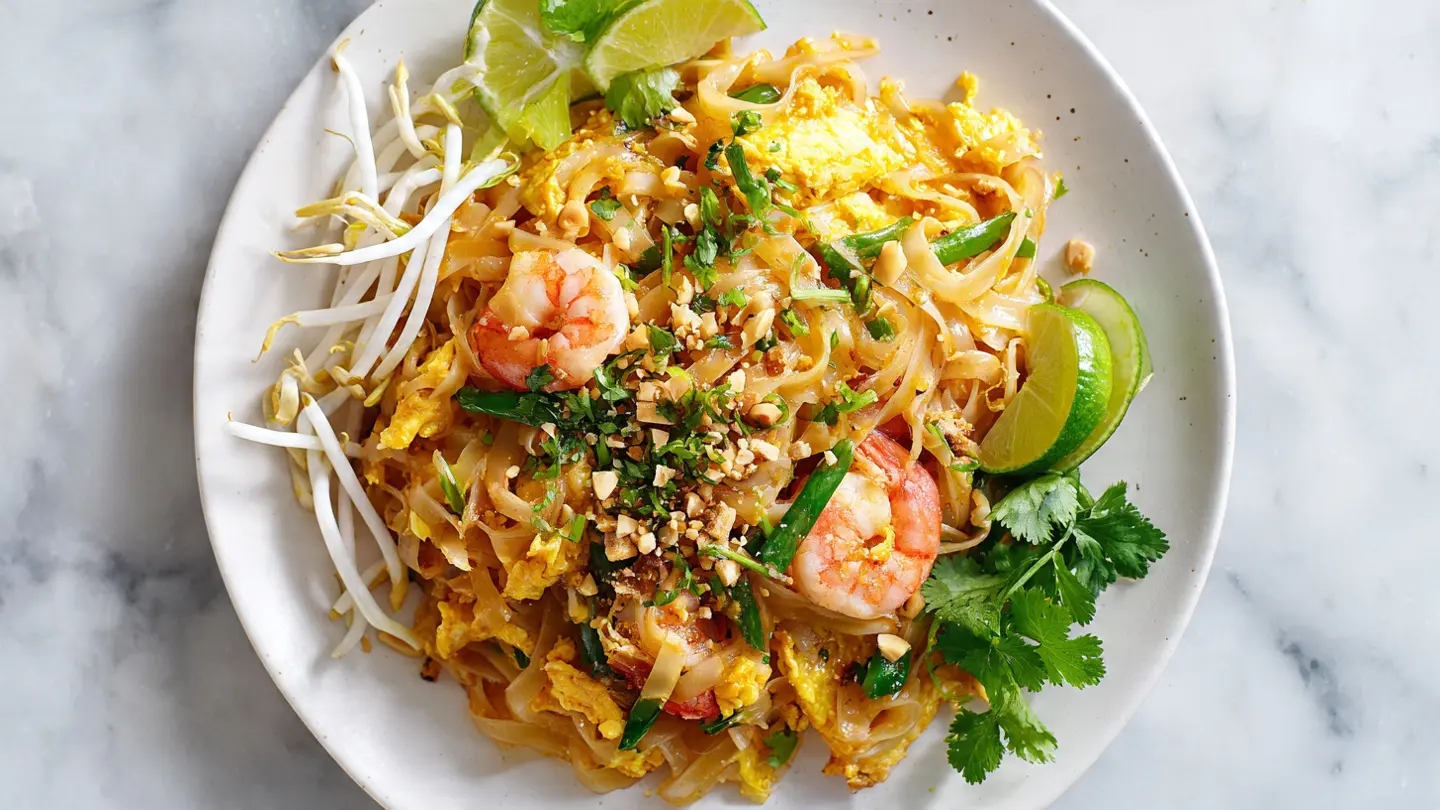
Craving that perfect balance of sweet, sour, and savory with tender rice noodles and crunchy peanuts? This easy pad thai recipe brings the vibrant flavors of Thailand straight to your kitchen with simple ingredients and straightforward techniques that anyone can master.
I’ve spent years perfecting this recipe to capture the authentic taste of street-side pad thai while keeping things accessible for home cooks. No hunting for obscure ingredients or complicated techniques required.
The secret to incredible pad thai lies in the sauce. Traditional versions rely on tamarind paste for that signature tangy sweetness, fish sauce for umami depth, and palm sugar for caramel-like richness. This recipe honors those classic flavors while offering easy-to-find alternatives that deliver equally delicious results.
One of the reasons pad thai has become so beloved worldwide is its versatility. You can customize it with shrimp, chicken, tofu, or keep it vegetarian.
The texture contrast is what makes this dish so satisfying. Soft, slippery noodles mingle with crisp bean sprouts and crunchy peanuts, while scrambled egg adds richness throughout. Each bite delivers something different.
Getting the noodles just right is crucial. Too soft and they turn mushy, too firm and they clump together. I’ll walk you through the exact soaking time and cooking method to achieve that perfect tender-chewy texture every single time.
This recipe comes together in about 30 minutes from start to finish. That’s faster than delivery and infinitely more rewarding. Plus, you control the sweetness level, spice, and ingredients to suit your preferences.
If you’re planning a Thai-inspired dinner, this udon noodle soup recipe makes a wonderful complement to round out your menu.
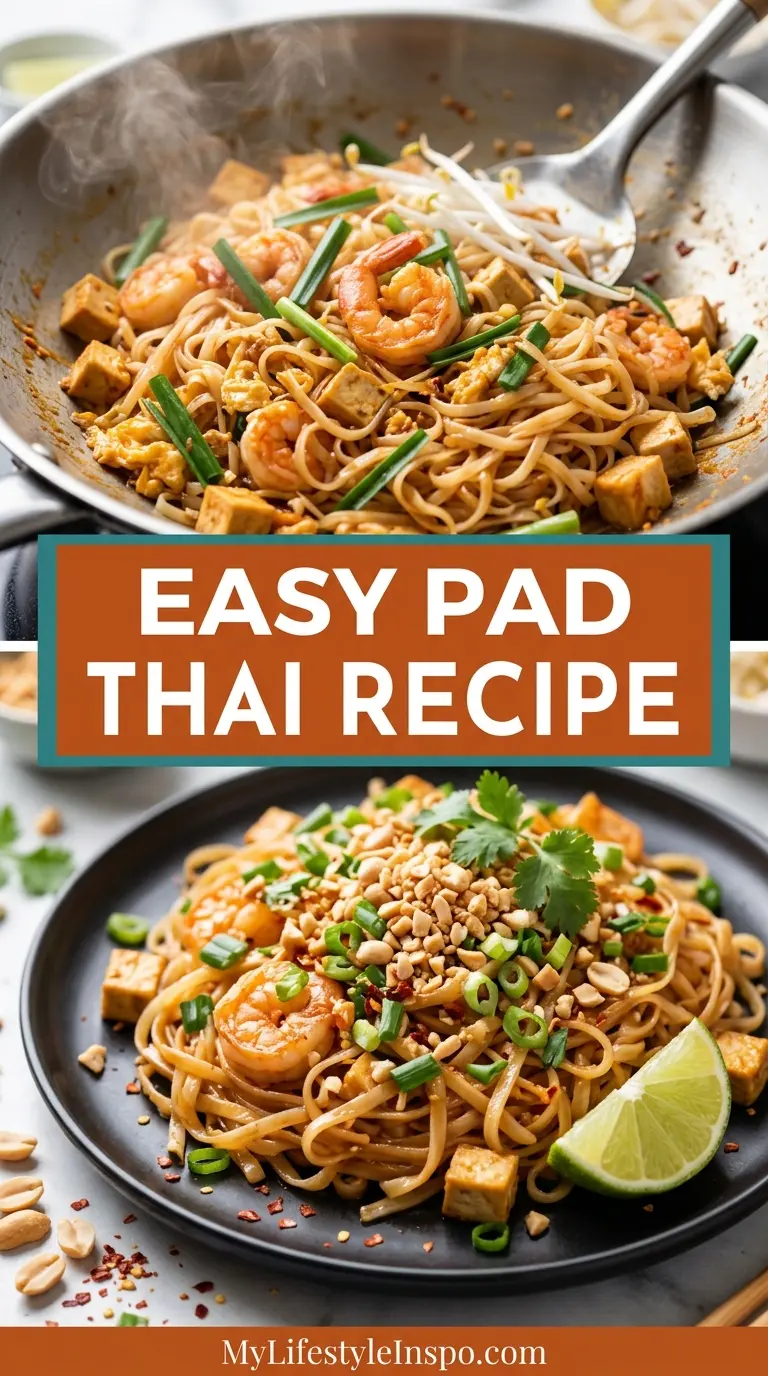
Why You’ll Love This Easy Pad Thai Recipe
This easy pad thai recipe strikes the perfect balance between authentic flavor and practical cooking.
You won’t need to visit specialty stores or spend hours prepping ingredients. Everything you need is available at most grocery stores, making this recipe accessible any night of the week.
The sauce comes together in minutes with just a whisk and a bowl. Mix tamarind paste (or rice vinegar as an easy substitute), fish sauce, brown sugar, and a touch of soy sauce, and you’ve got that classic pad thai flavor profile ready to go.
Unlike takeout versions that can be overly sweet or greasy, you control every element here. Adjust the sweetness, dial up the heat with chili flakes, or keep it mild for kids.
The cooking process itself is surprisingly forgiving. As long as you prep your ingredients beforehand (the key to any good stir-fry), the actual cooking takes just minutes in a hot wok or large skillet.
- Quick and accessible: 30 minutes from start to finish with grocery store ingredients
- Customizable protein: Works beautifully with shrimp, chicken, tofu, or a combination
- Authentic taste: The sauce captures that essential sweet-sour-salty balance that defines great pad thai
- Better than takeout: Fresher ingredients, less oil, and you control the flavor intensity
- Great for meal prep: The sauce keeps for a week, and you can prep vegetables and protein ahead of time
- Crowd-pleaser: Everyone loves pad thai, making this perfect for family dinners or casual entertaining
- Naturally gluten-free: Made with rice noodles and naturally gluten-free ingredients (just check your soy sauce)
Ingredients
This recipe uses straightforward ingredients you can find at most supermarkets, with a few options to help you achieve the most authentic flavor or work with what you have on hand. The key is balancing sweet, sour, salty, and savory in the sauce while keeping the noodles and vegetables fresh and vibrant.
For the Pad Thai Sauce:
- 3 tablespoons tamarind paste (or substitute 3 tablespoons rice vinegar plus 1/2 teaspoon extra brown sugar)
- 3 tablespoons fish sauce
- 3 tablespoons brown sugar (or palm sugar for more authentic flavor)
- 1 tablespoon soy sauce
- 1 tablespoon lime juice (about 1/2 lime)
- 1/2 teaspoon sriracha or chili garlic sauce (optional, for heat)
For the Pad Thai:
- 8 ounces (225g) dried rice noodles, medium width (about 1/4 inch or 5-6mm)
- 8 ounces (225g) protein of choice: shrimp (peeled and deveined), chicken breast (thinly sliced), or firm tofu (pressed and cubed)
- 3 tablespoons neutral oil (vegetable or canola), divided
- 3 cloves garlic, minced
- 2 large eggs, lightly beaten
- 2 cups (100g) fresh bean sprouts, divided
- 3 green onions, cut into 2-inch pieces (or garlic chives if available)
- 1/3 cup (50g) roasted peanuts, roughly chopped
- Lime wedges, for serving
- Red pepper flakes, for serving (optional)
- Fresh cilantro, for garnish (optional)
Kitchen Equipment Needed
Having the right tools makes cooking pad thai much easier and helps you achieve that authentic wok-fried texture and flavor. Here’s what you’ll need to make this recipe successfully.
- Large wok or skillet: A 12-14 inch wok or large nonstick skillet is essential for tossing everything together without overcrowding
- Mixing bowls: At least 2-3 bowls for the sauce, beaten eggs, and prepped ingredients
- Whisk: For mixing the sauce ingredients smoothly
- Tongs or wooden spatula: Long-handled tongs or a flat wooden spatula work best for tossing the noodles
- Sharp knife and cutting board: For preparing vegetables, protein, and garnishes
- Measuring cups and spoons: Accurate measurements ensure the sauce balance is perfect
- Large pot or bowl: For soaking the rice noodles
Recommended Products for This Recipe
These carefully selected products will help you achieve restaurant-quality pad thai at home and make the cooking process smoother and more enjoyable.
1. Carbon Steel Wok
A proper carbon steel wok distributes heat incredibly well and develops that characteristic “wok breath” smoky flavor that elevates pad thai from good to exceptional. The high, sloped sides make tossing noodles effortless without spilling. This is an investment piece that will transform your stir-fry cooking for years to come.
2. Thai Tamarind Paste
Authentic Thai tamarind paste makes all the difference in achieving that signature tangy-sweet flavor that defines traditional pad thai. Unlike Indian tamarind concentrate, Thai tamarind has a milder, more balanced acidity that blends beautifully with palm sugar and fish sauce. One jar lasts for months and works in countless other Thai dishes too.
3. Premium Fish Sauce
High-quality fish sauce brings incredible umami depth without being overpoweringly fishy. Look for brands that use just anchovies and salt with no artificial additives. The difference between cheap and premium fish sauce is night and day in the final dish. A bottle goes a long way since you only use tablespoons at a time.
4. Wide Rice Noodles
Medium-width rice noodles (about 1/4 inch wide) are the traditional choice for pad thai. They have the perfect surface area to absorb sauce while maintaining that tender-chewy texture. Quality rice noodles made from just rice and water cook more evenly and don’t turn mushy or break apart during stir-frying.
5. Palm Sugar
Palm sugar adds a caramel-like sweetness and complexity that brown sugar can’t quite replicate. It dissolves smoothly into the sauce and creates that authentic Thai flavor profile. While brown sugar works as a substitute, palm sugar takes this recipe to the next level if you want true authenticity.
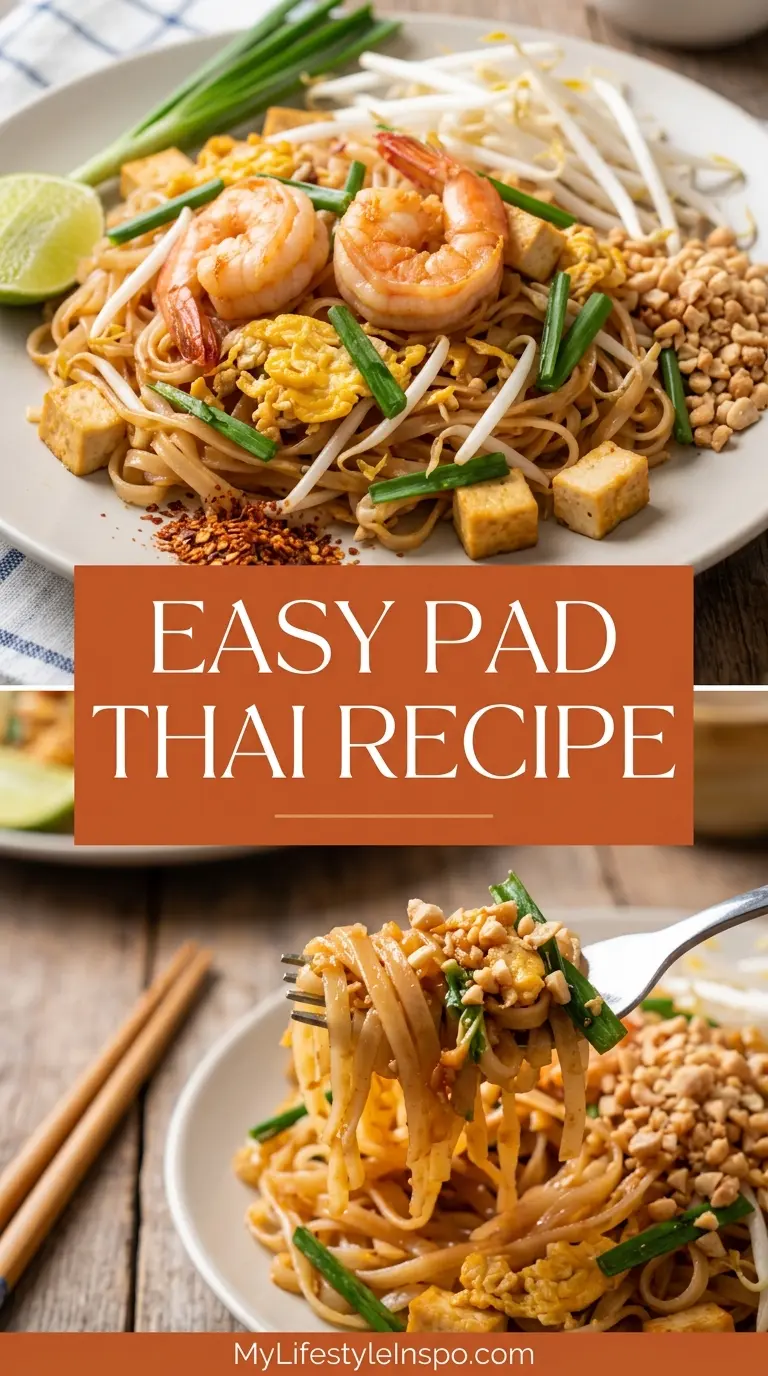
Step-by-Step Instructions
Follow these detailed steps to create perfect pad thai with tender noodles, balanced sauce, and that authentic street-food flavor. The key is having everything prepped and ready before you start cooking since the stir-frying happens quickly.
1. Soak the Rice Noodles
- Place the dried rice noodles in a large bowl and cover completely with room-temperature water (not hot or boiling water, as this will make them too soft).
- Let the noodles soak for 30-40 minutes until they’re pliable and can bend easily without breaking, but still have a slight firmness in the center (they’ll finish cooking in the wok).
- Test a noodle after 30 minutes by bending it around your finger – it should wrap easily without snapping.
- Once properly softened, drain the noodles in a colander and set aside. Don’t rinse them.
- If the noodles soak too long and become too soft, they’ll turn mushy during cooking, so watch the time carefully.
2. Make the Pad Thai Sauce
- In a medium bowl, combine the tamarind paste, fish sauce, brown sugar, soy sauce, lime juice, and sriracha if using.
- Whisk everything together vigorously until the sugar dissolves completely and the sauce is smooth with no lumps.
- Taste the sauce and adjust as needed – it should be balanced with sweet, sour, and salty flavors all present. The sauce will taste strong on its own but will mellow when tossed with noodles.
- If using rice vinegar instead of tamarind, add an extra 1/2 teaspoon of brown sugar to balance the sharper acidity.
- Set the sauce aside within reach of your stove so you can add it quickly during cooking.
3. Prep All Your Ingredients
- If using chicken, slice it thinly against the grain into bite-sized strips about 1/4 inch thick. If using shrimp, make sure they’re peeled, deveined, and patted dry. If using tofu, press it firmly to remove excess moisture, then cut into 3/4-inch cubes.
- Mince the garlic finely and have it ready in a small bowl.
- Beat the eggs lightly in a small bowl with a pinch of salt.
- Wash the bean sprouts and divide them into two portions – one for cooking and one for serving fresh.
- Cut the green onions into 2-inch pieces, keeping the white and green parts separate if you want to add them at different times.
- Roughly chop the peanuts and set aside.
- Arrange everything in small bowls or plates near your stove in the order you’ll use them – this is crucial for successful stir-frying.
For another quick Asian-inspired noodle dish, try this chicken fried rice recipe.
4. Cook the Protein
- Heat 1 tablespoon of oil in your wok or large skillet over medium-high heat until shimmering and very hot.
- Add your protein (chicken, shrimp, or tofu) in a single layer without crowding the pan. If using chicken, cook for 2-3 minutes per side until golden and just cooked through. For shrimp, cook for 1-2 minutes per side until pink and opaque. For tofu, cook for 3-4 minutes per side until golden and crispy.
- Remove the cooked protein from the wok and set aside on a plate. Don’t worry if it’s not completely cooked through – it will finish cooking when you toss everything together.
- Wipe out the wok if there are any stuck bits, but leave a thin film of oil.
5. Scramble the Eggs
- Add 1 tablespoon of oil to the wok over medium-high heat.
- Pour in the beaten eggs and let them sit undisturbed for about 10-15 seconds until they start to set around the edges.
- Use your spatula to gently scramble the eggs, breaking them into small, soft curds. You want pieces that are roughly bite-sized, not tiny specks.
- Cook just until the eggs are barely set but still slightly wet, about 30-45 seconds total – they’ll continue cooking with the residual heat.
- Push the eggs to one side of the wok or remove them to the plate with your protein.
6. Stir-Fry the Aromatics and Noodles
- Add the remaining 1 tablespoon of oil to the wok and increase heat to high.
- Add the minced garlic and stir-fry for just 15-20 seconds until fragrant but not browned – garlic burns quickly at high heat.
- Immediately add the drained rice noodles to the wok and use tongs to toss them with the garlic, spreading them out as much as possible.
- Let the noodles sit undisturbed for 30 seconds to get a slight char on the bottom, then toss again. Repeat this process 2-3 times.
- Pour the prepared sauce over the noodles and toss continuously for 1-2 minutes, using a lifting and folding motion to coat every strand evenly.
- The noodles should soften further and absorb the sauce, taking on a glossy appearance. If they seem dry, add 1-2 tablespoons of water to help the sauce coat them.
7. Combine Everything
- Add the cooked protein back to the wok along with the scrambled eggs.
- Toss everything together for about 1 minute to heat the protein through and distribute it evenly among the noodles.
- Add half of the bean sprouts (reserve the rest for fresh topping) and the green onions.
- Toss for another 30 seconds just until the bean sprouts start to soften slightly but still retain their crunch – they should never be fully cooked and limp.
- Taste and adjust seasoning if needed, adding more fish sauce for saltiness, brown sugar for sweetness, or lime juice for acidity.
8. Serve Immediately
- Transfer the pad thai to serving plates or a large platter while it’s still piping hot.
- Top with the remaining fresh bean sprouts for crunch, chopped peanuts, and a sprinkle of red pepper flakes if you like heat.
- Serve with lime wedges on the side for squeezing over the top – the fresh lime juice brightens all the flavors.
- Garnish with fresh cilantro if desired, though this is not traditional in authentic pad thai.
- Serve immediately while hot, as pad thai doesn’t hold well and the noodles can become gummy as they cool.
Tips for Success
Follow these expert tips to ensure your pad thai turns out perfectly every time, with tender noodles, balanced flavors, and that authentic restaurant quality.
- Don’t oversoak the noodles: Room temperature water for 30-40 minutes is ideal. Hot water makes them too soft and they’ll turn mushy when stir-fried. Test them by bending – they should be pliable but still have a slight firmness.
- Prep everything before you cook: Pad thai comes together in minutes once you start cooking. Have your sauce mixed, ingredients chopped, and everything within arm’s reach of the stove.
- Use high heat: A very hot wok or skillet is essential for that slightly charred, smoky flavor and proper texture. The high heat helps the noodles develop flavor without steaming.
- Work in batches for large quantities: If doubling the recipe, cook it in two separate batches. Overcrowding the wok lowers the temperature and creates steam instead of stir-frying, resulting in soggy noodles.
- Taste and adjust the sauce: The sauce should taste quite strong on its own with a clear balance of sweet, sour, and salty. It will mellow significantly when mixed with noodles and other ingredients.
- Add water sparingly: If the noodles seem dry while cooking, add just 1-2 tablespoons of water at a time. Too much liquid makes them gummy.
- Serve immediately: Pad thai is best eaten right away. The noodles continue to absorb sauce as they sit and can become sticky and clumped together.
Serving Suggestions
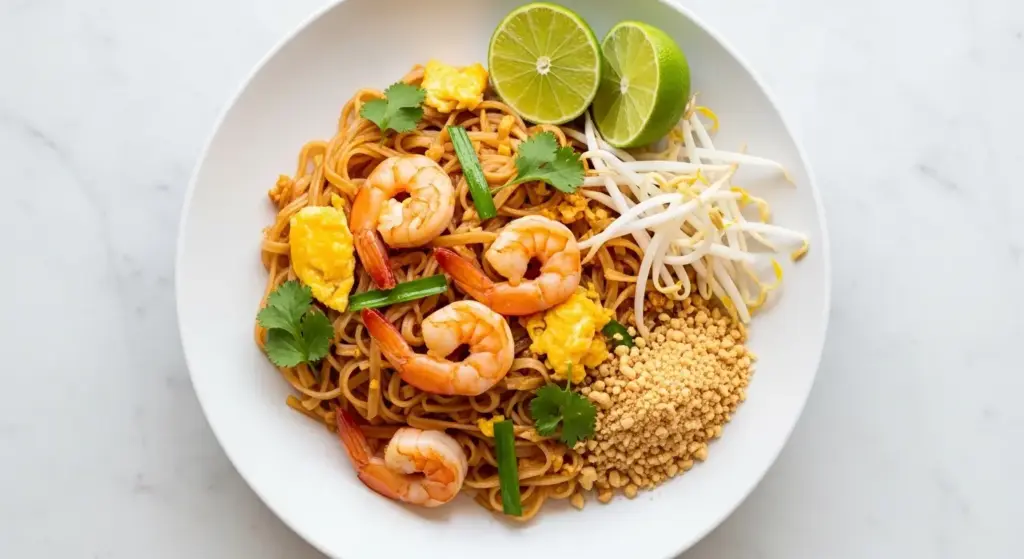
Pad thai is incredibly satisfying on its own, but pairing it with complementary dishes and fresh accompaniments takes your Thai-inspired meal to the next level.
Serve it family-style with a variety of traditional Thai condiments on the side. Set out small bowls of crushed peanuts, red pepper flakes, fish sauce, sugar, and lime wedges so everyone can customize their plate to their taste preferences. This is how it’s traditionally enjoyed in Thailand.
Fresh vegetables provide a cooling contrast to the rich, flavorful noodles. A simple cucumber salad with rice vinegar and a touch of sugar offers refreshing crunch, while sliced Thai basil adds aromatic brightness.
- Fresh cucumber gazpacho for a refreshing cold soup starter
- Crispy air fryer egg rolls as an appetizer
- Light Asian slaw with rice vinegar dressing
- Steamed edamame with sea salt
- Thai iced tea or coconut water to drink
- Fresh mango slices or lychee for dessert
- Thai fish soup for a complete Thai dinner spread
Variations to Try
Once you’ve mastered the basic recipe, these variations let you customize your pad thai to suit different preferences, dietary needs, or whatever ingredients you have on hand.
- Vegetarian/Vegan Pad Thai: Omit the eggs and fish sauce. Replace fish sauce with soy sauce or tamari (start with 2 tablespoons and add more to taste). Use firm tofu as your protein and add extra vegetables like julienned carrots or bell peppers.
- Extra Spicy Pad Thai: Double or triple the sriracha in the sauce, add fresh Thai chili peppers when stir-frying the garlic, and serve with extra chili flakes and sliced fresh chilies on the side.
- Shrimp and Chicken Combo: Use 4 ounces of each protein for variety. Cook them separately as directed and combine everything at the end.
- Veggie-Loaded Pad Thai: Add julienned carrots, thinly sliced red bell pepper, and broccoli florets. Stir-fry harder vegetables first before adding the garlic and noodles.
- Peanut Butter Pad Thai: Add 1-2 tablespoons of creamy natural peanut butter to the sauce for extra richness and nutty flavor. Thin with a bit of water if needed.
- Ketchup Substitute Version: If you absolutely cannot find tamarind paste, use 1 tablespoon ketchup plus 2 tablespoons rice vinegar as a substitute. Add an extra teaspoon of brown sugar. While not traditional, it creates a similar sweet-tangy profile.
- Pad See Ew Style: Use wide rice noodles instead of medium, add Chinese broccoli (gai lan), and increase the soy sauce while reducing the sugar for a different Thai noodle dish.
You might also enjoy: Easy Fried Rice Recipe
Storage and Reheating
Pad thai is always best enjoyed fresh, but with proper storage and reheating techniques, you can save leftovers for a quick meal later in the week.
- Refrigerating: Store leftover pad thai in an airtight container in the refrigerator for up to 3 days. The noodles will firm up and stick together as they cool, which is normal.
- Freezing: Pad thai doesn’t freeze well due to the texture of the rice noodles, which become mushy and lose their pleasant chewiness when thawed. It’s best to make only what you’ll eat within a few days.
- Reheating in the microwave: Place pad thai in a microwave-safe dish, sprinkle with 1-2 tablespoons of water, and cover loosely. Microwave in 30-second intervals, stirring between each, until heated through. The water creates steam that helps revive the noodles.
- Reheating on the stovetop: This is the preferred method. Heat a tablespoon of oil in a wok or large skillet over medium-high heat. Add the pad thai and stir-fry for 3-4 minutes, adding a splash of water or extra sauce if needed to loosen the noodles. This method restores some of the fresh-cooked texture.
- Meal prep tip: If planning to meal prep, consider storing the sauce, cooked protein, and fresh garnishes separately from the noodles. Stir-fry fresh noodles with the pre-made components for the best texture.
Nutritional Facts
Here’s the approximate nutritional information per serving (based on 4 servings using shrimp as the protein):
- Calories: 420
- Total Fat: 14g
- Saturated Fat: 2g
- Trans Fat: 0g
- Cholesterol: 185mg
- Sodium: 980mg
- Total Carbohydrates: 52g
- Dietary Fiber: 3g
- Sugars: 12g
- Protein: 22g
- Vitamin A: 8% DV
- Vitamin C: 15% DV
- Calcium: 6% DV
- Iron: 10% DV
Note: Nutritional values are estimates and will vary based on specific ingredients used, portion sizes, and protein choices. Using chicken instead of shrimp will slightly reduce cholesterol but increase calories from fat. The vegetarian tofu version will have lower cholesterol and sodium while maintaining similar protein levels.
Read Also: Pho Recipe
Health Benefits of Key Ingredients
While pad thai is undeniably a treat, several of its core ingredients offer genuine nutritional benefits that make it a more balanced choice than many other noodle dishes.
Rice noodles are naturally gluten-free and easier to digest than wheat-based noodles for many people. They provide quick energy through complex carbohydrates without the heaviness of egg noodles. For those with celiac disease or gluten sensitivity, pad thai is often one of the few noodle dishes you can enjoy without modification.
The protein component, whether shrimp, chicken, or tofu, delivers essential amino acids your body needs. Shrimp provides selenium and vitamin B12, chicken offers lean protein with minimal saturated fat, and tofu brings plant-based protein along with iron and calcium. Each option contributes to muscle maintenance and overall satiety.
- Tamarind paste: Rich in antioxidants and contains tartaric acid, which may aid digestion and support heart health
- Bean sprouts: Low in calories but high in vitamin C, fiber, and enzymes that support digestive health
- Peanuts: Provide healthy monounsaturated fats, vitamin E, and protein while adding satisfying crunch
- Eggs: Deliver complete protein with all nine essential amino acids, plus choline for brain health
- Garlic: Contains allicin, a compound with antimicrobial properties and potential cardiovascular benefits
- Lime juice: Excellent source of vitamin C, which supports immune function and helps with iron absorption
- Fish sauce: Despite its high sodium content, provides umami flavor that satisfies with small amounts, potentially reducing the need for added salt
Frequently Asked Questions
1. Can I use fresh rice noodles instead of dried?
Yes, fresh rice noodles work wonderfully in pad thai and actually reduce prep time since they don’t need soaking. Look for them in the refrigerated section of Asian markets. Simply separate the noodles gently, rinse briefly with warm water to remove excess starch, and add them directly to the wok during the stir-fry step. Fresh noodles are more delicate than dried, so handle them gently and reduce the cooking time by about a minute. The texture will be slightly softer and silkier than dried noodles.
2. What’s the best substitute for tamarind paste?
Rice vinegar mixed with a touch of extra brown sugar is the most reliable substitute, though it won’t replicate tamarind’s unique complexity perfectly. Use 3 tablespoons rice vinegar plus 1/2 teaspoon additional brown sugar to replace 3 tablespoons tamarind paste. Some cooks use 1 tablespoon ketchup plus 2 tablespoons rice vinegar as an alternative, which adds a similar sweet-tart profile, though purists argue it changes the authentic flavor. If you plan to make pad thai regularly, investing in a jar of tamarind paste is worthwhile since it lasts for months.
3. Why are my noodles sticky and clumped together?
Sticky noodles usually result from overcooking, oversoaking, or insufficient heat during stir-frying. Make sure you’re soaking the noodles in room temperature water (not hot) for only 30-40 minutes – they should still be slightly firm when you drain them. When stir-frying, use high heat and keep the noodles moving constantly, using a lifting and tossing motion rather than stirring. If your pan isn’t hot enough, the noodles release too much starch and stick together. Adding a tablespoon of oil to the soaking water can help prevent sticking, though proper cooking technique matters more.
4. Can I make the sauce ahead of time?
Absolutely, and it’s actually recommended for easier weeknight cooking. Mix all the sauce ingredients together and store in an airtight container in the refrigerator for up to one week. The flavors will meld and develop over time, often tasting even better after a day or two. Give it a good stir or shake before using, as some separation is natural. You can even make a larger batch and keep it on hand for quick pad thai anytime. Some cooks prepare the sauce on Sunday and use it throughout the week for ultra-quick dinners.
5. Is pad thai gluten-free?
Pad thai can easily be gluten-free with just one substitution. Rice noodles are naturally gluten-free, and most other ingredients (fish sauce, tamarind, eggs, vegetables, peanuts) contain no gluten. The only ingredient to watch is soy sauce, which traditionally contains wheat. Simply replace regular soy sauce with tamari or certified gluten-free soy sauce, and your pad thai will be completely safe for those with celiac disease or gluten sensitivity. Always check your fish sauce label too, as some brands add wheat-based additives, though most authentic fish sauce contains only anchovies and salt.
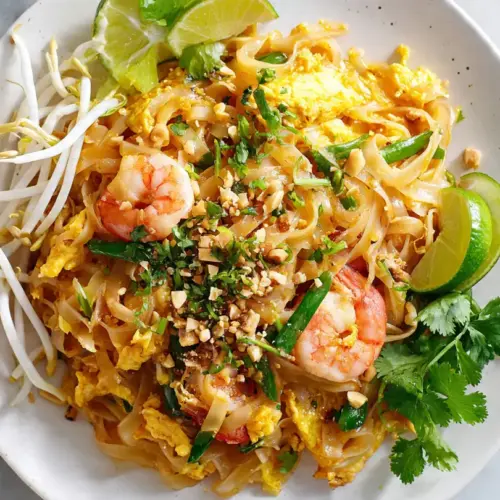
Easy Pad Thai

Equipment
- Large wok or skillet - 12-14 inches
- Mixing bowls - At least 2-3
- Whisk
- Tongs or wooden spatula - Long-handled
- Sharp knife
- Cutting board
- Measuring cups and spoons
- Large pot or bowl - For soaking the rice noodles
Ingredients
For the Pad Thai Sauce
- 3 tablespoons tamarind paste - or 3 tablespoons rice vinegar plus 1/2 teaspoon extra brown sugar
- 3 tablespoons fish sauce
- 3 tablespoons brown sugar - or palm sugar for more authentic flavor
- 1 tablespoon soy sauce
- 1 tablespoon lime juice - about 1/2 lime
- 1/2 teaspoon sriracha or chili garlic sauce - optional, for heat
For the Pad Thai
- 8 ounces dried rice noodles - 225g, medium width, about 1/4 inch or 5-6mm
- 8 ounces protein of choice - 225g, shrimp (peeled and deveined), chicken breast (thinly sliced), or firm tofu (pressed and cubed)
- 3 tablespoons neutral oil - vegetable or canola, divided
- 3 cloves garlic - minced
- 2 large eggs - lightly beaten
- 2 cups fresh bean sprouts - 100g, divided
- 3 green onions - cut into 2-inch pieces, or garlic chives if available
- 1/3 cup roasted peanuts - 50g, roughly chopped
- lime wedges - for serving
- red pepper flakes - optional, for serving
- fresh cilantro - optional, for garnish
Instructions
- Soak the dried rice noodles in room-temperature water for 30-40 minutes until pliable but still slightly firm. Drain and set aside.
- Whisk together tamarind paste, fish sauce, brown sugar, soy sauce, lime juice, and sriracha until smooth. Set sauce aside.
- Prep all ingredients: slice protein, mince garlic, beat eggs, wash bean sprouts, chop green onions and peanuts. Arrange everything near the stove.
- Heat 1 tablespoon oil in a wok over medium-high heat. Cook protein until golden and cooked through, then remove and set aside.
- Add 1 tablespoon oil to the wok, pour in beaten eggs, and scramble until just set. Push eggs to one side of the wok.
- Add remaining 1 tablespoon oil and garlic to the wok over high heat. Stir-fry for 15-20 seconds until fragrant.
- Add drained noodles and toss with garlic. Let sit for 30 seconds to char slightly, then pour sauce over and toss for 1-2 minutes until coated.
- Return cooked protein and scrambled eggs to the wok. Toss for 1 minute to heat through, then add half the bean sprouts and green onions.
- Toss for another 30 seconds until bean sprouts just begin to soften but remain crunchy. Remove from heat.
- Serve immediately topped with remaining fresh bean sprouts, chopped peanuts, red pepper flakes, and lime wedges. Garnish with cilantro if desired.
Notes
- Don’t oversoak the noodles: Room temperature water for 30-40 minutes is ideal. Test by bending – they should be pliable but still have a slight firmness. Hot water makes them too soft and they’ll turn mushy when stir-fried.
- Prep everything before you cook: Pad thai comes together in minutes once you start cooking. Have your sauce mixed, ingredients chopped, and everything within arm’s reach of the stove.
- Use high heat: A very hot wok or skillet is essential for that slightly charred, smoky flavor and proper texture. The high heat helps the noodles develop flavor without steaming.
- Work in batches for large quantities: If doubling the recipe, cook it in two separate batches. Overcrowding the wok lowers the temperature and creates steam instead of stir-frying, resulting in soggy noodles.
- Vegetarian/Vegan variation: Omit the eggs and fish sauce. Replace fish sauce with soy sauce or tamari (start with 2 tablespoons and add more to taste). Use firm tofu as your protein and add extra vegetables like julienned carrots or bell peppers.
- Storage and reheating: Store leftovers in an airtight container in the refrigerator for up to 3 days. Reheat on the stovetop with a splash of water or extra sauce to restore texture. Pad thai doesn’t freeze well as the noodles become mushy.
- Sauce can be made ahead: Mix the sauce ingredients and store in an airtight container in the refrigerator for up to one week. The flavors will meld and develop over time, often tasting even better after a day or two.
- Gluten-free option: Replace regular soy sauce with tamari or certified gluten-free soy sauce. Rice noodles are naturally gluten-free, and most authentic fish sauce contains only anchovies and salt.
Final Thoughts
This easy pad thai recipe proves you don’t need a trip to a Thai restaurant to enjoy authentic, crave-worthy noodles.
With simple ingredients, straightforward techniques, and just 30 minutes of cooking time, you can create a dish that rivals your favorite takeout spot. The key is balancing those essential flavors – sweet, sour, salty, and savory – while keeping the noodles tender and the vegetables crisp.
Once you’ve made this recipe a few times, you’ll develop an intuitive feel for the cooking process. You’ll know exactly how your noodles should feel after soaking, how hot your wok should be, and how much sauce you prefer.
Don’t be afraid to adjust the recipe to your taste. Some people love extra lime juice, others prefer more sweetness, and many can’t get enough crushed peanuts on top. That’s the beauty of cooking at home.
I’d love to hear how your pad thai turns out! Drop a comment below with your results, any variations you tried, or questions you have. And if you loved this recipe, share it with friends who also appreciate good Thai food made easy.
Recommended:
- Chicken Fried Rice Recipe
- Easy Fried Rice Recipe
- Udon Noodle Soup Recipe
- Thai Fish Soup Recipe
- Pho Recipe
- Chicken Pho Recipe
- Vegan Pho Recipe
- Instant Pot Pho Recipe
- Chinese Fish Soup Recipe
- Baked Ziti Recipe