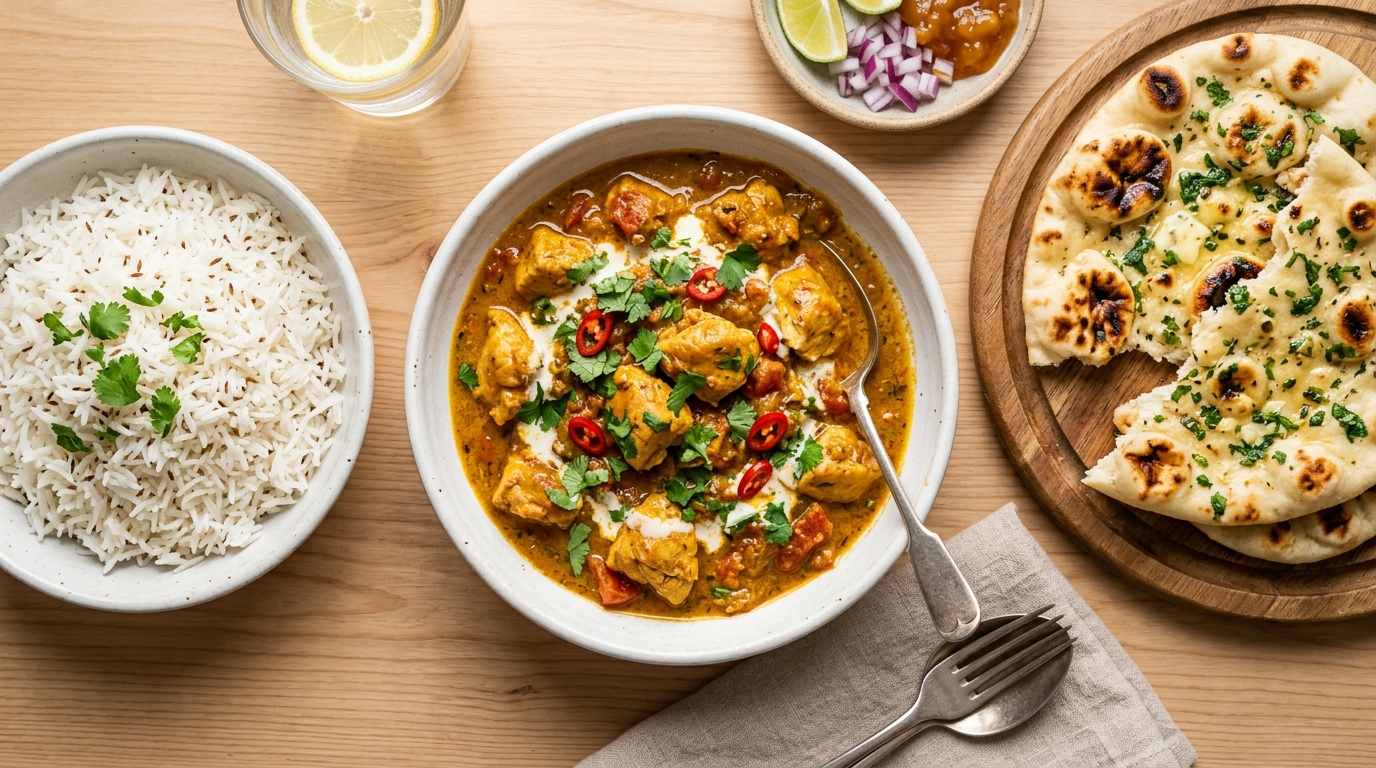
A good chicken curry recipe is one of those dishes that truly earns its place in your regular dinner rotation. It is warm, deeply spiced, and absolutely satisfying in a way that is hard to describe until you take that first bite.
This is an Indian-style chicken curry built on the classic combination of onion, tomato, ginger, garlic, and a well-balanced spice blend. The sauce is rich and coats every piece of chicken beautifully, with a depth of flavor that tastes like it took hours to develop.
The secret is in the technique: building each layer of the sauce with patience, letting the onions turn golden and the tomatoes cook down completely before anything else goes in. That slow, deliberate process is what separates an average curry from one that people ask for again and again.
You do not need to be a seasoned cook to pull this off. With simple pantry spices and a few straightforward steps, this recipe delivers restaurant-quality results right at home. Serve it with steamed basmati rice or warm naan and watch the whole dish disappear.
If you love Indian-inspired flavors, you might also enjoy this Chicken Tikka Masala Recipe for another rich, spiced classic on your weeknight menu.

Why You’ll Love This Chicken Curry Recipe
This is the kind of dish that brings people to the table.
The sauce is thick, aromatic, and layered with spice without being overwhelmingly hot. You can control the heat level easily by adjusting the chili powder.
It uses pantry-staple spices you likely already have on hand, so there is no special trip to a specialty store required.
The yogurt stirred in near the end adds a subtle tang that balances the warmth of the spices and gives the sauce a silky, creamy texture.
It works beautifully with bone-in or boneless chicken, and both thighs and breasts hold up well during cooking.
- Rich, deeply aromatic tomato-onion sauce that coats the chicken perfectly
- Made with whole and ground spices commonly found at any grocery store
- Naturally gluten-free and easy to adapt for dairy-free diets
- Great for meal prep since the flavor deepens even more the next day
- Comes together in under an hour on the stovetop with just one pot
Another favorite in a similar flavor profile: Chicken Korma Recipe
Ingredients
This classic chicken curry uses a combination of whole spices, ground spice powders, and fresh aromatics that build a truly flavorful sauce. Every ingredient here plays a specific role, so do not skip any of them.
- 2 lbs (900g) bone-in chicken pieces, skin removed (or 1.5 lbs / 680g boneless chicken thighs, cut into 2-inch pieces)
- 3 tablespoons neutral oil (such as vegetable or avocado oil)
- 1 teaspoon whole cumin seeds
- 2 medium yellow onions, finely diced (about 2 cups / 300g)
- 1 green chili pepper (such as serrano or Thai chili), finely chopped
- 1 tablespoon fresh ginger, grated or minced
- 5 garlic cloves, minced
- 2 medium Roma tomatoes, finely chopped (or 1/2 cup / 120ml crushed canned tomatoes)
- 1/2 teaspoon turmeric powder
- 1 teaspoon coriander powder
- 1 teaspoon cumin powder
- 1 to 1.5 teaspoons Kashmiri red chili powder (or mild paprika for less heat)
- 1.5 teaspoons salt, or to taste
- 1/2 cup (120ml) plain whole-milk yogurt, whisked until smooth
- 3/4 cup (180ml) water
- 1 teaspoon garam masala
- 2 tablespoons fresh cilantro, chopped (for garnish)
Read Also: Basmati Rice Recipe
Kitchen Equipment Needed
You only need a few basic kitchen tools to make this recipe. A wide, heavy-bottomed pot ensures even heat distribution, which is essential when cooking the onions and sauce low and slow.
- Large heavy-bottomed pot or Dutch oven (at least 4-quart / 3.8L capacity)
- Dutch oven or heavy-bottomed pot with a tight-fitting lid
- Sharp chef’s knife and cutting board
- Measuring spoons and measuring cups
- Box grater or microplane for grating ginger
- Wooden spoon or heat-safe spatula for stirring
- Small bowl for whisking the yogurt
You might also enjoy: Jeera Rice Recipe
Recommended Products for This Recipe
These are products that genuinely make a difference when preparing this dish, selected for quality and performance.
1. Kashmiri Red Chili Powder
Kashmiri chili powder gives this curry its signature deep red color and mild, slightly sweet heat. Unlike regular chili powder, it adds vivid color without making the dish overly spicy, which means you can add a generous amount for that restaurant-quality look. It is a must-have spice for anyone who cooks Indian food regularly.
2. Garam Masala Spice Blend
A good quality garam masala added at the end of cooking is what gives Indian chicken curry its signature warmth and aroma. Look for brands that use whole roasted spices rather than pre-ground blends for the most fragrant result. Adding it in the final minutes of cooking preserves its delicate aromatic oils.
3. Lodge Enameled Cast Iron Dutch Oven
This Dutch oven distributes heat evenly across the bottom, which is critical for getting the onions golden without burning. The enameled interior makes cleanup simple and does not react with the acidic tomatoes in the curry. It is an investment piece that will serve your kitchen for decades.
4. Microplane Zester / Grater
Freshly grated ginger is far more aromatic than pre-jarred ginger, and a fine microplane makes it effortless. It reduces the ginger to a fine paste-like texture that blends seamlessly into the curry sauce. This small tool makes a noticeable difference in the final flavor.
5. Spice Rack and Storage Containers
Having all your whole spices and powders organized and within reach makes cooking Indian food much more enjoyable. Airtight glass jars keep spices fresh and aromatic for longer, which directly impacts flavor. A well-organized spice collection is the foundation of consistently great curries.
This dish pairs wonderfully with Garlic Naan Bread for soaking up every drop of that sauce.
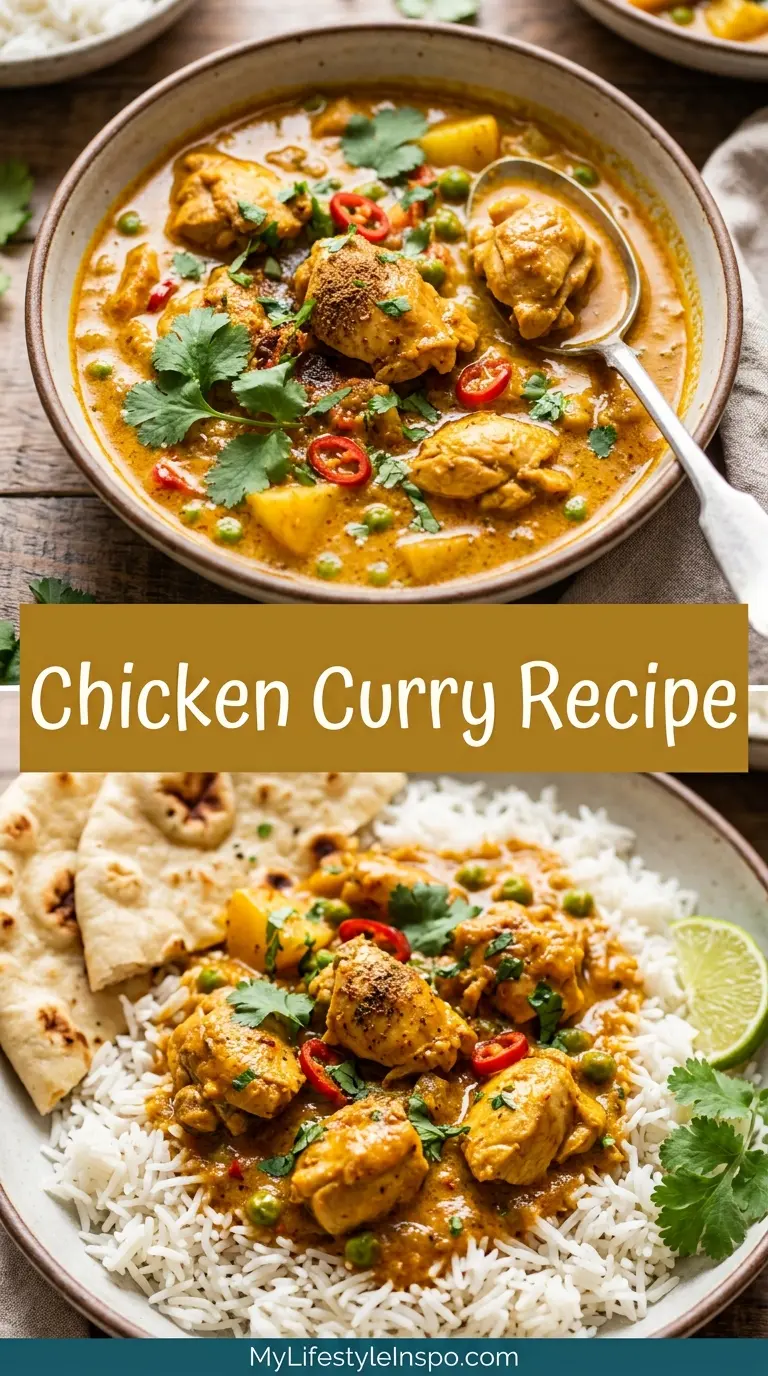
Step-by-Step Instructions
1. Prepare Your Ingredients
- Pat the chicken pieces dry with paper towels. Drying the surface helps the chicken develop color if it sears, and removes excess moisture that can make the sauce watery.
- If using bone-in chicken, remove and discard the skin. Boneless thighs should be trimmed of any large fat pieces and cut into 2-inch (5cm) chunks.
- Finely dice both onions into very small pieces. The finer the dice, the more completely the onion will break down into the sauce, creating a thick and smooth texture.
- Mince the garlic cloves and grate the fresh ginger using a microplane or the fine side of a box grater. Set both aside together in a small bowl.
- Chop the tomatoes into small pieces. If using canned crushed tomatoes, measure out 1/2 cup and set aside.
- Whisk the yogurt in a small bowl until it is completely smooth. Lumpy yogurt can cause the sauce to look curdled when it hits the heat.
2. Bloom the Whole Spice and Saute the Onions
- Heat 3 tablespoons of oil in your Dutch oven or heavy-bottomed pot over medium heat.
- Once the oil is hot and shimmering, add the whole cumin seeds. Let them sizzle for about 30 to 45 seconds, stirring occasionally, until they darken slightly and become fragrant. This step releases the essential oils in the cumin and infuses the oil with flavor.
- Add the finely diced onions and the chopped green chili pepper to the pot.
- Stir to coat everything in the spiced oil, then cook over medium heat, stirring every few minutes, for 15 to 18 minutes. The onions need to turn a deep golden brown color. Do not rush this step. Golden onions are the flavor backbone of a great curry sauce, and under-cooked onions will leave a raw sweetness that cannot be corrected later.
- If the onions start to stick to the bottom, add a splash of water and stir it in to lift any browned bits.
3. Add the Garlic, Ginger, and Ground Spices
- Once the onions are deep golden brown, add the minced garlic and grated ginger to the pot.
- Stir and cook for about 2 minutes, until the raw smell of the garlic disappears. You will notice the mixture becoming very fragrant.
- Now add the ground spices: turmeric powder, coriander powder, cumin powder, and Kashmiri red chili powder.
- Stir everything together and cook the spice mixture with the onions for 1 to 2 minutes, stirring constantly. This step is called “blooming” the spices, and it activates the fat-soluble compounds in the spices that give them their deep, complex flavor.
4. Cook Down the Tomatoes
- Add the chopped fresh tomatoes (or the measured canned crushed tomatoes) to the pot along with the salt.
- Stir everything together and increase the heat slightly to medium-high.
- Cook the tomato mixture, stirring frequently, for 8 to 10 minutes until the tomatoes have fully broken down and the oil begins to separate from the masala around the edges of the pot. This separation, known as “bhunofying” in South Asian cooking, is your signal that the sauce base is ready. Do not add the chicken before this step.
5. Add the Yogurt
- Reduce the heat back to medium. Add the whisked yogurt one tablespoon at a time, stirring continuously after each addition.
- Adding the yogurt slowly and stirring constantly prevents it from curdling when it hits the hot pan.
- Cook the yogurt into the masala for about 2 to 3 minutes, stirring, until it is fully incorporated and the sauce looks thick and cohesive.
6. Add the Chicken and Simmer
- Add the prepared chicken pieces to the pot and stir to coat them thoroughly in the masala.
- Cook the chicken in the sauce, stirring occasionally, for about 3 to 4 minutes over medium heat so it absorbs the flavors.
- Pour in 3/4 cup (180ml) of water. Stir, then bring the liquid to a gentle boil.
- Once boiling, reduce the heat to low, cover the pot with a tight-fitting lid, and let the curry simmer for 20 to 25 minutes for bone-in pieces, or 15 to 18 minutes for boneless thighs. Stir every 5 to 6 minutes to prevent sticking.
- The chicken is fully cooked when it is opaque throughout and registers an internal temperature of 165°F (74°C). If using bone-in pieces, the meat should pull away from the bone easily.
7. Add Garam Masala and Finish
- Remove the lid and check the consistency of the sauce. If it seems too thin, cook uncovered for a few more minutes to reduce.
- Sprinkle the garam masala over the curry and stir it in gently.
- Taste the curry and adjust salt as needed.
- Remove from heat and garnish with fresh chopped cilantro.
- Serve immediately with basmati rice or warm naan bread.
For more inspiration on Indian-style rice dishes, check out this Mulligatawny Soup Recipe for another warming dish with similar aromatic spices.
Tips for Success
A few targeted tips can take your curry from good to genuinely great. These are the details that make the biggest difference.
- Do not rush the onions. The single most important step is cooking the onions until they are truly golden brown. Light, pale onions will not create a rich sauce. Budget a full 15 minutes for this step.
- Whisk your yogurt before adding it. Cold, lumpy yogurt is far more likely to split or curdle when it hits a hot pan. Always whisk it smooth first and add it slowly.
- Bloom the spices. Cooking ground spices in the oil for 1 to 2 minutes before adding liquid is essential for developing their full flavor. Skipping this step creates a flat, raw spice taste.
- Let the oil separate from the tomatoes. When you can see the oil pooling around the edges of the masala, the tomatoes have fully cooked down. This is a visual signal you can rely on every time.
- Taste and adjust at the end. Garam masala is added last because its delicate aromatic compounds are best preserved with minimal cooking. Always taste before serving and add salt gradually.
- Use bone-in chicken for more flavor. The bones release collagen during cooking that enriches the sauce naturally, making it thicker and more unctuous without any added thickener.
Read Also: Tandoori Chicken Recipe
Serving Suggestions

This chicken curry is rich and saucy, so it shines brightest when paired with something that can absorb all that gorgeous sauce.
It is most traditionally served over a bowl of fluffy steamed Basmati Rice for a complete and satisfying meal.
- Steamed basmati rice, which allows the curry sauce to soak in beautifully
- Warm garlic naan bread for tearing and dipping into the sauce
- Plain jeera rice (cumin rice) for a lightly spiced accompaniment
- A side of cooling cucumber raita or plain yogurt to balance the heat
- A simple green salad dressed with lemon juice and olive oil for freshness
- Easy naan bread if you want to make a quick homemade flatbread to go alongside
Variations to Try
Once you have mastered the base recipe, it is incredibly easy to adapt this curry in different directions depending on what you have available or what flavor profile you are in the mood for.
- Coconut Milk Chicken Curry: Replace the yogurt and 1/2 cup of water with one full can (400ml / 13.5 oz) of full-fat coconut milk. This creates a creamier, mildly sweet sauce with South Indian and Southeast Asian character.
- Butter Chicken Style: Add 2 tablespoons of butter and 1/4 cup (60ml) of heavy cream at the end of cooking, along with the garam masala, for a richer and slightly sweeter curry in the style of Butter Chicken.
- Vegetable Curry: Omit the chicken and add 2 cups of mixed vegetables such as cauliflower florets, cubed potatoes, or chickpeas. Use the same masala base and add 1 cup (240ml) of water. Simmer until vegetables are fully tender, about 20 minutes.
- Slow Cooker Chicken Curry: Prepare the masala through Step 5, then transfer everything including the chicken and water to a slow cooker. Cook on low for 6 to 7 hours or high for 3 to 4 hours.
- Spicier Version: Increase the Kashmiri chili powder to 2 teaspoons and add 1/4 teaspoon of cayenne pepper with the ground spices for a bolder, hotter curry.
- With Potatoes: Add 2 medium Russet potatoes (cut into 1-inch cubes) to the pot along with the chicken and water. The potatoes absorb the curry sauce and become incredibly flavorful.
You might also enjoy: Curry Chicken Salad Recipe
Storage and Reheating
One of the best things about chicken curry is that it stores beautifully and actually tastes better the next day as the spices continue to develop overnight.
- Refrigerator: Allow the curry to cool completely before transferring to an airtight container. Store in the refrigerator for up to 4 days.
- Freezer: Chicken curry freezes very well. Portion it into airtight freezer-safe containers or bags and freeze for up to 3 months. Thaw overnight in the refrigerator before reheating.
- Stovetop reheating: Transfer the curry to a saucepan and warm over medium-low heat, stirring occasionally, until heated through. Add a splash of water or chicken broth if the sauce has thickened too much during storage.
- Microwave reheating: Place individual portions in a microwave-safe bowl. Cover loosely with a microwave-safe lid or plastic wrap and heat in 60-second intervals, stirring between each, until hot throughout.
- Do not refreeze: Once thawed, do not refreeze the curry. Consume within 2 to 3 days.
Another great make-ahead dish: Chicken Stew Recipe
Nutritional Facts
The following nutrition information is an estimate per serving based on 4 servings, calculated with bone-in chicken, whole-milk yogurt, and 3 tablespoons of oil.
| Nutrient | Per Serving |
|---|---|
| Calories | ~380 kcal |
| Protein | 28g |
| Total Fat | 22g |
| Saturated Fat | 5g |
| Carbohydrates | 12g |
| Fiber | 2.5g |
| Sugar | 5g |
| Sodium | 720mg |
| Cholesterol | 95mg |
Nutrition values will vary based on the specific cut of chicken used, portion size, and any additions such as rice or naan. Using boneless, skinless chicken breast and reducing the oil to 2 tablespoons will lower the calorie and fat content significantly.
Read Also: Chicken Rice Soup Recipe
Health Benefits of Key Ingredients
This chicken curry is not just delicious. It is genuinely packed with ingredients that support your health in meaningful ways.
The warm, golden hue of this dish comes from turmeric, one of the most studied anti-inflammatory compounds in food science. The active compound curcumin has been linked to reduced inflammation and improved joint health, and cooking it with a fat-rich sauce (like this one) improves the body’s ability to absorb it.
- Turmeric: Contains curcumin, a potent antioxidant with well-documented anti-inflammatory properties
- Ginger: Supports digestion, reduces nausea, and has antimicrobial properties that may support immune function
- Garlic: Rich in allicin, a sulfur compound associated with cardiovascular health and immune support
- Chicken: An excellent source of lean protein, B vitamins, and selenium, which supports thyroid function
- Tomatoes: Provide lycopene, a powerful antioxidant especially well absorbed when cooked in oil, as in this recipe
- Cumin: Supports digestive health and is a good source of iron, important for energy and red blood cell production
- Yogurt: Contributes calcium, probiotics, and protein, supporting gut health and bone density
- Coriander: Contains antioxidants and has been shown in studies to support healthy blood sugar management
For another nutrient-rich Indian-inspired dish, try this Easy Butter Chicken Recipe.
Frequently Asked Questions
1. Can I use chicken breast instead of thighs or bone-in pieces?
Yes, boneless chicken breast works in this recipe. The key is to cut it into even 2-inch pieces so it cooks uniformly, and to avoid overcooking, which causes breast meat to become dry. Reduce the simmering time to about 12 to 14 minutes and check the internal temperature with a meat thermometer. Chicken thighs are generally more forgiving because of their higher fat content.
2. My curry sauce separated and the oil is pooling on top. What happened?
Separation during cooking is actually a desirable sign in Indian cooking, called “bhunofying,” and indicates the masala is properly cooked. However, if you prefer a more emulsified sauce at serving, simply stir vigorously or add a small splash of water and stir it back together. If the yogurt split rather than the oil separating naturally, the heat was likely too high when the yogurt was added. Always add it slowly over medium heat.
3. Can I make this curry without yogurt?
Absolutely. You have a few good substitutes. The most common is to replace the yogurt with full-fat coconut milk, which will create a creamier, slightly sweeter sauce with a different flavor profile. You can also use a small handful of soaked cashews blended with water to create a nut paste, which adds richness and body. A tablespoon of tomato paste plus an extra 1/4 cup of water is another option that deepens the sauce without any dairy.
4. How spicy is this recipe?
This recipe as written is mildly to moderately spicy, depending on the heat of your Kashmiri chili powder and green chili. Kashmiri chili powder is generally quite mild and gives deep color more than sharp heat. For a very mild curry suitable for young children, use paprika in place of the chili powder and omit the green chili entirely. For a hotter version, increase the chili powder and add a pinch of cayenne.
5. Can I make chicken curry in a slow cooker or Instant Pot?
Yes to both. For a slow cooker, prepare the masala (through Step 5) on the stovetop, then transfer it with the chicken and water to the slow cooker. Cook on low for 6 to 7 hours. For an Instant Pot, use the saute function to build the masala, add the chicken and water, then pressure cook on high for 10 minutes for bone-in pieces or 8 minutes for boneless, followed by a 10-minute natural release.
For more warming chicken dishes, check out this Chicken Cacciatore Recipe.
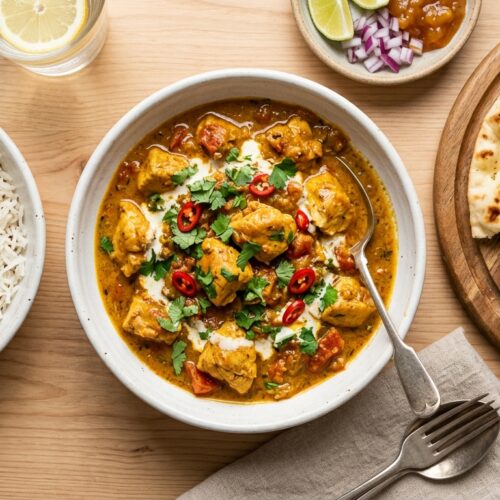
Indian Chicken Curry

Equipment
- Large heavy-bottomed pot or Dutch oven - At least 4-quart / 3.8L capacity, with tight-fitting lid
- Sharp chef's knife
- Cutting board
- Measuring spoons
- Measuring cups
- Box grater or microplane - For grating ginger
- Wooden spoon or heat-safe spatula
- Small bowl - For whisking yogurt
Ingredients
- 2 lbs bone-in chicken pieces - 900g, skin removed (or 1.5 lbs / 680g boneless chicken thighs, cut into 2-inch pieces)
- 3 tablespoons neutral oil - such as vegetable or avocado oil
- 1 teaspoon whole cumin seeds
- 2 medium yellow onions - about 2 cups or 300g, finely diced
- 1 green chili pepper - such as serrano or Thai chili, finely chopped
- 1 tablespoon fresh ginger - grated or minced
- 5 garlic cloves - minced
- 2 medium Roma tomatoes - about 1/2 cup or 120ml crushed canned tomatoes, finely chopped
- 0.5 teaspoon turmeric powder
- 1 teaspoon coriander powder
- 1 teaspoon cumin powder
- 1.5 teaspoons Kashmiri red chili powder - or mild paprika for less heat
- 1.5 teaspoons salt - or to taste
- 0.5 cup plain whole-milk yogurt - 120ml, whisked until smooth
- 0.75 cup water - 180ml
- 1 teaspoon garam masala
- 2 tablespoons fresh cilantro - chopped, for garnish
For Serving
- Steamed basmati rice
- Warm garlic naan bread
Instructions
- Pat chicken dry with paper towels. Remove skin from bone-in pieces. Dice onions, mince garlic, grate ginger, and chop tomatoes. Whisk yogurt until smooth.
- Heat oil in a Dutch oven over medium heat. Add cumin seeds and sizzle for 30-45 seconds until fragrant. Add onions and green chili, cook for 15-18 minutes, stirring frequently, until deep golden brown.
- Add garlic and ginger, cook for 2 minutes until fragrant. Stir in turmeric, coriander, cumin, and chili powder. Cook for 1-2 minutes, stirring constantly, to bloom the spices.
- Add tomatoes and salt. Cook for 8-10 minutes, stirring frequently, until tomatoes break down and oil separates around the edges of the masala.
- Reduce heat to medium. Add whisked yogurt one tablespoon at a time, stirring continuously after each addition. Cook for 2-3 minutes until fully incorporated and sauce is thick.
- Add chicken and coat thoroughly in the masala. Cook for 3-4 minutes over medium heat. Pour in water, bring to a gentle boil, reduce heat to low, cover, and simmer for 20-25 minutes (bone-in) or 15-18 minutes (boneless).
- Remove lid, check sauce consistency, and cook uncovered to reduce if needed. Stir in garam masala, adjust salt, garnish with cilantro, and serve hot with rice or naan.
Notes
- Don’t rush the onions: The single most important step is cooking the onions until they are truly golden brown. Budget a full 15 minutes for this step.
- Whisk yogurt before adding: Cold, lumpy yogurt is far more likely to split or curdle. Always whisk it smooth first and add it slowly.
- Bloom the spices: Cooking ground spices in oil for 1-2 minutes before adding liquid develops their full flavor. Skipping this creates a flat, raw spice taste.
- Look for oil separation: When oil pools around the edges of the masala, the tomatoes have fully cooked down. This is a visual signal you can rely on every time.
- Use bone-in chicken for more flavor: The bones release collagen during cooking that enriches the sauce naturally, making it thicker and more unctuous.
- Storage: Refrigerate in an airtight container for up to 4 days. Freeze for up to 3 months. Thaw overnight in the refrigerator before reheating.
- Reheating: Warm on the stovetop over medium-low heat, stirring occasionally. Add a splash of water or broth if the sauce has thickened too much.
- Coconut milk variation: Replace the yogurt and 1/2 cup of water with one full can (400ml / 13.5 oz) of full-fat coconut milk for a creamier, mildly sweet sauce.
- Butter chicken style: Add 2 tablespoons of butter and 1/4 cup (60ml) of heavy cream at the end of cooking for a richer, sweeter curry.
- Adjust the heat: For a milder curry, use paprika instead of chili powder and omit the green chili. For a hotter version, increase chili powder and add a pinch of cayenne.
Final Thoughts
This chicken curry recipe is everything a great home-cooked meal should be: deeply flavorful, comforting, and achievable on a weeknight.
Once you get comfortable with building the masala base, you will find it becomes second nature. The technique is highly repeatable and adaptable to whatever you have in your pantry.
Make a big pot, enjoy it fresh, and look forward to leftovers that taste even better tomorrow. There is a real joy in having a recipe like this in your repertoire.
Give it a try this week and see for yourself how satisfying homemade curry can be. If you make it, leave a comment below and let me know how it turned out. Sharing your experience helps other readers too!
Recommended:
- Chicken Tikka Masala Recipe
- Chicken Korma Recipe
- Basmati Rice Recipe
- Easy Butter Chicken Recipe
- Authentic Butter Chicken Recipe
- Tandoori Chicken Recipe
- Mulligatawny Soup Recipe
- Garlic Naan Bread Recipe
- Chicken Stew Recipe
- Curry Chicken Salad Recipe