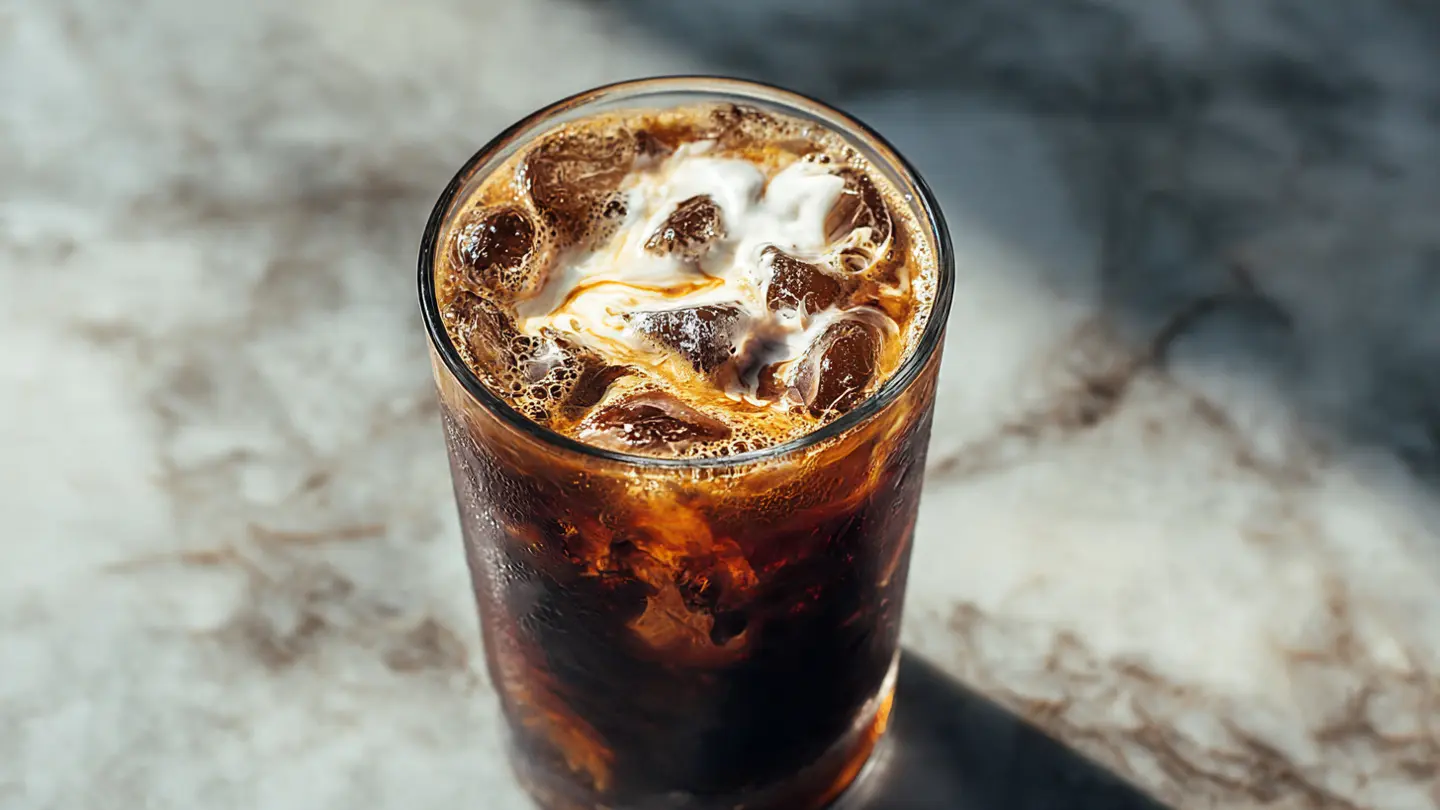
Making cold brew coffee at home is easier than you might think, and once you try this cold brew coffee recipe, you’ll never want to buy expensive coffee shop versions again. This method creates a smooth, rich concentrate with low acidity and natural sweetness that transforms your morning routine into something special.
Unlike iced coffee, which is simply hot coffee poured over ice, cold brew uses a completely different brewing process that extracts different flavor compounds from the beans. The cold water steeps the coffee grounds slowly over 12 to 24 hours, pulling out sweet, chocolatey notes while leaving behind the bitter acids that hot brewing methods extract. The result is a velvety, mellow coffee concentrate that tastes incredible on its own or mixed with your favorite milk and sweetener.
What makes this recipe particularly appealing is its simplicity. You don’t need expensive equipment or barista skills.
A large mason jar, some coarsely ground coffee beans, filtered water, and a bit of patience are all it takes. Once you’ve made your first batch, you’ll realize how much money you’re saving compared to buying bottled cold brew or visiting coffee shops daily. Plus, having cold brew concentrate ready in your fridge means you can enjoy café-quality coffee any time the craving strikes.
The versatility of cold brew is another major advantage. You control the strength, the dilution ratio, and the flavor additions.
Want it stronger? Use less water when diluting.
Prefer it creamier? Add more milk. The concentrate stores beautifully in the refrigerator for up to two weeks, making it perfect for meal prep enthusiasts who like having things ready to go.
This cold brew coffee recipe will walk you through every step of the process, from selecting the right beans to achieving that perfect smooth finish. I’ve included detailed instructions, helpful tips, and troubleshooting advice to ensure your first batch turns out perfectly.
Why You’ll Love This Cold Brew Coffee Recipe
This recipe delivers consistently smooth, perfectly balanced cold brew every time. The low acidity makes it gentler on your stomach compared to hot brewed coffee, which is especially beneficial if you’re sensitive to the acidity in regular coffee.
The concentrated format gives you incredible flexibility in how you serve it. You can customize each cup to your exact preferences without having to brew a new pot.
Here’s what makes this cold brew coffee recipe exceptional:
- Incredibly smooth flavor: The cold brewing process eliminates the bitterness and sharp acidity found in hot coffee, creating a naturally sweet and mellow cup
- Simple ingredients: Just two ingredients (coffee and water) are needed to create this delicious concentrate
- No special equipment required: A mason jar, fine mesh strainer, and cheesecloth are all you need to get started
- Economical: Making cold brew at home costs a fraction of what you’d pay at coffee shops or for bottled versions
- Long shelf life: The concentrate keeps in the refrigerator for up to two weeks, making it perfect for advance preparation
- Customizable strength: Control exactly how strong or mild you want each serving by adjusting the dilution ratio
- Versatile base: Use it for lattes, over ice, mixed with flavored syrups, or even in coffee cocktails
Another favorite breakfast beverage: Easy Waffle Recipe
Ingredients
This cold brew coffee recipe uses a 1:4 ratio of coffee to water, which creates a rich concentrate that you’ll dilute before drinking. The measurements below make approximately 4 cups (960 ml) of concentrate, which yields about 8 servings when diluted.
For the Cold Brew Concentrate:
- 1 cup (120g) coarsely ground coffee beans (medium to dark roast works best)
- 4 cups (960 ml) cold filtered water
For Serving (per cup):
- 1/2 cup (120 ml) cold brew concentrate
- 1/2 cup (120 ml) cold water, milk, or milk alternative
- Ice cubes
- Optional: sweetener of choice, vanilla extract, flavored syrups
The quality of your ingredients directly impacts the final taste. Use freshly ground coffee beans rather than pre-ground coffee whenever possible.
Pre-ground coffee starts losing its flavor within days of grinding, while whole beans stay fresh for weeks. Choose beans you enjoy drinking as hot coffee, since the cold brew process will highlight their natural flavor characteristics. Medium to dark roasts tend to work particularly well because they create that rich, smooth profile that cold brew is known for.
The water quality matters too. Tap water with strong mineral flavors or chlorine will affect the taste of your cold brew.
Filtered water produces the cleanest, most neutral base that lets the coffee flavors shine through. If your tap water tastes good on its own, it will work fine, but using filtered water guarantees the best results.
Kitchen Equipment Needed
The beauty of this recipe lies in its simplicity. You probably already own everything you need to make excellent cold brew at home.
Essential Equipment:
- 32-ounce (1 quart) mason jar or large glass pitcher
- Coffee grinder (burr grinder preferred for consistent coarse grind)
- Fine mesh strainer
- Cheesecloth or coffee filters
- Large bowl or measuring cup for straining
- Long spoon for stirring
- Glass storage container with lid for the finished concentrate
A burr grinder produces the most consistent coarse grind, which is crucial for cold brew. Blade grinders can work, but they create uneven particle sizes that may result in over-extraction or under-extraction.
If you don’t own a grinder, you can buy whole beans and ask your local coffee shop or grocery store to grind them for you. Just specify that you need a coarse grind similar to what’s used for French press coffee.
The mason jar serves as both the brewing vessel and temporary storage. Glass is ideal because it doesn’t absorb odors or flavors and allows you to see the brewing process.
A quart-sized jar is perfect for this recipe, but you can scale up to half-gallon jars if you want to make larger batches.
Try this hearty option too: Breakfast Casserole Recipe
Recommended Products for This Recipe
These carefully selected products will enhance your cold brew experience and ensure consistently excellent results every time you brew.
1. Baratza Encore Conical Burr Coffee Grinder
This grinder produces uniformly coarse grounds that extract evenly during the steeping process, preventing bitterness and sediment. The 40 grind settings give you precise control, and the durable burr mechanism will serve you well for years. It’s an investment that improves not just your cold brew but all your coffee brewing methods.
2. Takeya Deluxe Cold Brew Coffee Maker
This specialized pitcher makes cold brew even easier with its built-in fine mesh filter that eliminates the need for straining through cheesecloth. The airtight lid keeps your concentrate fresh, and the non-slip handle makes pouring effortless. The 2-quart capacity is perfect for households that go through cold brew quickly.
3. Peet’s Coffee Major Dickason’s Blend Whole Bean
This dark roast creates exceptionally smooth cold brew with rich, complex flavors and subtle chocolate notes. The full-bodied profile holds up beautifully even when diluted, and the quality is consistent from bag to bag. Using high-quality beans like these makes a noticeable difference in your final cup.
4. Filtrete Water Station
Clean water is essential for clean-tasting cold brew, and this filtration system removes chlorine, sediment, and other impurities that can affect flavor. The large capacity means you always have filtered water ready for brewing. It’s a simple upgrade that improves the taste of your cold brew significantly.
Step-by-Step Instructions
Follow these detailed steps to create perfectly smooth, delicious cold brew concentrate that rivals anything you’d find at a specialty coffee shop.
1. Grind Your Coffee Beans
Substeps:
- Measure out 1 cup (120g) of whole coffee beans using a kitchen scale or measuring cup
- Set your coffee grinder to the coarsest setting available (if using a burr grinder, this is usually labeled “French Press” or the highest number)
- Grind the beans in small batches if using a blade grinder to ensure even particle size
- The finished grounds should resemble coarse sea salt or raw sugar, not fine powder
- If grinding at a store, ask them to use the “French Press” or “Percolator” setting
The grind size is crucial for cold brew success. Grounds that are too fine will over-extract during the long steeping time, creating bitter, muddy coffee.
Grounds that are too coarse won’t extract enough flavor, leaving you with weak, watery concentrate. Take a moment to examine your grounds after grinding.
You should see distinct, chunky particles rather than powder. If they clump together when pressed, they’re too fine.
2. Combine Coffee and Water
Substeps:
- Place the 1 cup (120g) of coarsely ground coffee into your clean 32-ounce (1 quart) mason jar
- Pour 4 cups (960 ml) of cold filtered water over the grounds
- Use a long spoon to gently stir the mixture for about 15-20 seconds, making sure all the coffee grounds are saturated with water
- You’ll notice some grounds floating on top initially, which is normal
- Continue stirring until you don’t see any dry pockets of coffee in the mixture
- Scrape down any grounds stuck to the sides of the jar with your spoon
Proper saturation ensures even extraction throughout the steeping period. Dry pockets of coffee won’t extract properly and will go to waste.
The initial stirring also helps release some of the carbon dioxide trapped in the freshly ground beans, which allows the water to penetrate more effectively. Don’t worry if the mixture looks messy or if coffee grounds stick to the sides above the water line at first.
A gentle stir brings everything together.
3. Cover and Steep
Substeps:
- Place the lid on the mason jar or cover it tightly with plastic wrap
- Set the jar on your kitchen counter at room temperature for 12 to 24 hours (room temperature brewing extracts more oils and creates a fuller body)
- Alternatively, you can refrigerate the jar if you prefer (refrigerator brewing takes longer but produces slightly cleaner flavors)
- Avoid placing the jar in direct sunlight or near heat sources
- Give the jar a gentle swirl or stir once around the 6-hour mark if you remember, but this step is optional
- After 12 hours, taste a small amount to check the strength (if it’s not strong enough for your preference, let it steep longer)
- Steep for a maximum of 24 hours to prevent over-extraction
The steeping time significantly affects the final flavor. Twelve hours produces a lighter, more delicate concentrate that’s perfect if you prefer milder coffee.
Eighteen hours hits the sweet spot for most people, creating a well-balanced concentrate with good body and flavor. Twenty-four hours yields the strongest concentrate with the deepest flavor, though you risk some bitterness if you go much longer.
Room temperature steeping extracts more quickly than refrigerator steeping. At room temperature, 12 to 18 hours is usually sufficient.
In the refrigerator, you might want to steep for 16 to 24 hours to achieve the same strength. The choice comes down to personal preference and convenience.
Read Also: Belgian Waffle Recipe
4. Strain the Coffee
Substeps:
- Line your fine mesh strainer with 2 to 3 layers of cheesecloth or place a coffee filter in the strainer
- Position the lined strainer over a large bowl or measuring cup
- Slowly pour the cold brew mixture through the strainer, allowing the concentrate to filter into the bowl below
- Let gravity do the work and avoid pressing or squeezing the grounds, which releases bitter compounds and creates sediment
- This initial straining will take 5 to 10 minutes, be patient
- If the flow slows significantly, you can gently lift and reposition the cheesecloth without squeezing
- Once all the liquid has drained, discard the used coffee grounds (they’re excellent for composting)
- For an even cleaner concentrate, strain the coffee a second time through fresh cheesecloth or a coffee filter
Proper straining technique makes the difference between silky smooth cold brew and gritty concentrate. The multiple layers of cheesecloth catch the fine particles that slip through a strainer alone.
Coffee filters work wonderfully too, though they filter more slowly than cheesecloth. If you’re using paper filters, be prepared for the process to take 15 to 20 minutes.
Never squeeze or press the grounds during straining. This forces out compounds that make the coffee bitter and creates cloudy concentrate with sediment.
Let the liquid drip naturally, even though it seems slow. The extra patience pays off with better-tasting coffee.
5. Store the Concentrate
Substeps:
- Transfer the strained cold brew concentrate to a clean glass bottle or mason jar with an airtight lid
- Label the container with the date you made the cold brew
- Store the concentrate in the refrigerator immediately
- The concentrate will keep fresh for up to 2 weeks when properly refrigerated
- Always use clean utensils when pouring to avoid introducing bacteria
- You may notice some natural sediment settling at the bottom over time, which is normal
- Give the container a gentle swirl before using if any sediment has settled
Proper storage extends the life of your cold brew and maintains its quality. Glass containers are ideal because they don’t absorb odors or impart any flavors.
Make sure your storage container is completely clean and dry before adding the concentrate. An airtight seal prevents the coffee from absorbing refrigerator odors and keeps it fresh longer.
Dating your concentrate helps you track freshness. While cold brew can technically last up to two weeks, it tastes best within the first 7 to 10 days.
After that, you may notice some subtle flavor changes, though it’s still perfectly safe to drink.
6. Dilute and Serve
Substeps:
- Fill a glass with ice cubes
- Pour 1/2 cup (120 ml) of cold brew concentrate into the glass
- Add 1/2 cup (120 ml) of cold water, milk, or your preferred milk alternative (this creates a 1:1 dilution ratio)
- Stir gently to combine
- Taste and adjust the ratio to your preference (for stronger coffee, use less dilution; for milder coffee, use more)
- Add sweetener if desired (simple syrup, honey, or sugar)
- Optional: add a splash of vanilla extract, cinnamon, or flavored syrup for variety
- Serve immediately and enjoy
The beauty of cold brew concentrate is the customization it offers. The standard 1:1 dilution ratio works for most people, but you should adjust it to match your taste preferences.
If you find it too strong, use a 1:2 ratio (one part concentrate to two parts dilution). If you want it more intense, try a 2:1 ratio.
Milk and cream add richness and create a latte-style drink. Whole milk provides the creamiest texture, but any milk works beautifully.
Unsweetened almond milk, oat milk, and coconut milk all pair wonderfully with cold brew. Each creates a different flavor profile, so experiment to find your favorite.
For another delicious breakfast: Buttermilk Pancake Recipe
Tips for Success
These expert tips will help you achieve café-quality cold brew every single time you make this recipe.
Key tips to remember:
- Use freshly ground beans: Grind your beans just before brewing for the best flavor, as pre-ground coffee loses its aromatic oils quickly
- Don’t skip the coarse grind: Fine grounds create bitter, over-extracted coffee with unpleasant sediment
- Use quality beans you enjoy: Cold brew highlights the natural flavors of your coffee, so choose beans you’d be happy drinking hot
- Stick to cold or room temperature water: Hot water extracts different compounds and will not produce true cold brew
- Be patient with steeping time: Rushing the process results in weak, under-extracted concentrate
- Strain gently without pressing: Squeezing the grounds forces out bitter compounds and creates cloudy coffee
- Store concentrate in glass: Glass containers don’t absorb odors and keep your cold brew tasting fresh
- Experiment with ratios: Everyone’s taste is different, so adjust the coffee-to-water and concentrate-to-dilution ratios to match your preferences
- Use filtered water: Clean water creates clean-tasting coffee without unwanted mineral flavors
One common mistake is using too fine a grind because that’s what people use for drip coffee. Remember that cold brew steeps for 12 to 24 hours, which is much longer than the few minutes hot water is in contact with coffee grounds in a drip maker.
The extended contact time means you need larger particles to prevent over-extraction.
Another tip is to make cold brew regularly so you always have concentrate on hand. The batch sizes in this recipe are designed to last a typical household about a week.
Once you establish a routine of making a new batch every Sunday, for example, you’ll never run out. The minimal hands-on time makes it easy to fit into your schedule.
Serving Suggestions
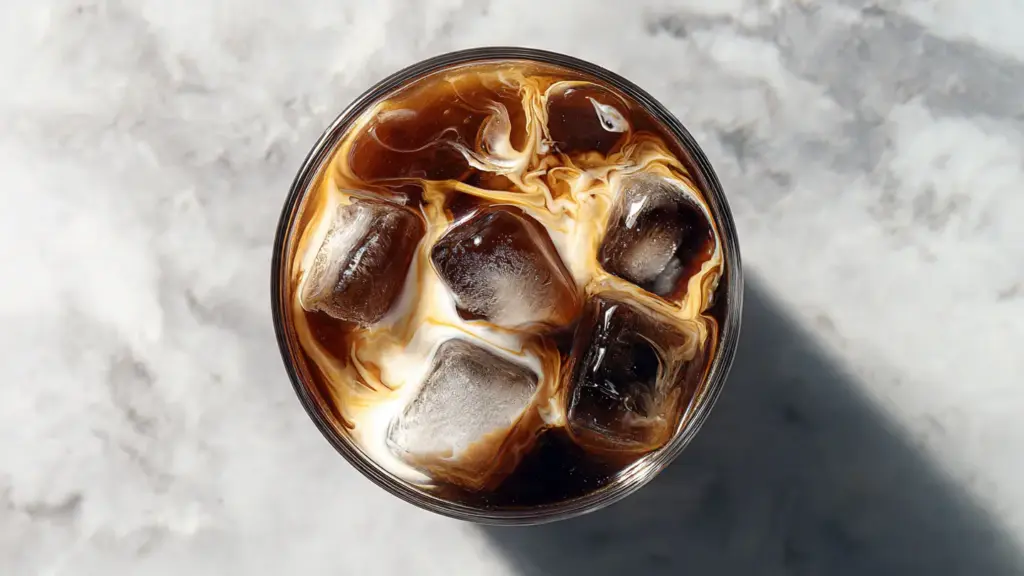
Cold brew concentrate is incredibly versatile and works beautifully in numerous preparations beyond the classic iced coffee.
Cold brew pairs exceptionally well with breakfast foods, especially those with rich, savory flavors that balance the coffee’s smooth sweetness. The concentrated format means you can create multiple drink styles from a single batch.
Delicious ways to enjoy your cold brew:
- Classic iced coffee: Dilute with cold water and serve over ice with a splash of cream
- Cold brew latte: Mix concentrate with equal parts milk (dairy or non-dairy) over ice for a creamy, latte-style drink
- Vietnamese-style coffee: Sweeten with condensed milk and serve over ice for a rich, dessert-like beverage
- Coffee soda: Dilute concentrate with sparkling water and add a splash of simple syrup for a refreshing fizzy coffee drink
- Protein coffee smoothie: Blend cold brew concentrate with banana, protein powder, milk, and ice for a caffeinated post-workout drink
- Coffee cocktails: Use cold brew as a base for espresso martinis, White Russians, or Irish coffee variations
- Affogato-style: Pour a shot of cold brew concentrate over vanilla ice cream for a simple, elegant dessert
- Morning parfait companion: Serve alongside Greek yogurt Homemade Granola for a balanced breakfast
Cold brew also works surprisingly well in baking and cooking. You can use it to flavor ice cream, add depth to chocolate desserts, or create coffee-infused glazes for cakes and pastries.
The concentrate’s smooth flavor won’t introduce bitterness the way brewed coffee sometimes does in recipes.
For a sweet pairing, try it with Classic Tiramisu Recipe
Variations to Try
Once you’ve mastered the basic cold brew technique, these creative variations will help you explore new flavor dimensions and keep your cold brew routine exciting.
Each variation builds on the same fundamental process but introduces new ingredients or techniques that create distinctly different taste profiles. Feel free to experiment and combine elements from different variations.
Exciting variations:
- Vanilla cold brew: Add 1 whole vanilla bean (split lengthwise) to the coffee grounds before steeping, or add 1 teaspoon of vanilla extract to the finished concentrate
- Cinnamon cold brew: Add 2 to 3 cinnamon sticks to the jar along with the coffee grounds for warm, spiced notes
- Chocolate cold brew: Add 2 tablespoons of cacao nibs or dark cocoa powder to the grounds for a mocha-flavored concentrate
- Cardamom cold brew: Add 5 to 6 crushed cardamom pods for Middle Eastern-inspired flavors
- Orange cold brew: Add the zest of one orange to the grounds for bright citrus notes
- New Orleans-style: Add 2 tablespoons of chicory coffee grounds to the regular coffee for a distinctive, slightly bitter flavor
- Coconut cold brew: Replace half the water with coconut water for tropical sweetness
- Maple cold brew: Steep the coffee with 2 tablespoons of maple syrup for natural sweetness
- Nutty cold brew: Add 1/4 cup of whole almonds or hazelnuts to the grounds for subtle nuttiness
You can also experiment with different coffee bean origins and roasts to discover new flavor profiles. Single-origin beans from Ethiopia offer bright, fruity notes.
Colombian beans provide balanced, caramel-like sweetness. Sumatran beans create earthy, full-bodied cold brew with low acidity.
Seasonal variations work wonderfully too. In autumn, try adding pumpkin spice blend to the grounds.
During the holidays, cardamom and clove create festive cold brew. Summer calls for lighter preparations with fresh mint leaves steeped alongside the coffee.
You might also like: Easy Hummus Recipe
Storage and Reheating
Proper storage techniques ensure your cold brew concentrate stays fresh and delicious for as long as possible, while understanding how to warm cold brew opens up new serving possibilities.
Cold brew concentrate is remarkably stable when stored correctly, making it one of the most convenient coffee preparations for busy schedules. The concentrate’s low acidity acts as a natural preservative.
Storage guidelines:
- Refrigerator storage: Store concentrate in an airtight glass container in the refrigerator for up to 2 weeks
- Freezer storage: Pour concentrate into ice cube trays and freeze for up to 3 months (perfect for adding to iced drinks without dilution)
- Room temperature: Never store finished concentrate at room temperature, as it can develop off flavors and potentially harmful bacteria
- Container choice: Use glass containers with tight-fitting lids to prevent odor absorption
- Portion control: Consider storing concentrate in smaller containers so you only open what you’ll use within a few days
For warming cold brew (which creates a different but delicious drink), gently heat the diluted concentrate in a saucepan over low heat or microwave it in 30-second intervals. Don’t boil it, as high heat destroys the delicate flavor compounds that make cold brew special.
Warm cold brew tastes surprisingly smooth and less acidic than traditionally brewed hot coffee. This method is perfect for cold winter mornings when you want the smooth flavor of cold brew but prefer a hot beverage.
You can also add hot water to cold brew concentrate instead of cold water for instant hot coffee.
Another breakfast staple: French Toast Casserole Recipe
Nutritional Facts
Per serving (1 cup diluted cold brew with water, no additions):
- Calories: 5
- Total Fat: 0g
- Sodium: 10mg
- Total Carbohydrates: 0g
- Protein: 0.5g
- Caffeine: Approximately 150-200mg (varies based on bean type and steeping time)
Cold brew concentrate is naturally low in calories and contains no fat or carbohydrates when served black. The calorie and nutrient content changes significantly when you add milk, cream, or sweeteners.
A 1:1 dilution with whole milk adds approximately 75 calories, 4g of fat, and 6g of carbohydrates per serving. Unsweetened almond milk adds only about 15 calories per serving, while oat milk contributes around 60 calories.
The caffeine content in cold brew is often higher than regular coffee due to the higher coffee-to-water ratio used in making the concentrate. However, remember that you’re diluting the concentrate before drinking it, so the final caffeine content per cup is similar to regular coffee.
If you’re sensitive to caffeine, you can use decaf beans or dilute the concentrate with a higher ratio of water or milk.
The lack of acidity in cold brew makes it a better choice for people with sensitive stomachs or acid reflux. The cold brewing process extracts fewer acidic compounds and bitter oils, creating a gentler beverage that’s easier on your digestive system.
Health Benefits of Key Ingredients
Beyond its delicious taste, cold brew coffee offers several health benefits when consumed in moderation as part of a balanced diet.
The cold brewing process preserves beneficial compounds while reducing potentially problematic ones, creating a healthier coffee option for many people. Understanding these benefits can help you appreciate your cold brew even more.
Key health benefits:
- Lower acidity: Cold brew is up to 67% less acidic than hot brewed coffee, making it gentler on your stomach and teeth enamel
- Rich in antioxidants: Coffee is one of the largest sources of antioxidants in the Western diet, and cold brew retains these beneficial compounds
- May boost metabolism: The caffeine in cold brew can increase metabolic rate by 3-11%, potentially aiding weight management
- Enhanced mental focus: Caffeine improves concentration, alertness, and cognitive performance
- May reduce type 2 diabetes risk: Regular coffee consumption has been associated with a reduced risk of developing type 2 diabetes
- Liver protective: Coffee consumption is linked to lower rates of liver disease and liver cancer
- Less bitter compounds: The cold brewing process extracts fewer of the bitter oils and compounds that can cause digestive discomfort
- Mood enhancer: Caffeine stimulates the release of dopamine and serotonin, which can improve mood and motivation
It’s important to note that while coffee has health benefits, adding large amounts of sugar, cream, or flavored syrups can negate some of these advantages. If you’re watching your calorie or sugar intake, consider using unsweetened milk alternatives and limiting added sweeteners.
The key to enjoying coffee’s health benefits is moderation. Most research suggests that 3 to 5 cups of coffee per day (providing up to 400mg of caffeine for adults) is associated with health benefits.
However, individual tolerance varies, and some people may need to limit their intake due to caffeine sensitivity, pregnancy, or certain medical conditions.
Try this hearty option: Hamburger Soup Recipe
Frequently Asked Questions
1. Can I use pre-ground coffee for cold brew?
You can use pre-ground coffee, but freshly ground beans produce significantly better results. Pre-ground coffee loses its aromatic oils and flavor compounds within days of grinding, which results in flat-tasting cold brew.
If you must use pre-ground coffee, choose the coarsest grind available (usually labeled for French press) and use it within a week of opening the package for the best flavor.
2. How long does cold brew concentrate last in the refrigerator?
Cold brew concentrate stays fresh in the refrigerator for up to 2 weeks when stored in an airtight container. However, the flavor is at its peak during the first 7 to 10 days.
After that, you may notice some subtle changes in taste, though it remains safe to drink. Always use clean utensils when pouring to avoid introducing bacteria that could shorten its shelf life.
3. Can I make cold brew in the refrigerator instead of at room temperature?
Yes, you can brew cold brew in the refrigerator, and many people prefer this method. Refrigerator brewing produces slightly cleaner, more delicate flavors but takes longer to reach full strength.
If brewing in the fridge, extend your steeping time to 18 to 24 hours. Room temperature brewing extracts more oils and creates fuller body but requires only 12 to 18 hours.
4. Why is my cold brew bitter or over-extracted?
Bitter cold brew usually results from one of three issues: grounds that are too fine (which over-extract during the long steeping time), steeping for too long (more than 24 hours), or squeezing the grounds during straining (which forces out bitter compounds). Make sure you’re using a coarse grind similar to raw sugar or sea salt, steep for no more than 24 hours, and strain gently without pressing the grounds.
5. How much caffeine is in cold brew compared to regular coffee?
Cold brew concentrate contains more caffeine per ounce than regular coffee because it uses a higher ratio of coffee to water. However, you dilute the concentrate before drinking, which brings the caffeine content to approximately 150 to 200mg per 8-ounce serving.
This is comparable to or slightly higher than regular drip coffee, which typically contains 95 to 165mg per 8-ounce cup. The exact amount varies based on the beans used and steeping time.
6. Can I heat up cold brew to drink it hot?
Yes, you can gently warm diluted cold brew for a hot beverage with uniquely smooth flavor. Heat it slowly in a saucepan over low heat or microwave it in 30-second intervals until it reaches your desired temperature.
Avoid boiling, as high heat destroys the delicate flavor compounds. Hot cold brew tastes different from traditionally brewed coffee because it’s less acidic and has different flavor notes, but many people enjoy it as a gentler hot coffee option.
7. What’s the best coffee-to-water ratio for cold brew?
The most common ratio is 1:4 (coffee to water), which creates a concentrate that you dilute before drinking. This recipe uses 1 cup of coffee to 4 cups of water.
For a stronger concentrate, try 1:3. For a lighter concentrate, use 1:5 or even 1:8.
You can also adjust strength when serving by changing the dilution ratio rather than changing the brewing ratio.
8. Do I need to filter my cold brew twice?
Double straining isn’t required but produces exceptionally clean, sediment-free concentrate. The first strain through cheesecloth removes the bulk of the grounds.
A second strain through fresh cheesecloth or a coffee filter catches any remaining fine particles. If you don’t mind minimal sediment, single straining through multiple layers of cheesecloth is sufficient.
9. What type of coffee beans work best for cold brew?
Medium to dark roast beans work best for cold brew because they create the rich, smooth, chocolatey flavors that cold brew is known for. Light roasts can taste weak or sour when cold brewed.
Choose whole beans from a origin or blend you enjoy drinking as hot coffee, since cold brew will highlight those natural flavors. Popular choices include Brazilian, Colombian, and Sumatran beans.
10. Can I reuse coffee grounds to make a second batch?
No, you cannot reuse coffee grounds for another batch of cold brew. The 12 to 24 hour steeping time extracts nearly all of the soluble compounds from the grounds, leaving them spent and flavorless.
Reused grounds would produce extremely weak, watery concentrate with little flavor. Always start with fresh grounds for each batch and compost the used ones.
For another comforting beverage pairing: Cream of Mushroom Soup Recipe
Final Thoughts
Making cold brew coffee at home transforms your relationship with coffee. Once you experience the smooth, naturally sweet flavor of homemade cold brew, the convenience of having it ready in your refrigerator, and the money you save compared to buying it, you’ll wonder why you didn’t start sooner.
This recipe gives you the foundation to create café-quality cold brew in your own kitchen with minimal equipment and effort. The beauty of cold brew lies in its simplicity and flexibility.
You can customize every aspect to match your preferences, from the bean selection to the steeping time to the final dilution ratio. Each batch you make teaches you more about what you enjoy.
I encourage you to make your first batch this weekend. Set aside five minutes to grind your beans and combine them with water, then let time work its magic.
When you taste your first cup of smooth, delicious homemade cold brew 12 to 24 hours later, you’ll be hooked. Share your cold brew experience in the comments below, and let me know which variations you’re excited to try.
Recommended:
- Easy French Toast Recipe
- Classic French Toast Recipe
- Easy Egg Salad Recipe
- Classic Egg Salad Recipe
- Air Fryer Egg Bites Recipe
- Air Fryer Egg Toast Recipe
- Cloud Eggs Recipe
- Classic Deviled Eggs Recipe
- Easy Granola Recipe
- Easy Pesto Recipe