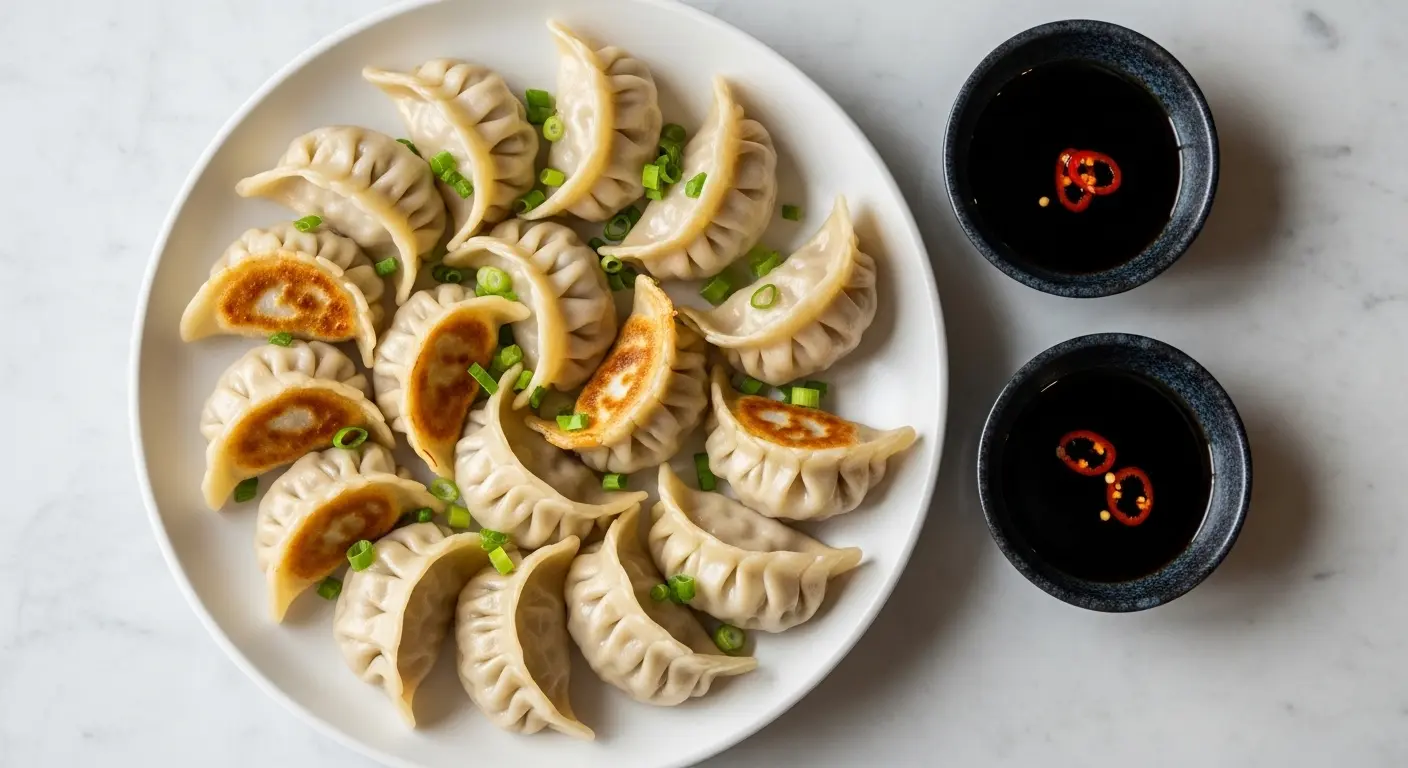
Making Chinese dumplings at home is one of the most rewarding culinary experiences you can have. These delicate parcels filled with savory pork and vegetables have been a staple in Chinese cuisine for centuries, bringing families together around the table for wrapping sessions that turn cooking into a celebration.
The beauty of a Chinese dumplings recipe lies in its simplicity and versatility. You start with a basic dough made from flour and water, create a flavorful filling of ground pork, cabbage, and aromatics, then fold everything into beautiful crescent-shaped packages. The process might seem time-consuming at first, but once you get the hang of it, you’ll find it surprisingly therapeutic.
What makes homemade dumplings special is the control you have over every ingredient. Unlike store-bought versions that can be overly salty or contain preservatives, your homemade batch features fresh vegetables, quality meat, and just the right balance of seasonings. Plus, you can adjust the flavors to suit your preferences, making them spicier, adding more ginger, or incorporating different vegetables.
The traditional filling combines ground pork with finely chopped napa cabbage that’s been salted and squeezed to remove excess moisture. This technique prevents the dumplings from becoming soggy while ensuring a tender, juicy filling. Fresh ginger and scallions add aromatic depth, while sesame oil provides that authentic nutty flavor that makes Chinese dumplings so irresistible.
You might also enjoy: Chicken Fried Rice
Why You’ll Love This Chinese Dumplings Recipe
This recipe delivers authentic flavor without requiring specialty ingredients that are hard to find. Everything you need is available at your local grocery store, making it accessible for home cooks at any skill level.
The versatility is another major advantage. You can boil them for a soft, tender texture, pan-fry them for crispy pot stickers with golden bottoms, or steam them for a lighter, healthier option. Each cooking method transforms the same dumpling into a completely different experience.
Here’s what makes this recipe stand out:
- Foolproof dough recipe that comes together in minutes and requires minimal resting time
- Perfectly seasoned filling with the ideal ratio of meat to vegetables for maximum juiciness
- Clear instructions that walk you through each step, from mixing the dough to folding techniques
- Make-ahead friendly so you can freeze batches for quick weeknight dinners
- Customizable flavors allowing you to adjust seasonings to your taste preferences
- Budget-friendly using affordable ingredients that stretch far enough to feed a crowd
Making dumplings also becomes a wonderful family activity. Kids love helping with the folding process, and even imperfectly shaped dumplings taste delicious. The act of creating these little parcels together creates memories while teaching valuable cooking skills.
Read Also: Easy Fried Rice
Ingredients
This Chinese dumplings recipe requires simple, accessible ingredients divided into three components: the dough, the filling, and the dipping sauce. Each element plays a crucial role in creating the perfect dumpling experience.
For the Dumpling Dough:
- 2 cups (250g) all-purpose flour, plus extra for dusting
- 3/4 cup (180ml) warm water
- 1/4 teaspoon salt
For the Dumpling Filling:
- 1 pound (450g) ground pork
- 2 cups (200g) napa cabbage, finely chopped
- 1 teaspoon salt (for salting the cabbage)
- 3 scallions, finely chopped
- 2 tablespoons fresh ginger, minced
- 2 cloves garlic, minced
- 2 tablespoons soy sauce
- 1 tablespoon sesame oil
- 1 tablespoon Shaoxing wine or dry sherry
- 1/2 teaspoon white pepper
- 1 egg, lightly beaten
For the Dipping Sauce:
- 3 tablespoons soy sauce
- 2 tablespoons Chinese black vinegar
- 1 teaspoon chili oil (optional)
- 1 teaspoon sesame oil
- 1 clove garlic, minced
- Fresh ginger slices (optional)
This pairs beautifully with Easy Orange Chicken for a complete Chinese feast.
Kitchen Equipment Needed
Having the right tools makes the dumpling-making process much smoother and more enjoyable. While you can make dumplings with just a rolling pin and a bowl, a few specialized items will significantly improve your experience.
- Large mixing bowl for making the dough and preparing the filling
- Chinese rolling pin (a small, handle-free pin works best for dumpling wrappers)
- Clean kitchen towels to cover the dough and prevent drying
- Large pot with lid for boiling dumplings
- Non-stick skillet for making pot stickers
- Slotted spoon or spider strainer for removing boiled dumplings
- Bench scraper or knife for dividing the dough
- Small bowl of water for sealing the dumpling edges
- Baking sheet lined with parchment paper for holding assembled dumplings
- Bamboo steamer (optional, for steaming method)
Another favorite: Panda Express Orange Chicken
Recommended Products for This Recipe
These carefully selected products will elevate your dumpling-making experience and ensure consistent, professional results every time.
1. Chinese Wooden Rolling Pin
A traditional Chinese rolling pin is narrower and handle-free, giving you better control when rolling out small dumpling wrappers. The smooth surface creates perfectly thin wrappers with thicker centers that won’t tear when filled. This inexpensive tool makes a noticeable difference in achieving authentic results.
2. Premium Toasted Sesame Oil
Quality sesame oil transforms your dumpling filling from good to exceptional. Look for toasted sesame oil with a rich, amber color and intense nutty aroma. The deeper flavor profile adds authentic taste that you simply can’t replicate with regular vegetable oil.
3. Chinkiang Black Vinegar
This dark, slightly sweet Chinese vinegar is essential for authentic dumpling dipping sauce. Its complex, malty flavor with hints of sweetness creates the perfect balance when combined with soy sauce. Once you try this, you’ll never go back to plain rice vinegar.
4. Non-Stick Skillet with Lid
A quality non-stick skillet ensures your pot stickers achieve that coveted golden-brown crust without sticking to the pan. The lid is crucial for the steam-frying technique that cooks the dumplings through while creating crispy bottoms.
5. Bamboo Steamer Basket Set
For those who prefer steamed dumplings, a bamboo steamer provides gentle, even heat distribution. The natural material prevents condensation from dripping onto your dumplings, keeping them perfectly textured. Plus, you can stack multiple tiers to cook large batches efficiently.
For a lighter option, try: Healthy Chicken Salad
Step-by-Step Instructions
Follow these detailed instructions to create perfect Chinese dumplings from scratch. Take your time with each step, especially if this is your first attempt. The process becomes much faster with practice.
1. Prepare the Dumpling Dough
- Add the all-purpose flour and salt to a large mixing bowl, creating a small well in the center
- Pour the warm water into the well gradually while using chopsticks or a wooden spoon to stir in a circular motion
- Continue stirring until the mixture forms shaggy clumps and most of the flour is incorporated
- Use your hands to bring the dough together, kneading it in the bowl for about 1 minute until it forms a rough ball
- Cover the bowl with a damp kitchen towel and let it rest for 10 minutes (this initial rest relaxes the gluten)
- After resting, knead the dough on a lightly floured surface for 3-4 minutes until smooth and elastic
- Form the dough into a ball, place it back in the bowl, cover with the damp towel, and let it rest for at least 30 minutes while you prepare the filling
2. Make the Dumpling Filling
- Place the finely chopped napa cabbage in a bowl and sprinkle with 1 teaspoon of salt
- Toss the cabbage thoroughly and let it sit for 15-20 minutes to draw out excess moisture
- Transfer the salted cabbage to a clean kitchen towel or cheesecloth and squeeze firmly to remove as much liquid as possible (this step is crucial for preventing soggy dumplings)
- In a large mixing bowl, combine the ground pork, squeezed cabbage, scallions, minced ginger, and minced garlic
- Add the soy sauce, sesame oil, Shaoxing wine, white pepper, and lightly beaten egg to the meat mixture
- Using your hands or a wooden spoon, mix all ingredients in one direction (clockwise or counterclockwise) for 3-4 minutes until the mixture becomes sticky and cohesive
- Cover the filling and refrigerate while you roll out the wrappers (chilling helps the filling hold together better)
3. Roll Out the Dumpling Wrappers
- Remove the rested dough from the bowl and knead it briefly on a lightly floured surface
- Roll the dough into a long rope about 1 inch (2.5cm) in diameter
- Use a bench scraper or knife to cut the rope into 24-28 equal pieces
- Dust each piece lightly with flour and flatten it with your palm into a small disc
- Working with one piece at a time (keep the others covered), use a rolling pin to roll from the edges toward the center, rotating the disc after each roll
- Continue rolling and rotating until you have a thin circle about 3-3.5 inches (8-9cm) in diameter with slightly thicker center
- The edges should be thinner than the center so they seal properly without becoming too thick when folded
- Stack the finished wrappers on a plate, dusting lightly with flour between layers to prevent sticking
4. Fill and Fold the Dumplings
- Hold a wrapper in the palm of your non-dominant hand
- Place about 1 tablespoon of filling in the center of the wrapper (don’t overfill, as this makes sealing difficult)
- Dip your finger in water and run it along the entire edge of the wrapper to moisten it
- Fold the wrapper in half to create a half-moon shape, pinching the top center to seal
- Starting from the right side, make 3-4 small pleats, pressing each pleat firmly against the back edge to seal
- Repeat the pleating process on the left side, ensuring all edges are completely sealed
- Press the sealed edges firmly one more time to ensure no filling can leak out during cooking
- Place the finished dumpling on a parchment-lined baking sheet, making sure it sits flat with the pleated side facing up
- Repeat with remaining wrappers and filling, keeping finished dumplings covered with a damp towel if not cooking immediately
5. Cook the Dumplings (Boiling Method)
- Bring a large pot of water to a rolling boil over high heat
- Gently slide 8-10 dumplings into the boiling water, stirring gently with a wooden spoon to prevent them from sticking to the bottom
- When the water returns to a boil, add 1/2 cup of cold water to stop the boiling
- Wait for the water to return to a boil again, then add another 1/2 cup of cold water
- After the third boil, the dumplings should be floating on the surface and appear slightly translucent
- Use a slotted spoon to transfer the cooked dumplings to a serving plate
- Repeat with remaining dumplings, bringing the water back to a full boil between batches
6. Make Pot Stickers (Pan-Frying Method)
- Heat 1 tablespoon of vegetable oil in a non-stick skillet over medium-high heat
- Arrange 10-12 dumplings in the skillet, pleated side up, making sure they don’t touch each other
- Let them cook undisturbed for 2-3 minutes until the bottoms turn golden brown
- Pour 1/4 cup of water into the skillet and immediately cover with a lid (be careful of splattering)
- Reduce heat to medium and steam for 5-6 minutes until the water evaporates completely
- Remove the lid and cook for another 1-2 minutes to re-crisp the bottoms
- Use a spatula to gently loosen the dumplings and transfer them to a plate, crispy side up
7. Prepare the Dipping Sauce
- In a small bowl, combine the soy sauce and Chinese black vinegar
- Add the sesame oil and minced garlic, stirring well to combine
- If using, add chili oil for a spicy kick
- Garnish with thin slices of fresh ginger if desired
- Serve the sauce in individual small bowls alongside the hot dumplings
This technique works wonderfully in Baked Ziti as well for a pasta variation.
Tips for Success
Master these essential tips to ensure your Chinese dumplings turn out perfectly every single time.
Dough Consistency Tips:
- If your dough feels too dry and won’t come together, add water 1 teaspoon at a time
- If the dough is too sticky, dust with additional flour gradually
- The dough should feel smooth and slightly soft, similar to the texture of your earlobe
- Always let the dough rest adequately, as this relaxation period makes rolling much easier
- Keep unused dough covered at all times to prevent it from drying out and forming a crust
Filling Preparation:
- Never skip the step of salting and squeezing the cabbage, as excess moisture will make the wrappers soggy
- Mix the filling in one consistent direction to develop the proteins and create a cohesive texture
- Test the seasoning by cooking a small portion in a pan before filling all the dumplings
- Keep the filling cold until you’re ready to use it, as this makes it easier to handle
- Don’t overfill the dumplings, as this makes them difficult to seal and prone to bursting
Folding and Sealing:
- Make sure your hands and work surface are dry when handling wrappers
- Use just enough water to moisten the edges without making them soggy
- Press firmly when sealing to ensure no air pockets remain inside
- If you’re having trouble with the pleating, a simple half-moon seal works perfectly fine
- Always check that the edges are completely sealed before cooking
Cooking Techniques:
- For boiled dumplings, use plenty of water to prevent crowding and sticking
- The “three boils” method (adding cold water twice) ensures perfectly cooked dumplings
- For pot stickers, don’t move them around once they hit the hot oil
- Use medium heat for pan-frying to avoid burning the bottoms before the tops cook through
- Never stack freshly cooked dumplings, as they’ll stick together
Read Also: Classic Chicken Salad
Serving Suggestions
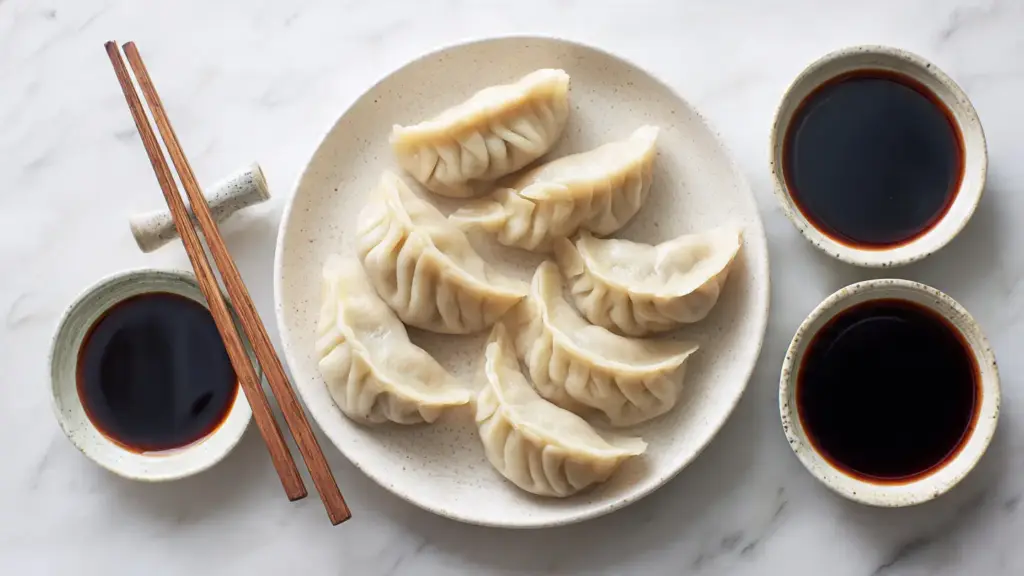
Chinese dumplings are incredibly versatile and can be served in numerous ways to suit different occasions and preferences.
For a traditional presentation, arrange the dumplings on a large platter with individual small bowls of dipping sauce on the side. The contrast of tender, hot dumplings with the tangy, savory sauce creates the perfect balance of flavors.
Create a complete Chinese meal by pairing your dumplings with complementary dishes:
- Hot and sour soup for a warming starter that awakens the palate
- Stir-fried bok choy or Chinese broccoli for a fresh vegetable side
- Cucumber salad dressed with rice vinegar and sesame oil for a cooling contrast
- Scallion pancakes for an additional crispy, savory element
- Jasmine rice or fried rice for those who want a more substantial meal
- Egg drop soup for a light, comforting accompaniment
- Cold sesame noodles for a refreshing side dish
For casual entertaining, set up a dumpling bar where guests can choose between boiled, steamed, or pan-fried preparations. Offer multiple dipping sauce options, including traditional soy-vinegar, spicy chili oil, sweet and sour sauce, or ginger-scallion sauce.
Dumplings also make excellent appetizers before a larger meal. Serve 4-5 pieces per person as a starter, followed by your main course. They’re perfect for parties because you can make them ahead and cook them fresh as guests arrive.
For a lighter meal, serve the dumplings in a simple broth with fresh vegetables and soft-boiled eggs for a comforting dumpling soup. This preparation is especially popular during colder months.
Another favorite: Classic Bruschetta
Variations to Try
Once you’ve mastered the basic Chinese dumplings recipe, experiment with these delicious variations to keep things interesting.
Vegetarian Dumplings:
- Replace the pork with finely chopped mushrooms, tofu, or extra vegetables
- Use a combination of shiitake mushrooms, carrots, wood ear mushrooms, and glass noodles
- Add extra sesame oil and soy sauce to boost the umami flavors
- Include finely chopped water chestnuts for a pleasant crunch
Shrimp Dumplings:
- Substitute half the pork with fresh shrimp, roughly chopped
- Add a small amount of pork fat or fatty pork to keep the filling moist
- Include bamboo shoots for texture
- Season with white pepper and a touch of ginger
Chicken and Chive Dumplings:
- Use ground chicken thigh instead of pork
- Replace the cabbage with fresh Chinese chives (garlic chives)
- Add a bit more sesame oil, as chicken is leaner than pork
- Consider adding minced water chestnuts for crunch
Spicy Sichuan-Style:
- Add chili oil, Sichuan peppercorns, and chili flakes to the filling
- Include preserved vegetables for authentic Sichuan flavor
- Serve with a spicy dipping sauce made with chili oil and Sichuan peppercorns
Soup Dumplings (Xiaolongbao):
- Add gelatin-rich pork broth to the filling that melts during cooking
- Use a thinner wrapper
- Steam rather than boil to preserve the soup inside
Kimchi Dumplings:
- Mix finely chopped kimchi with ground pork
- Reduce other seasonings as kimchi provides salt and spice
- Add a touch of gochugaru for extra Korean flavor
You might also enjoy: Classic Deviled Eggs
Storage and Reheating
Proper storage techniques ensure you can enjoy your homemade dumplings for weeks to come.
Freezing Uncooked Dumplings:
- Place freshly made dumplings on a parchment-lined baking sheet in a single layer, ensuring they don’t touch
- Freeze for 2-3 hours until solid
- Transfer the frozen dumplings to freezer-safe bags or containers, removing as much air as possible
- Label with the date and type of filling
- Store for up to 3 months in the freezer
- Cook directly from frozen without thawing (they’ll need 2-3 extra minutes of cooking time)
Refrigerating:
- Freshly made, uncooked dumplings can be refrigerated for up to 24 hours
- Place them on a plate lightly dusted with flour and cover with plastic wrap
- Note that the wrappers may become slightly soggy, so freezing is preferred for longer storage
Storing Cooked Dumplings:
- Let cooked dumplings cool completely before storing
- Place in an airtight container with parchment paper between layers
- Refrigerate for up to 3 days
- Reheat in a skillet with a little oil, in the microwave, or by steaming
Reheating Methods:
- Pan-fry refrigerated dumplings with a bit of oil until heated through and crispy
- Steam frozen or refrigerated dumplings for 5-7 minutes
- Microwave on a microwave-safe plate covered with a damp paper towel for 1-2 minutes
- For frozen pot stickers, use the same steam-fry method as fresh ones with an extra 2-3 minutes
Read Also: Easy Nachos
Nutritional Facts
Per serving (5 dumplings):
- Calories: 285
- Total Fat: 12g
- Saturated Fat: 3.5g
- Cholesterol: 65mg
- Sodium: 520mg
- Total Carbohydrates: 28g
- Dietary Fiber: 2g
- Sugars: 1g
- Protein: 16g
- Vitamin A: 8% DV
- Vitamin C: 12% DV
- Calcium: 4% DV
- Iron: 15% DV
Note: Nutritional values are approximate and may vary based on specific ingredients used and portion sizes. Boiled dumplings have slightly fewer calories than pan-fried versions due to the absence of cooking oil.
For a lighter option, try: Classic Egg Salad
Health Benefits of Key Ingredients
The ingredients in Chinese dumplings provide more than just delicious flavor. They offer several nutritional advantages that make this dish a relatively healthy choice when prepared at home.
Napa Cabbage: This cruciferous vegetable is low in calories but packed with vitamins C and K, folate, and fiber. It supports digestive health and provides antioxidants that help fight inflammation. The high water content also aids in hydration.
Ground Pork: When choosing lean ground pork, you get a good source of high-quality protein, B vitamins (especially B12 and B6), zinc, and selenium. These nutrients support muscle maintenance, immune function, and energy metabolism. Pork also contains thiamine, which is essential for converting food into energy.
Ginger: This aromatic root has been used medicinally for centuries. It contains gingerol, a compound with powerful anti-inflammatory and antioxidant properties. Ginger aids digestion, reduces nausea, and may help fight infections.
Garlic: Beyond its wonderful flavor, garlic offers allicin, a compound that may support heart health by helping to manage cholesterol levels. It also has antimicrobial properties and may boost immune function.
Scallions: These mild onions provide vitamins A, C, and K, along with beneficial plant compounds that support bone health and blood clotting. They’re also low in calories while adding significant flavor.
Sesame Oil: Rich in healthy unsaturated fats, sesame oil contains sesamol and sesaminol, antioxidants that may help reduce inflammation. It also provides vitamin E and may support heart health when used in moderation.
Homemade Advantage: Making dumplings at home allows you to control sodium levels, use quality ingredients, and avoid preservatives found in frozen commercial versions. You can also adjust the meat-to-vegetable ratio to increase fiber and reduce calories.
You might also enjoy: Loaded Nachos
Frequently Asked Questions
1. Can I use store-bought dumpling wrappers instead of making my own?
Absolutely. Store-bought wrappers save significant time and work well for this recipe. Look for round dumpling wrappers (not wonton wrappers, which are square and thinner) in the refrigerated section of Asian grocery stores. Keep them covered with a damp towel while working to prevent drying out.
2. Why do my dumplings fall apart when boiling?
This usually happens when the edges aren’t sealed properly or there’s too much filling. Make sure to press the edges firmly together, eliminating any air pockets. Using a bit of water to moisten the edges helps create a better seal. Also, avoid overcrowding the pot, which can cause dumplings to bump into each other and break open.
3. How can I tell when boiled dumplings are fully cooked?
Properly cooked dumplings will float to the surface and look slightly translucent. Using the traditional “three boils” method (bringing to a boil, adding cold water, and repeating twice) ensures the filling is cooked through. The entire process takes about 8-10 minutes from when you first add the dumplings to the boiling water.
4. What’s the difference between potstickers and regular dumplings?
Potstickers are simply pan-fried dumplings. The name comes from the cooking method where the dumplings literally stick to the pot, creating a crispy golden bottom. Regular boiled or steamed dumplings have a softer, more uniform texture throughout. Both use the same dough and filling, just different cooking methods.
5. Can I make the dumpling filling ahead of time?
Yes, the filling can be prepared up to 24 hours in advance. Keep it covered and refrigerated. However, once you’ve filled the wrappers, it’s best to cook them within 30 minutes or freeze them immediately. Letting filled dumplings sit too long causes the moisture from the filling to soften the wrappers, making them prone to tearing.
Read Also: Easy Hummus
Final Thoughts
Making Chinese dumplings at home is a journey worth taking. The first batch might not look perfect, but the flavor will be incredible.
With practice, your folding technique will improve, and the entire process will become second nature. Soon you’ll be hosting dumpling-making parties, sharing this wonderful tradition with friends and family.
Give this Chinese dumplings recipe a try this weekend. Start with a small batch to get comfortable with the process, then scale up as your confidence grows. I’d love to hear how your dumplings turn out, so please share your experience in the comments below. Happy cooking!
Recommended:
- Classic Hummus
- Easy Pesto
- Homemade Granola
- Easy Granola
- Fried Cabbage
- Sauteed Cabbage
- Udon Noodle Soup
- Chinese Fish Soup
- Mulligatawny Soup
- Classic Chicken Parmesan