If you’re craving rich, fall-off-the-bone beef with a smoky depth that rivals any steakhouse, this smoked beef short ribs recipe is your answer. These beautifully marbled ribs cook low and slow until they reach melt-in-your-mouth tenderness, developing a crispy, flavorful bark on the outside while staying incredibly juicy inside.
Smoked beef short ribs have become a BBQ favorite for good reason. The generous marbling throughout the meat keeps everything moist during the long cooking process, while the smoke penetrates deep into the beef, creating layers of flavor you simply can’t achieve with other cooking methods.
What makes this recipe special is its simplicity. You don’t need complicated ingredients or techniques to achieve restaurant-quality results.
A straightforward dry rub, patience, and your smoker do most of the work. The key is understanding that these ribs need time to break down all that connective tissue and fat, transforming tough cuts into tender, succulent bites.
Many people compare smoked beef short ribs to brisket, and for good reason. Both cuts benefit from low and slow cooking, both have incredible marbling, and both develop that coveted bark we all love.
But short ribs have an advantage: they’re more forgiving for beginners and cook faster than a whole brisket. Think of them as individual portions of brisket on a stick, each one perfectly portioned and easier to manage.
Why You’ll Love This Smoked Beef Short Ribs Recipe
This recipe delivers professional BBQ results without requiring years of smoking experience. The forgiving nature of beef short ribs means you’ll achieve tender, flavorful meat even on your first attempt.
The low and slow cooking method ensures that every bite is packed with smoky richness. As the ribs smoke, the fat renders slowly, basting the meat from the inside while the dry rub creates a caramelized crust that adds textural contrast to the tender interior.
- Rich, beefy flavor: The natural marbling in short ribs creates an intensely savory taste that’s enhanced by smoke
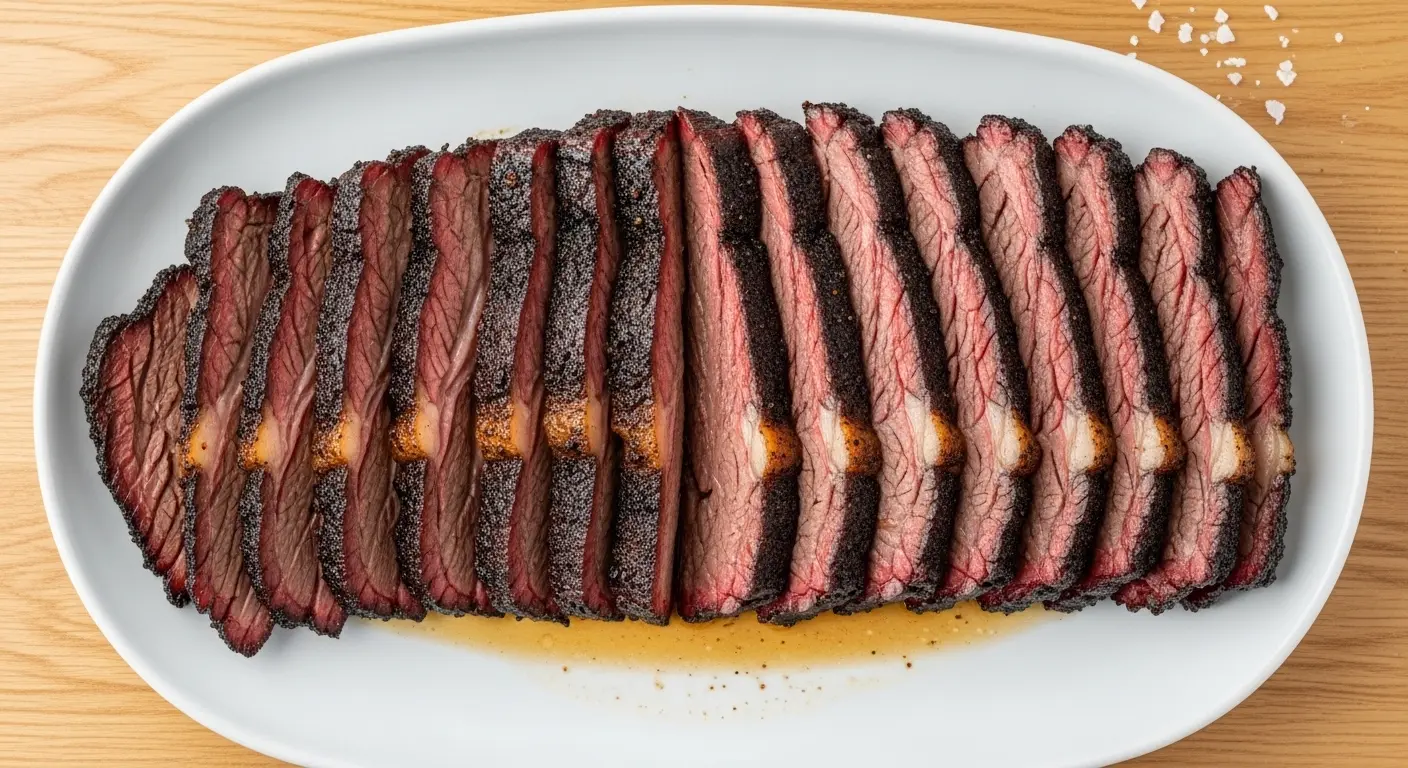
- Impressive presentation: These ribs look stunning when sliced, with a dark bark and rosy smoke ring
- Minimal hands-on time: After the initial prep, your smoker does all the work while you relax
- Perfect for gatherings: Short ribs are easy to portion and serve to a crowd
- Versatile seasoning options: The simple rub works beautifully, but you can customize flavors to your preference
- Restaurant-quality at home: Save money by making what BBQ joints charge premium prices for
Read Also: Air Fryer Beef Ribs Recipe
Ingredients
When selecting beef short ribs for smoking, look for bone-in plate short ribs with substantial meat coverage and visible marbling. Prime or choice grade will give you the best results, as the fat content is crucial for keeping the meat moist during the long cook.
The dry rub keeps things simple, allowing the natural beef flavor to shine through while adding just enough seasoning to enhance rather than overpower. Each ingredient serves a specific purpose in creating that signature bark and flavor profile.
For the Short Ribs:
- 4 to 5 pounds (1.8 to 2.3 kg) bone-in beef plate short ribs (individual ribs or rack-style)
- 2 tablespoons yellow mustard or olive oil (for binding)
For the Dry Rub:
- 3 tablespoons coarse black pepper
- 3 tablespoons kosher salt
- 1½ tablespoons garlic powder
- 1 tablespoon onion powder
- 1 tablespoon smoked paprika
- 1 teaspoon cayenne pepper (optional, for heat)
- 1 teaspoon ground cumin
For the Spritz (Optional):
- ½ cup (120 ml) apple cider vinegar
- ½ cup (120 ml) beef broth or water
If you’re planning to experiment with different flavor profiles, keep in mind that traditional Texas-style preparations stick to just salt, pepper, and garlic. This approach lets the beef and smoke take center stage.
For a more complex flavor, consider checking out variations like Texas chili recipe for inspiration on complementary spice blends.
Kitchen Equipment Needed
Having the right equipment makes smoking beef short ribs straightforward and stress-free. While a smoker is essential, you don’t need expensive tools to achieve excellent results.
The most important investment is a reliable meat thermometer. Short ribs need to reach specific internal temperatures, and guessing can lead to undercooked or dried-out meat.
- Smoker: Pellet, charcoal, electric, or offset smoker capable of maintaining 225-250°F (107-121°C)
- Meat thermometer: Instant-read or leave-in probe thermometer for monitoring internal temperature
- Spray bottle: For applying the spritz during smoking
- Sharp knife: For trimming fat and removing membrane
- Aluminum foil or butcher paper: For wrapping ribs if desired
- Large cutting board: For prep work and slicing
- Small mixing bowl: For combining dry rub ingredients
- Smoking wood chunks or chips: Hickory, oak, mesquite, or pecan work beautifully with beef
- Basting brush: For applying mustard or oil
- Heat-resistant gloves: For handling hot ribs safely
You might also enjoy serving these ribs alongside garlic mashed potatoes for a complete meal.
Recommended Products for This Recipe
These carefully selected products will help you achieve the best possible results with your smoked beef short ribs. Each recommendation addresses a specific need in the smoking process.
1. ThermoWorks Thermapen ONE
Accurate temperature readings are critical when smoking meat for hours. This instant-read thermometer gives you precise readings in under one second, helping you determine exactly when your ribs have reached that perfect tenderness without opening the smoker repeatedly.
2. Hickory Wood Chunks for Smoking
Quality smoking wood makes a noticeable difference in flavor. Hickory provides a strong, traditional smoke flavor that pairs beautifully with beef, creating that authentic BBQ taste without overpowering the meat’s natural richness.
3. Pink Butcher Paper
Wrapping your ribs in butcher paper during the final cooking stage helps them push through the stall while maintaining that crispy bark. Unlike aluminum foil, butcher paper is breathable, preventing the steam buildup that can make your bark soggy.
4. Tellicherry Black Peppercorns
The coarse grind and robust flavor of Tellicherry peppercorns create a superior bark compared to pre-ground pepper. Freshly grinding these creates an aromatic, complex pepper flavor that elevates your entire rub.
These smoked short ribs would pair wonderfully with baked mac and cheese as a hearty side dish.
Step-by-Step Instructions
Follow these detailed steps to create perfectly smoked beef short ribs with a beautiful bark and tender, juicy interior. Take your time with the preparation, as proper trimming and seasoning set the foundation for excellent results.
1. Prepare the Short Ribs
- Remove the short ribs from refrigeration 1 hour before smoking to bring them closer to room temperature, which promotes even cooking throughout
- Place the ribs bone-side up on a large cutting board
- Locate the thin, silvery membrane covering the bone side of the ribs
- Insert a butter knife or your finger under one corner of the membrane to loosen it
- Grip the membrane with a paper towel for better traction and pull it away in one piece if possible (this allows smoke and seasoning to penetrate the meat better)
- Flip the ribs meat-side up and trim any excessively thick fat caps, leaving a thin layer (about ¼ inch or 6 mm) for flavor and moisture
- Pat the ribs completely dry with paper towels, as moisture prevents the rub from adhering properly
2. Make the Dry Rub
- In a small mixing bowl, combine the coarse black pepper, kosher salt, garlic powder, onion powder, smoked paprika, cayenne pepper (if using), and ground cumin
- Whisk the ingredients together thoroughly until evenly distributed with no clumps
- Taste a small pinch to check the balance of flavors and adjust if needed (remember, the ribs are large and can handle generous seasoning)
- Set the rub aside while you prepare the meat for seasoning
3. Season the Ribs
- Using a basting brush or your hands, apply a thin, even layer of yellow mustard or olive oil to all sides of the short ribs (this acts as a binder, helping the rub stick without adding noticeable mustard flavor after smoking)
- Sprinkle the dry rub generously over all surfaces of the meat, using about two-thirds of the rub mixture
- Press the rub gently into the meat with your hands to ensure good adhesion
- Don’t be shy with the seasoning, as these thick cuts need substantial flavoring and much of it will form the bark rather than penetrate the meat
- Pay special attention to the edges and any crevices where meat meets bone
- Let the seasoned ribs sit at room temperature while you prepare the smoker (about 20-30 minutes), allowing the salt to begin its work of flavoring and tenderizing
4. Prepare the Smoker
- Set up your smoker for indirect cooking at 225-250°F (107-121°C), aiming for the lower end of this range for a longer, gentler cook
- If using a charcoal or offset smoker, build your fire with charcoal and add 3-4 chunks of smoking wood (hickory, oak, mesquite, or pecan all work excellently with beef)
- For pellet or electric smokers, load your hopper with your chosen wood pellets or add wood chips to the tray
- Allow the smoker to fully preheat and stabilize at your target temperature before adding the meat
- Ensure you have a water pan in place if your smoker design benefits from one, as this helps maintain moisture and temperature stability
- Make sure your smoker vents are properly adjusted to maintain steady airflow and temperature
5. Smoke the Ribs
- Place the seasoned short ribs directly on the smoker grates, bone-side down, with space between each rib for smoke circulation
- Insert a leave-in probe thermometer into the thickest part of one rib, making sure the probe doesn’t touch bone (which gives false readings)
- Close the smoker lid and avoid opening it unnecessarily, as each peek drops the temperature and extends cooking time
- Let the ribs smoke undisturbed for the first 3 hours, allowing the bark to begin forming
- Monitor the smoker temperature, making small adjustments as needed to maintain 225-250°F (107-121°C)
- Watch for the “smoke ring” to develop, a pink layer just under the surface that indicates good smoke penetration
6. Spritz the Ribs (Optional but Recommended)
- After 3 hours of smoking, prepare your spritz by combining apple cider vinegar and beef broth (or water) in a spray bottle
- Open the smoker and lightly mist the surface of the ribs with 2-3 sprays per rib
- Be careful not to soak the ribs, as too much liquid can wash away the developing bark
- Repeat this spritzing process every hour for the remainder of the cook
- The spritz adds moisture, helps build a better bark, and contributes a subtle tangy flavor that complements the beef
7. Monitor Temperature and Tenderness
- Continue smoking until the internal temperature reaches 195-205°F (91-96°C), which typically takes 6-8 hours total depending on rib thickness
- Remember that temperature is a guideline, but tenderness is the true indicator of doneness
- Starting when the internal temperature reaches about 195°F (91°C), begin testing tenderness by inserting your probe thermometer or a toothpick into the meat
- When the ribs are done, the probe should slide in and out with almost no resistance, feeling like it’s going through warm butter
- If you encounter resistance even at 200°F (93°C), continue cooking and checking every 30 minutes
- The meat should have pulled back from the bones by about ½ inch (1.3 cm), exposing the bone tips
8. Optional Wrapping (The Texas Crutch)
- If you want to speed up the cooking process or push through a temperature stall, you can wrap the ribs when they reach 165-175°F (74-79°C)
- Lay out two overlapping sheets of butcher paper or heavy-duty aluminum foil
- Place the ribs in the center meat-side up
- Fold the paper or foil tightly around the ribs, creating a sealed package that traps moisture
- Return the wrapped ribs to the smoker and continue cooking until they reach 200-205°F (93-96°C)
- Note that wrapping will soften the bark slightly, but it reduces cooking time by 1-2 hours and ensures incredibly tender meat
9. Rest the Ribs
- When the ribs reach your desired internal temperature and tenderness, carefully remove them from the smoker
- Keep the ribs wrapped (or wrap them if you didn’t during cooking) in butcher paper or aluminum foil
- Place the wrapped ribs in an empty cooler lined with towels or simply set them on your counter
- Let them rest for at least 30 minutes, or up to 1 hour for larger racks
- This resting period allows the juices to redistribute throughout the meat and the internal temperature to equalize
- The carryover cooking during this rest will also help further break down any remaining connective tissue
10. Slice and Serve
- Unwrap the rested short ribs and place them on a clean cutting board
- Using a sharp knife, slice between each bone to create individual portions if you smoked a rack
- For individual ribs, you can slice the meat off the bone into thick slices or serve them bone-in for a more dramatic presentation
- Arrange the sliced ribs on a serving platter
- Drizzle any accumulated juices from the resting period over the meat
- Serve immediately while still warm, optionally with your favorite BBQ sauce on the side (though these ribs are flavorful enough to enjoy on their own)
- Garnish with fresh herbs like parsley or cilantro if desired for visual appeal
These smoked ribs make an excellent main course alongside roasted carrot soup for a complete comfort meal.
Tips for Success
These expert tips will help you avoid common pitfalls and achieve consistently excellent results every time you smoke beef short ribs.
The difference between good ribs and great ribs often comes down to small details in temperature control, timing, and technique. Pay attention to these factors and your ribs will rival anything from a professional BBQ joint.
- Choose the right ribs: Look for plate short ribs with substantial meat coverage, avoiding back ribs which have minimal meat between the bones
- Don’t skip the membrane removal: That thin layer on the bone side prevents smoke penetration and creates a chewy, unpleasant texture
- Maintain consistent temperature: Temperature swings stress the meat and extend cooking time, so invest in a good thermometer and make small adjustments to your fire rather than large ones
- Use the probe test: Temperature is helpful, but the “butter test” with your thermometer probe is the most reliable indicator of doneness
- Let the bark set: Avoid spritzing during the first 3 hours so the bark has time to develop properly before you add any moisture
- Be patient: Rushing the cook with high heat will give you tough, chewy ribs instead of tender, fall-apart meat
- Rest properly: Skipping the rest means losing all those flavorful juices when you slice, so don’t skip this crucial step
- Wood selection matters: Hickory and oak provide classic smoke flavors, while mesquite is stronger and pecan offers a milder, sweeter smoke
- Keep a spray bottle of water handy: If you notice any flare-ups or the bark getting too dark, a light mist can prevent burning without washing away flavor
- Cook multiple racks: Since your smoker will be running for hours anyway, maximize efficiency by cooking several racks at once and freezing extras
You might also want to try pairing these with cowboy casserole for a hearty Western-themed meal.
Serving Suggestions
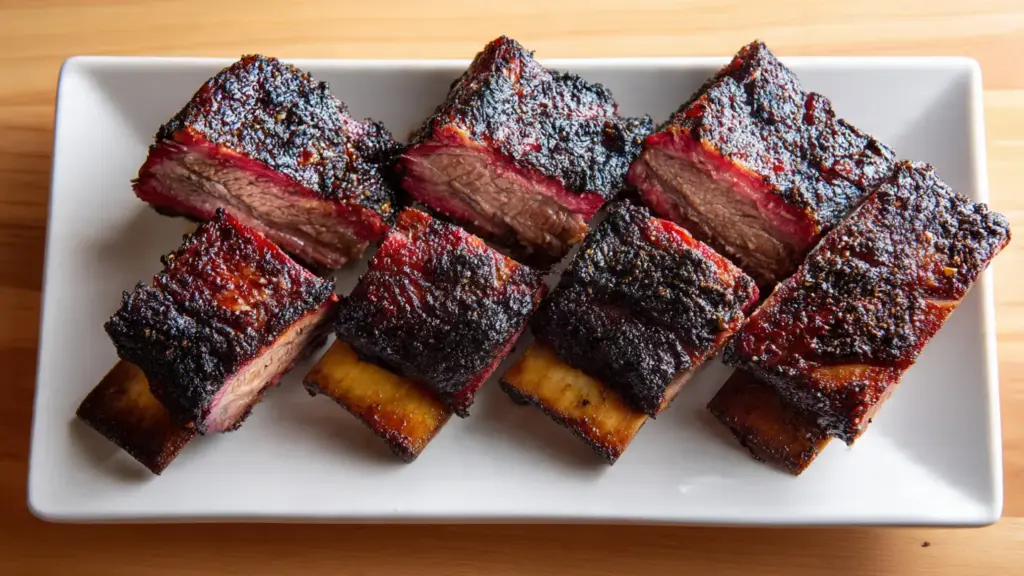
Smoked beef short ribs are a showstopper main course that pairs beautifully with a variety of sides and accompaniments. The rich, smoky flavor complements both classic BBQ sides and more refined options.
Consider the intensity of the ribs when choosing sides, aiming for dishes that either balance the richness or embrace the indulgent comfort food theme.
- Classic BBQ sides: Creamy coleslaw, baked beans, corn on the cob, or potato salad provide familiar, crowd-pleasing accompaniments
- Comfort food pairings: Serve with garlic mashed potatoes, mac and cheese, or cornbread for an indulgent feast
- Fresh, bright sides: Balance the richness with cucumber salad, arugula salad, or pickled vegetables
- Bread options: Texas toast, dinner rolls, or biscuits are perfect for soaking up juices
- Sauce selections: While these ribs don’t need sauce, offer BBQ sauce, chimichurri, or horseradish cream on the side
- Beverage pairings: Full-bodied red wines, dark beer, bourbon, or sweet tea complement the smoky, savory flavors perfectly
Another excellent option is serving these ribs with mushroom risotto for an upscale presentation.
Variations to Try
Once you’ve mastered the basic technique, experimenting with different flavor profiles keeps things interesting. The beauty of smoked beef short ribs is their versatility.
Each variation below offers a distinctly different taste experience while maintaining the same low-and-slow smoking technique that makes these ribs so tender and delicious.
- Korean-inspired: Use a gochujang and soy-based marinade instead of dry rub, then glaze with a mixture of gochujang, honey, and sesame oil during the last hour of smoking
- Coffee-crusted: Add 2 tablespoons of finely ground espresso to your dry rub for an earthy, complex flavor that enhances the beef’s richness
- Sweet and spicy: Incorporate brown sugar and chipotle powder into your rub, then brush with a honey-bourbon glaze in the final 30 minutes
- Herb-forward: Replace some of the dry rub spices with dried rosemary, thyme, and oregano for a more Mediterranean flavor profile
- Beer-braised finish: After smoking to 175°F (79°C), transfer ribs to a Dutch oven with dark beer, onions, and garlic, then braise covered in a 275°F (135°C) oven until tender
- Asian five-spice: Swap the cumin and paprika for Chinese five-spice powder and add fresh ginger to create an Asian-fusion version
- Red wine braised: Smoke for 4 hours, then braise in red wine with tomatoes and herbs like the traditional braising method for a luxurious finish
For more braised meat inspiration, check out this caldo de res recipe that uses similar slow-cooking techniques.
Storage and Reheating
Proper storage ensures your smoked beef short ribs maintain their quality for several days, and the right reheating method preserves their moisture and texture.
These ribs actually taste even better the next day as the flavors continue to meld, making them perfect for meal prep or cooking ahead for gatherings.
- Refrigerator storage: Let ribs cool to room temperature, then wrap tightly in plastic wrap or aluminum foil, or store in an airtight container; properly stored ribs will keep for 3-4 days
- Freezer storage: Wrap individual portions or whole ribs tightly in plastic wrap, then in aluminum foil, and place in freezer bags with the air pressed out; frozen ribs maintain quality for up to 3 months
- Thawing: Transfer frozen ribs to the refrigerator 24 hours before reheating for slow, even thawing that preserves texture
- Oven reheating: Place ribs in a baking dish with a splash of beef broth, cover tightly with foil, and warm at 250°F (121°C) for 20-30 minutes until heated through
- Microwave option: While not ideal, you can reheat individual portions in the microwave at 50% power in 1-minute intervals, covering with a damp paper towel to retain moisture
- Sous vide method: For restaurant-quality reheating, vacuum-seal ribs and reheat in a 140°F (60°C) water bath for 45 minutes
- Sauce boost: If ribs seem dry after storage, brush with BBQ sauce or au jus before reheating to add back moisture
Try using leftover smoked ribs in a hearty beef stew recipe for a smoky twist on the classic dish.
Nutritional Facts
Per serving (based on 6 servings, approximately 6-8 ounces of meat per serving):
- Calories: 520
- Total Fat: 38g
- Saturated Fat: 16g
- Trans Fat: 0g
- Cholesterol: 145mg
- Sodium: 890mg
- Total Carbohydrates: 2g
- Dietary Fiber: 0g
- Sugars: 0g
- Protein: 42g
- Vitamin D: 0mcg
- Calcium: 45mg
- Iron: 3.8mg
- Potassium: 520mg
Note: Nutritional values are approximate and will vary based on the specific cut of meat, amount of fat trimmed, and portion size. The values above are based on bone-in short ribs with moderate fat trimming and do not include any optional sauces or sides.
For a lighter option to balance this rich dish, consider serving with Greek salad.
Health Benefits of Key Ingredients
While smoked beef short ribs are undeniably indulgent, they also provide valuable nutrients that support overall health when enjoyed as part of a balanced diet.
Understanding the nutritional benefits of the main ingredients can help you appreciate this dish as more than just comfort food. The combination of high-quality protein, essential minerals, and beneficial fats makes these ribs a surprisingly nutritious choice when portion sizes are kept reasonable.
- Beef short ribs: Excellent source of high-quality complete protein containing all essential amino acids needed for muscle maintenance, repair, and growth; rich in iron, particularly heme iron which is more easily absorbed than plant-based iron sources; provides significant amounts of zinc for immune function, wound healing, and protein synthesis; contains vitamin B12 essential for nerve function and red blood cell formation; supplies selenium, an antioxidant that supports thyroid function
- Black pepper: Contains piperine, a compound that enhances nutrient absorption and has anti-inflammatory properties; provides antioxidants that help protect cells from damage; may improve digestion by stimulating the production of digestive enzymes; contains manganese and vitamin K
- Garlic powder: Offers allicin and other sulfur compounds with potential antibacterial and antiviral properties; may support cardiovascular health by helping to maintain healthy cholesterol levels; provides antioxidants that combat oxidative stress; contains small amounts of vitamin C, vitamin B6, and manganese
- Smoked paprika: Rich in vitamin A from carotenoids which support eye health and immune function; contains capsaicin (though in smaller amounts than hot peppers) which may boost metabolism; provides antioxidants including vitamin E; adds flavor without sodium, helping to reduce overall salt needs
- Cumin: Contains iron, supporting healthy red blood cell production; provides antioxidants with anti-inflammatory effects; may aid digestion and reduce bloating; traditional use in many cultures for its potential antimicrobial properties
If you’re interested in nutrient-dense side dishes, pair these ribs with spinach soup for added vitamins and minerals.
Frequently Asked Questions
1. What’s the difference between beef short ribs and back ribs?
Beef short ribs come from the plate section below the ribeye and have substantial meat on top of the bones, making them ideal for smoking. Back ribs are cut from the prime rib area and have minimal meat between the bones, as most of the meat stays with the ribeye roast.
Short ribs are significantly meatier and better suited for low-and-slow cooking methods like smoking.
2. Do I need to wrap beef short ribs when smoking?
Wrapping is optional but can be helpful. Unwrapped ribs develop a thicker, crispier bark and more pronounced smoke flavor but take longer to cook.
Wrapping in butcher paper or foil around 165-175°F helps push through the stall, reduces cooking time by 1-2 hours, and ensures extremely tender meat. Butcher paper is preferred over foil because it allows some moisture to escape, preventing the bark from becoming soggy.
3. How do I know when smoked beef short ribs are done?
While internal temperature is a good guideline (200-210°F), the best test is the probe test. Insert a thermometer probe or toothpick into the thickest part of the meat and it should slide in and out with almost no resistance, like pushing through room temperature butter.
The meat should also have pulled back from the bones by about ½ inch. Don’t rely solely on temperature, as different rib sizes and fat content affect cooking times.
4. Can I smoke beef short ribs on a gas grill?
Yes, though it requires more attention than using a dedicated smoker. Set up your gas grill for two-zone cooking by lighting burners on one side only.
Place a smoker box or foil packet filled with soaked wood chips over the lit burners, and place the ribs on the unlit side. Maintain 225-250°F by adjusting the burner and keeping the lid closed.
You’ll need to replenish wood chips every 30-45 minutes for continuous smoke.
5. Why are my smoked beef short ribs tough?
Tough ribs usually result from undercooking. Beef short ribs contain significant connective tissue that needs time and heat to break down into gelatin.
Even if the internal temperature reaches 200°F, the meat might need more time if it doesn’t pass the probe test. Continue cooking until the probe slides through easily.
Alternatively, cooking at temperatures above 275°F can dry out the meat before the collagen breaks down, so maintain low, steady heat throughout the cook.
Consider trying slow cooker chili if you want similar tender, slow-cooked beef with less hands-on attention.
Final Thoughts
Smoked beef short ribs represent everything we love about BBQ: rich flavors, tender meat, and that irresistible combination of crispy bark and juicy interior. The process might take several hours, but the hands-on work is minimal, and the results are absolutely worth the wait.
Once you master this technique, you’ll have a go-to recipe for impressing guests at gatherings or treating your family to restaurant-quality BBQ at home. The simple seasoning lets the quality of the beef and the smoke shine through, while the low-and-slow method guarantees that melt-in-your-mouth tenderness every single time.
Give this smoked beef short ribs recipe a try this weekend. Fire up your smoker, grab some quality ribs from your butcher, and prepare to experience some of the best BBQ you’ve ever made.
I’d love to hear how your ribs turn out! Drop a comment below with your results, any variations you tried, or questions you might have.
Recommended:
- Air Fryer Beef Tenderloin Recipe
- Air Fryer Beef Tips Recipe
- Air Fryer Beef and Broccoli Recipe
- Caldo De Res Recipe
- Hamburger Soup Recipe
- Beef Stew Recipe
- Classic Sloppy Joe Recipe
- Cheeseburger Skillet Recipe
- Cowboy Casserole Recipe
- Texas Chili Recipe