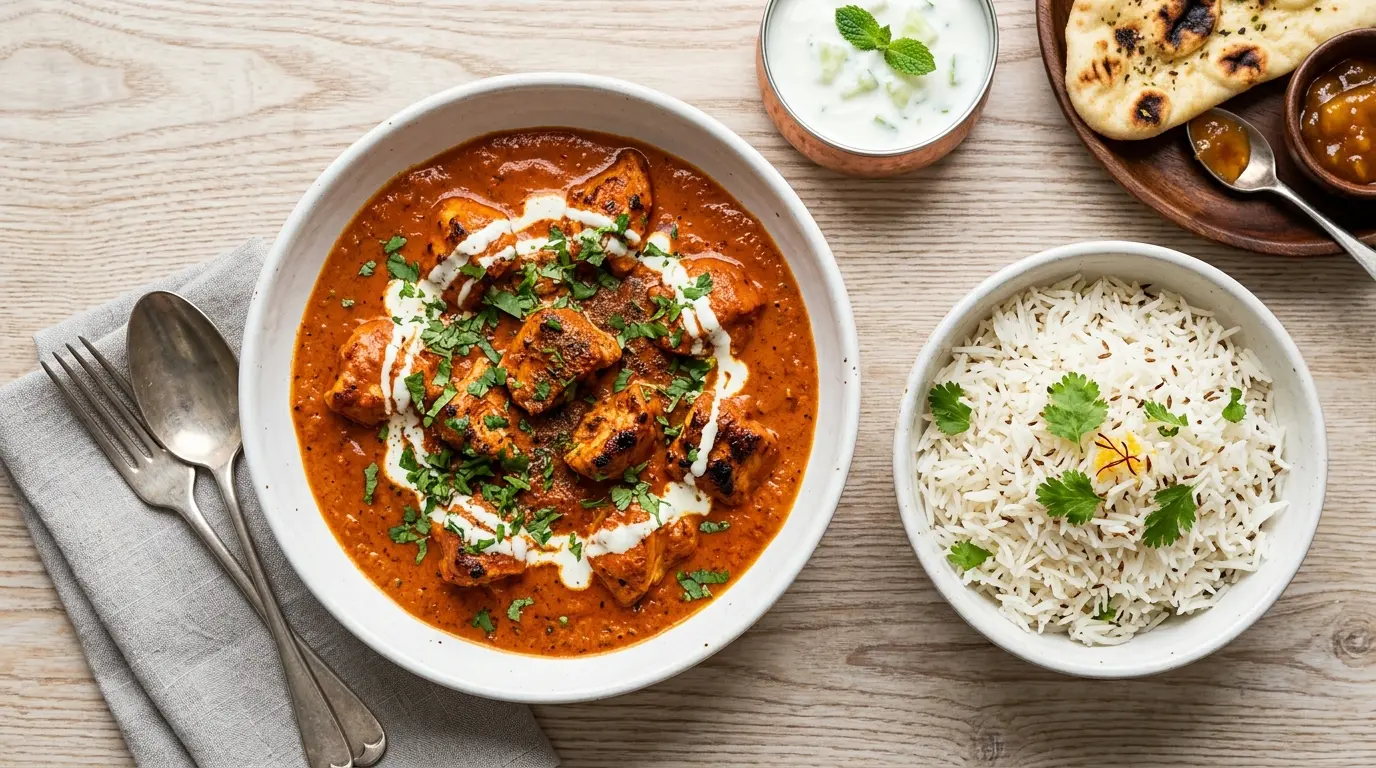
If you’ve ever ordered Chicken Tikka Masala at an Indian restaurant and wondered how to recreate that gorgeous, smoky, creamy tomato sauce at home, you are in the right place. This recipe delivers the full restaurant-style experience with tender, yogurt-marinated chicken that’s charred to perfection and then simmered low and slow in an aromatic, spiced sauce.
The secret to a deeply flavorful tikka masala comes down to two things: the marinade and the sauce. Yogurt tenderizes the chicken at a molecular level while allowing the spices to penetrate all the way through, and a long, slow simmer on the sauce is what builds that rich, complex depth you just cannot rush.
This recipe uses pantry-friendly spices and widely available ingredients, so no specialty grocery store run is needed. From the very first bite, thick with garam masala, cumin, and a touch of chili, this dish will earn a permanent spot in your dinner rotation.
You might also enjoy: Authentic Butter Chicken Recipe

Why You’ll Love This Chicken Tikka Masala Recipe
This is one of those recipes that genuinely impresses both picky eaters and spice lovers alike. The sauce is bold and complex, yet familiar and comforting in the same bite.
Here is what makes it so special:
- The charred chicken is a must. Searing the marinated chicken over high heat creates those signature golden edges that add a smoky, almost tandoor-oven quality to the final dish.
- The sauce layers spice intelligently. By blooming the spices in butter before adding tomatoes, you activate fat-soluble compounds that create depth you simply cannot achieve otherwise.
- It tastes even better the next day. The spices mellow and meld overnight, making leftovers arguably more delicious than the freshly made dish.
- It is endlessly customizable. Adjust the heat, swap the protein, or make it dairy-free with coconut milk.
- It is a true crowd-pleaser. Kids love the mild creaminess, adults love the spice, and everyone goes back for seconds.
Read Also: Easy Butter Chicken Recipe
Ingredients
You will need two main components for this recipe: the chicken marinade and the masala sauce. The ingredient list looks long, but many spices are repeated across both sections, so check your pantry first.
For the Chicken Marinade:
- 2 lbs (900g) boneless, skinless chicken thighs, cut into 1.5-inch cubes
- 1 cup (240ml) plain Greek yogurt, full-fat preferred
- 2 tbsp fresh lemon juice
- 1 tbsp garam masala
- 1 tsp ground cumin
- 1 tsp ground coriander
- 1 tsp turmeric
- 1 tsp Kashmiri chili powder or smoked paprika (for color and mild heat)
- 1 tsp salt
- 1 tbsp neutral oil
For the Masala Sauce:
- 2 tbsp unsalted butter
- 1 tbsp neutral oil
- 1 large yellow onion, finely diced
- 5 garlic cloves, minced
- 1 tbsp fresh ginger, grated (or 1 tsp ginger paste)
- 1 tbsp garam masala
- 1 tsp cumin
- 1 tsp ground coriander
- 1 tsp turmeric
- 1 tsp Kashmiri chili powder or smoked paprika
- 1/2 tsp cayenne pepper (optional, for extra heat)
- 2 tbsp tomato paste
- 1 can (14 oz / 400g) crushed tomatoes
- 1 cup (240ml) heavy cream
- 1 tsp sugar (optional, to balance acidity)
- 1 tsp dried fenugreek leaves (kasuri methi), rubbed between palms before adding
- Salt to taste
- Fresh cilantro, for garnish
For a deeply flavorful tikka masala, chicken thighs are strongly preferred over breasts. Their higher fat content makes them far more forgiving when seared over high heat, and they stay juicy after simmering in the sauce.
This recipe is the perfect pairing for a Garlic Naan Bread to scoop up every last drop of that sauce.
Kitchen Equipment Needed
The right tools make the cooking process smoother and your results more consistent.
A cast iron pan or heavy-bottomed skillet is the best choice for charring the chicken, because it holds intense heat without hot spots.
- Cast iron skillet or heavy-bottomed stainless steel pan
- Large Dutch oven or deep saucepan for the sauce
- Immersion blender or countertop blender (optional, for a smoother sauce)
- Mixing bowls (at least 2)
- Sharp chef’s knife and cutting board
- Wooden spoon or silicone spatula
- Measuring spoons and cups
- Grater or microplane for fresh ginger
- Tongs
Read Also: Tandoori Chicken Recipe
Recommended Products for This Recipe
These are products I genuinely recommend based on quality and the difference they make in the final dish.
1. Kasuri Methi (Dried Fenugreek Leaves)
Kasuri methi is the ingredient that takes a good tikka masala to a truly restaurant-quality one. The dried leaves add a slightly bitter, earthy aroma that is unmistakably Indian and nearly impossible to replicate with a substitute. A small jar goes a long way.
2. Kashmiri Chili Powder
This mild chili powder is responsible for the signature deep red-orange color in restaurant tikka masala without adding overwhelming heat. It is worth keeping a jar in your pantry for this and any other Indian recipe.
3. Lodge Cast Iron Skillet
Getting a proper char on your chicken requires a pan that can handle and maintain high heat. A Lodge cast iron skillet is the gold standard for this step and will serve you for decades.
4. Cuisinart Immersion Blender
Blending the sauce before adding the cream gives you that silky, restaurant-smooth consistency. An immersion blender makes this step simple and eliminates the mess of transferring hot sauce to a countertop blender.
The same spice-building technique used in this dish works beautifully in a Mulligatawny Soup as well, if you love Indian-inspired flavors.

Step-by-Step Instructions
Step 1: Marinate the Chicken
- Cut the chicken thighs into roughly 1.5-inch (4cm) cubes, trimming any excess fat but leaving some for flavor and moisture.
- In a large mixing bowl, combine the Greek yogurt, lemon juice, garam masala, cumin, ground coriander, turmeric, Kashmiri chili powder, salt, and oil. Whisk until fully combined.
- Add the cubed chicken to the marinade and toss well, making sure every piece is fully coated.
- Cover the bowl with plastic wrap and refrigerate for a minimum of 1 hour. For the best possible flavor and texture, marinate overnight (up to 24 hours). The yogurt’s acidity gently breaks down the protein, making the chicken incredibly tender.
Step 2: Cook (Char) the Chicken
- Remove the marinated chicken from the fridge about 20 minutes before cooking so it can come closer to room temperature. This helps it cook more evenly.
- Heat your cast iron skillet or heavy-bottomed pan over high heat until it is very hot. You should see a faint wisp of smoke before adding any oil.
- Add a thin layer of neutral oil to the pan, then add the chicken pieces in a single layer, working in batches if necessary to avoid crowding. Crowding the pan causes the chicken to steam rather than char.
- Cook the chicken, untouched, for 2 to 3 minutes until a deep golden crust forms on the bottom.
- Flip each piece and cook for another 2 to 3 minutes. The chicken does not need to be fully cooked through at this stage. It will finish cooking in the sauce.
- Transfer the charred chicken to a clean plate and set aside.
Step 3: Build the Masala Sauce Base
- In a large Dutch oven or deep saucepan, melt the butter with the oil over medium heat. Using both butter (for flavor) and oil (to raise the smoke point) prevents burning.
- Add the finely diced onion and cook, stirring occasionally, for 10 to 12 minutes until the onions are very soft and beginning to turn golden. Do not rush this step. Properly caramelized onions form the backbone of a rich sauce.
- Add the minced garlic and grated ginger, stirring constantly for 1 to 2 minutes until fragrant. The raw edge should disappear from the garlic smell before you move on.
Step 4: Add the Spices
- Add the garam masala, cumin, ground coriander, turmeric, Kashmiri chili powder, and cayenne (if using) directly to the onion mixture.
- Stir constantly for 1 to 2 minutes, allowing the spices to toast in the fat. Blooming spices in oil or butter activates their fat-soluble compounds and creates a much deeper, more complex flavor profile than adding them to liquid.
- Add the tomato paste and stir to combine. Cook the paste for 2 to 3 minutes, stirring frequently, until it darkens slightly in color and smells sweet rather than sharp. This is called “frying off” the tomato paste, and it removes the raw, tinny flavor.
Step 5: Add the Tomatoes and Simmer
- Pour in the crushed tomatoes and stir everything together, scraping up any browned bits stuck to the bottom of the pan.
- Season lightly with salt and add the sugar if using (this is especially helpful if your canned tomatoes are quite acidic).
- Bring the sauce to a gentle boil, then reduce the heat to low. Simmer uncovered for 15 to 20 minutes, stirring occasionally, until the sauce thickens and the oil begins to separate slightly from the tomatoes. This is a good sign.
Step 6: Blend the Sauce (Optional but Recommended)
- Remove the sauce from the heat and allow it to cool for a few minutes.
- Using an immersion blender, blend the sauce directly in the pot until smooth. Alternatively, carefully transfer the sauce to a countertop blender in batches, blending until completely smooth.
- If you prefer a slightly textured, more rustic sauce, you can skip this step. Blending, however, gives you that silky, restaurant-quality consistency that coats the chicken beautifully.
- Return the blended sauce to the pot and bring it back to a gentle simmer over low heat.
Step 7: Add the Cream, Kasuri Methi, and Chicken
- Pour the heavy cream slowly into the simmering sauce while stirring continuously. Pouring slowly and keeping the heat low prevents the cream from curdling.
- Rub the dried kasuri methi (fenugreek leaves) between your palms and add them to the sauce. This releases their aromatic oils. Stir to combine.
- Add the charred chicken pieces back into the sauce, including any resting juices from the plate. Those juices are full of flavor.
- Stir everything together gently and simmer on low heat for 8 to 10 minutes, allowing the chicken to finish cooking through and absorb the sauce flavors.
- Taste the sauce and adjust salt as needed.
Step 8: Serve and Garnish
- Ladle the chicken tikka masala into serving bowls or a large serving dish.
- Garnish generously with fresh chopped cilantro.
- A swirl of extra cream over the top makes for a beautiful presentation and adds a touch more richness.
- Serve immediately with basmati rice, garlic naan, or both.
Tips for Success
These simple tips will take your tikka masala from good to genuinely restaurant-worthy.
A few key techniques make a noticeable difference in both flavor and texture.
- Do not skip the marination. One hour is the absolute minimum. Overnight marinating produces noticeably more tender and flavorful chicken.
- Use full-fat Greek yogurt. Low-fat or regular yogurt has more water content, which can make the marinade too thin to cling to the chicken properly.
- Get the pan smoking hot before adding chicken. This is the only way to achieve proper charring. If the pan is too cool, the chicken steams and turns gray instead of developing that golden crust.
- Cook the chicken in batches. Overcrowding the pan is the most common mistake. Leave at least 1 inch of space between pieces.
- Bloom your spices in fat. Always add ground spices to the butter and oil before adding any liquid. This step is non-negotiable for deep flavor.
- Rub the kasuri methi between your palms. This releases essential oils and makes a surprisingly big difference in aroma and taste.
- Taste and adjust at the end. A pinch of extra salt or a squeeze of lemon at the very end can brighten everything up.
This technique of blooming spices and building a layered sauce works just as well for a creamy Chicken Casserole if you love rich, saucy dinners.
Serving Suggestions
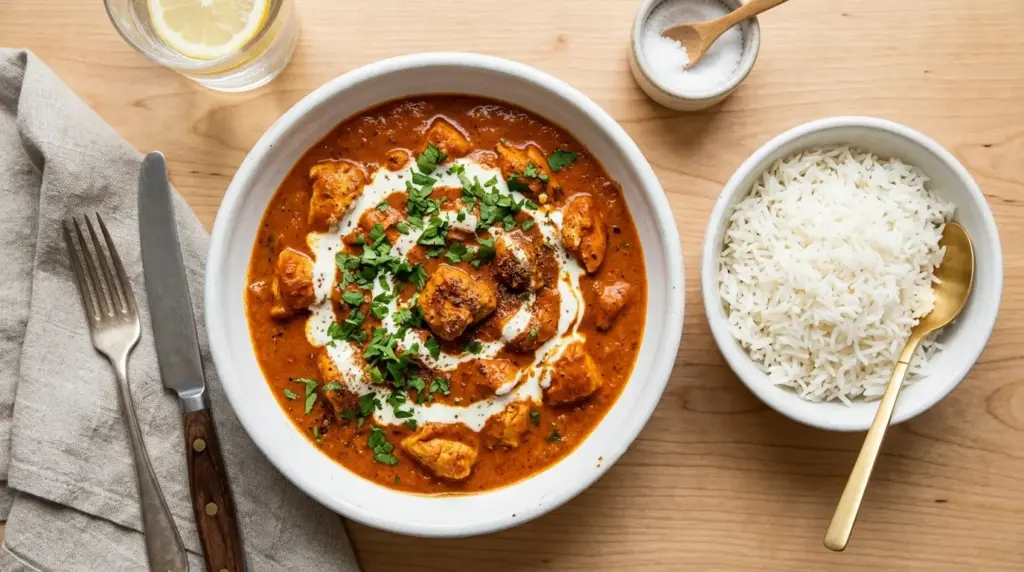
Chicken Tikka Masala is a versatile main dish that pairs beautifully with a handful of classic accompaniments.
Serve it alongside fluffy Basmati Rice for a classic combination that allows every grain to soak up the rich sauce. Warm naan bread is equally wonderful for scooping and mopping.
- Garlic Naan Bread or Easy Naan Bread for scooping the sauce
- Basmati Rice as a classic base
- A simple cucumber raita (yogurt with cucumber and mint) to cool the palate
- Broccoli Salad for a fresh, crisp side contrast
- Sliced raw onions with lime juice and chili (a traditional Indian side)
- Mango chutney as a condiment for sweet and fruity contrast
You might also enjoy: Curry Chicken Salad Recipe
Variations to Try
Once you have mastered the base recipe, these variations let you put a fun spin on the dish.
The classic version is hard to beat, but here are some ways to switch things up.
- Coconut Milk Tikka Masala: Replace the heavy cream with full-fat coconut milk for a dairy-free version with a subtle tropical note.
- Paneer Tikka Masala: Substitute the chicken for cubed paneer (Indian fresh cheese) for an excellent vegetarian version. Sear the paneer in the same way as the chicken.
- Slow Cooker Tikka Masala: After charring the chicken, combine it with the sauce in a slow cooker and cook on low for 4 to 5 hours. Add the cream in the last 30 minutes.
- Lamb Tikka Masala: Use boneless lamb shoulder cut into cubes. Increase the marinating time to at least 4 hours and the sauce simmering time to 30 minutes.
- Extra Spicy Version: Double the cayenne and add two finely chopped green chilies along with the onions.
- Tikka Masala with Vegetables: Add a cup of frozen peas or diced bell peppers in the last 5 minutes of simmering for a heartier, more colorful dish.
Read Also: Chicken Adobo Recipe
Storage and Reheating
Chicken Tikka Masala is one of those dishes that stores and reheats beautifully, making it perfect for meal prep.
The flavors deepen significantly after a night in the fridge, which is part of why so many people think leftovers taste even better than the freshly made dish.
- Refrigerator: Store in an airtight container for up to 4 days.
- Freezer: Cool the dish completely before transferring to a freezer-safe container. Freeze for up to 3 months. Note that cream-based sauces can sometimes separate slightly after freezing, but stirring over low heat usually brings them back together.
- Reheating on the stovetop (recommended): Transfer to a saucepan and warm over low-medium heat, stirring gently. Add a splash of water or cream if the sauce has thickened too much.
- Reheating in the microwave: Cover the container loosely and heat in 1-minute intervals, stirring between each interval to heat evenly.
- Do not boil when reheating. Boiling a cream-based sauce can cause the dairy to break, resulting in a grainy texture.
Another recipe that stores and reheats just as well is this Chicken Stew if you love saucy, make-ahead dinners.
Nutritional Facts
The following are approximate values per serving, based on 6 servings and using chicken thighs and full-fat cream.
| Nutrient | Per Serving |
|---|---|
| Calories | 480 kcal |
| Protein | 34g |
| Fat | 32g |
| Saturated Fat | 15g |
| Carbohydrates | 14g |
| Fiber | 2g |
| Sugar | 6g |
| Sodium | 620mg |
| Cholesterol | 155mg |
These values will vary depending on the specific brands and ingredients used, and whether you serve the dish with rice or bread.
This dish pairs naturally with Basmati Rice which adds approximately 200 calories per serving.
Health Benefits of Key Ingredients
Despite its rich, indulgent profile, Chicken Tikka Masala is packed with ingredients that offer genuine nutritional value.
The spice cabinet alone makes this dish a powerhouse of anti-inflammatory compounds.
- Turmeric contains curcumin, one of the most studied anti-inflammatory compounds in food science. Regular consumption is linked to improved joint health and reduced oxidative stress.
- Ginger supports healthy digestion, reduces nausea, and has been shown to have mild antibacterial properties.
- Garlic contains allicin, a sulfur compound known to support immune function and cardiovascular health.
- Cumin is rich in iron and has been shown to support digestive enzyme activity and healthy blood sugar levels.
- Garam masala is a blend of spices including cinnamon, cardamom, and black pepper, all of which have individually documented antioxidant properties.
- Greek yogurt (in the marinade) provides probiotics that support gut health along with a solid dose of protein.
- Chicken thighs are an excellent source of complete protein, B vitamins, and minerals like zinc and selenium.
You might also enjoy: Lemon Chicken Recipe
Frequently Asked Questions
1. What is the difference between Chicken Tikka Masala and Butter Chicken?
These two dishes are close cousins but have distinct differences. Butter Chicken (murgh makhani) typically has a slightly sweeter, milder, more buttery sauce made with a larger proportion of cream and butter and less tomato acidity. Chicken Tikka Masala tends to have a more complex, bolder spice profile with more tomato presence and a slightly tangier, earthier flavor. Both use marinated, charred chicken.
2. Can I use chicken breasts instead of chicken thighs?
You can, but be aware that chicken breasts are leaner and cook faster, which makes them easier to overcook and dry out. If using breasts, reduce the searing time slightly and keep a close eye on them during the final simmer in the sauce. Chicken thighs are strongly recommended for maximum juiciness and flavor.
3. Do I need to blend the sauce?
Blending the sauce is optional but highly recommended if you want a smooth, silky, restaurant-quality texture. Without blending, the sauce will be slightly chunkier and more rustic, which is completely delicious but different in character. If you prefer a texture closer to what you get at an Indian restaurant, blend it.
4. Can I make Chicken Tikka Masala without heavy cream?
Absolutely. Full-fat coconut milk is the most popular dairy-free substitute and creates a similar creaminess with a very subtle tropical note that most people actually enjoy. You can also use half-and-half for a lighter result, though the sauce will be thinner. Cashew cream (blended soaked cashews with water) is another excellent option that adds body and a nutty richness.
5. What can I substitute for kasuri methi (fenugreek leaves)?
Kasuri methi is genuinely difficult to replace because its flavor is quite unique. In a pinch, you can use a small amount of dried celery leaves or a combination of dried thyme and a touch of fennel seed for a vague approximation. However, the best recommendation is to seek out kasuri methi at an Indian grocery store or order it online, as even a small amount makes a noticeable difference.
Read Also: Chicken And Broccoli Recipe

Chicken Tikka Masala

Equipment
- Cast iron skillet or heavy-bottomed stainless steel pan - For charring the chicken
- Large Dutch oven or deep saucepan - For the sauce
- Immersion blender or countertop blender - Optional, for a smoother sauce
- Mixing bowls - At least 2
- Sharp chef's knife
- Cutting board
- Wooden spoon or silicone spatula
- Measuring spoons and cups
- Grater or microplane - For fresh ginger
- Tongs
Ingredients
For the Chicken Marinade
- 2 lbs boneless, skinless chicken thighs - 900g, cut into 1.5-inch cubes
- 1 cup plain Greek yogurt - 240ml, full-fat preferred
- 2 tbsp fresh lemon juice
- 1 tbsp garam masala
- 1 tsp ground cumin
- 1 tsp ground coriander
- 1 tsp turmeric
- 1 tsp Kashmiri chili powder - or smoked paprika, for color and mild heat
- 1 tsp salt
- 1 tbsp neutral oil
For the Masala Sauce
- 2 tbsp unsalted butter
- 1 tbsp neutral oil
- 1 large yellow onion - finely diced
- 5 cloves garlic - minced
- 1 tbsp fresh ginger - grated, or 1 tsp ginger paste
- 1 tbsp garam masala
- 1 tsp ground cumin
- 1 tsp ground coriander
- 1 tsp turmeric
- 1 tsp Kashmiri chili powder - or smoked paprika
- 1/2 tsp cayenne pepper - optional, for extra heat
- 2 tbsp tomato paste
- 14 oz crushed tomatoes - 400g can
- 1 cup heavy cream - 240ml
- 1 tsp sugar - optional, to balance acidity
- 1 tsp dried fenugreek leaves - kasuri methi, rubbed between palms before adding
- salt - to taste
For Serving
- fresh cilantro - chopped, for garnish
- basmati rice - for serving
- garlic naan bread - for serving
Instructions
- Cut chicken thighs into 1.5-inch cubes. Combine yogurt, lemon juice, garam masala, cumin, coriander, turmeric, chili powder, salt, and oil in a bowl. Add chicken and coat thoroughly.
- Cover and refrigerate for at least 1 hour, or up to 24 hours for best results. Remove from fridge 20 minutes before cooking.
- Heat a cast iron skillet over high heat until smoking. Add oil and chicken in a single layer, working in batches. Cook undisturbed for 2-3 minutes until charred, then flip and cook 2-3 minutes more.
- Transfer charred chicken to a plate and set aside. The chicken will finish cooking in the sauce.
- In a Dutch oven, melt butter with oil over medium heat. Add onion and cook 10-12 minutes until soft and golden. Add garlic and ginger, cook 1-2 minutes until fragrant.
- Add garam masala, cumin, coriander, turmeric, chili powder, and cayenne. Stir constantly for 1-2 minutes to bloom spices. Add tomato paste and cook 2-3 minutes until darkened.
- Add crushed tomatoes, salt, and sugar. Bring to a boil, reduce heat, and simmer uncovered for 15-20 minutes until thickened and oil separates.
- Optional: Blend sauce with an immersion blender until smooth for a restaurant-style texture. Return to low heat.
- Slowly stir in heavy cream and rubbed kasuri methi. Add charred chicken with any juices and simmer 8-10 minutes until chicken is cooked through.
- Taste and adjust salt. Garnish with fresh cilantro and serve with basmati rice and garlic naan.
Notes
- Marination is essential: One hour is the minimum, but overnight marinating produces noticeably more tender and flavorful chicken. The yogurt’s acidity gently breaks down the protein.
- Use full-fat Greek yogurt: Low-fat or regular yogurt has more water content, making the marinade too thin to cling properly to the chicken.
- Get the pan smoking hot: This is the only way to achieve proper charring. If the pan is too cool, the chicken steams and turns gray instead of developing a golden crust.
- Cook chicken in batches: Overcrowding the pan is the most common mistake. Leave at least 1 inch of space between each piece.
- Bloom your spices in fat: Always add ground spices to the butter and oil before adding any liquid. This step is non-negotiable for deep, complex flavor.
- Rub the kasuri methi: Rubbing the dried fenugreek leaves between your palms releases essential oils and makes a surprisingly big difference in aroma and taste.
- Taste and adjust: A pinch of extra salt or a squeeze of lemon at the very end can brighten everything up and balance the flavors perfectly.
- Make it dairy-free: Replace the heavy cream with full-fat coconut milk for a dairy-free version with a subtle tropical note.
- Storage: Store in an airtight container in the refrigerator for up to 4 days, or freeze for up to 3 months. The flavors deepen significantly after a night in the fridge.
- Reheating: Reheat gently on the stovetop over low-medium heat, adding a splash of water or cream if the sauce has thickened too much. Do not boil or the cream may separate.
Final Thoughts
Making Chicken Tikka Masala at home is one of those cooking achievements that genuinely surprises people with how accessible it is. The ingredient list looks impressive, but the technique is straightforward once you understand the logic behind each step.
The marinade tenderizes and flavors. The char adds smokiness. The spice blooming builds depth. The long simmer ties it all together. Each step has a purpose, and once you make this dish once, the process becomes intuitive.
Give this recipe a try this week and share it with someone who swears Indian food is too complicated to make at home. Leave a comment below letting me know how it turned out, or share a photo on social media. Nothing makes a cook happier than hearing that a recipe worked out beautifully.
Recommended:
- Easy Butter Chicken
- Tandoori Chicken
- Garlic Naan Bread
- Easy Naan Bread
- Chicken Fajita
- Bourbon Chicken
- Easy Orange Chicken
- Mulligatawny Soup
- Chicken Rice Soup
- Chipotle Chicken