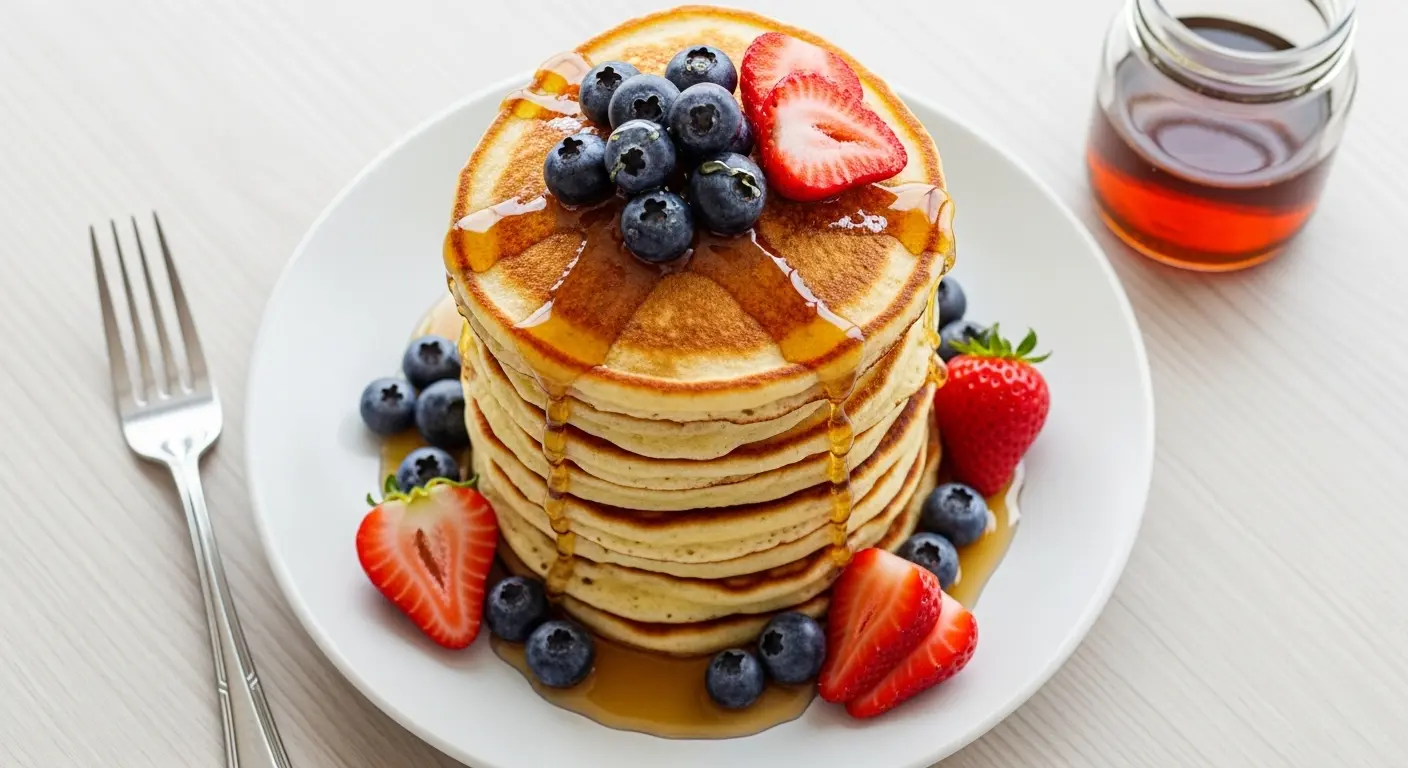
If you have been looking for a breakfast that actually keeps you full and tastes amazing, this cottage cheese protein pancakes recipe is exactly what you need. These pancakes are loaded with protein, naturally creamy from the blended cottage cheese, and cook up beautifully golden on the outside with a soft, tender inside.
The batter comes together in minutes using a blender, and the result is a stack of pancakes that feels indulgent but fuels your morning with real nutrition.
Whether you are meal prepping for the week or making a quick Saturday morning breakfast, this recipe delivers every single time. It is one of those recipes that genuinely surprises people with how good it tastes.
Easy Protein Pancakes are a fantastic place to start if you are new to high-protein breakfasts, but this cottage cheese version takes things to a whole new level.
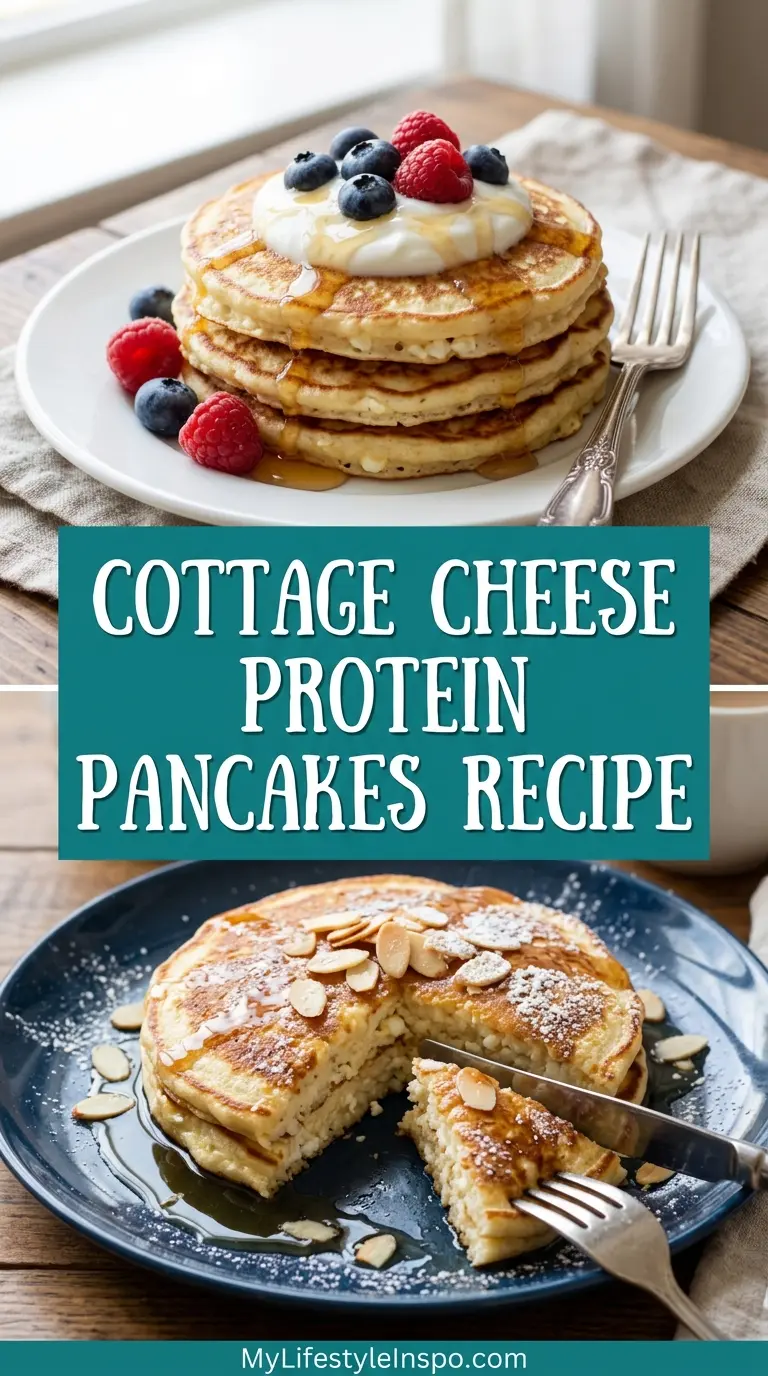
Why You’ll Love This Cottage Cheese Protein Pancakes Recipe
You are going to fall hard for these pancakes, and here is why.
First, the protein content is impressive without any protein powder required. Two large eggs and a full cup of cottage cheese give you a serious protein punch per serving.
The texture is surprisingly light and fluffy. Blending the cottage cheese completely eliminates any lumpy texture, so these do not taste “diet-food” at all.
They are incredibly quick to make. The blender does all the heavy lifting, and you can have pancakes on the table in about 20 minutes.
The ingredient list is short and straightforward. You likely have everything you need in your kitchen right now.
- They taste rich and satisfying, not watered-down or bland
- High in protein, with roughly 20–25 grams per serving
- Gluten-free friendly when made with oat flour or a certified GF option
- Kid-approved, especially with fresh fruit and maple syrup on top
- Great for meal prep since they reheat beautifully
For another delicious morning option, you might also enjoy this Baked Oatmeal Recipe as part of your high-protein breakfast rotation.
Ingredients
These pancakes use simple, wholesome ingredients that you can find at any grocery store. The cottage cheese is the star here, providing both protein and moisture that keeps the pancakes tender.
- 1 cup (225 g) full-fat cottage cheese (4% milkfat recommended)
- 2 large eggs
- ½ cup (50 g) rolled oats (blended into oat flour, or use store-bought oat flour)
- 1 teaspoon baking powder
- ½ teaspoon vanilla extract
- 1 tablespoon honey or maple syrup (optional, for a touch of sweetness)
- Pinch of salt
- Butter or coconut oil for greasing the pan
If you love the classic pancake experience too, this Buttermilk Pancake Recipe is a reader favorite you will want to bookmark.
Kitchen Equipment Needed
You do not need any special equipment for these pancakes. A blender is the most important tool since it transforms the cottage cheese into a completely smooth batter.
- High-speed blender or regular blender
- Non-stick skillet or griddle (10–12 inch recommended)
- Measuring cups and spoons
- Rubber spatula or pancake spatula
- Ladle or ¼-cup measuring cup for portioning batter
- Mixing bowl (optional, if blending in batches)
- Cooking thermometer (optional, for gauging griddle temperature)
Read Also: Gluten Free Pancake Recipe
Recommended Products for This Recipe
These are products I genuinely recommend based on quality and the difference they make in this recipe.
1. High-Speed Personal Blender
A powerful personal blender makes blending the cottage cheese and oats into a perfectly smooth batter effortless. A weak blender may leave oat bits or cottage cheese curds in the batter, which affects texture. A high-speed option ensures everything blends in seconds.
2. Full-Fat Cottage Cheese (4% Milkfat)
The type of cottage cheese you use genuinely matters. Full-fat cottage cheese produces a richer, more tender pancake compared to low-fat varieties, which can make the batter a bit watery. Look for a brand with live and active cultures for the added nutritional benefit.
3. Pre-Made Oat Flour
While you can blend rolled oats yourself, a quality certified gluten-free oat flour guarantees a consistent fine texture every time. It also speeds up the process since you skip the blending step for the oats.
4. Ceramic Non-Stick Griddle
A flat ceramic non-stick griddle is ideal for pancakes because it heats evenly and lets you cook multiple pancakes at once without hotspots. The non-stick surface means you can use very little butter, keeping the recipe clean and healthy.
5. Pure Maple Syrup
For topping, a high-quality pure maple syrup makes all the difference compared to corn-syrup-based pancake syrups. The natural sweetness complements the subtle savory notes of the cottage cheese beautifully.
Another favorite for a protein-packed morning: Chocolate Protein Pancakes
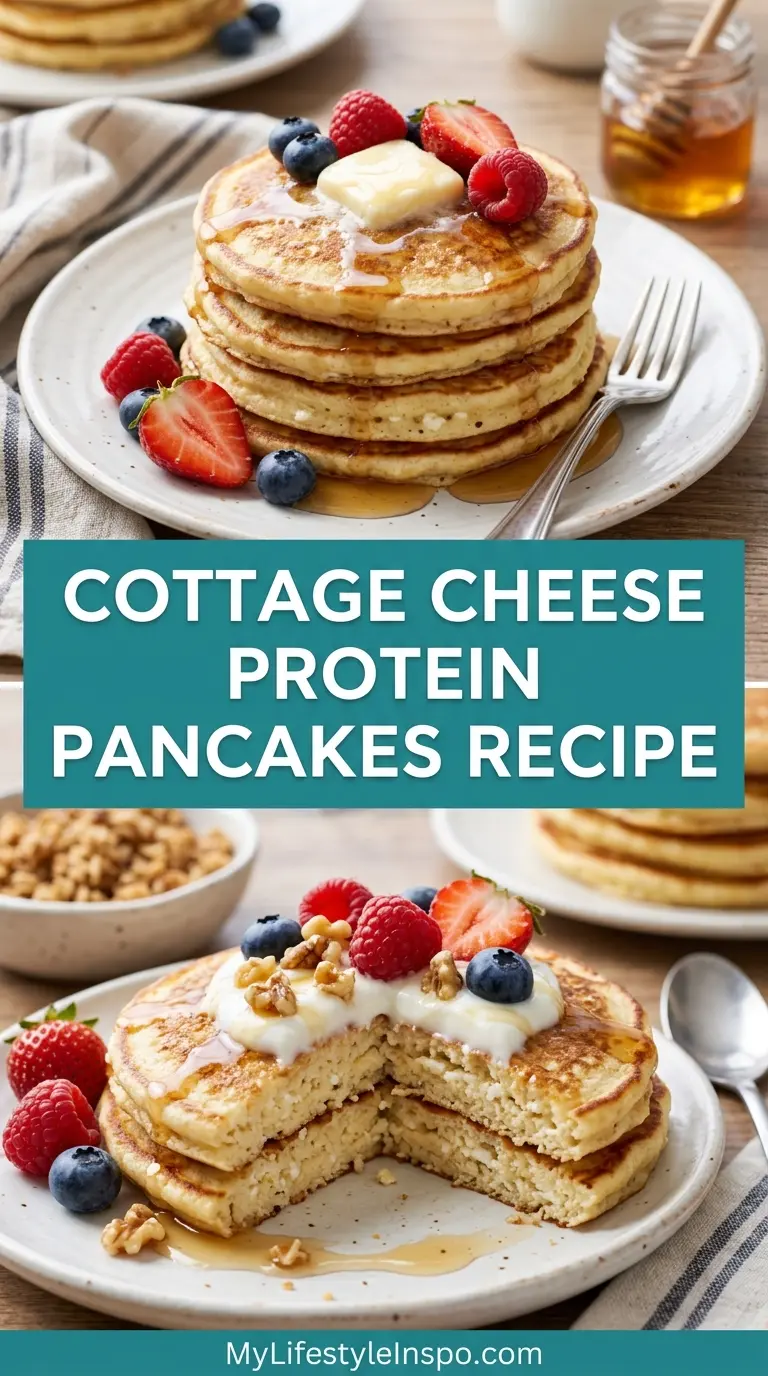
Step-by-Step Instructions
1. Prepare Your Ingredients and Equipment
- Measure out 1 cup (225 g) of full-fat cottage cheese and set it aside.
- Measure ½ cup (50 g) of rolled oats. If you are making your own oat flour, you will blend these first, then add the remaining ingredients. Alternatively, use ½ cup (50 g) of pre-made oat flour.
- Crack 2 large eggs into a small bowl and check for any shell fragments before adding them to the blender.
- Measure 1 teaspoon of baking powder, ½ teaspoon of vanilla extract, and a pinch of salt.
- If using sweetener, measure 1 tablespoon of honey or maple syrup.
- Set your non-stick skillet or griddle on the stove over medium heat. Give it 3–5 minutes to preheat before you start cooking.
2. Blend the Batter
- If using whole rolled oats, add them to the blender first and blend on high for 20–30 seconds until they form a fine flour. This ensures no grainy texture in the finished pancakes.
- Add the cottage cheese to the blender with the oat flour (or directly after measuring oat flour if using store-bought).
- Add the 2 eggs, 1 teaspoon of baking powder, ½ teaspoon of vanilla extract, the pinch of salt, and the optional 1 tablespoon of honey or maple syrup.
- Blend everything together on high speed for 30–45 seconds until completely smooth and creamy. The batter should look uniform with no white lumps of cottage cheese visible.
- Scrape down the sides of the blender if needed and blend for another 10 seconds to make sure everything is fully incorporated.
- Let the batter rest in the blender for 2–3 minutes. This brief rest allows the baking powder to activate slightly and lets the oat flour absorb the liquid, resulting in a thicker, more consistent batter.
3. Grease the Pan
- Add a small amount of butter (about ½ teaspoon / 2 g) or a light spray of non-stick cooking spray to your preheated skillet.
- Use a paper towel or pastry brush to spread the butter evenly across the cooking surface so there are no dry spots.
- The pan is ready when a drop of water flicked onto the surface dances and evaporates immediately. This indicates the right temperature, around 325–350°F (163–177°C).
- If the butter starts to brown immediately, reduce the heat slightly. Too high a temperature will burn the outside of the pancakes before the inside cooks through.
4. Cook the Pancakes
- Using a ¼-cup (60 ml) measuring cup or ladle, pour the batter onto the pan. For smaller pancakes, use 2–3 tablespoons of batter per pancake.
- Leave at least 1 inch (2.5 cm) of space between each pancake so they do not run into each other.
- Cook on the first side for 2–3 minutes. Watch for the edges to look set and matte (not shiny), and for small bubbles to form across the surface of the pancake. These are signs it is ready to flip.
- Gently slide a thin spatula underneath each pancake and flip it in one smooth, confident motion.
- Cook on the second side for 1–2 minutes until golden brown. These pancakes brown a little faster than traditional ones due to the natural sugars in the cottage cheese, so keep an eye on them.
- Transfer finished pancakes to a plate and cover loosely with foil to keep them warm while you cook the remaining batter. Re-grease the pan lightly between batches as needed.
5. Serve and Enjoy
- Stack the pancakes on a plate and add your desired toppings. Fresh berries, a drizzle of pure maple syrup, a dollop of Greek yogurt, or nut butter are all excellent choices.
- Serve immediately for the best texture. These pancakes are at their fluffiest and most tender straight off the pan.
- If serving a crowd, keep cooked pancakes warm in an oven set to 200°F (93°C) on a baking sheet while you finish the remaining batches.
For another high-protein morning idea, this Banana Protein Pancakes Recipe is a wonderful variation worth trying.
Tips for Success
Getting these pancakes just right comes down to a few key details that make a big difference in the final result. Read through these before you start for the smoothest possible cooking experience.
- Use full-fat cottage cheese. Low-fat versions have more water content, which can make the batter too thin. Full-fat cottage cheese produces a richer, more tender pancake.
- Blend thoroughly. Any remaining curds of cottage cheese will create an uneven texture. Give the blender an extra 15 seconds if you are unsure.
- Don’t rush the preheat. A properly heated pan is key to getting that even golden color. A cold pan leads to pale, unevenly cooked pancakes.
- Rest the batter. Even 2–3 minutes of resting allows the oat flour to absorb moisture and the baking powder to begin working. The batter will thicken slightly, which is exactly what you want.
- Keep the heat at medium, not high. These pancakes contain natural sugars from the cottage cheese and optional honey, which means they can brown quickly. Medium heat gives you more control.
- Use a thin, flexible spatula. A wide, thin spatula makes flipping easier and reduces the chance of the pancake breaking apart.
- Add mix-ins after blending. If adding blueberries, chocolate chips, or banana slices, fold them gently into the batter by hand after blending. Do not blend them in, or the batter will change color and texture.
You might also enjoy: Protein Pancakes Recipe Without Yogurt
Serving Suggestions
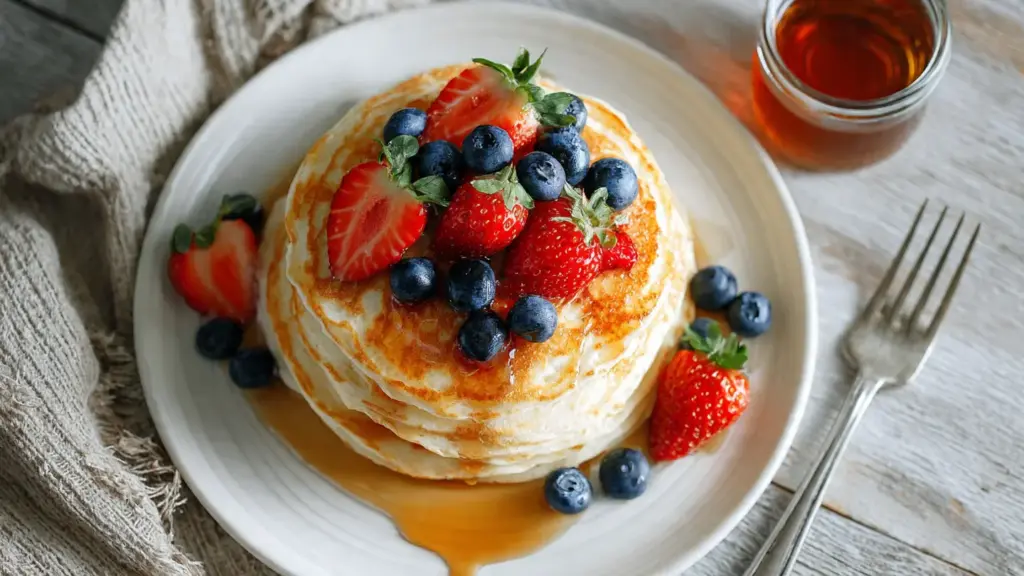
These pancakes are incredibly versatile and pair well with both sweet and savory accompaniments. A simple stack with maple syrup and fresh strawberries is always a crowd-pleaser, but there are so many other ways to enjoy them.
For a nutrient-dense breakfast, top your pancakes with a generous spoonful of Greek yogurt, a handful of blueberries or raspberries, and a light drizzle of honey. The combination of protein from the pancakes and probiotics from the yogurt makes for an outstanding morning meal.
- Sliced bananas and a drizzle of almond butter for a filling, satisfying stack
- Mixed berry compote made by warming frozen berries in a small saucepan with a little honey
- A soft fried egg on top for an extra savory protein boost
- A side of Air Fryer Bacon for a complete, satisfying breakfast plate
- Whipped cream and fresh peaches for a special weekend treat
- Lemon zest and powdered sugar for a bright, citrusy finish
- Chocolate hazelnut spread and sliced strawberries for an indulgent option
Read Also: Easy Overnight Oats Recipe
Variations to Try
Once you have mastered the base recipe, there are so many fun ways to customize these pancakes. The base batter is quite neutral in flavor, making it perfect for all kinds of add-ins.
Feel free to mix and match these ideas based on what you have on hand or what sounds most appealing.
- Banana Cottage Cheese Pancakes: Add ½ a ripe banana to the blender for natural sweetness and extra potassium. Reduce or omit the honey or maple syrup since the banana adds plenty of sweetness on its own.
- Blueberry Cottage Cheese Pancakes: Fold ½ cup (75 g) of fresh or frozen blueberries into the batter after blending. Press a few extras directly onto each pancake just after pouring onto the pan.
- Chocolate Chip Cottage Cheese Pancakes: Stir in ¼ cup (45 g) of mini chocolate chips after blending for a crowd-pleasing treat that still packs in the protein.
- Pumpkin Spice Variation: Add 3 tablespoons of pumpkin puree, ½ teaspoon of cinnamon, and a pinch of nutmeg to the blender for cozy fall-inspired pancakes.
- Lemon Poppy Seed: Add 1 teaspoon of lemon zest and 1 teaspoon of poppy seeds to the blended batter for a bright, bakery-inspired flavor.
- Savory Herb Pancakes: Skip the vanilla and sweetener, and instead add a pinch of garlic powder, dried chives, and shredded parmesan. Serve with smoked salmon or a poached egg.
For a full fall breakfast spread, this Pumpkin Pancake Recipe is the perfect companion recipe.
Storage and Reheating
These pancakes store beautifully, making them ideal for meal prep. A big batch cooked on Sunday can keep you fed through the week with almost no morning effort.
Let the pancakes cool completely on a wire rack before storing to prevent condensation and sogginess.
- Refrigerator: Store cooled pancakes in an airtight container or zip-lock bag with parchment paper between each pancake to prevent sticking. They will keep well for up to 4 days.
- Freezer: Place cooled pancakes in a single layer on a baking sheet and freeze for 1 hour. Then transfer to a freezer-safe bag or container, again with parchment between each one. Freeze for up to 2 months.
- Reheat in the microwave: Place 2–3 pancakes on a microwave-safe plate and cover with a damp paper towel. Microwave on medium power for 45–60 seconds until heated through.
- Reheat in a toaster: Pop frozen or refrigerated pancakes directly into the toaster for 1–2 cycles. This method gives the edges a slightly crisp texture that many people love.
- Reheat in a skillet: Warm pancakes over medium-low heat in a lightly greased pan for 1–2 minutes per side until heated through. This is the best method for preserving the original fluffy texture.
This Gluten Free Protein Pancakes Recipe is another great make-ahead option for busy mornings.
Nutritional Facts
Based on a serving of 3 medium pancakes (approximately ¼ of the total recipe). Values are estimates and may vary based on specific ingredients used.
| Nutrient | Amount |
|---|---|
| Calories | ~230 |
| Protein | ~20–22 g |
| Carbohydrates | ~18 g |
| Fat | ~7 g |
| Fiber | ~2 g |
| Sugar | ~4 g (less without added sweetener) |
| Sodium | ~320 mg |
| Calcium | ~120 mg |
These pancakes are significantly higher in protein than traditional pancakes, which typically provide only 5–8 grams of protein per serving. The combination of eggs and cottage cheese creates a complete amino acid profile, making this an excellent post-workout breakfast or a satisfying morning meal that holds hunger at bay for hours.
Another favorite: Copycat IHOP Protein Pancakes
Health Benefits of Key Ingredients
This recipe is not just delicious, it is genuinely nutritious. Each key ingredient brings something meaningful to the table beyond just flavor.
Every ingredient in this recipe was chosen with both taste and nutrition in mind, and together they create a breakfast that supports energy, muscle recovery, and overall wellbeing.
- Cottage Cheese: One cup of full-fat cottage cheese contains roughly 25 grams of protein, including casein, a slow-digesting protein that helps keep you full for longer. It is also a good source of calcium, phosphorus, and B vitamins.
- Eggs: Eggs are one of the most bioavailable sources of protein available, meaning your body can efficiently use what they provide. They also supply choline, which supports brain health and metabolism.
- Oat Flour: Oats are a complex carbohydrate with a low glycemic index, meaning they digest slowly and provide sustained energy rather than a spike and crash. They also contain beta-glucan, a soluble fiber that supports heart health and healthy cholesterol levels.
- Honey or Maple Syrup (optional): When used in small amounts, natural sweeteners provide trace minerals and antioxidants not found in refined sugar. Maple syrup in particular contains manganese and zinc.
- Vanilla Extract: While primarily a flavoring agent, pure vanilla extract contains small amounts of antioxidants and has been studied for its potential anti-inflammatory properties.
Read Also: Cottage Cheese Chips Recipe
Frequently Asked Questions
1. Can I make these pancakes without a blender?
Yes, but with slightly different results. You can mash the cottage cheese very thoroughly with a fork and whisk it vigorously with the eggs and other ingredients. The texture will be a little more rustic with small curds present, but the flavor will be the same. For the smoothest possible result, a blender is strongly recommended.
2. Can I substitute the oat flour with something else?
Absolutely. All-purpose flour, almond flour, or coconut flour can all work as substitutes. Keep in mind that each flour absorbs liquid differently. If using coconut flour, start with just 3 tablespoons (30 g) instead of ½ cup, as it absorbs much more liquid than oat flour. Almond flour can be swapped 1:1 for a lower-carb option.
3. Why do my pancakes fall apart when I flip them?
This usually happens for one of three reasons: the pan is not hot enough, the batter is too thin, or you are flipping too early. Make sure to wait until you see bubbles forming across the entire surface of the pancake and the edges look set before flipping. A thin, flexible spatula also helps greatly with this.
4. Can I make the batter the night before?
You can blend the batter the night before and store it covered in the refrigerator. The batter may thicken overnight as the oats continue to absorb moisture. Simply stir it well and add 1–2 tablespoons of milk or water to loosen it slightly before cooking. The baking powder’s effectiveness does diminish overnight, so the pancakes may be slightly less fluffy, but they will still be delicious.
5. Is this recipe suitable for a low-carb or keto diet?
As written, this recipe is relatively moderate in carbs due to the oat flour. For a lower-carb version, substitute the oat flour with almond flour (use ½ cup / 56 g) and omit the honey or maple syrup. The result will be a denser pancake with a slightly nuttier flavor, but still high in protein and very satisfying.
For a completely different take on protein-rich breakfasts, this Protein Pancakes Recipe No Eggs is a great option for anyone with an egg allergy.
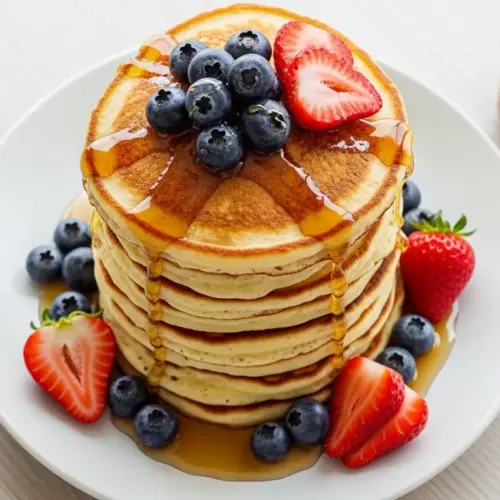
Cottage Cheese Protein Pancakes

Equipment
- High-speed blender or regular blender
- Non-stick skillet or griddle - 10-12 inch recommended
- Measuring cups and spoons
- Rubber spatula or pancake spatula - Thin, flexible spatula preferred
- Ladle or ¼-cup measuring cup - For portioning batter
- Cooking thermometer - Optional, for gauging griddle temperature
- Mixing bowl - Optional, if blending in batches
Ingredients
- 1 cup full-fat cottage cheese - 225g, 4% milkfat recommended
- 2 large eggs
- ½ cup rolled oats - 50g, blended into oat flour, or use store-bought oat flour
- 1 teaspoon baking powder
- ½ teaspoon vanilla extract
- 1 tablespoon honey or maple syrup - optional, for a touch of sweetness
- pinch of salt
- butter or coconut oil - for greasing the pan
Optional Add-ins
- ½ cup fresh or frozen blueberries - 75g, folded in after blending
- ¼ cup mini chocolate chips - 45g, stirred in after blending
- ½ ripe banana - optional, add to blender for natural sweetness
- 3 tablespoons pumpkin puree - for pumpkin spice variation
- ½ teaspoon cinnamon - for pumpkin spice variation
- pinch of nutmeg - for pumpkin spice variation
- 1 teaspoon lemon zest - for lemon poppy seed variation
- 1 teaspoon poppy seeds - for lemon poppy seed variation
For Serving
- pure maple syrup - for serving
- fresh berries - blueberries, raspberries, or strawberries for topping
- Greek yogurt - optional, for serving
- almond butter or nut butter - optional, for serving
Instructions
- Measure all ingredients and preheat a non-stick skillet or griddle over medium heat for 3-5 minutes.
- If using rolled oats, blend them first for 20-30 seconds until fine. Add cottage cheese, eggs, baking powder, vanilla, salt, and sweetener, then blend on high for 30-45 seconds until completely smooth.
- Let the batter rest for 2-3 minutes to thicken. Meanwhile, grease the preheated pan with butter or oil.
- Pour ¼ cup of batter per pancake onto the pan. Cook for 2-3 minutes until bubbles form and edges look set, then flip and cook for 1-2 minutes until golden brown.
- Transfer cooked pancakes to a plate and cover loosely with foil to keep warm while cooking remaining batter. Serve immediately with your favorite toppings.
Notes
- Use full-fat cottage cheese: Low-fat versions have more water, which makes the batter too thin. Full-fat gives a richer, more tender pancake.
- Blend thoroughly: Any remaining curds will create an uneven texture. Give the blender an extra 15 seconds if unsure.
- Don’t rush the preheat: A properly heated pan (325-350°F) is key for even golden color. A cold pan leads to pale, uneven pancakes.
- Rest the batter: Even 2-3 minutes allows the oat flour to absorb moisture and the baking powder to activate. The batter will thicken slightly.
- Keep heat at medium: These pancakes contain natural sugars and can brown quickly. Medium heat gives you more control.
- Use a thin, flexible spatula: Makes flipping easier and reduces the chance of the pancake breaking apart.
- Add mix-ins after blending: Fold in blueberries, chocolate chips, or banana slices gently by hand after blending to avoid changing the batter color and texture.
- Storage: Store cooled pancakes in an airtight container in the fridge for up to 4 days, or freeze for up to 2 months with parchment between each pancake.
- Reheating: Microwave with a damp paper towel for 45-60 seconds, toast directly for crispy edges, or reheat in a skillet for fluffy texture.
- Make-ahead batter: Can be blended the night before and stored covered in the fridge. Stir well and add 1-2 tablespoons of milk to loosen before cooking.
Final Thoughts
This cottage cheese protein pancakes recipe has a way of quietly becoming a weekly staple. It is one of those recipes that checks every box: quick, easy, nutritious, and genuinely satisfying in the way only a warm stack of pancakes can be.
The first time you taste how fluffy and flavorful these are, it is hard to believe that something this good is also this good for you.
Give this recipe a try this weekend and see for yourself. Drop a comment below letting us know how yours turned out, what toppings you used, or any creative variations you discovered. Sharing your experience helps others find their new favorite breakfast too.
Recommended:
- Easy Protein Pancakes
- Chocolate Protein Pancakes
- Protein Pancakes Recipe Without Protein Powder
- Vegan Protein Pancakes
- Copycat Kodiak Protein Pancakes
- Gluten Free Protein Pancakes
- Old Fashioned Pancake Recipe
- IHOP Pancake Recipe
- German Pancake Recipe
- Easy Waffle Recipe