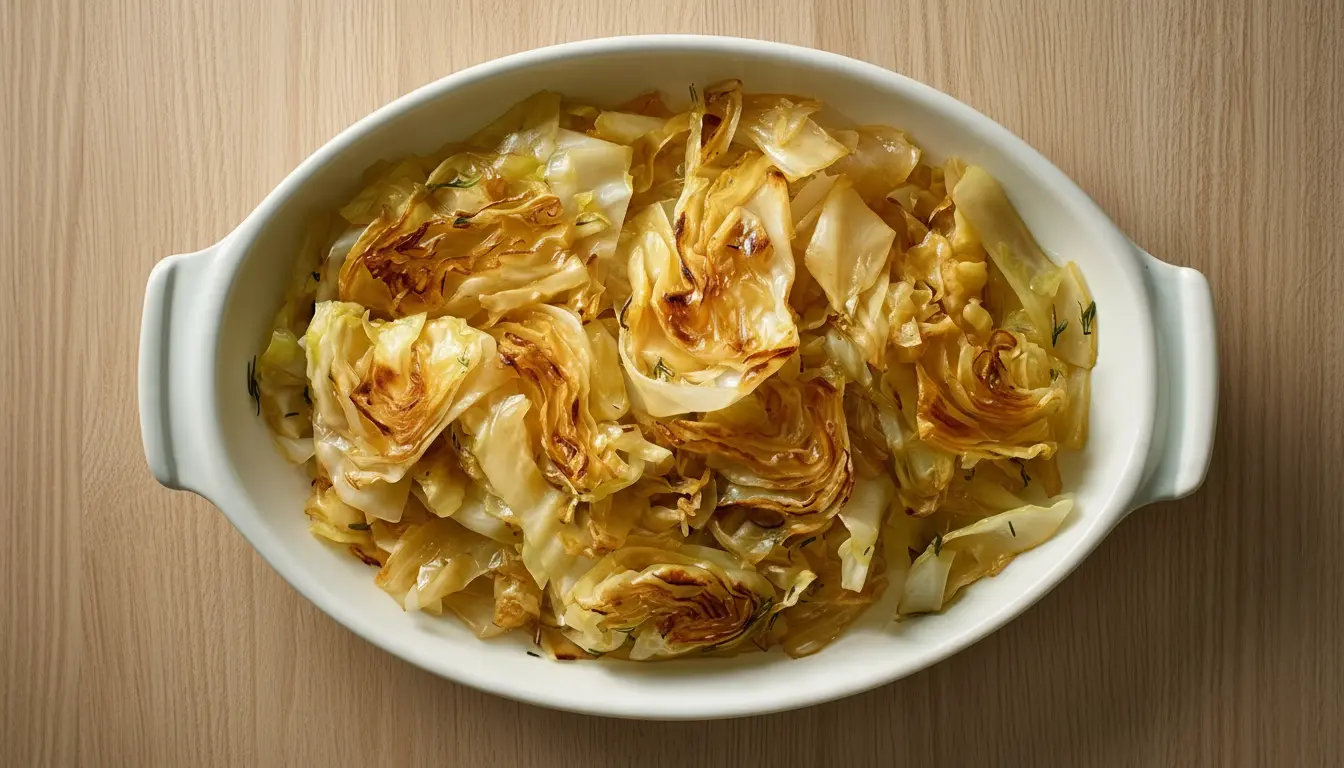
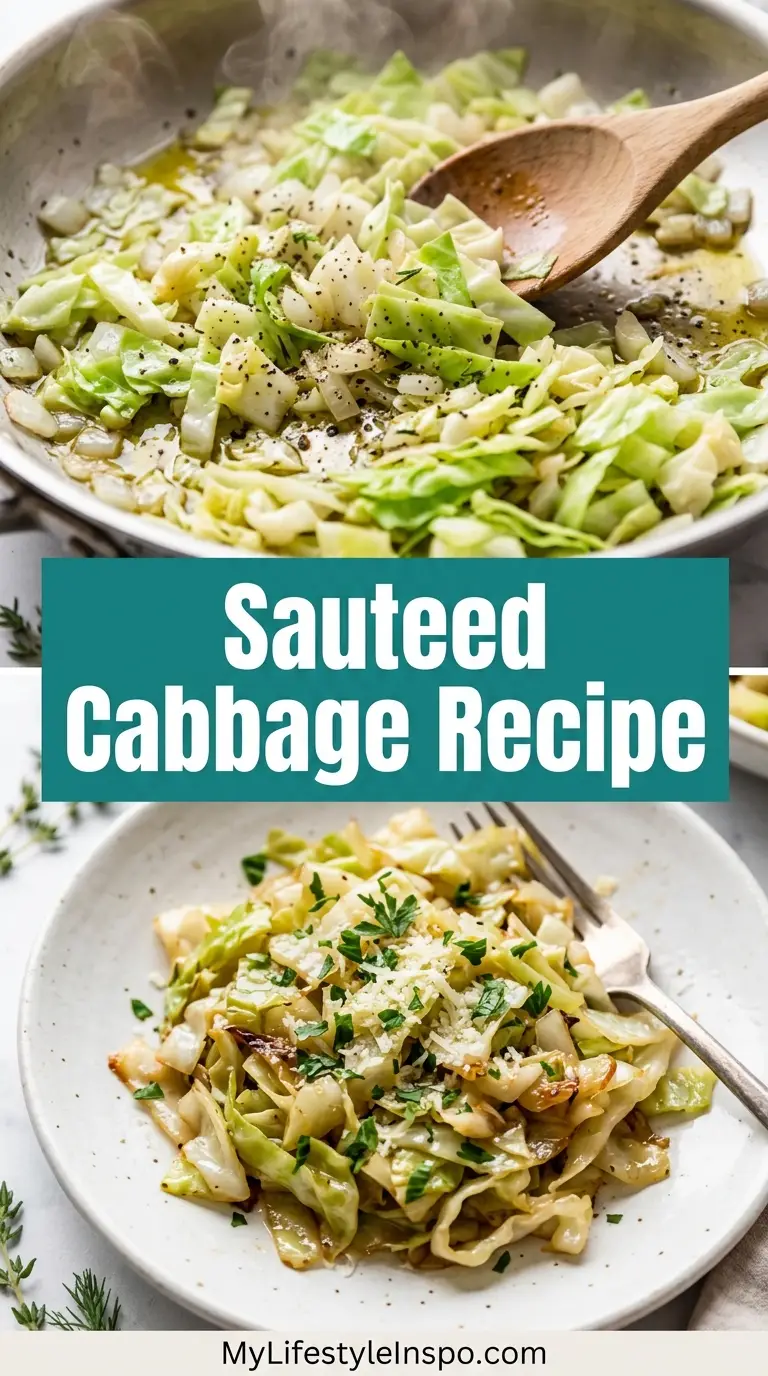
Cabbage often gets overlooked in the produce aisle, sitting quietly beside its flashier vegetable cousins. But when you learn how to make this sautéed cabbage recipe, you’ll discover just how delicious and versatile this humble vegetable can be. Thin ribbons of cabbage transform into golden, tender bites with beautifully caramelized edges that bring out the natural sweetness of the vegetable.
This simple side dish takes just 20 minutes from start to finish. The combination of butter and olive oil creates the perfect cooking medium, allowing the cabbage to soften while developing those irresistible brown bits that add depth and flavor.
The key to great sautéed cabbage lies in slicing it thinly and giving it enough time in the pan to develop that beautiful golden color. As the cabbage cooks, it wilts down significantly, so don’t be alarmed when your pan looks overflowing at first.
Why You’ll Love This Sautéed Cabbage Recipe
This recipe proves that simple ingredients can create outstanding results. You only need a handful of pantry staples to make a side dish that tastes like you spent hours in the kitchen.
The cooking process brings out the natural sweetness in the cabbage while adding a subtle savory note from the garlic and onions. It’s a far cry from the bland, boiled cabbage you might remember from childhood.
This dish pairs beautifully with almost any main course. Serve it alongside baked pork chops, roasted chicken, grilled sausages, or even a simple piece of fish for a complete meal.
- Budget-friendly: Cabbage is one of the most affordable vegetables year-round
- Quick and easy: Ready in just 20 minutes with minimal prep work
- Nutritious: Packed with vitamins C and K, fiber, and antioxidants
- Versatile: Works as a side dish or can be the base for more complex meals
- Low-carb: Perfect for those following keto or low-carb diets
You might also enjoy: Fried Cabbage Recipe
Ingredients
The beauty of sautéed cabbage lies in its simplicity. You likely have most of these ingredients in your kitchen already, and the short list means less time shopping and more time cooking.
- 1 medium green cabbage (about 2 to 2.5 pounds or 900g to 1.1kg), cored and thinly sliced
- 1 medium yellow onion, thinly sliced
- 3 cloves garlic, minced
- 2 tablespoons olive oil
- 2 tablespoons unsalted butter
- 1 teaspoon salt (or to taste)
- 1/2 teaspoon black pepper
- 1 teaspoon smoked paprika (optional, for extra depth)
- 2 tablespoons apple cider vinegar (optional, adds brightness)
Kitchen Equipment Needed
Having the right tools makes this recipe even easier to prepare. A large skillet is essential since the cabbage takes up quite a bit of space before it wilts down.
- Large 12-inch skillet or sauté pan (at least 3 inches deep)
- Sharp chef’s knife for slicing the cabbage and onion
- Cutting board
- Wooden spoon or tongs for stirring
- Measuring spoons
Read Also: Creamy Coleslaw Recipe
Recommended Products for This Recipe
These are high-quality products that will help you create the best possible sautéed cabbage and make your cooking experience more enjoyable.
1. Le Creuset Enameled Cast Iron Braiser
This braiser provides exceptional heat distribution, ensuring your cabbage cooks evenly without hot spots. The wide surface area gives you plenty of room to work with the cabbage, and the enameled interior makes cleanup a breeze. It’s a versatile piece that you’ll reach for time and time again.
2. High-Quality Extra Virgin Olive Oil
A good olive oil makes a noticeable difference in this recipe. Look for cold-pressed extra virgin olive oil with a mild, fruity flavor. The oil’s smoke point allows it to handle the high heat needed for proper caramelization while adding its own subtle complexity to the finished dish.
3. Bragg Organic Apple Cider Vinegar
This raw, unfiltered apple cider vinegar adds a wonderful tangy brightness to the sautéed cabbage. The acidity cuts through the richness of the butter and balances the natural sweetness of the caramelized cabbage perfectly.
4. Professional Kitchen Tongs
Quality spring-loaded tongs make tossing and turning the cabbage much easier than a spoon. Look for tongs with silicone tips to protect your pan’s surface and a locking mechanism for easy storage.
Step-by-Step Instructions
Follow these detailed instructions to create perfectly sautéed cabbage every time. Each step builds on the last to develop deep, complex flavors.
1. Prepare the Cabbage
- Remove any damaged or wilted outer leaves from the cabbage
- Cut the cabbage in half from top to bottom through the core
- Cut each half into quarters
- Remove the tough core from each quarter by cutting it out at an angle
- Place each quarter cut-side down on your cutting board
- Slice across the cabbage into thin ribbons, about 1/4 inch (6mm) thick
- Place the sliced cabbage in a colander and rinse under cold water
- Drain well and set aside
2. Prepare the Aromatics
- Peel the onion and cut it in half from root to tip
- Slice each half into thin half-moons, about 1/4 inch (6mm) thick
- Peel the garlic cloves
- Mince the garlic finely or use a garlic press
- Keep the onion and garlic separate as they’ll be added at different times
3. Heat the Pan and Cook the Onions
- Place your large skillet over medium-high heat
- Add the olive oil and butter to the pan
- Allow the butter to melt completely and begin to foam
- Add the sliced onions to the pan
- Sauté the onions for 3 to 4 minutes, stirring occasionally
- Cook until the onions are softened and just beginning to turn translucent
- The onions should not brown at this stage
4. Add the Garlic
- Add the minced garlic to the pan with the onions
- Stir constantly for about 30 seconds to 1 minute
- The garlic should become fragrant but not brown
- Browning the garlic will make it bitter, so watch carefully
- If the pan seems too hot, reduce the heat slightly
5. Add the Cabbage
- Add all of the sliced cabbage to the pan
- Don’t worry if it seems like too much; it will wilt down significantly
- Use tongs or two wooden spoons to toss the cabbage with the onions and garlic
- Continue tossing every 2 to 3 minutes to ensure even cooking
- The cabbage will start to wilt and reduce in volume within the first few minutes
6. Season and Cook Until Tender
- After the cabbage has wilted somewhat (about 5 minutes), add the salt and black pepper
- If using smoked paprika, add it now
- Continue cooking for 10 to 15 minutes total, stirring occasionally
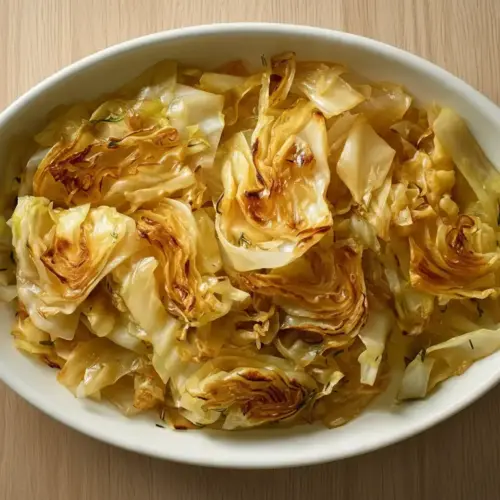
- The cabbage should become tender and develop golden brown edges
- Some pieces will caramelize more than others, which adds great flavor
- If the cabbage starts to brown too quickly, reduce the heat to medium
- If using apple cider vinegar, add it during the last 2 minutes of cooking
- Toss well to distribute the vinegar evenly
7. Final Adjustments and Serving
- Taste the cabbage and adjust seasoning if needed
- Add more salt, pepper, or a squeeze of fresh lemon juice if desired
- Remove from heat immediately once the cabbage reaches your preferred level of tenderness
- Transfer to a serving bowl or plate directly from the pan
- Serve immediately while hot for the best flavor and texture
This pairs beautifully with Garlic Mashed Potatoes for a complete comfort food meal.
Tips for Success
These tips will help you achieve restaurant-quality sautéed cabbage at home. Small details make a big difference in the final result.
- Don’t overcrowd the pan: If your pan isn’t large enough to accommodate all the cabbage comfortably, cook it in two batches. Overcrowding prevents proper browning and can make the cabbage steam instead of sauté.
- Slice consistently: Try to keep your cabbage slices uniform in thickness. This ensures even cooking and prevents some pieces from becoming mushy while others remain too crunchy.
- Control the heat: Medium-high heat is ideal for developing those golden brown bits without burning. If your cabbage is browning too quickly, reduce the heat.
- Don’t stir too frequently: Resist the urge to constantly move the cabbage around. Letting it sit undisturbed for a couple of minutes allows the natural sugars to caramelize and develop complex flavors.
- Taste as you go: Cabbage can vary in natural sweetness and water content. Taste during cooking and adjust seasoning accordingly.
Another favorite: Roasted Carrot Soup
Serving Suggestions
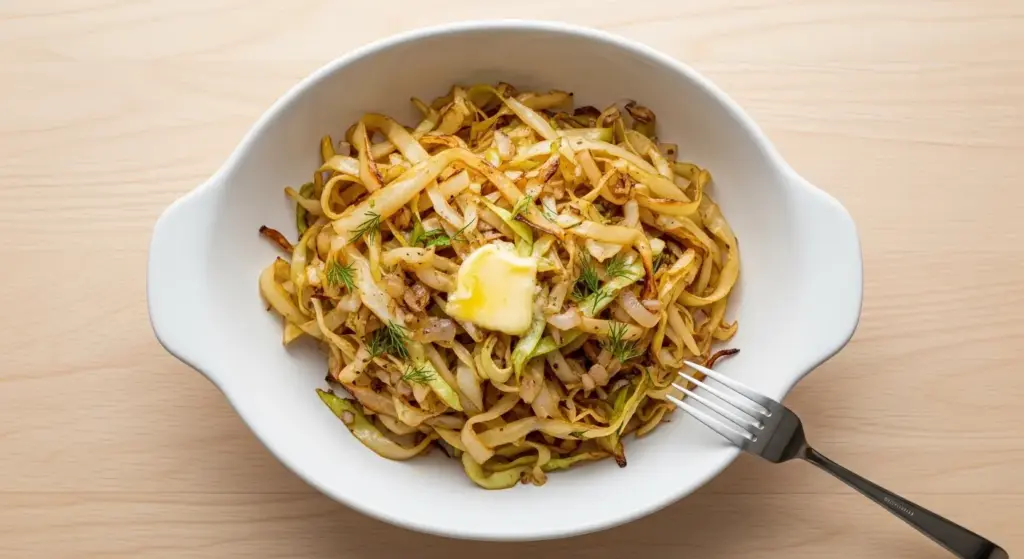
Sautéed cabbage is incredibly versatile and complements a wide range of main dishes. Its mild, slightly sweet flavor makes it an excellent canvas for bolder proteins and sauces.
Pair it with hearty meats like bratwurst, kielbasa, or pork chops. The cabbage’s delicate flavor won’t compete with robust sausages and provides a lighter counterpoint to rich, fatty meats.
- Serve alongside Air Fryer Bacon Wrapped Chicken Breast for a complete dinner
- Add to a grain bowl with quinoa or brown rice and your choice of protein
- Pair with Baked Pork Chops and roasted potatoes for a classic comfort meal
- Serve as a bed for seared salmon or grilled chicken breasts
- Include as part of a German-inspired spread with sausages, mustard, and Breakfast Potatoes
- Layer into sandwiches and wraps for extra crunch and nutrition
- Toss with cooked pasta, olive oil, and parmesan for a simple vegetarian dinner
- Serve alongside Roasted Cauliflower Soup for a veggie-forward meal
Variations to Try
Once you’ve mastered the basic recipe, these variations will help you customize the dish to your preferences or whatever ingredients you have on hand.
- Sautéed Cabbage with Bacon: Cook 4 to 6 strips of chopped bacon until crispy, remove from pan, and use the bacon fat in place of the butter. Add the crispy bacon back at the end.
- Asian-Inspired: Replace the butter with sesame oil, add 2 tablespoons of soy sauce and 1 teaspoon of grated ginger, and finish with sesame seeds.
- Spicy Sautéed Cabbage: Add red pepper flakes or diced jalapeños along with the garlic for heat.
- German-Style: Add caraway seeds and a splash of white wine vinegar for a flavor reminiscent of sauerkraut.
- Cabbage and Carrots: Add 1 to 2 cups of julienned carrots along with the cabbage for color and extra sweetness.
- Creamy Version: Stir in 2 to 3 tablespoons of heavy cream or sour cream at the end for a richer dish.
- With Fresh Herbs: Toss in chopped fresh dill, parsley, or thyme just before serving.
Read Also: Vinegar Coleslaw Recipe
Storage and Reheating
Proper storage ensures you can enjoy your sautéed cabbage for several days after cooking. The flavors actually develop and meld together nicely overnight.
- Refrigerator: Store cooled sautéed cabbage in an airtight container in the refrigerator for 3 to 4 days.
- Freezer: While possible, freezing is not recommended as the cabbage will become quite soft and watery when thawed.
- Reheating on stovetop: Add the cabbage to a skillet over medium heat with a small pat of butter. Stir occasionally until heated through, about 5 minutes.
- Reheating in microwave: Place in a microwave-safe dish, cover with a damp paper towel, and microwave in 30-second intervals, stirring between each, until hot.
- Adding moisture: If the cabbage seems dry when reheating, add a tablespoon or two of water or broth to restore moisture.
For a lighter option, try: Healthy Broccoli Soup
Nutritional Facts
Per serving (based on 6 servings):
- Calories: 95 kcal
- Carbohydrates: 11g
- Protein: 2g
- Fat: 6g
- Saturated Fat: 2g
- Fiber: 4g
- Sugar: 6g
- Sodium: 410mg
- Vitamin C: 54mg (60% DV)
- Vitamin K: 85mcg (71% DV)
- Folate: 45mcg (11% DV)
- Calcium: 54mg (4% DV)
- Iron: 1mg (6% DV)
- Potassium: 230mg (5% DV)
This recipe is naturally low in calories, high in fiber, and provides excellent amounts of vitamins C and K. It’s suitable for most dietary preferences including vegetarian, gluten-free, low-carb, and keto diets.
Read Also: Spinach Soup Recipe
Health Benefits of Key Ingredients
Sautéed cabbage offers impressive nutritional benefits. This simple vegetable delivers powerful health-supporting compounds that protect your body in multiple ways.
Cabbage belongs to the cruciferous vegetable family, which means it contains glucosinolates. These compounds have been studied for their potential cancer-fighting properties and their ability to support the body’s natural detoxification processes.
- Rich in Vitamin C: One serving provides over half your daily vitamin C needs, supporting immune function and collagen production
- High in Vitamin K: Essential for blood clotting and bone health
- Packed with Fiber: Supports digestive health and helps maintain steady blood sugar levels
- Contains Antioxidants: Including polyphenols and sulfur compounds that fight inflammation
- Low in Calories: Making it perfect for weight management while still being filling
- Good Source of Folate: Important for cell division and DNA synthesis
- Anti-Inflammatory Properties: May help reduce chronic inflammation in the body
You might also enjoy: Celery Soup Recipe
Frequently Asked Questions
1. Can I use red cabbage instead of green cabbage?
Absolutely! Red cabbage works wonderfully in this recipe and adds beautiful color to your plate. Keep in mind that red cabbage takes slightly longer to cook and may have a more pronounced, peppery flavor compared to green cabbage. The red pigment will also bleed into the butter, creating a purple-tinted dish.
2. Why is my sautéed cabbage watery?
Watery cabbage usually results from cooking at too low a temperature or stirring too frequently. Make sure your pan is hot enough to evaporate the moisture released by the cabbage as it cooks. Let the cabbage sit undisturbed for 2 to 3 minutes between stirs to allow proper caramelization.
3. How do I know when the cabbage is done?
The cabbage is done when it’s tender but still has a slight bite to it, and you can see golden brown edges on many of the pieces. The total cooking time after adding the cabbage to the pan should be about 10 to 15 minutes. If you prefer softer cabbage, cook it a few minutes longer.
4. Can I make this recipe ahead of time?
Yes, you can prepare sautéed cabbage up to 2 days in advance. Store it in an airtight container in the refrigerator and reheat gently in a skillet or microwave before serving. The texture will be slightly softer than freshly cooked, but the flavor remains delicious.
5. What’s the difference between sautéed cabbage and fried cabbage?
The terms are often used interchangeably, but traditionally, fried cabbage uses more fat and is cooked at higher heat for a crispier result. Sautéed cabbage typically uses less fat and is cooked more gently, resulting in a tender texture with some caramelized edges. Both methods are delicious, just slightly different in execution and final texture.
Another favorite: Cauliflower Soup Recipe
Sautéed Cabbage

Equipment
- Large 12-inch skillet or sauté pan (at least 3 inches deep) - Essential for accommodating the cabbage before it wilts
- Sharp chef's knife - For slicing the cabbage and onion
- Cutting board
- Wooden spoon or tongs - For stirring and tossing the cabbage
- Measuring spoons
- Le Creuset Enameled Cast Iron Braiser - Provides exceptional heat distribution (recommended)
- Professional Kitchen Tongs - Spring-loaded with silicone tips (recommended)
Ingredients
- 1 medium green cabbage - about 2 to 2.5 pounds or 900g to 1.1kg, cored and thinly sliced
- 1 medium yellow onion - thinly sliced
- 3 cloves garlic - minced
- 2 tablespoons olive oil
- 2 tablespoons unsalted butter
- 1 teaspoon salt - or to taste
- 1/2 teaspoon black pepper
- 1 teaspoon smoked paprika - optional, for extra depth
- 2 tablespoons apple cider vinegar - optional, adds brightness
Instructions
- Remove any damaged outer leaves from the cabbage. Cut in half through the core, then into quarters. Remove the tough core from each quarter and slice into thin 1/4-inch ribbons. Rinse in a colander and drain well.
- Peel and thinly slice the onion into half-moons. Mince the garlic cloves. Keep onion and garlic separate.
- Heat olive oil and butter in a large skillet over medium-high heat until butter melts and foams. Add sliced onions and sauté for 3-4 minutes until softened and translucent but not browned.
- Add minced garlic to the pan and stir constantly for 30-60 seconds until fragrant but not browned. Reduce heat if needed.
- Add all the sliced cabbage to the pan (it will look overflowing but will wilt). Toss with onions and garlic using tongs or spoons every 2-3 minutes.
- After about 5 minutes when cabbage has wilted, add salt, pepper, and smoked paprika if using. Cook for a total of 10-15 minutes, stirring occasionally, until tender with golden brown edges.
- If using apple cider vinegar, add during the last 2 minutes and toss well. Taste and adjust seasoning. Remove from heat and serve immediately while hot.
Notes
- Don’t overcrowd the pan; cook in batches if necessary to allow proper browning instead of steaming.
- Slice cabbage uniformly about 1/4 inch thick for even cooking.
- Let cabbage sit undisturbed for 2-3 minutes between stirs to develop caramelization.
- If cabbage browns too quickly, reduce heat to medium.
- Store leftovers in an airtight container in the refrigerator for 3-4 days; flavors improve overnight.
- Reheat on stovetop with a pat of butter or in microwave with a damp paper towel.
- Freezing not recommended as cabbage becomes watery upon thawing.
- Variations: Add bacon, use sesame oil for Asian twist, or stir in heavy cream for a creamy version.
- Red cabbage can be substituted but may take slightly longer to cook and tint the dish purple.
Final Thoughts
This sautéed cabbage recipe transforms an often-overlooked vegetable into a side dish that’s worthy of a spot on your dinner table any night of the week. The simplicity of the ingredients belies the depth of flavor that develops through proper technique and a little patience at the stove.
Once you see how easy it is to create tender, golden, perfectly seasoned cabbage, you’ll find yourself making it again and again. Give this recipe a try tonight and discover why sautéed cabbage deserves a permanent place in your cooking rotation.
Recommended:
- Corn Soup Recipe
- Carrot Soup Recipe
- Cream of Broccoli Soup Recipe
- Air Fryer Zucchini Fries Recipe
- Creamy Mashed Potatoes Recipe
- Au Gratin Potatoes Recipe
- Twice Baked Potato Recipe
- Baked Potato Recipe
- Chicken Skillet Recipe
- Hamburger Soup Recipe