If you’ve ever craved a cocktail that hits all the right notes — rich, caffeinated, silky smooth, and just a little boozy — this espresso martini recipe is exactly what you’ve been looking for.
This iconic drink has been a bar menu staple for decades, and for good reason. The combination of freshly pulled espresso, vodka, coffee liqueur, and a touch of simple syrup creates something that feels luxurious and indulgent without being difficult to pull off at home.
The secret is in the shake. A hard, vigorous shake with plenty of ice is what gives an espresso martini that gorgeous, frothy foam on top. It’s the signature of a well-made cocktail, and once you nail it, you’ll want to make these for every dinner party, girls’ night, or Friday evening wind-down.
This recipe uses the classic, most widely recognized version — the one bartenders have been making since the 1980s, with just a handful of quality ingredients that let each one shine.
Why You’ll Love This Espresso Martini Recipe
This is one of those cocktails that manages to be both elegant and approachable at the same time.
It comes together in under five minutes with just a cocktail shaker and a few key ingredients.
The flavor is deeply satisfying — you get the bittersweet intensity of real espresso balanced by the sweetness of Kahlúa and the clean kick of vodka.
It’s genuinely versatile, working as a pre-dinner aperitif, an after-dinner treat, or a late-night party cocktail.
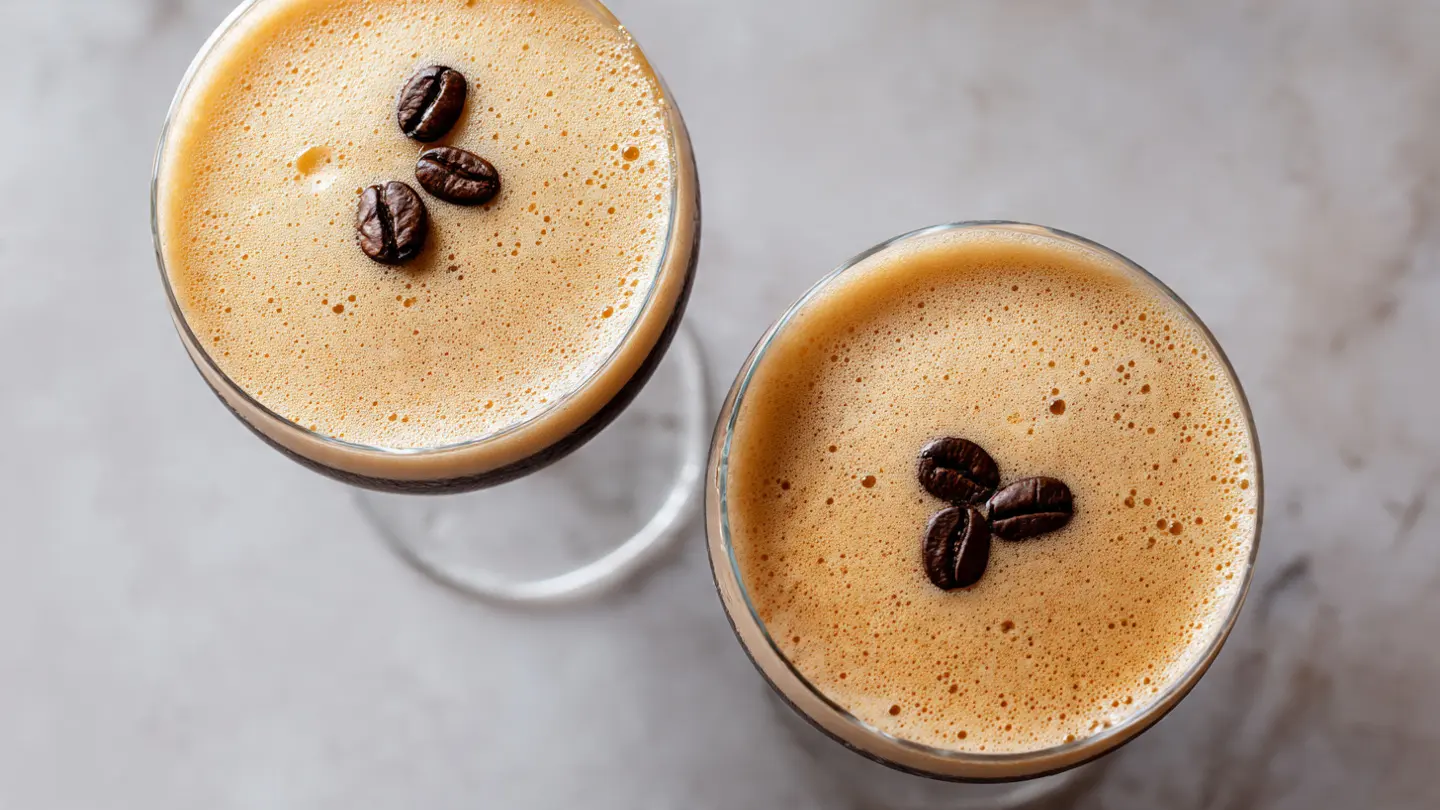
- It’s visually stunning. That thick, caramel-colored foam on top makes it look like it came straight from a professional bar.
- The flavor is bold and complex. Real espresso brings a depth that instant coffee simply can’t replicate.
- No special skills required. If you can shake a cocktail shaker, you can make this.
- It’s easy to scale up. Batching for a crowd is simple with this recipe.
- It satisfies both coffee lovers and cocktail lovers. It’s the best of both worlds.
You might also enjoy: Chocolate Martini Recipe
Ingredients
This espresso martini keeps things clean and classic. Using high-quality vodka and freshly brewed espresso makes a noticeable difference in the final result — don’t skip those details.
- 2 oz (60 ml) vodka
- 1 oz (30 ml) coffee liqueur (Kahlúa)
- 1 oz (30 ml) freshly brewed espresso, cooled
- 0.5 oz (15 ml) simple syrup (adjust to taste)
- Ice (for shaking)
- 3 coffee beans, for garnish
Read Also: Cosmopolitan Cocktail Recipe
Kitchen Equipment Needed
You don’t need a fully stocked bar to make this at home. These are the key tools that will help you get the best result.
- Cocktail shaker (a Boston shaker or cobbler shaker both work)
- Espresso machine or strong moka pot
- Hawthorne strainer
- Fine mesh strainer (for a super smooth pour)
- Coupe or martini glass
- Jigger or measuring tool
- Ice
Another favorite: Amaretto Sour Recipe
Recommended Products for This Recipe
These are products worth having if you want to make consistently great espresso martinis at home, chosen based on quality and performance.
1. Kahlúa Original Coffee Liqueur
Kahlúa is the gold standard for espresso martinis. Its rich combination of rum, Arabica coffee, and vanilla sugar creates the sweet, deeply coffee-forward base that makes this cocktail so iconic. Using Kahlúa instead of a generic coffee liqueur will noticeably elevate the flavor.
2. Breville Barista Express Espresso Machine
The quality of your espresso matters enormously in this cocktail. The Breville Barista Express grinds fresh beans and pulls a rich, crema-topped shot that produces a far superior foam when shaken. It’s an investment that transforms your home coffee and cocktail game.
3. OXO Steel Cocktail Shaker
A quality cocktail shaker with a tight seal is essential for getting that beautiful foam. The OXO Steel Shaker has a built-in strainer and a leak-proof lid that lets you shake hard without spills, giving you that frothy, creamy top layer every time.
4. Libbey Coupe Cocktail Glasses
The right glass makes a difference in presentation. Coupe glasses show off the foam beautifully and keep the drink at the right temperature. Libbey makes reliable, elegant coupes that are both affordable and durable.
5. Premium Arabica Whole Bean Coffee
For the best espresso, start with high-quality whole bean Arabica coffee. Freshly ground beans produce a richer, more aromatic shot, which directly translates to a more complex and flavorful martini.
For a tropical cocktail fix, try the Classic Pina Colada Recipe
Step-by-Step Instructions
1. Brew and Cool Your Espresso
- Pull a single or double shot of espresso using your espresso machine, approximately 1 oz (30 ml).
- If you don’t have an espresso machine, brew a very strong coffee using a moka pot or use two tablespoons of instant espresso powder dissolved in 1 oz (30 ml) of hot water as a backup.
- Pour the espresso into a small dish or cup and let it cool at room temperature for at least 10 minutes, or place it in the refrigerator for 5 minutes.
- Do not use hot espresso in the shaker — this will over-dilute the cocktail and make it watery.
2. Chill Your Glass
- Place your coupe or martini glass in the freezer for at least 5 to 10 minutes before serving.
- Alternatively, fill the glass with ice water and let it sit while you prepare the cocktail, then discard the ice water before pouring.
- A chilled glass keeps your espresso martini cold longer and helps maintain the foam.
3. Fill the Shaker with Ice
- Fill your cocktail shaker approximately two-thirds full with fresh ice cubes.
- Use large, hard ice cubes rather than small or crushed ice. Larger ice chills the drink efficiently without melting too fast and over-diluting it.
- Make sure the shaker is completely dry before adding ice, as excess water can affect the cocktail.
4. Add All Ingredients
- Pour 2 oz (60 ml) of vodka into the shaker over the ice.
- Add 1 oz (30 ml) of Kahlúa or your preferred coffee liqueur.
- Pour in 1 oz (30 ml) of the cooled espresso.
- Add 0.5 oz (15 ml) of simple syrup. If you prefer a less sweet cocktail, start with a quarter ounce and adjust to taste.
- Using a jigger for accurate measurements is strongly recommended, especially if you’re making multiple servings.
5. Shake Hard and Long
- Seal the cocktail shaker tightly.
- Shake vigorously for a full 15 to 20 seconds. This is longer than most cocktails — the extended shaking is what creates the signature thick foam.
- You should feel the shaker become very cold in your hands. That coldness tells you the cocktail is properly chilled and the foam is forming.
- Don’t be shy here. A hard, confident shake makes all the difference in the texture and appearance of the finished drink.
6. Double Strain into Your Glass
- Remove your chilled glass from the freezer or discard the ice water from it.
- Hold the Hawthorne strainer over the shaker and position a fine mesh strainer over the glass.
- Pour the cocktail slowly through both strainers into the chilled glass.
- Double straining removes ice chips and ensures a silky-smooth texture with a clean, creamy foam on top.
7. Garnish and Serve Immediately
- Place 3 whole coffee beans on top of the foam in the center of the glass.
- The three coffee beans are the traditional garnish for an espresso martini, said to represent health, wealth, and happiness — a tradition borrowed from the Italian sambuca service.
- Serve the cocktail immediately for the best foam, as it will begin to dissipate within a few minutes.
The same rich espresso flavor works beautifully in a Cold Brew Coffee Recipe
Tips for Success
These small adjustments make a big difference in the quality of your espresso martini. Keep them in mind every time you shake one up.
- Use fresh espresso, not cold brew or drip coffee. Espresso has a concentration and crema that no other coffee form can replicate. The oils in espresso are what create the foam.
- Cool your espresso before shaking. Hot liquid will cause excess dilution and can affect the shake.
- Shake longer than you think you need to. Most people under-shake their espresso martinis and wonder why there’s no foam.
- Use a quality vodka. A smooth, clean vodka lets the coffee flavor take center stage. Flavored vodkas are generally not recommended for the classic version.
- Chill everything you can. Chilled glass, chilled espresso, and plenty of ice in the shaker all contribute to a colder, longer-lasting cocktail.
- Serve immediately after shaking. Foam dissipates quickly, so have your glass ready before you shake.
This same tip about chilling applies when making a Dirty Martini Recipe
Serving Suggestions
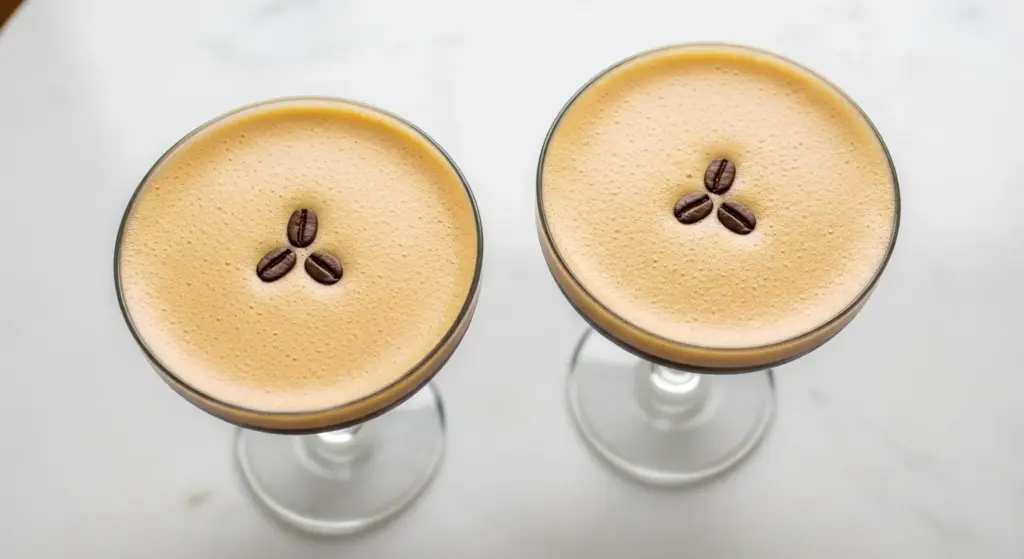
An espresso martini is a naturally theatrical cocktail that deserves an occasion to match. It works beautifully as an after-dinner drink, a pre-party energizer, or the centerpiece of a cocktail hour.
Pair it with rich, indulgent bites like chocolate truffles, tiramisu, or a creamy dessert cheese board. The coffee bitterness in the cocktail cuts through richness beautifully.
- Serve alongside Classic Tiramisu for the ultimate coffee-lover’s dessert pairing
- Pair with a Chocolate Souffle for a show-stopping dinner party finale
- Offer alongside Classic Deviled Eggs as a savory cocktail hour snack
- Serve at brunch alongside a French Toast Casserole
- Make a batch for a party and set up a mini coffee cocktail station with Easy Nachos and other crowd-pleasing snacks
The hot toddy is another cocktail that works well for entertaining: Hot Toddy Recipe
Variations to Try
Once you’ve mastered the classic, there are several fun directions to take this cocktail. Each variation keeps the core espresso-and-vodka foundation intact while adding a new personality.
- Vanilla Espresso Martini: Add a splash of vanilla vodka or half a teaspoon of vanilla extract to the shaker. This rounds out the bitterness beautifully.
- Salted Caramel Espresso Martini: Substitute the simple syrup with caramel syrup and add a small pinch of fleur de sel. Rim the glass with salted caramel sauce.
- Baileys Espresso Martini: Replace the simple syrup with Baileys Irish Cream for a creamier, richer version. Use slightly less simple syrup or none at all since Baileys adds sweetness.
- Coconut Espresso Martini: Use coconut vodka and add a splash of coconut cream. This tropical spin is surprisingly delicious.
- Decaf Espresso Martini: Use decaf espresso beans for all the flavor and foam without the late-night caffeine hit.
- Spiced Espresso Martini: Add a small dash of cinnamon syrup or a tiny pinch of cayenne to the shaker for a warming, spiced twist.
Read Also: Negroni Recipe
Storage and Reheating
The espresso martini is a cocktail best enjoyed the moment it’s made. That said, there are a few smart ways to prep ahead if you’re entertaining.
- Make-ahead batch: Combine the vodka, Kahlúa, cooled espresso, and simple syrup in a sealed container or pitcher. Refrigerate for up to 24 hours. When ready to serve, pour the pre-made mixture into a shaker with fresh ice and shake vigorously to order.
- Don’t pre-shake: Never shake the cocktail in advance and store it — the foam will disappear and you’ll lose the texture that makes this drink special.
- Espresso prep: Brew and cool your espresso shots up to 4 hours in advance. Store them covered in the refrigerator until needed.
- Leftover simple syrup: Homemade simple syrup keeps in the refrigerator in a sealed jar for up to 2 weeks.
- No reheating: This cocktail is never served warm. Always serve cold, always shake to order.
This cocktail is best enjoyed fresh, just like a Gimlet Recipe
Nutritional Facts
The following values are approximate and based on a single espresso martini made with the standard recipe above. Calorie counts will vary based on the brand of vodka and coffee liqueur used.
| Nutrient | Amount per Serving |
|---|---|
| Calories | ~200 kcal |
| Carbohydrates | ~18g |
| Sugar | ~16g |
| Total Fat | ~0g |
| Protein | ~0g |
| Alcohol | ~14g |
| Caffeine | ~60–70mg |
The primary caloric contributors are the Kahlúa (which contains sugar and rum) and the simple syrup. Reducing or omitting the simple syrup brings the calorie count down by approximately 20–25 calories.
Another classic worth knowing the nutrition on: White Russian Recipe
Health Benefits of Key Ingredients
While an espresso martini is certainly a treat, a couple of its core ingredients do carry some genuine nutritional interest worth knowing about.
Espresso is the real star when it comes to potential health benefits. It contains antioxidants, particularly chlorogenic acids, which have been studied for their role in reducing inflammation and supporting metabolic health.
- Espresso (in moderation): A source of antioxidants, may support alertness and cognitive function, and has been linked to reduced risk of certain chronic conditions in observational studies
- Coffee polyphenols: The plant compounds in coffee beans have anti-inflammatory properties
- Caffeine: Can temporarily improve focus, endurance, and mood — though sensitivity varies widely
- Vodka (in moderation): Distilled spirits contain no carbohydrates or sugars on their own
- Simple syrup: Provides quick energy, but should be used in moderation as it’s essentially sugar water
Naturally, all alcoholic beverages should be consumed responsibly and in moderation.
You might also enjoy making a warm coffee drink at home: Pumpkin Spice Latte Recipe
Frequently Asked Questions
1. Can I use cold brew coffee instead of espresso?
Cold brew has a different concentration and a smoother, less acidic flavor profile than espresso. It also lacks the crema that contributes to foam. You can use cold brew in a pinch, but the foam will be significantly less pronounced and the flavor will be milder. If espresso isn’t available, very strong double-brew drip coffee is a closer substitute.
2. Why is my espresso martini not foamy?
The foam comes from the natural oils in espresso being emulsified by vigorous shaking with ice. If your foam is weak or absent, the most likely causes are: not shaking hard or long enough (aim for 15 to 20 seconds), using coffee that’s too weak, using hot espresso that over-melted the ice, or using a low-quality espresso with little crema.
3. What is the best vodka for an espresso martini?
A clean, smooth vodka lets the coffee flavor shine. Popular choices include Grey Goose, Belvedere, Ketel One, and Tito’s. Avoid flavored vodkas for the classic version unless you’re specifically making a vanilla or caramel variation. You don’t need an ultra-premium brand, but a mid-range quality makes a noticeable difference.
4. Can I make a non-alcoholic espresso martini?
Yes — a “mocktail” version works beautifully. Replace the vodka with a non-alcoholic spirit like Seedlip Spice 94, and substitute the Kahlúa with a non-alcoholic coffee syrup or strong sweetened cold brew. Shake the same way with ice. The foam won’t be quite as dramatic, but you’ll get a delicious coffee mocktail.
5. How do I make simple syrup at home?
Combine equal parts granulated sugar and water in a small saucepan (for example, half a cup of each). Heat over medium, stirring until the sugar is fully dissolved. Remove from heat, cool completely, and store in a sealed jar in the refrigerator for up to 2 weeks. You can also make it cold by shaking sugar and water vigorously in a sealed jar for several minutes, though this takes longer to dissolve.
Read Also: French 75 Recipe
Final Thoughts
The espresso martini is one of those cocktails that never really goes out of style, and once you make one at home, it’s hard to go back to overpaying for a mediocre bar version.
It’s quick, impressive, deeply satisfying, and genuinely fun to make. The shake, the pour, the foam, the three coffee beans on top — it’s a little ritual that makes even a regular Tuesday evening feel special.
Give this espresso martini recipe a try the next time you want something that feels a little elevated. You’ll be amazed at how straightforward it is to pull off a bar-quality cocktail right in your own kitchen.
If you make it, drop a comment below and let me know how it went. And if you added your own spin, share it — I’d love to hear what variations you tried!
Recommended:
- Manhattan Recipe
- Original Mai Tai Recipe
- Easy Mojito Recipe
- Classic Mojito Recipe
- Homemade Iced Coffee Recipe
- Easy Pina Colada Recipe
- Iced Pumpkin Spice Latte Recipe
- Bloody Molly Recipe
- Easy Tiramisu Recipe
- Bourbon Balls Recipe