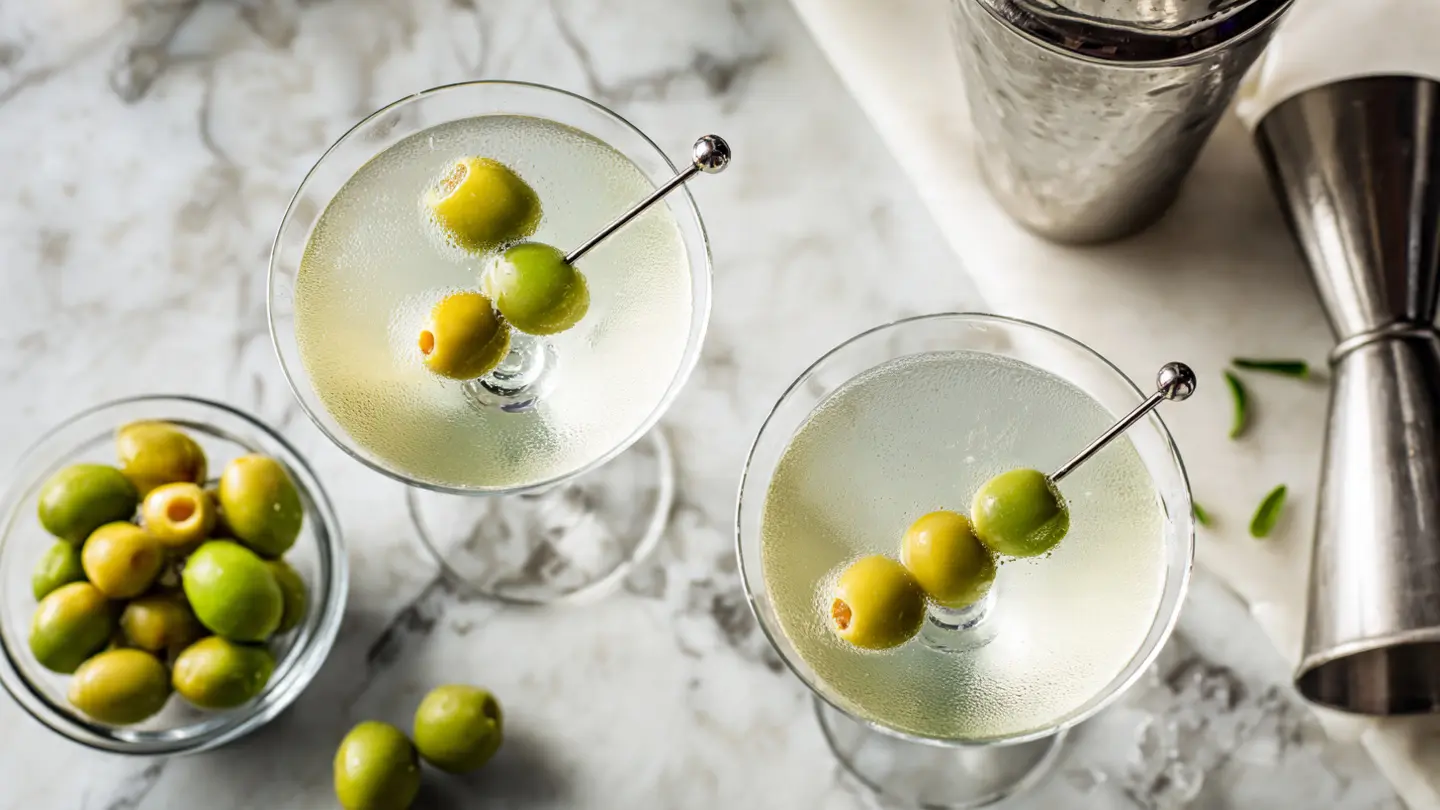
A great dirty martini recipe is one of those drinks that feels like an event in a glass. Ice-cold, briny, silky-smooth, and elegant without trying too hard, it’s the kind of cocktail that commands attention the moment it hits the table. If you’ve only ever ordered a dirty martini at a bar and never made one at home, you’re about to discover just how easy and rewarding it is to pull this off yourself.
The secret to a truly great dirty martini isn’t a complicated technique. It’s all about using quality ingredients, getting your ratios right, and knowing exactly how to chill the drink without watering it down. The brine is what gives the dirty martini its signature savory depth, and finding your personal sweet spot between too little and too much is a big part of the fun.
This recipe walks you through the classic version, using gin or vodka (your choice), dry vermouth, and green olive brine. You’ll learn why certain techniques matter, how to pick the right olives, and how to adjust the recipe to suit your taste perfectly. Once you nail this one, you’ll find yourself making it on a Friday evening just because you can.
For more classic cocktails to explore, this pairs beautifully alongside a Cosmopolitan Cocktail for a fun bar night at home.
Why You’ll Love This Dirty Martini Recipe
This dirty martini recipe is endlessly customizable without being complicated.
You can make it as dirty (extra briny) or as clean (just a hint of brine) as your palate prefers, and a simple pour adjustment is all it takes.
It comes together in under five minutes with no cooking, no fuss, and no special skills required.
The ingredients are simple, but the result feels genuinely luxurious and sophisticated.
Whether you lean toward vodka’s clean neutrality or gin’s herbal complexity, this recipe works beautifully with either base spirit.
It’s an impressive cocktail to serve at a dinner party, a gathering, or even a solo evening when you just want something exceptional to sip.
Here’s why this recipe stands out:
- The ratios have been tested for a bold yet balanced flavor profile
- It includes tips for getting the martini ice-cold without diluting it
- You’ll learn which olive brine actually makes a difference and why
- The garnish tips will make it look as polished as any bar version
- It scales up easily if you’re mixing for a crowd
You might also enjoy: Espresso Martini
Ingredients
This recipe uses simple, quality-forward ingredients because with a drink this minimal, every single component shows. The list is short, but choosing the right versions of each item will make a noticeable difference in the final glass.
- 2.5 oz (75 ml) vodka or gin (a good-quality, well-chilled bottle works best)
- 0.5 oz (15 ml) dry vermouth
- 0.5 oz (15 ml) green olive brine (from a quality jar of pitted green olives, such as Castelvetrano or Spanish Manzanilla)
- 2 to 3 pitted green olives for garnish (Castelvetrano or Manzanilla recommended)
- Ice (use plenty of clean ice cubes, the larger and clearer the better)
Read Also: Chocolate Martini Recipe
Kitchen Equipment Needed
You don’t need a fully stocked bar to make a great dirty martini. A few key tools will make the process clean, efficient, and enjoyable, and most are affordable and easy to find.
- A quality cocktail shaker with strainer (stainless steel retains cold well)
- A bar jigger or cocktail measuring tool for precise pours
- A chilled martini glass or coupe glass (pop it in the freezer for 10 to 15 minutes before use)
- A cocktail pick or skewer for the olive garnish
- A small bowl for olives
- A fine mesh strainer (optional, for an extra-smooth pour with no ice chips)
Another favorite: Negroni Recipe
Recommended Products for This Recipe
These are products I genuinely recommend based on their quality and performance for making a standout dirty martini at home.
1. Castelvetrano Pitted Olives
Castelvetrano olives from Sicily have a buttery, mild flavor and firm texture that makes them far superior to the average jarred olive for a dirty martini. Their brine is clean and bright rather than overly vinegary, which means your drink won’t have that harsh, pickled edge. They’re the olive of choice for serious home bartenders.
2. OXO Steel Cocktail Shaker
A well-built stainless steel cocktail shaker keeps your drink ice-cold throughout the mixing process and makes straining effortless. This one has a built-in strainer and an easy-grip design that makes shaking firm and controlled. A good shaker is the single most impactful tool upgrade for home bartending.
3. Premium Crystal Martini Glasses
The glass matters more than you think for a martini. A proper, wide-mouthed crystal martini glass keeps the drink cold longer and lets the aroma bloom as you sip. This set is elegant enough for entertaining and durable enough for everyday use.
4. Professional Bar Jigger Double-Sided Measuring Tool
Accuracy matters in cocktail making, especially with a drink as simple as a martini where every milliliter counts. A double-sided stainless steel jigger with clear measurement markings makes it easy to hit your ratios perfectly every single time without guessing.
Read Also: Classic Pina Colada Recipe
Step-by-Step Instructions
1. Chill Your Glass
- Take your martini glass (or coupe glass) and fill it with ice and cold water.
- Let it sit for at least 5 minutes while you prepare everything else.
- Alternatively, place your glass in the freezer for 10 to 15 minutes before you start.
- A well-chilled glass keeps your martini colder longer and prevents the drink from warming too quickly in your hand.
2. Measure and Combine Your Ingredients
- Using your bar jigger, measure 2.5 oz (75 ml) of your chosen spirit (vodka for a vodka dirty martini, or gin for a gin dirty martini) and pour it into your cocktail shaker.
- Measure 0.5 oz (15 ml) of dry vermouth and add it to the shaker.
- Measure 0.5 oz (15 ml) of your green olive brine and add it to the shaker as well.
- At this stage, do not add more brine than the recipe calls for until you’ve tasted your preferred ratio. You can always adjust on your next pour.
3. Fill the Shaker with Ice
- Add a generous amount of large ice cubes to your cocktail shaker, filling it about two-thirds full.
- Larger ice cubes chill the drink faster without melting as quickly, which means less dilution.
- Avoid crushed or small ice cubes here, as they melt too quickly and water down the martini significantly.
- Make sure the ice completely surrounds the liquid for even, rapid chilling.
4. Shake (or Stir)
- Seal the shaker tightly and shake it hard and fast for about 10 to 15 seconds.
- You’ll feel the shaker become very cold in your hands, even frosty in some spots. That’s exactly what you want.
- The vigorous shaking chills the drink quickly, slightly aerates it, and creates tiny ice shards that give the martini its characteristic silky texture.
- If you prefer a martini that’s clearer, smoother, and less aerated, stir the ingredients in the shaker with a long cocktail spoon for 20 to 30 seconds instead of shaking. Both methods work; it comes down to personal preference.
5. Prepare the Garnish
- While the shaker is still cold, thread 2 to 3 pitted green olives onto a cocktail pick.
- Castelvetrano olives are ideal because of their buttery flavor and firm bite, but Spanish Manzanilla olives also work beautifully.
- Set the garnish aside on a clean surface, ready to drop into the glass once you’ve poured.
6. Strain and Pour
- Discard the ice and water from your chilled martini glass.
- Immediately hold the strainer over the glass and strain the cocktail from the shaker in one smooth, steady pour.
- If you want a perfectly pristine, ice-chip-free drink, pour through a fine mesh strainer into the glass as a second strain.
- Pour slowly enough that no liquid splashes up the sides of the glass.
7. Add the Garnish and Serve
- Rest the olive-loaded cocktail pick across the rim of the glass or drop the olives gently into the martini.
- Serve immediately while the drink is at its coldest, ideally within 30 seconds of pouring.
- Take a moment to admire your work before the first sip.
This recipe is also great for batch prepping. For tips on cocktail prep for groups, the same principles apply to making a Manhattan in larger quantities.
Tips for Success
A great dirty martini is all about attention to detail. These tips will help you get the most consistent, delicious results every single time you make this cocktail.
- Always chill your glass. A room-temperature glass is the fastest way to ruin an ice-cold martini. Chilling takes only 5 to 10 minutes and makes a real difference.
- Use quality spirits. Since the ingredient list is so minimal, there’s nowhere for a mediocre vodka or gin to hide. You don’t need the most expensive bottle, but choose something you’d enjoy on its own.
- Choose your brine wisely. The quality and flavor of your olive brine matters enormously. Castelvetrano brine is mild, buttery, and smooth. Manzanilla brine is saltier and brighter. Cheap pimiento-stuffed olive brine can taste harsh and vinegary. Taste your brine before using it.
- Don’t over-dilute. Shaking for longer than 15 to 20 seconds can melt too much ice and dilute the flavor. Short, hard shakes are more effective.
- Adjust the brine to your taste. A standard dirty martini uses 0.5 oz of brine. An “extra dirty” version uses up to 1 oz. A “filthy” martini can go up to 1.5 oz. Start standard and work your way up.
- Vermouth matters. A quality dry vermouth like Noilly Prat or Dolin Dry adds a subtle complexity that elevates the entire drink. Vermouth degrades quickly once opened, so store it in the refrigerator after opening and use it within a few weeks.
For another cold classic that benefits from great technique, check out this Gimlet Recipe.
Serving Suggestions
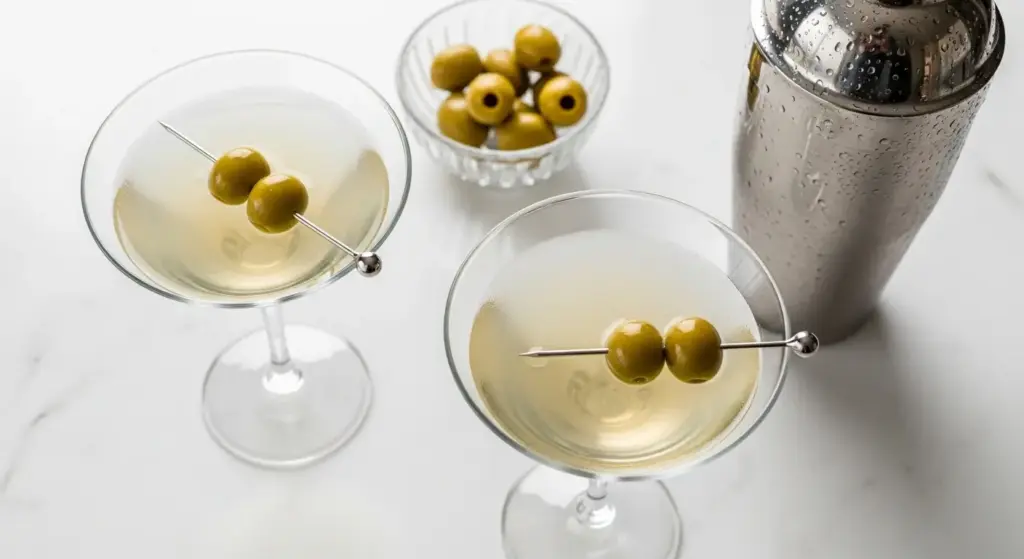
A dirty martini is a cocktail that deserves equally bold and flavorful food alongside it. Its savory, briny notes call for snacks and appetizers with some richness and umami depth.
The salty, olive-forward character of the dirty martini is a natural partner to bold, savory bites.
Think rich, creamy, or crunchy bar snacks that contrast with the cold sharpness of the drink.
Pair your dirty martini with:
- Classic Deviled Eggs for a creamy, tangy complement
- Loaded Nachos for a salty, indulgent pairing
- Cheese Ball with crackers for an elegant cocktail party spread
- Easy Pigs in a Blanket as a fun, crowd-pleasing finger food
- Classic Bruschetta for a fresh, herby contrast to the briny drink
- Smoked salmon on crostini for a classic pairing that never goes out of style
- Shrimp cocktail served ice-cold to match the martini’s chilled elegance
This also makes a wonderful aperitif before a dinner featuring Filet Mignon.
Variations to Try
Once you’ve mastered the classic dirty martini recipe, there are some wonderful directions you can take it. These variations stay true to the spirit of the original while adding a new dimension of flavor.
- Vodka vs. Gin: The most classic version uses gin (traditionally London Dry, like Tanqueray or Beefeater) for its herbal, juniper-forward flavor. Vodka produces a cleaner, more neutral martini that lets the olive brine shine more directly. Both are equally legitimate and wildly popular.
- Extra Dirty Martini: Double the brine to 1 oz (30 ml) for a more intensely savory, salty experience. This version is for the true olive lover.
- Filthy Martini: Go up to 1.5 oz (45 ml) of brine and reduce the vermouth slightly. This version is deeply briny and uncompromising.
- Dry Dirty Martini: Reduce the vermouth to just a rinse (swirl it around the glass and discard it) before adding the spirit and brine. This emphasizes the spirit and brine even more.
- Blue Cheese Stuffed Olive Dirty Martini: Swap standard olives for blue cheese-stuffed olives and use their brine. The creamy, pungent filling melts slightly into the drink and adds a decadent richness.
- Spicy Dirty Martini: Add a small pinch of chili flakes or a few drops of hot sauce to the shaker for a subtle heat that lingers at the back of the palate.
- Gibson Variation: Replace the olive garnish with a pickled pearl onion for a Gibson-style twist with a sweeter, tangy finish.
For another twist on classic cocktails, explore the bold flavors in this Bloody Molly Recipe.
Storage and Reheating
A dirty martini is best consumed immediately after mixing, as it is a fresh cocktail meant to be enjoyed ice-cold and fully chilled. However, there are a few smart ways to prep ahead if you’re hosting or want a quick pour later.
- Pre-batch for parties: You can pre-measure and combine the vodka or gin, dry vermouth, and olive brine in a sealed bottle or pitcher. Store it in the freezer (spirits and vermouth do not freeze at standard freezer temperatures). When ready to serve, shake individual portions with ice and strain as normal.
- Do not store a mixed martini in the fridge. The vermouth will oxidize and the brine will taste flat within an hour.
- Keep your olive brine fresh. Store the olive jar sealed in the refrigerator and use brine within the jar’s recommended window, typically within a few weeks of opening.
- Vermouth storage: Always refrigerate dry vermouth after opening and use it within 3 to 4 weeks. Stale vermouth will make a noticeably flat, dull martini.
- Pre-chill your glasses: Glasses can be placed in the freezer well in advance and will stay cold for 15 to 20 minutes outside of it.
Read Also: Hot Toddy Recipe
Nutritional Facts
(Per serving, based on a standard recipe using vodka)
| Nutrient | Amount |
|---|---|
| Calories | ~185 kcal |
| Total Carbohydrates | ~0.5 g |
| Sugars | ~0 g |
| Total Fat | ~0 g |
| Protein | ~0 g |
| Sodium | ~350 mg |
| Alcohol Content | ~14 g |
Note: Nutritional values are estimates and will vary depending on the brand of spirit used, the amount of brine, and whether gin or vodka is selected. Gin typically adds trace botanical compounds that may slightly alter the calorie count.
The dirty martini is one of the lower-calorie classic cocktails, particularly compared to sweet, sugar-heavy drinks. That said, it is still an alcoholic beverage and should always be enjoyed responsibly and in moderation.
For more drink ideas that pair well with entertaining menus, the Original Mai Tai Recipe is another crowd-pleaser worth having on hand.
Health Benefits of Key Ingredients
While a dirty martini is certainly not a health drink in the traditional sense, a few of its key ingredients do carry some genuinely interesting properties worth knowing about.
Enjoying cocktails mindfully and in moderation means it’s worthwhile to know what’s actually in your glass.
Here’s a look at what some of the core ingredients bring to the table:
- Green olives and olive brine: Green olives are a source of healthy monounsaturated fats, vitamin E, and antioxidants, including polyphenols. The brine itself contains electrolytes like sodium and potassium, which is why some athletes use pickle and olive brine as a muscle cramp remedy.
- Dry vermouth: Vermouth is a fortified wine infused with botanicals, and in small amounts it contributes trace polyphenols from wine grapes. It also adds botanical complexity from herbs like wormwood, which has a long history in digestive tonics.
- Gin (if using gin): Gin is flavored with juniper berries, which contain flavonoids and have been used historically as a digestive aid. The botanicals in gin (coriander, angelica root, citrus peel) may contribute minor antioxidant compounds.
- Vodka (if using vodka): Pure distilled vodka is essentially ethanol and water with minimal additives. In very small amounts, some research suggests moderate alcohol consumption has been associated with certain cardiovascular markers, though this is a nuanced area of ongoing research.
- Low sugar content: Unlike cocktails made with juice, syrups, or sodas, a dirty martini contains virtually zero sugar, making it one of the more blood-sugar-friendly options if you choose to drink alcohol occasionally.
For another recipe with ingredients worth knowing about, the White Russian Recipe has its own interesting flavor story.
Frequently Asked Questions
1. What is the difference between a dirty martini and a regular martini?
A classic or “regular” martini contains only gin (or vodka) and dry vermouth, garnished with a lemon twist or an olive. A dirty martini adds green olive brine to the mix, giving it a distinctly savory, salty flavor that sets it apart. The olive brine is what makes it “dirty,” and the amount used determines how dirty the final drink is.
2. Should a dirty martini be shaken or stirred?
Both methods are valid, and the difference is mostly textural and aesthetic. Shaking creates a slightly aerated, cloudy drink with tiny ice shards that give it a silky, frothy texture. Stirring produces a clearer, denser, and more spirit-forward drink. For a dirty martini, many bartenders prefer shaking because the emulsification of brine with the spirit blends more smoothly, but stirring is absolutely acceptable if that’s your preference.
3. What type of olive is best for a dirty martini?
Castelvetrano olives from Sicily are widely considered the best choice for a dirty martini. Their flavor is buttery, mild, and slightly sweet rather than sharp or vinegary, and their brine is clean and pleasant. Spanish Manzanilla olives are also excellent. Avoid overly vinegary or pimiento-stuffed olives from bulk jars if possible, as their brine can taste harsh and dominate the drink unpleasantly.
4. Can I use gin instead of vodka?
Absolutely, and many bartenders argue that gin is actually the more traditional base spirit for a martini in general. Gin’s botanical complexity (juniper, coriander, citrus) adds an aromatic herbal layer to the dirty martini that vodka simply doesn’t provide. Vodka gives you a cleaner, crisper drink where the olive brine and vermouth take center stage. Try it both ways and see which you prefer.
5. How do I make my martini colder without diluting it?
The best tricks are to use large, clear ice cubes (they melt more slowly), to chill your glass in advance (so the glass doesn’t warm the drink), to shake for exactly 10 to 15 seconds (not longer), and to store your spirit bottle in the freezer so you’re starting with a cold base. Some people even store their martini glasses in the freezer permanently. Starting cold means you need less shaking time, which means less melt and less dilution.
Read Also: Amaretto Sour Recipe
Final Thoughts
A great dirty martini recipe is one of those timeless classics that rewards even a small amount of attention and care. Get your ratios right, chill everything properly, and choose quality olives and brine, and you’ll have a drink that easily rivals anything you’d order at a proper cocktail bar.
The beauty of this cocktail is in its simplicity. There are only three ingredients, but within that simplicity there is real craft and real pleasure.
Grab your shaker, throw your glass in the freezer, and treat yourself to something genuinely delicious tonight.
If you try this dirty martini recipe, drop a comment below and let me know how you customized it. Did you go extra dirty? Try Castelvetrano olives for the first time? Share it with a friend who loves a good cocktail!
Recommended:
- Cosmopolitan Cocktail
- French 75
- Easy Mojito
- Classic Mojito
- Easy Pina Colada
- Easy Lemonade
- Homemade Iced Coffee
- Cold Brew Coffee
- Mulled Apple Cider
- Eggnog